How America Got Electricity
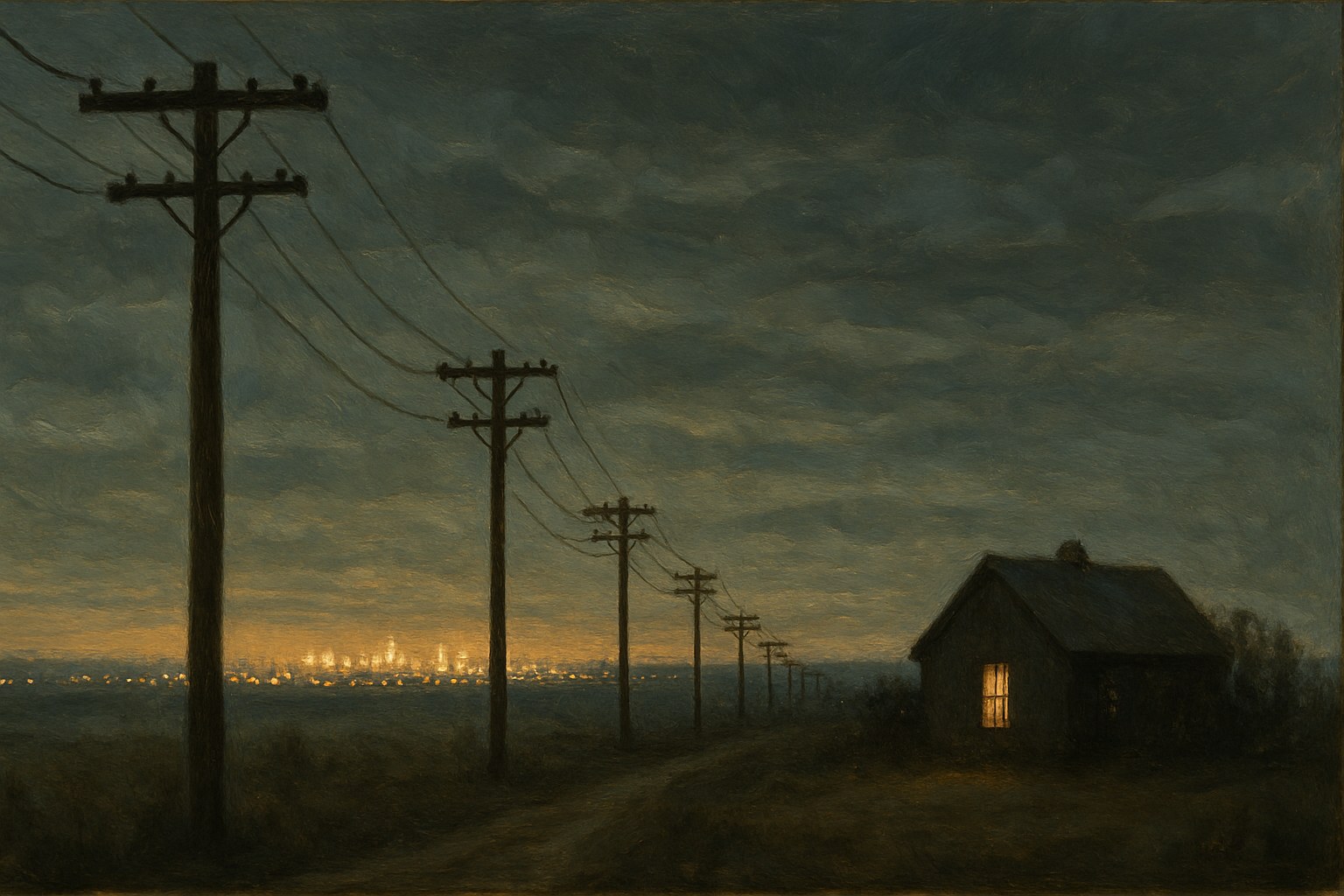
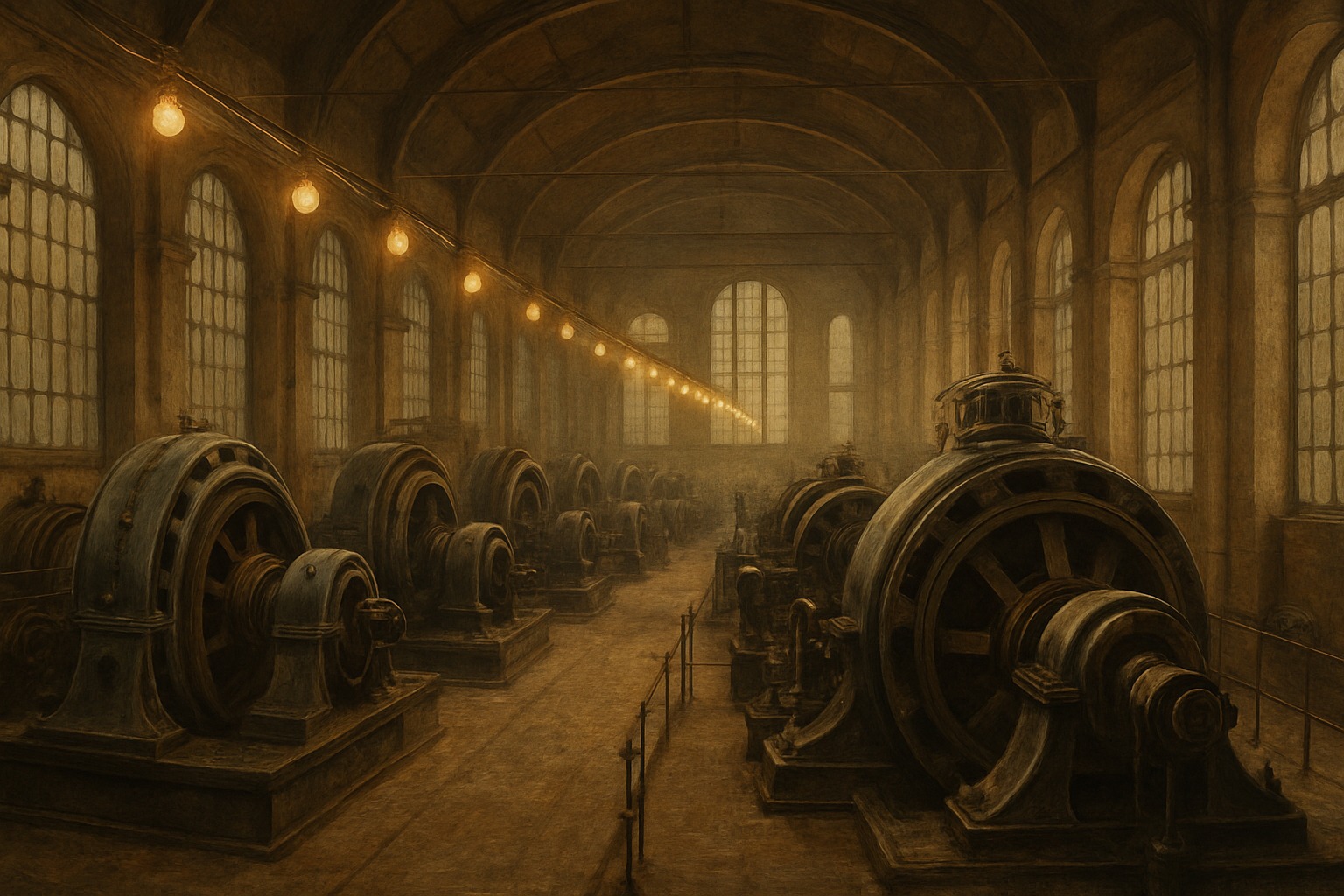
For most of American history, light meant fire. Cities burned coal gas in open jets that blackened the ceilings, farms burned kerosene, and everything a person could do after sundown was limited by what a flame could safely be asked to do. Within seventy years of Edison switching on a converted building at 255 Pearl Street, the country had rebuilt its factories around individual motors, detached the working day from daylight, and reorganized the household around machines that ran on current. Electricity is the rare technology whose arrival can be dated and whose consequences reached everything.
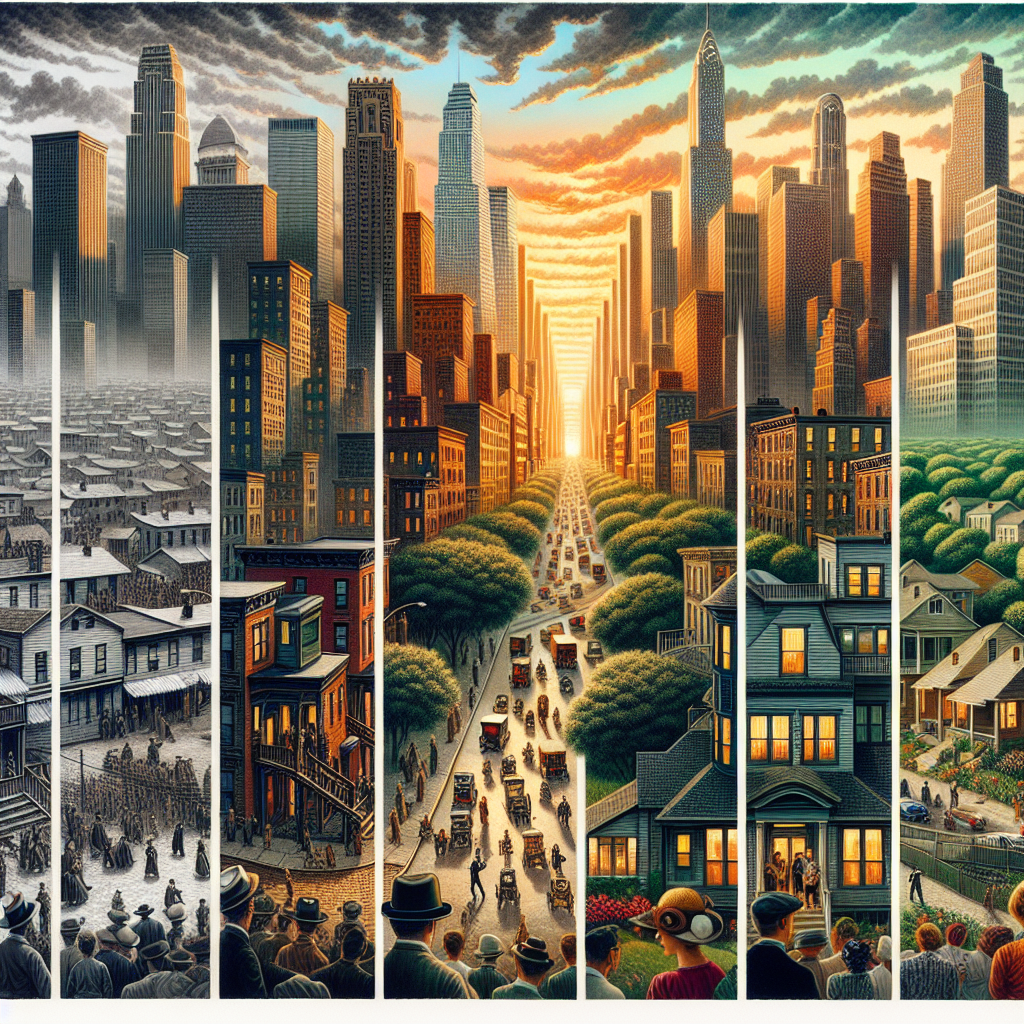
This guide follows that arrival in sequence — the industrial and communications world that preceded it, the inventors and financiers who built the first systems, the bitter contest between direct and alternating current that decided how the power would travel, the half-century of wiring that finally reached the farms, and the strange dependency of living on a machine that spans a continent and cannot store what it makes. The rural half of the story matters as much as the urban one, because the fifty-year gap between them shaped American life on both sides of it.
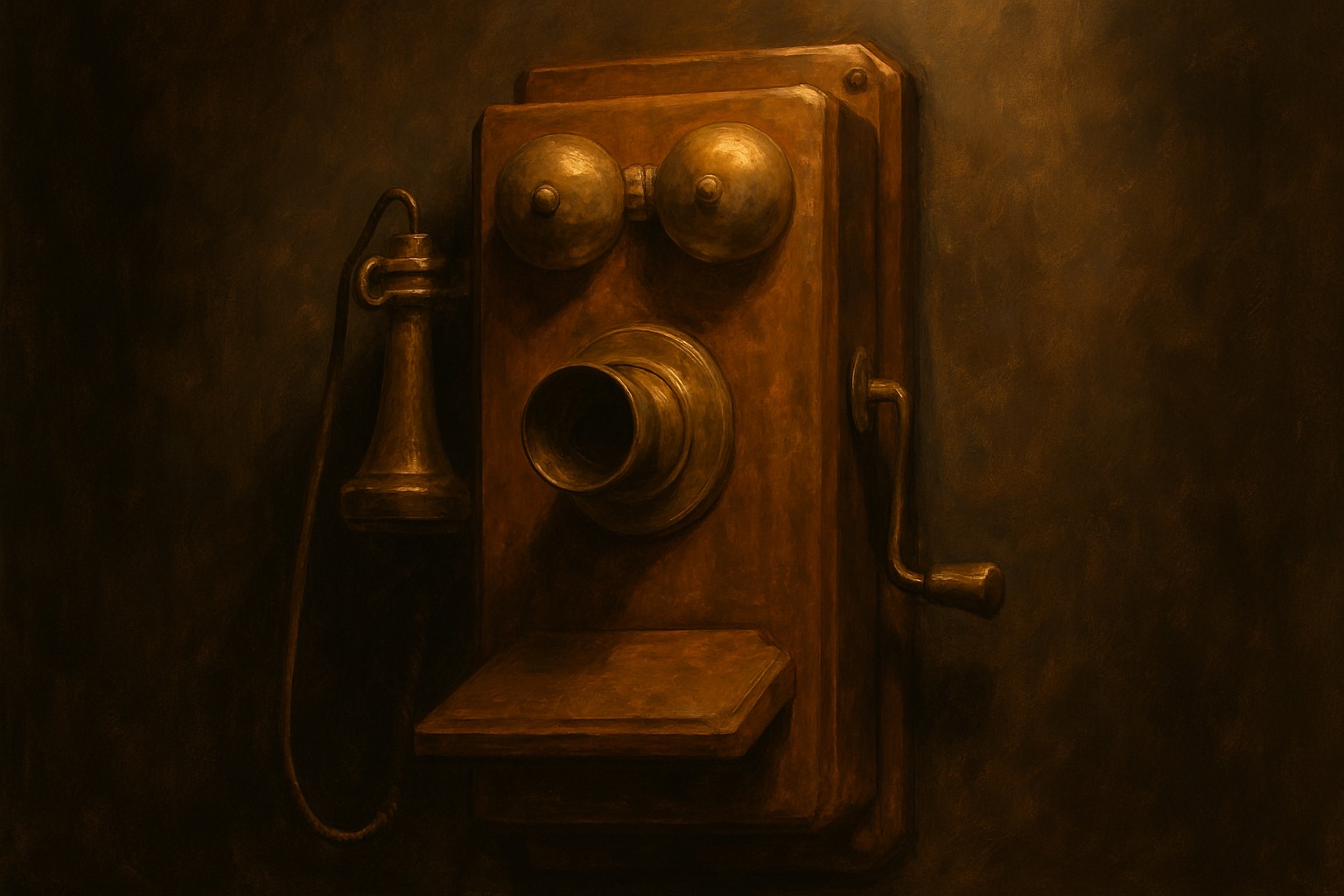
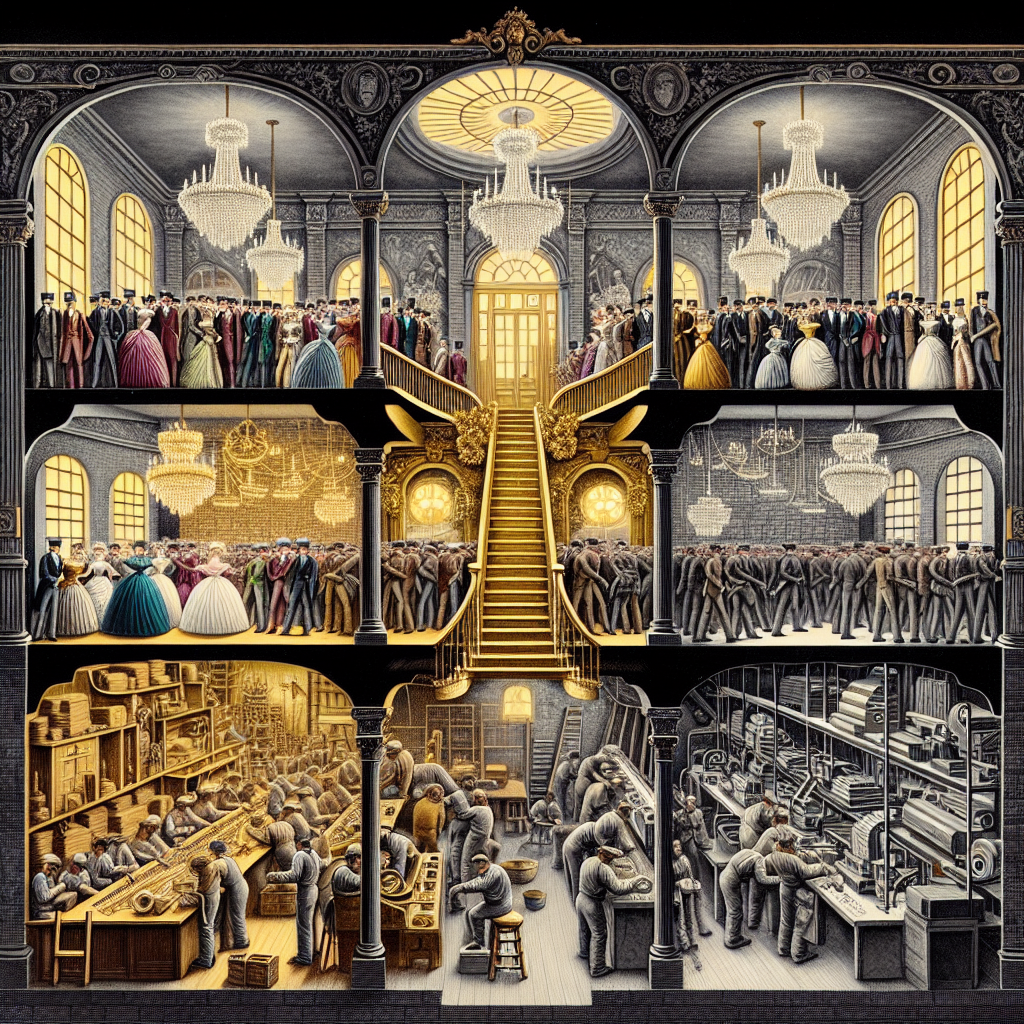
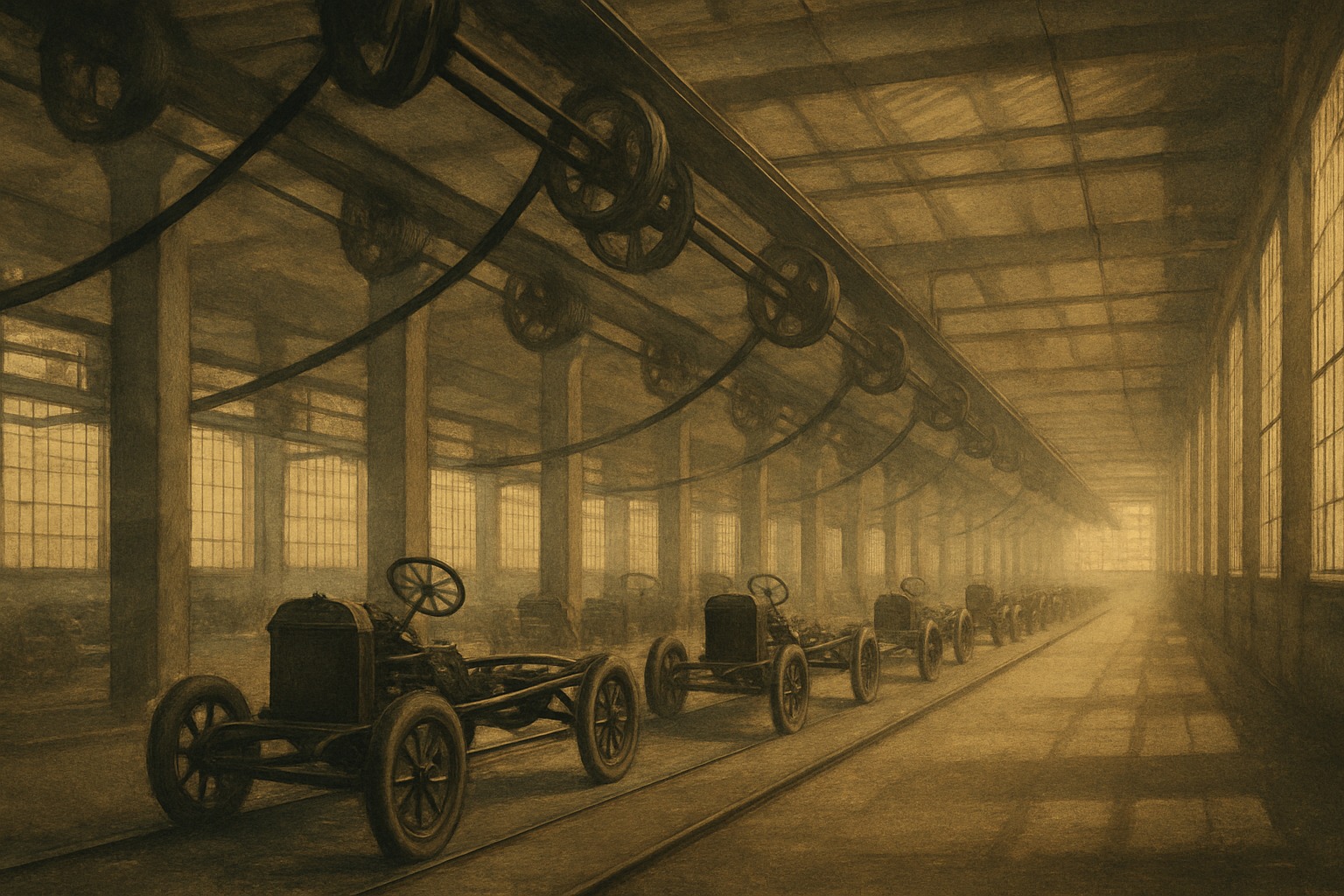
Electricity did not arrive in an empty country. It arrived in one already remade by steam, already threaded with telegraph wire, and already crowded into cities that had outgrown the technologies keeping them lit and moving. The industrial economy of the 1870s had the capital, the engineering culture, and the concentrated demand that a central power station needed to make sense. What it lacked was a way to send energy down a wire and charge for it.
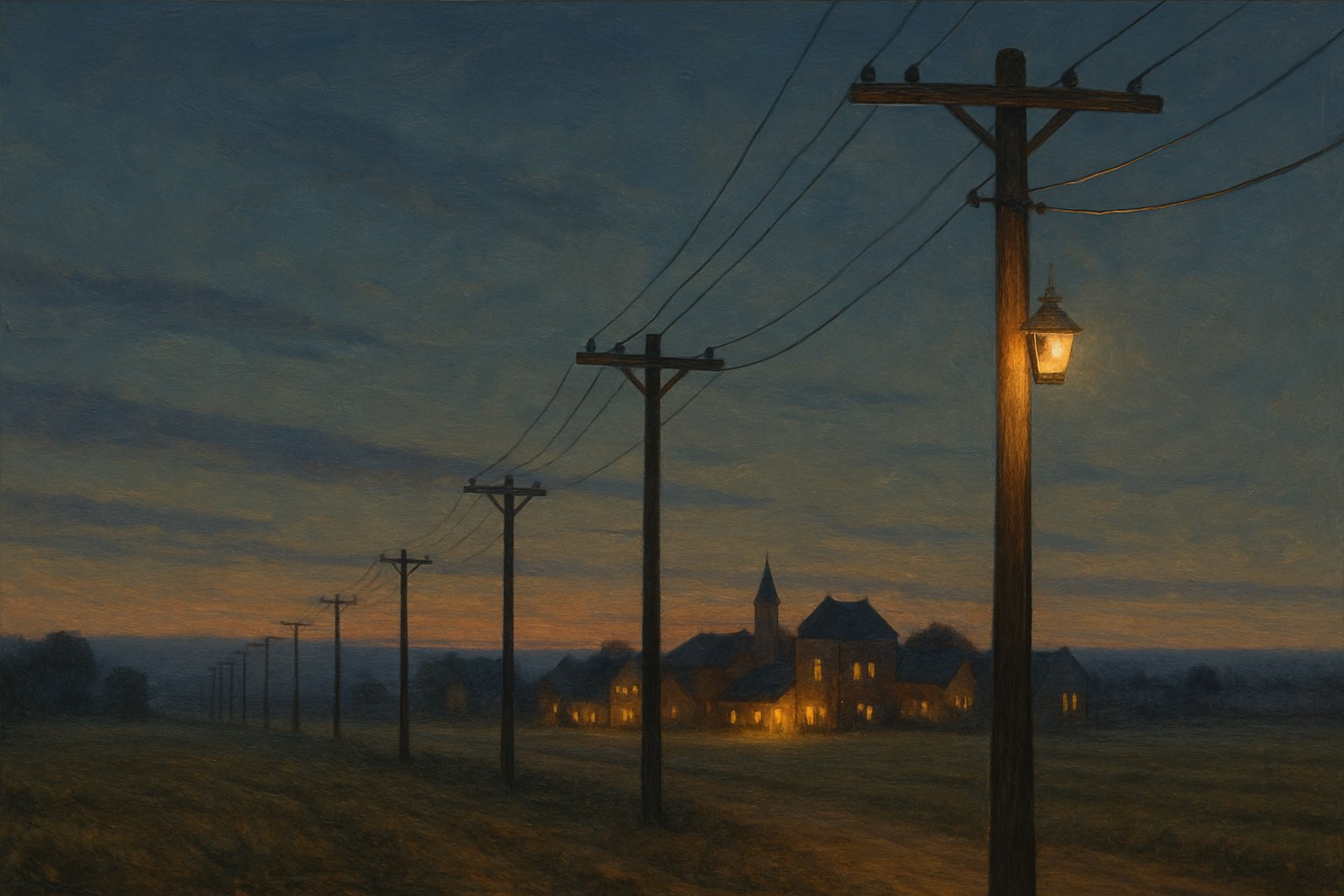
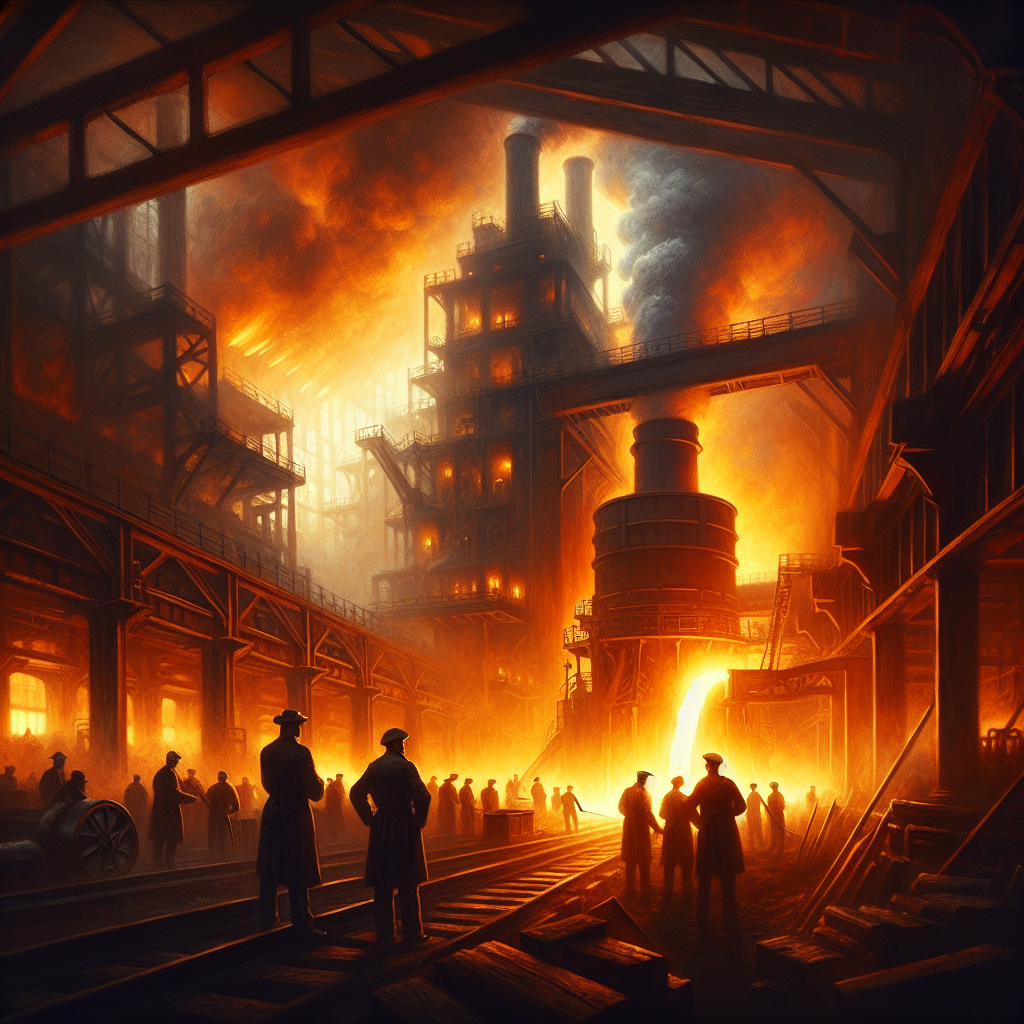
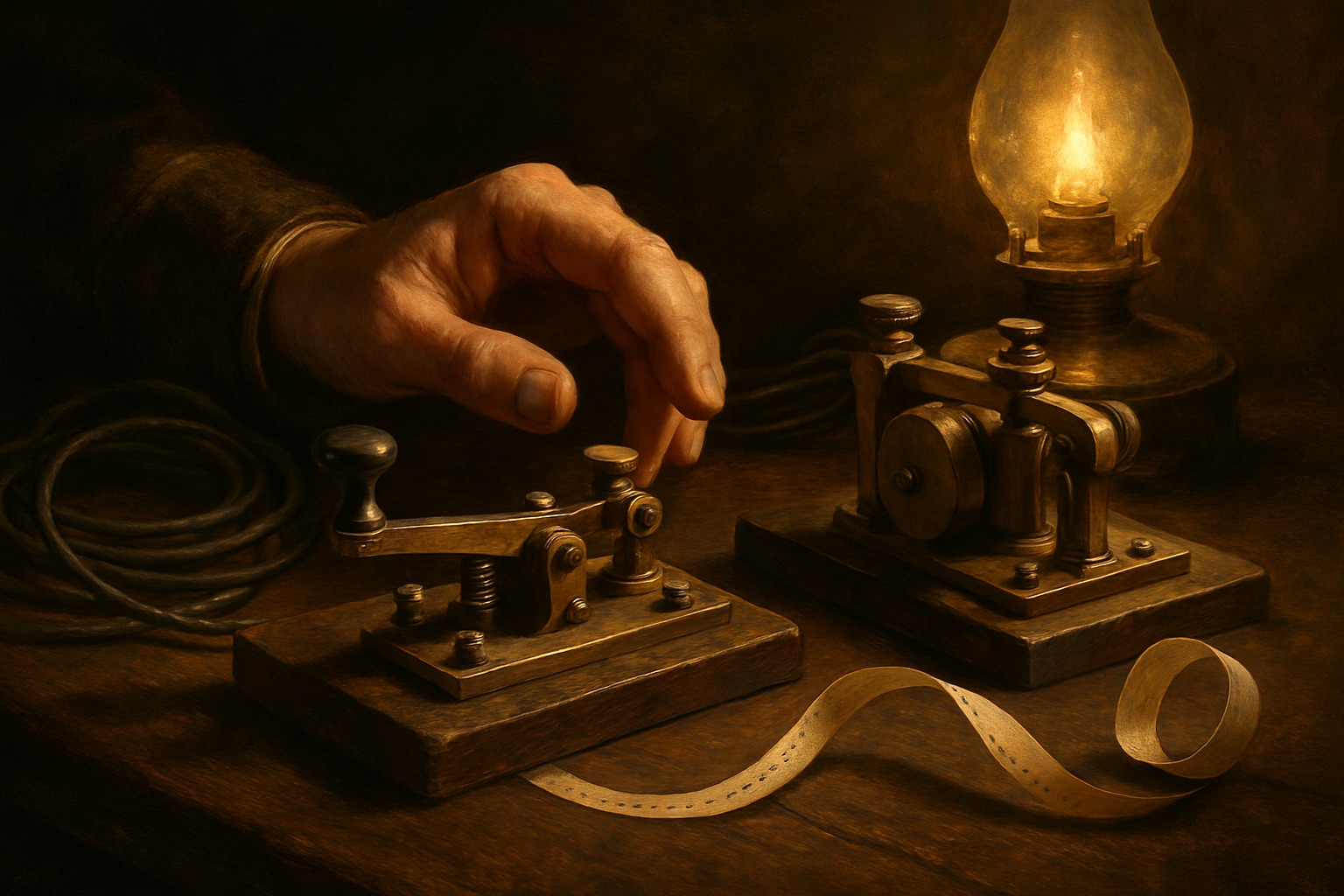
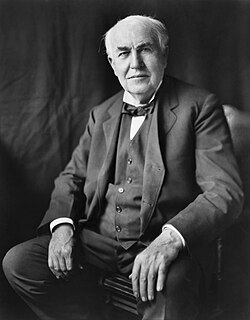
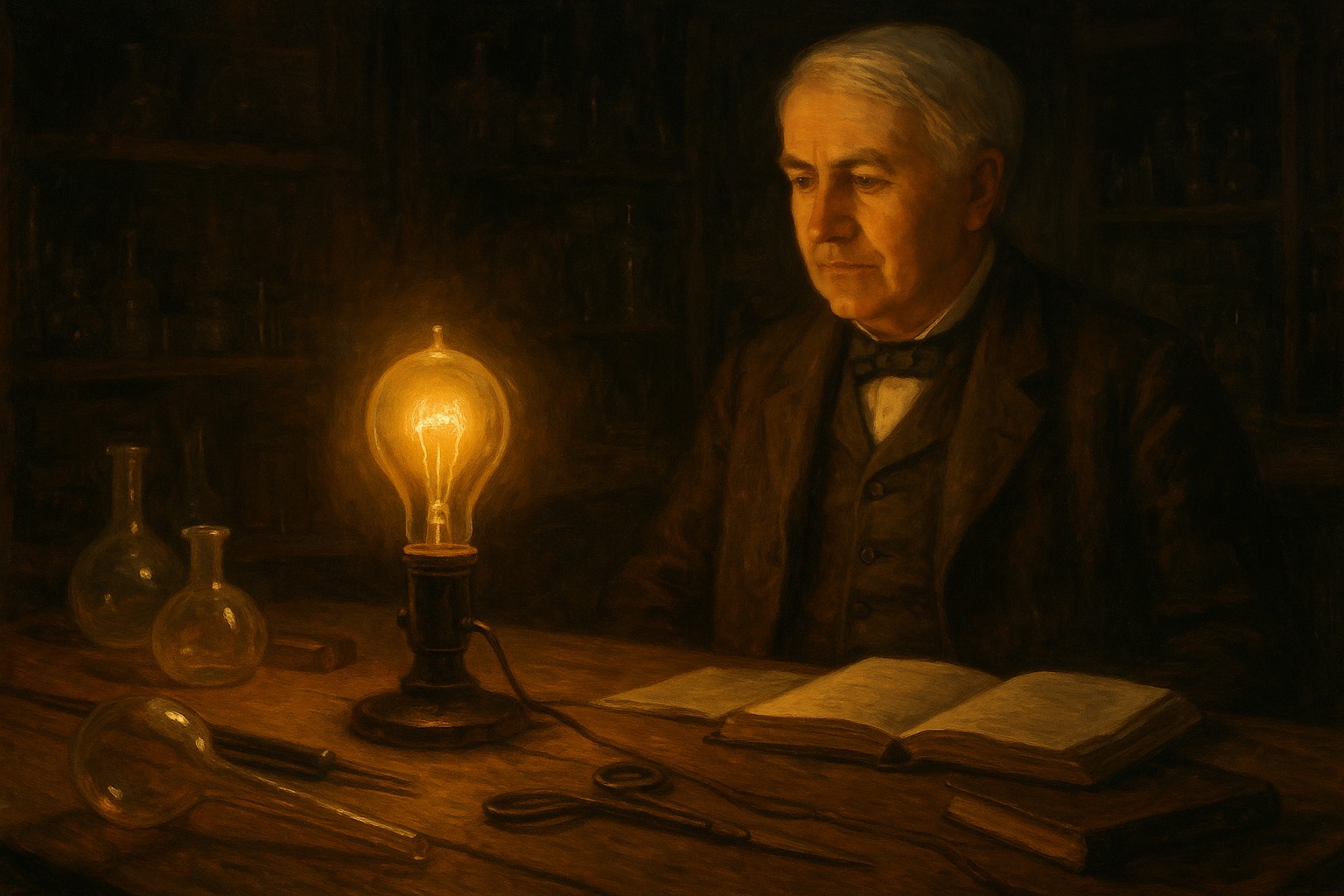
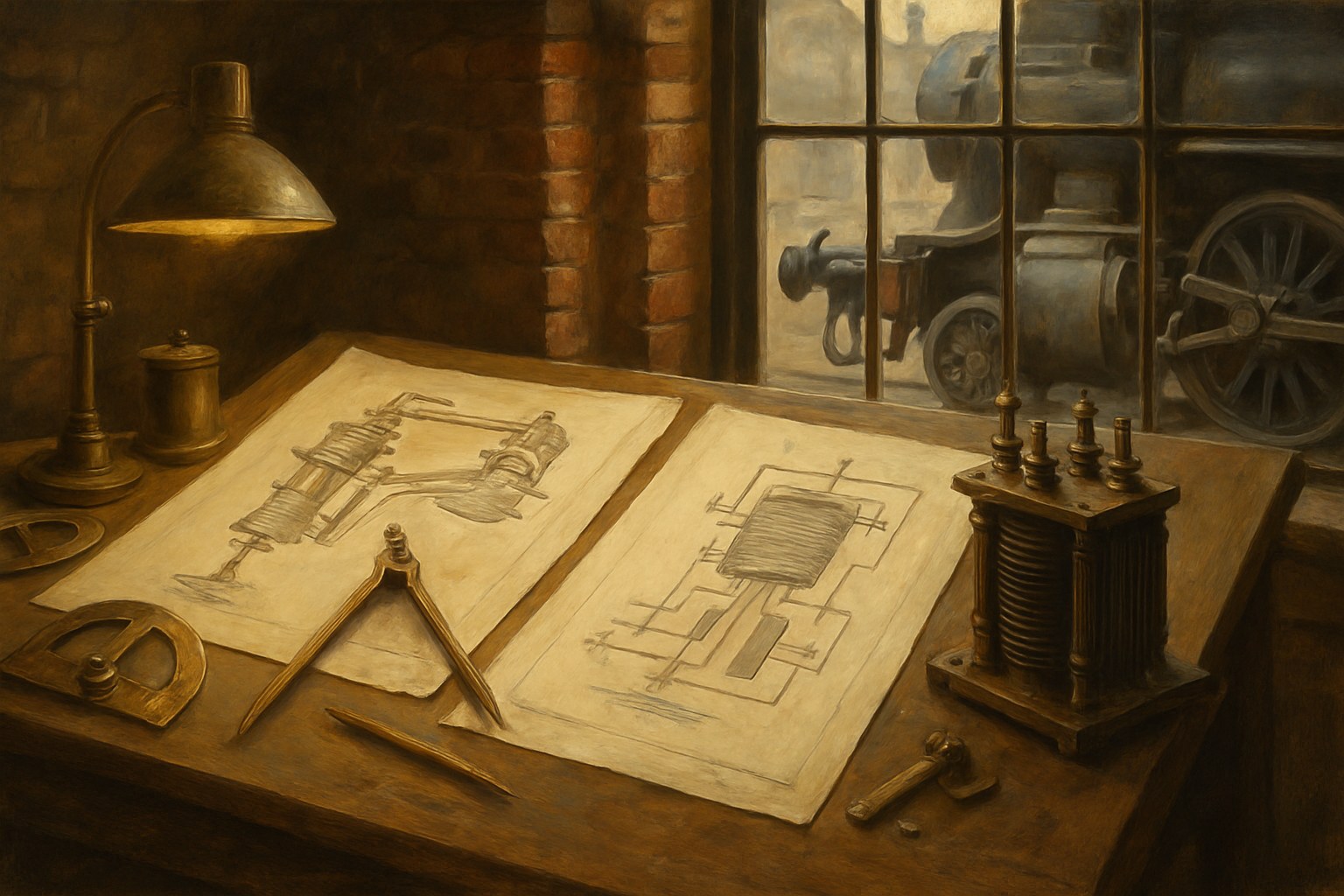
The famous names of early electricity were not solitary geniuses in garrets. Edison ran an industrial research laboratory with dozens of employees and a financier's backing, and his real achievement was the system rather than the lamp. Tesla supplied the piece Edison's system could not — a motor that would run on alternating current — and both men worked inside a dense network of patents, machine shops, and investors racing toward the same prize.
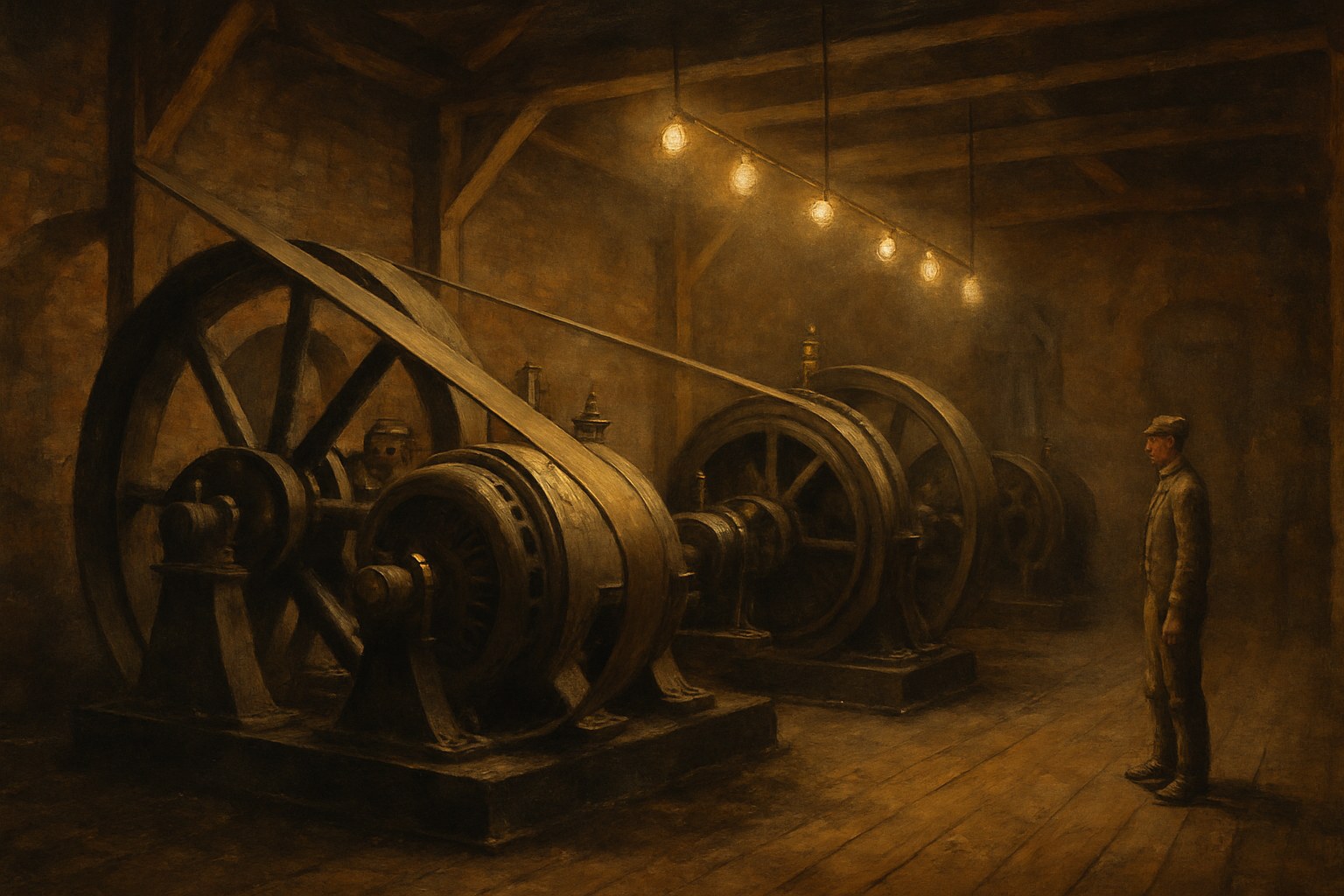
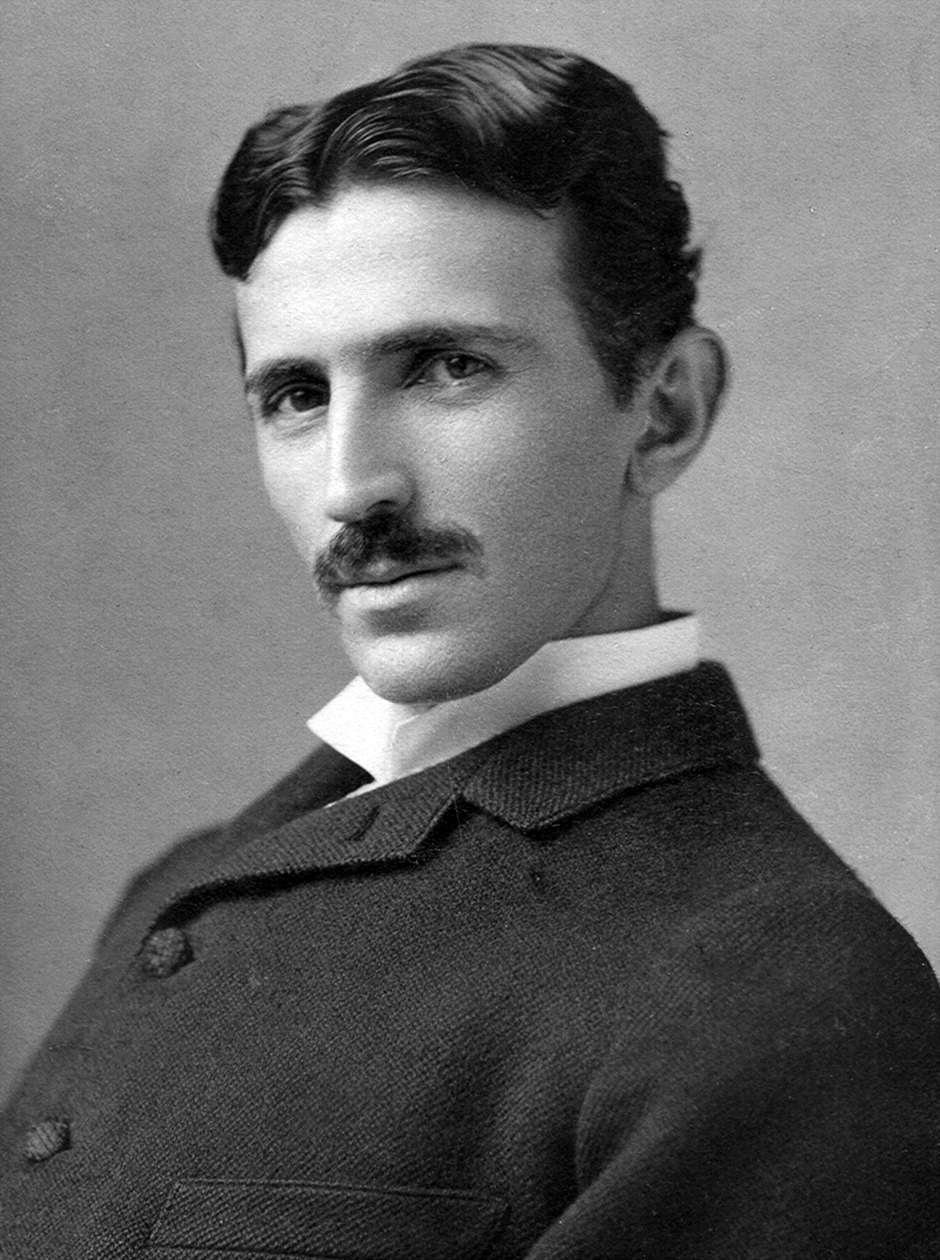
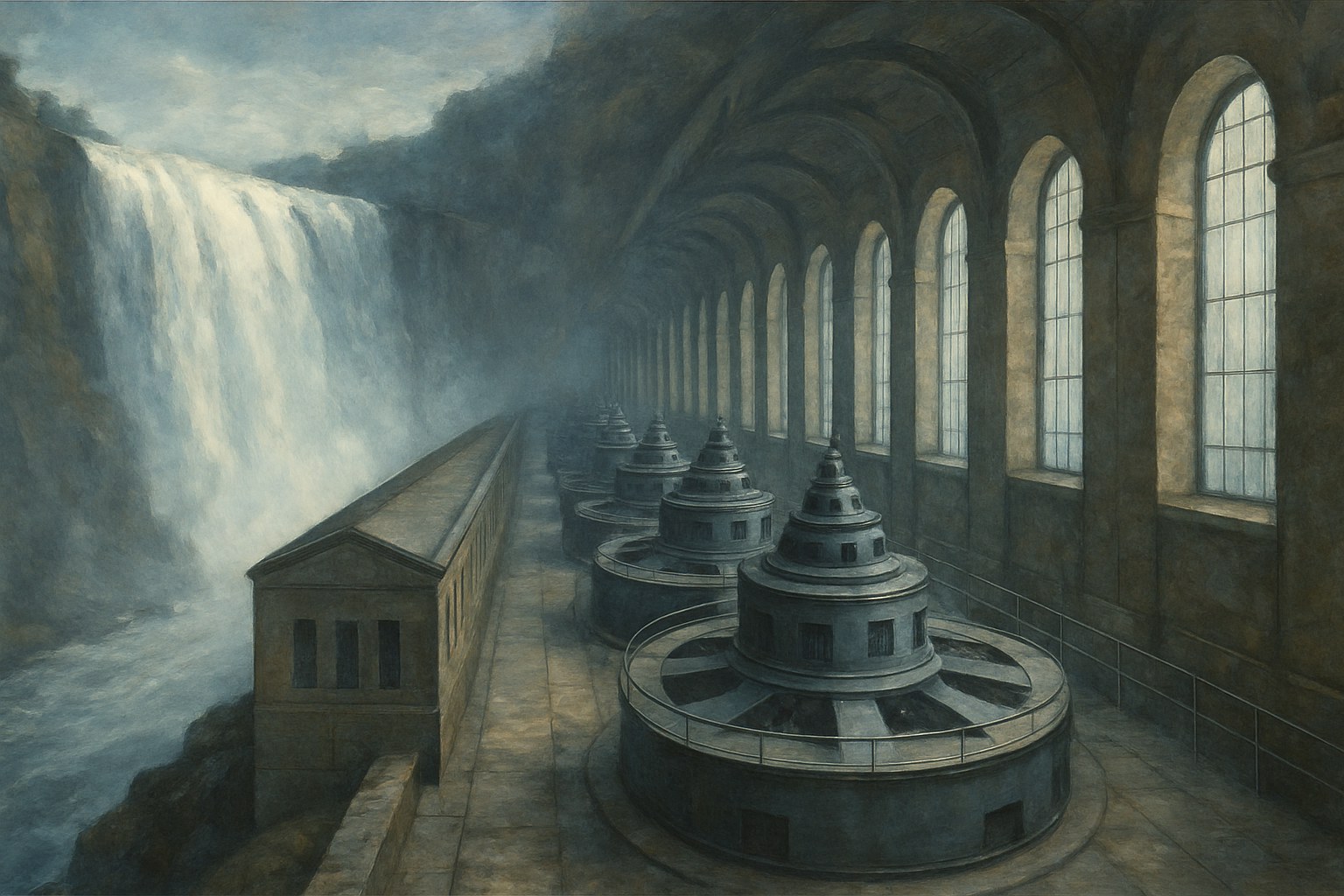
Between 1886 and 1893 the industry fought over which kind of current would carry the country. The engineering answer was never really in doubt once transformers worked, because only alternating current could travel far enough to put generators where the fuel or the water was. The fight that people remember was the publicity campaign fought alongside it, over electrical danger and the electric chair, and it ended at a world's fair and a waterfall.
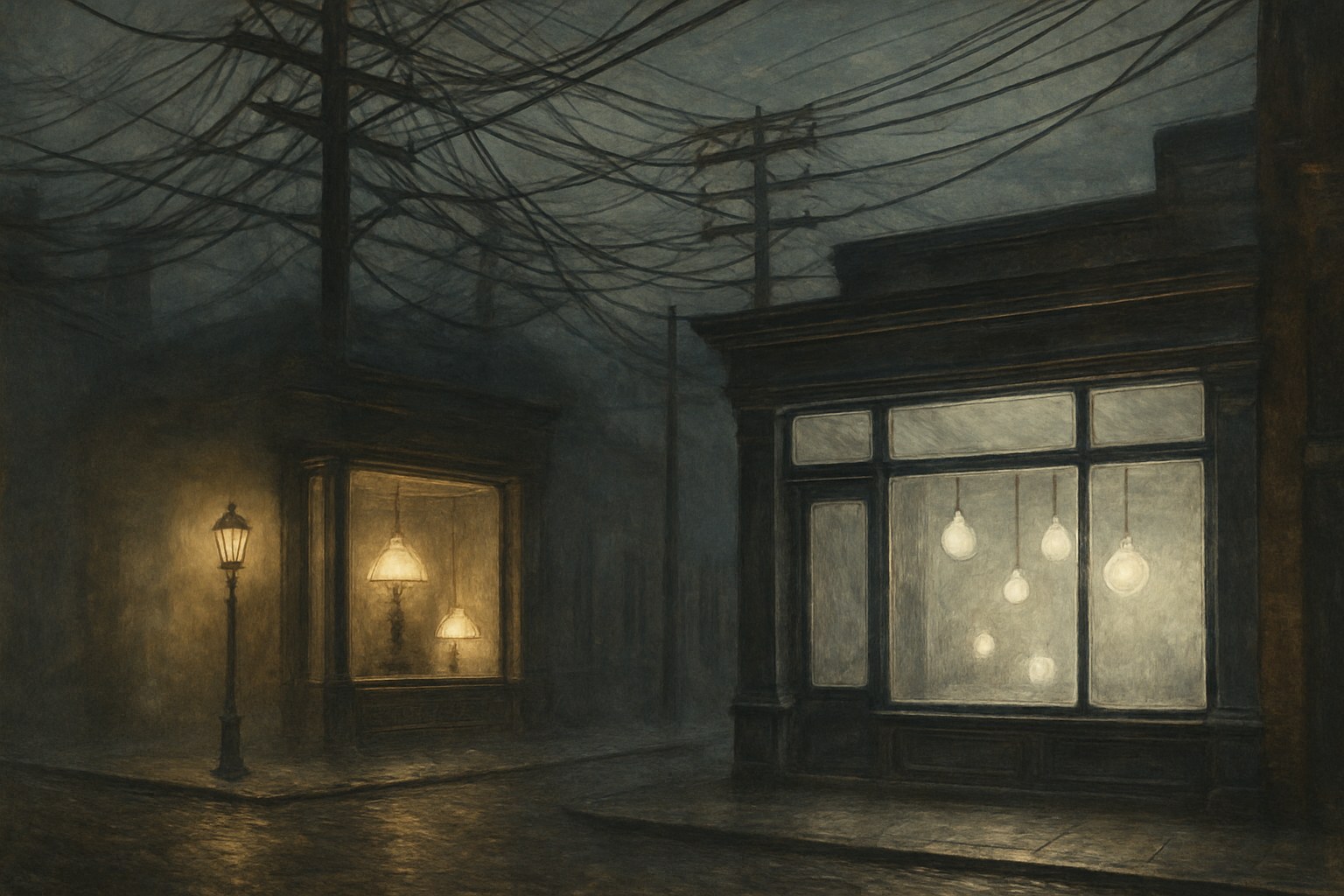
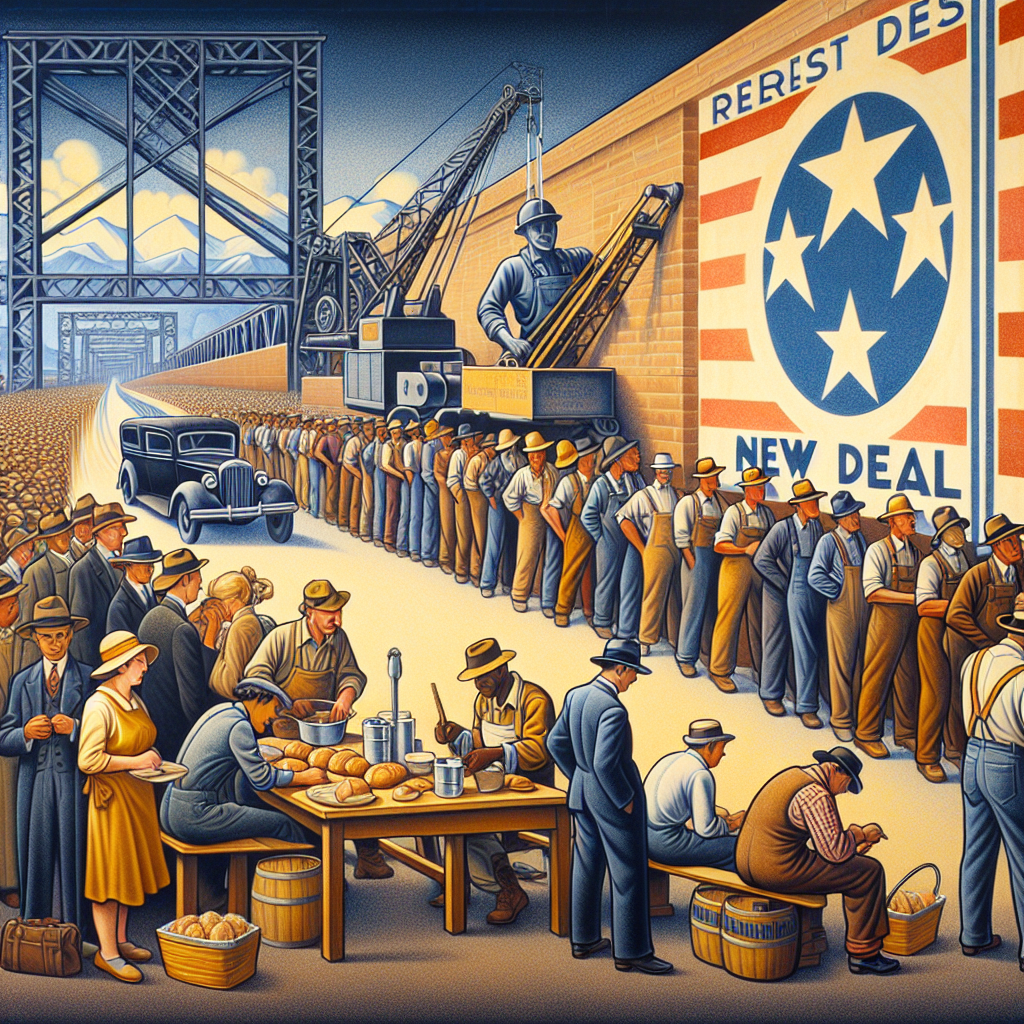
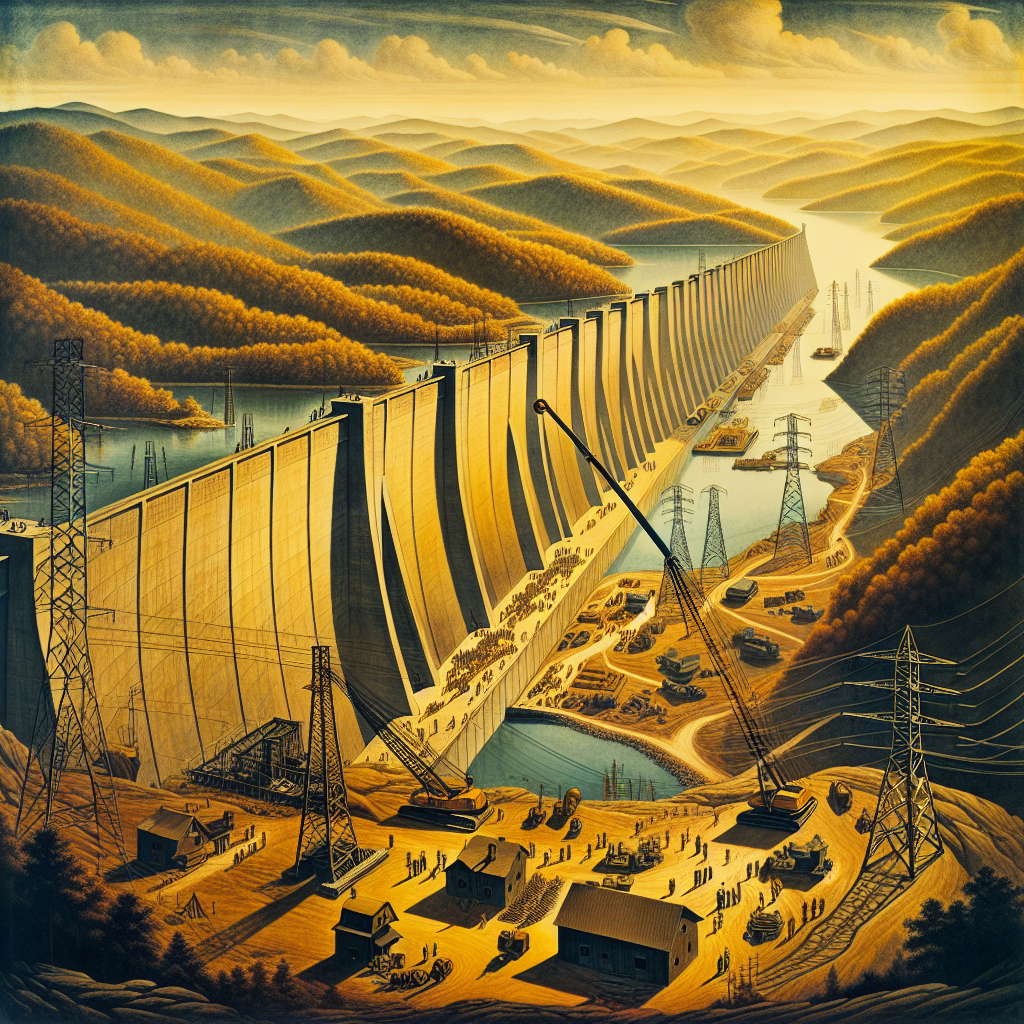
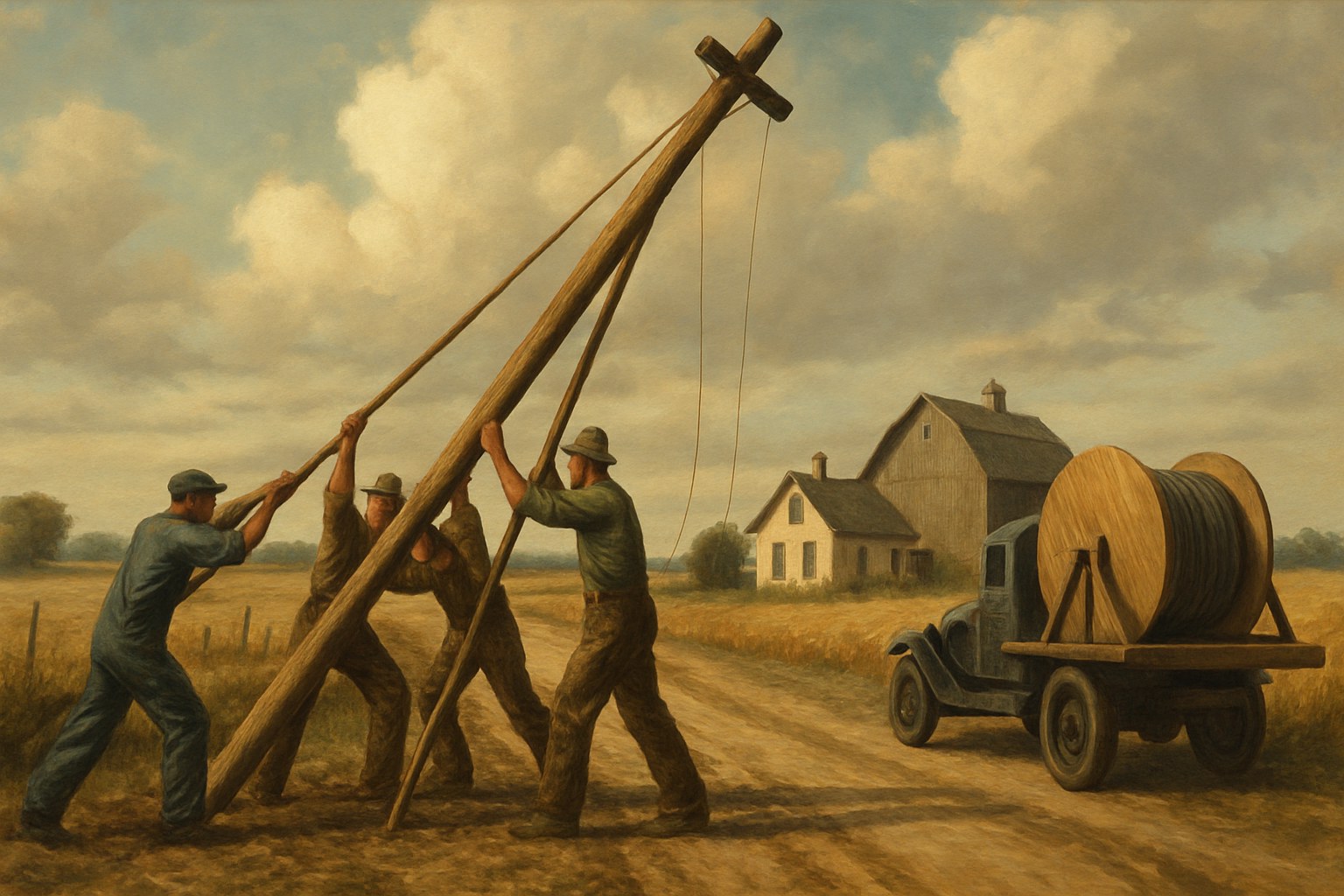
Winning the technical argument was the easy part. Turning scattered local stations into an interconnected system took forty years of consolidation, a regulatory bargain that traded monopoly for oversight, and a holding-company boom that ended in scandal. Reaching the farms took something else entirely — a federal lending agency and thousands of cooperatives, because no private company could make the arithmetic of a rural line work.
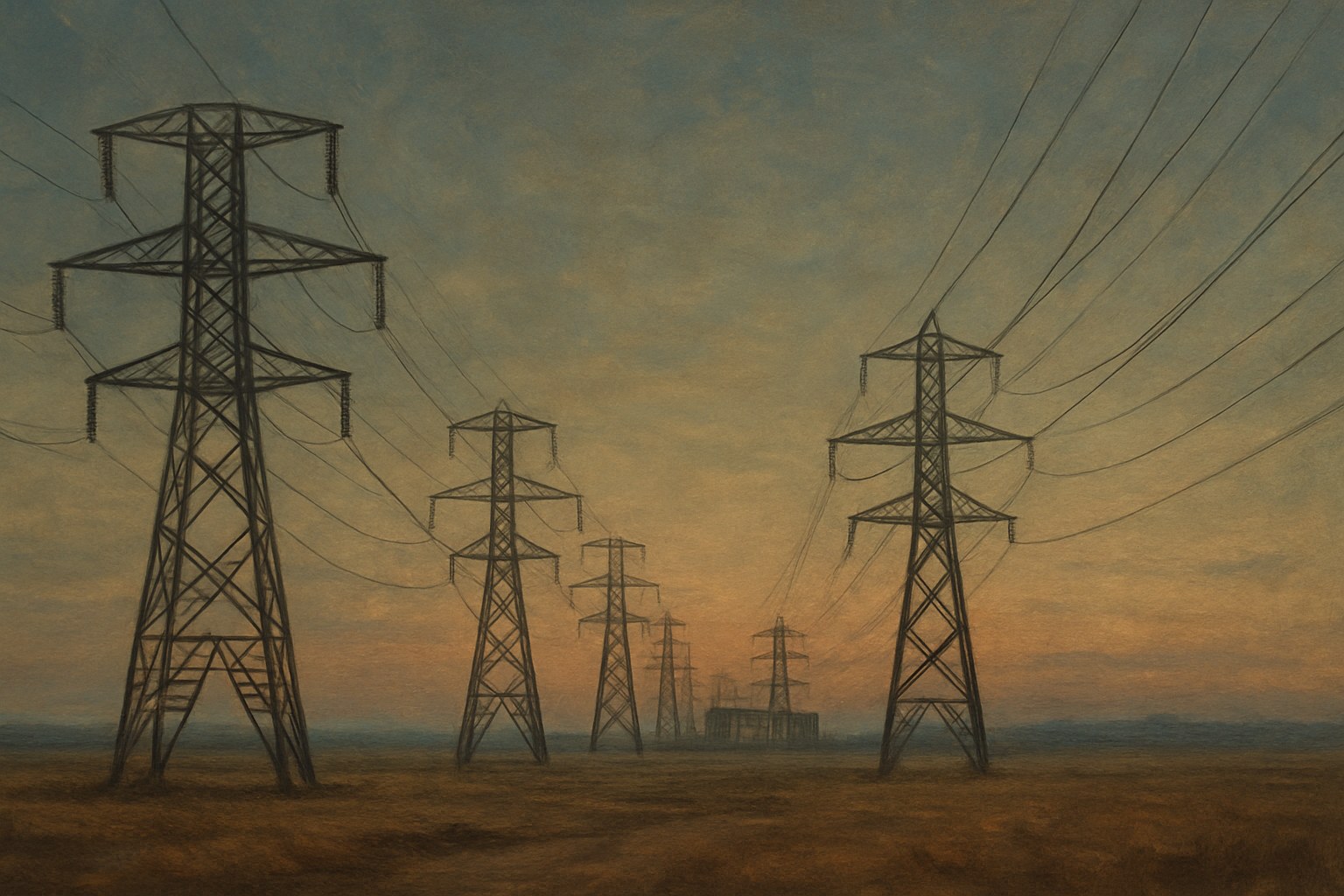
Once the current was everywhere it stopped being visible, which is the surest sign of a technology's success and the source of its danger. Factories, homes, hospitals, and eventually computers were all built on the assumption that power simply arrives. The blackouts and accidents that followed were not failures of a marginal system but of the substrate everything else rests on.


The pattern here repeats through American technological history — a rapid urban adoption driven by private capital, a rural gap that only public money closed, and a system that grew so interconnected that its cheapness and its fragility became the same fact. The grid that carried current to a farmhouse in 1940 is the same grid that failed in 1965, and the questions raised then about who builds it, who regulates it, and what happens when it stops have never been settled.