The Power Grid
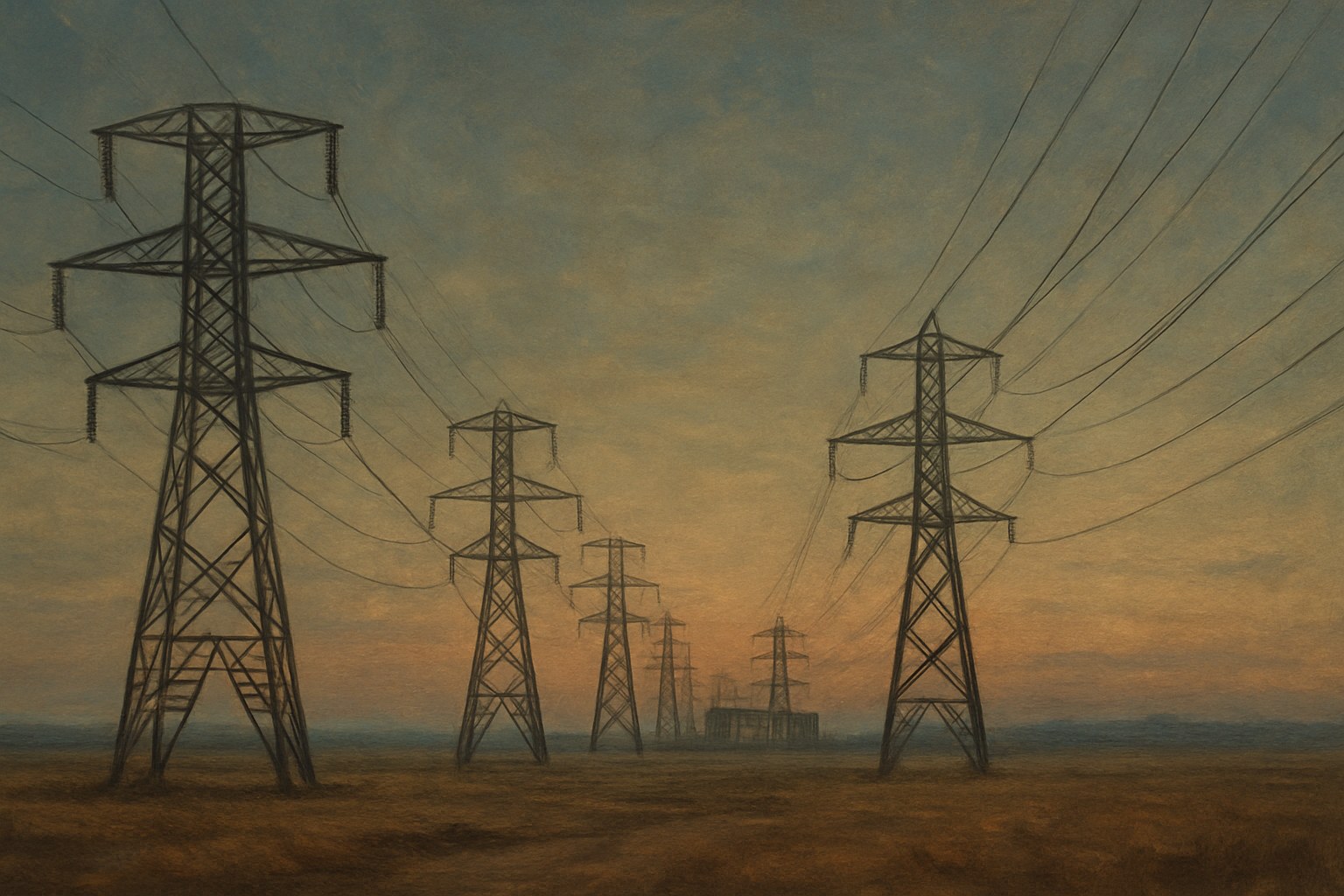
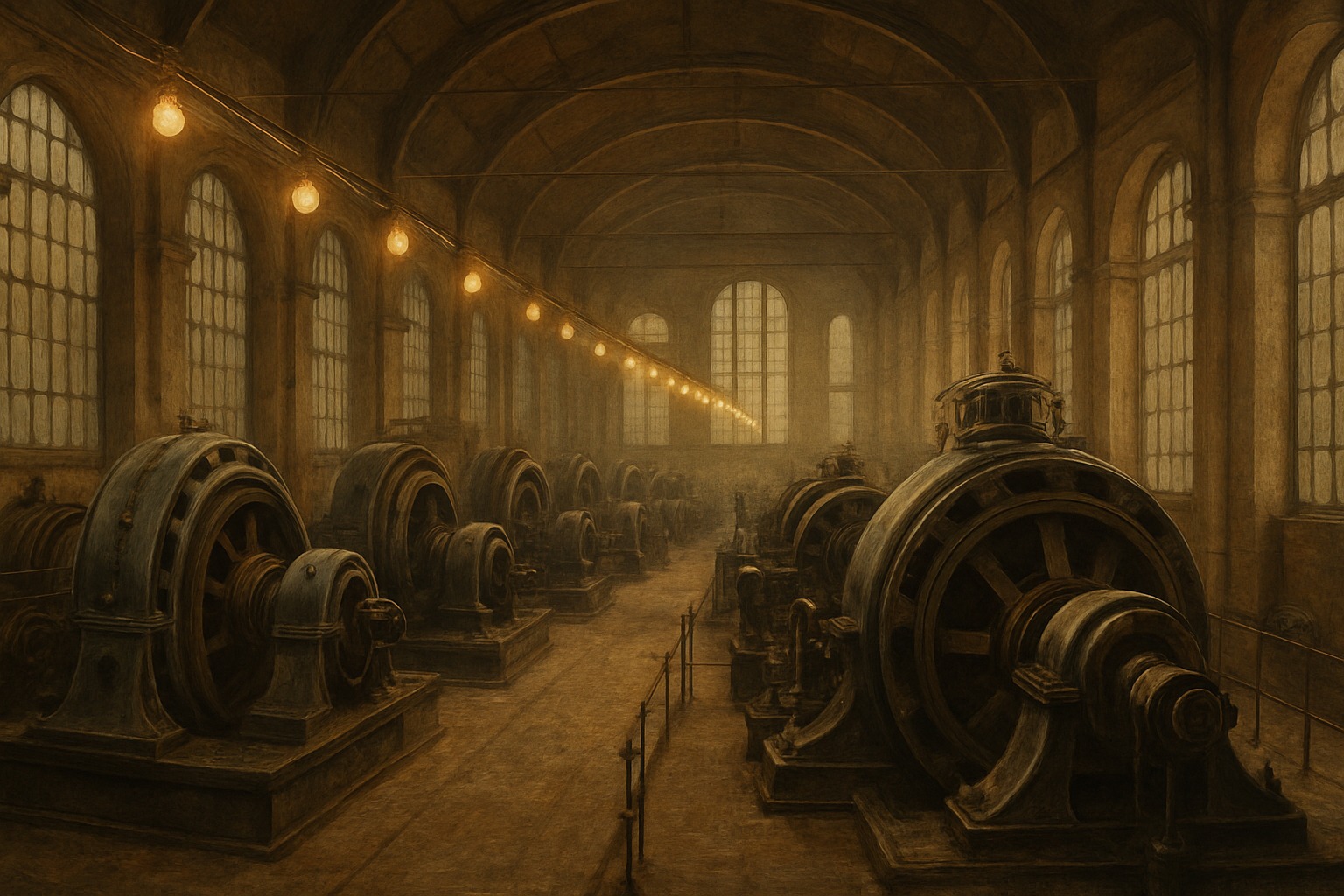
The first electrical era was a patchwork. Hundreds of small companies ran their own generating plants for their own neighborhoods, at whatever voltage and frequency their equipment happened to use, and a factory or a hotel of any size usually just built a plant in the basement. Nothing connected to anything. The technical case for joining them was straightforward once transmission became possible — a big generator is cheaper per unit than a small one, and demand that peaks at different hours in different places can share the same machines instead of each buying its own.
Samuel Insull, who had been Edison's private secretary before taking over Chicago Edison in 1892, turned that arithmetic into an industry. He built ever-larger central stations, pioneering the steam turbine at Fisk Street in 1903, and bought out his competitors to secure the diverse load that kept the turbines busy. He also argued, in a speech to fellow utility men in 1898, that electricity was a natural monopoly and that the industry should accept state regulation of its rates in exchange for exclusive territory. Wisconsin and New York created the first state utility commissions in 1907, and the bargain became the American norm.
Insull's other invention aged worse. He stacked operating utilities under layers of holding companies until his pyramid controlled a tenth of the nation's output, and when it collapsed in 1932 it wiped out small investors and made him a symbol of the crash. He was tried for fraud and acquitted, and Congress broke up the pyramids with the Public Utility Holding Company Act of 1935. Meanwhile the wires kept joining. By the 1960s and 1970s the continent had consolidated into three vast synchronized machines — the Eastern Interconnection, the Western Interconnection, and Texas, which stayed separate in large part to remain outside federal jurisdiction.
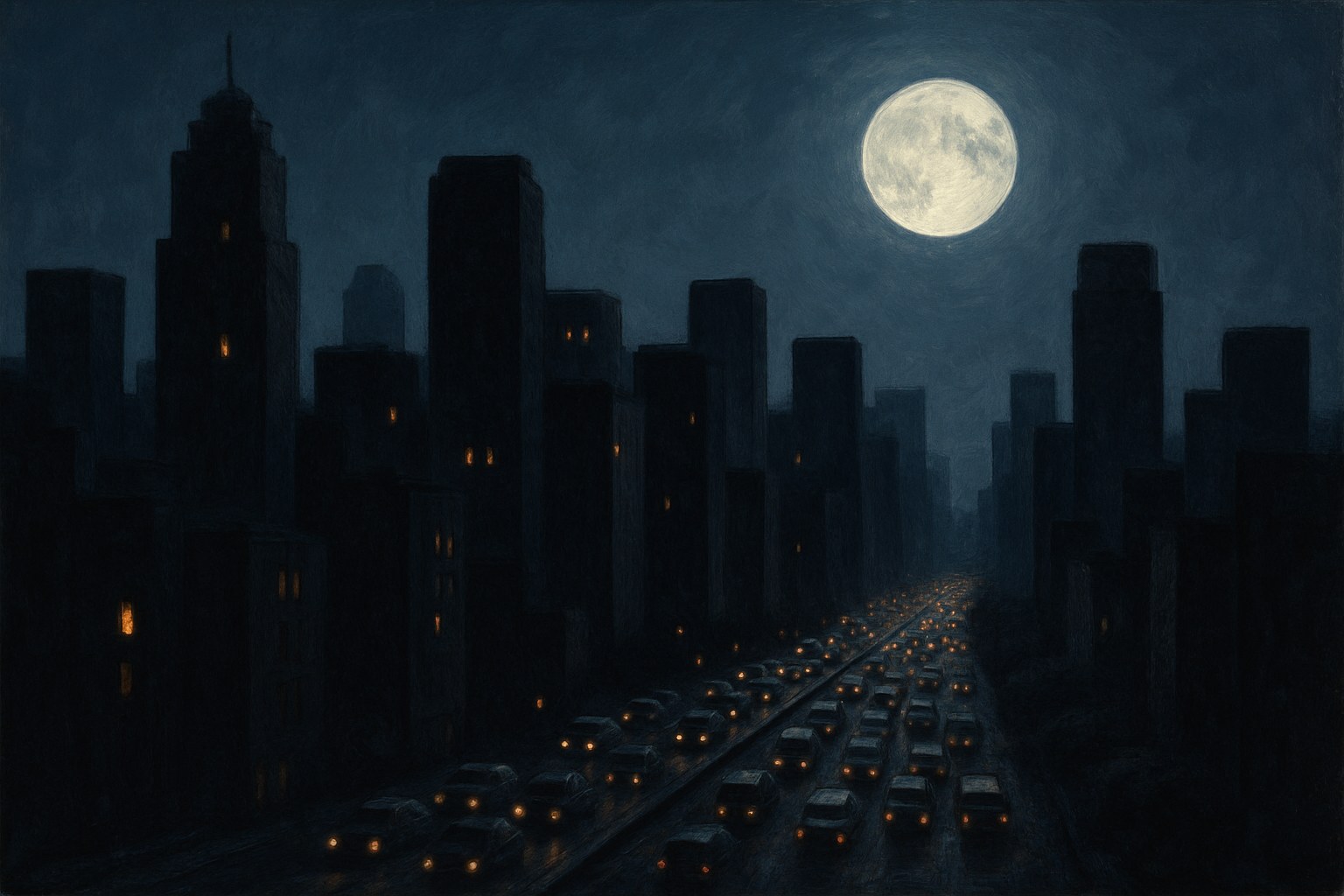
Interconnection buys reliability and cheapness at the price of a new kind of failure. Every generator on an interconnection spins in step at sixty cycles, so a disturbance anywhere is felt everywhere within moments, and a single mis-set relay or an untrimmed tree can start a cascade that outruns human reaction. The blackouts of 1965, 1977, 1996, and 2003, and the Texas freeze of 2021, were all versions of the same lesson. The grid is often described as the largest machine ever built, and it has to be kept in balance second by second, because electricity is still the one commodity that must be produced at the instant it is used.
| Began as | Hundreds of unconnected local generating stations |
| Key figure | Samuel Insull of Chicago Edison |
| The bargain | Regulated rates in exchange for monopoly territory, from 1907 |
| Holding companies | Broken up by the Public Utility Holding Company Act of 1935 |
| Interconnections | Eastern, Western, and Texas — synchronized at 60 cycles |
| Weakness | Cascading failure faster than human reaction |
| Date | 1882-present |