The Rural Electrification Administration
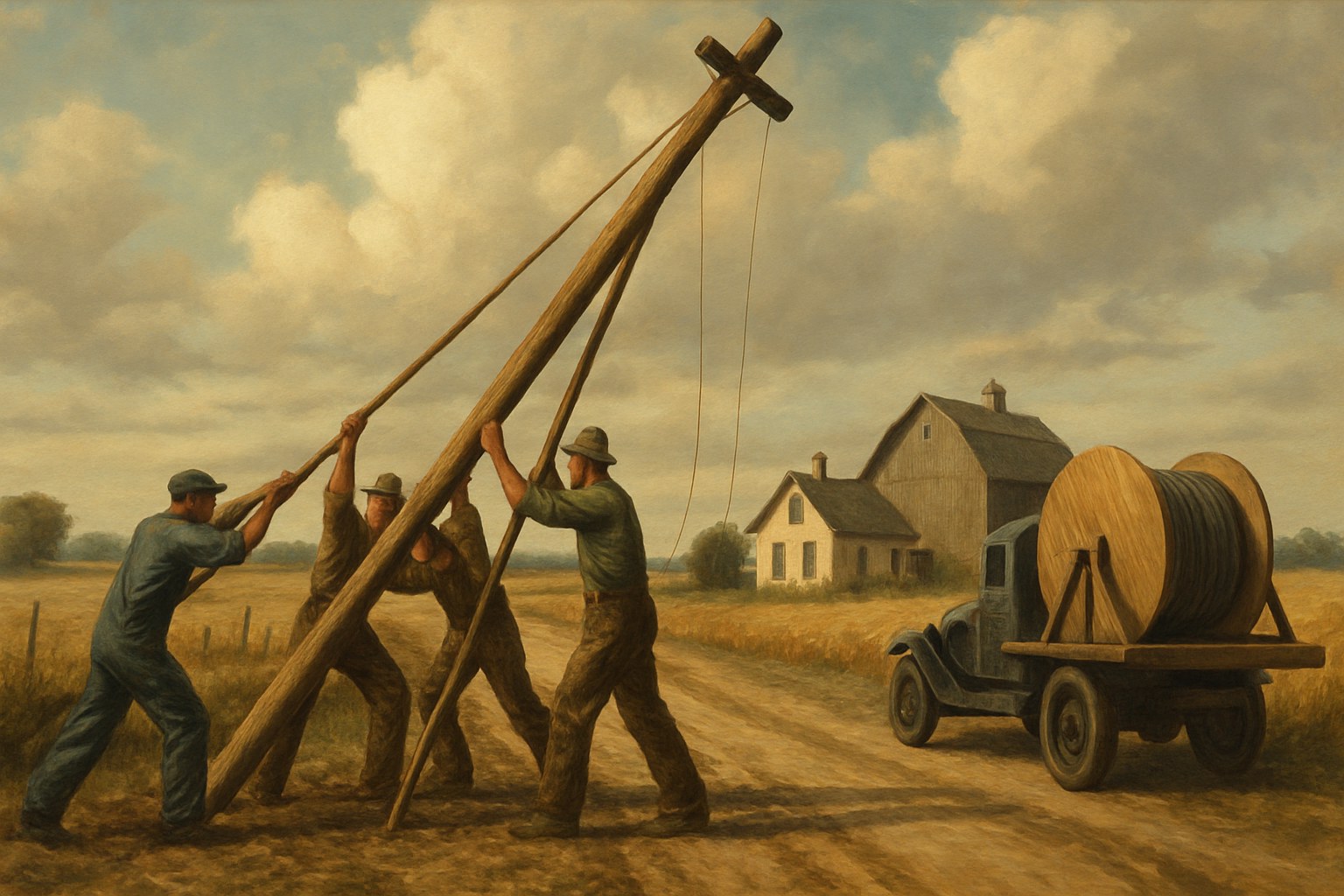
By the mid-1930s the American city was a place of electric light, radios, and refrigerators, and the American farm was not. Roughly one farm in ten had central-station service. The private utilities were not being irrational in refusing to build the lines — a mile of rural distribution might serve three customers instead of three hundred, and the companies quoted farmers construction costs of two thousand dollars a mile and asked them to pay it up front. The result was a country living in two different centuries a few miles apart.
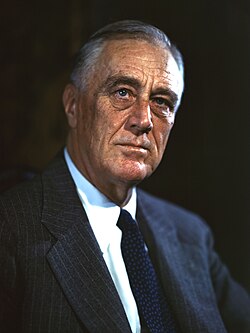
Franklin Roosevelt, who had been startled by his own electric bill at Warm Springs, created the Rural Electrification Administration by executive order in May 1935 and put the engineer Morris Cooke in charge. Congress made it a permanent lending agency with the Rural Electrification Act of 1936. The REA did not build anything itself. It lent money at low interest over long terms, first offering the loans to the private utilities and, when they mostly declined, to farmer-owned cooperatives that organized county by county, signed up their neighbors, and built the lines themselves for a fraction of the utilities' estimates.
The cooperatives spread quickly. By 1939 more than four hundred of them were serving a quarter of a million households, and REA field agents traveled with demonstration trailers showing farm families what a motor or a milking machine could do. Progress stalled during the war and resumed with force after it. About four farms in five had power by 1950, and by 1960 the job was essentially finished — one of the more complete reversals any American agency has managed.
What the current changed was labor. An electric pump ended the hauling of water, which on a Texas hill-country farm could mean a woman carrying tons of it a year from the well to the house. Refrigeration changed what a family could keep and sell, motors took over the churning and the pumping and the sawing, and the washing machine and the iron rearranged a week of household work. Electricity also accelerated the consolidation of farming itself, since machinery favored larger operations. The cooperatives the REA created still deliver power across most of the land area of the United States.

| Created | Executive order, May 11, 1935 |
| Made permanent | The Rural Electrification Act of 1936 |
| First administrator | Morris L. Cooke |
| Method | Low-interest loans to farmer-owned cooperatives |
| Farms wired | About 10% in 1935, roughly 80% by 1950, nearly all by 1960 |
| Successor | Folded into the Rural Utilities Service in 1994 |
| Date | Created May 1935 |
| Location | Washington, D.C. |