George Westinghouse
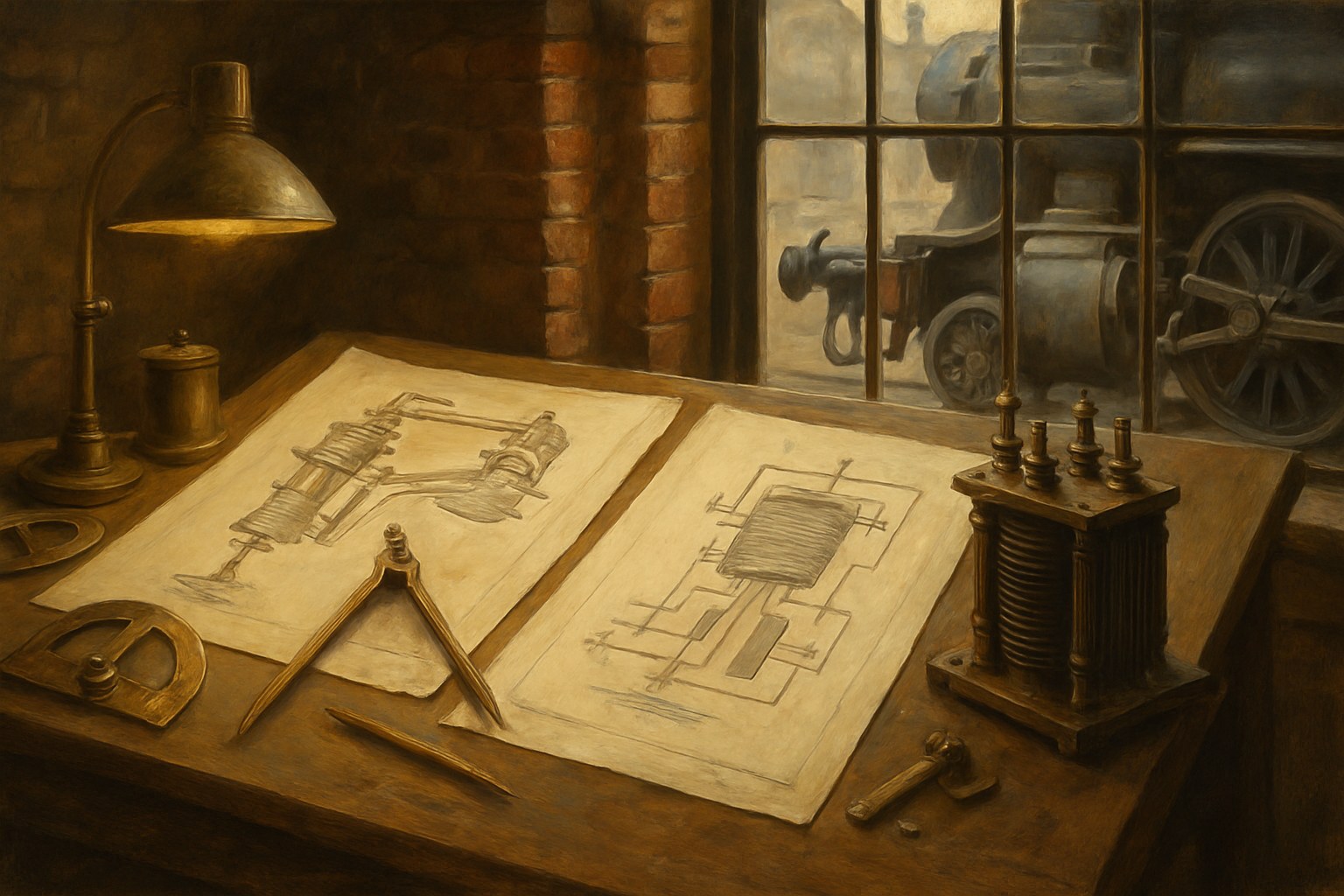
Nineteenth-century railroads stopped by having brakemen scramble along the roofs of moving cars and crank down handbrakes one by one, on a signal from the whistle, which is why collisions and runaways killed so routinely. A young machinist from upstate New York, back from service in the Union army and navy, patented a brake in 1869 that used compressed air to work every car in a train at once from the engineer's hand. George Westinghouse was twenty-two. The air brake made him rich, and a federal safety law in 1893 eventually made it compulsory.
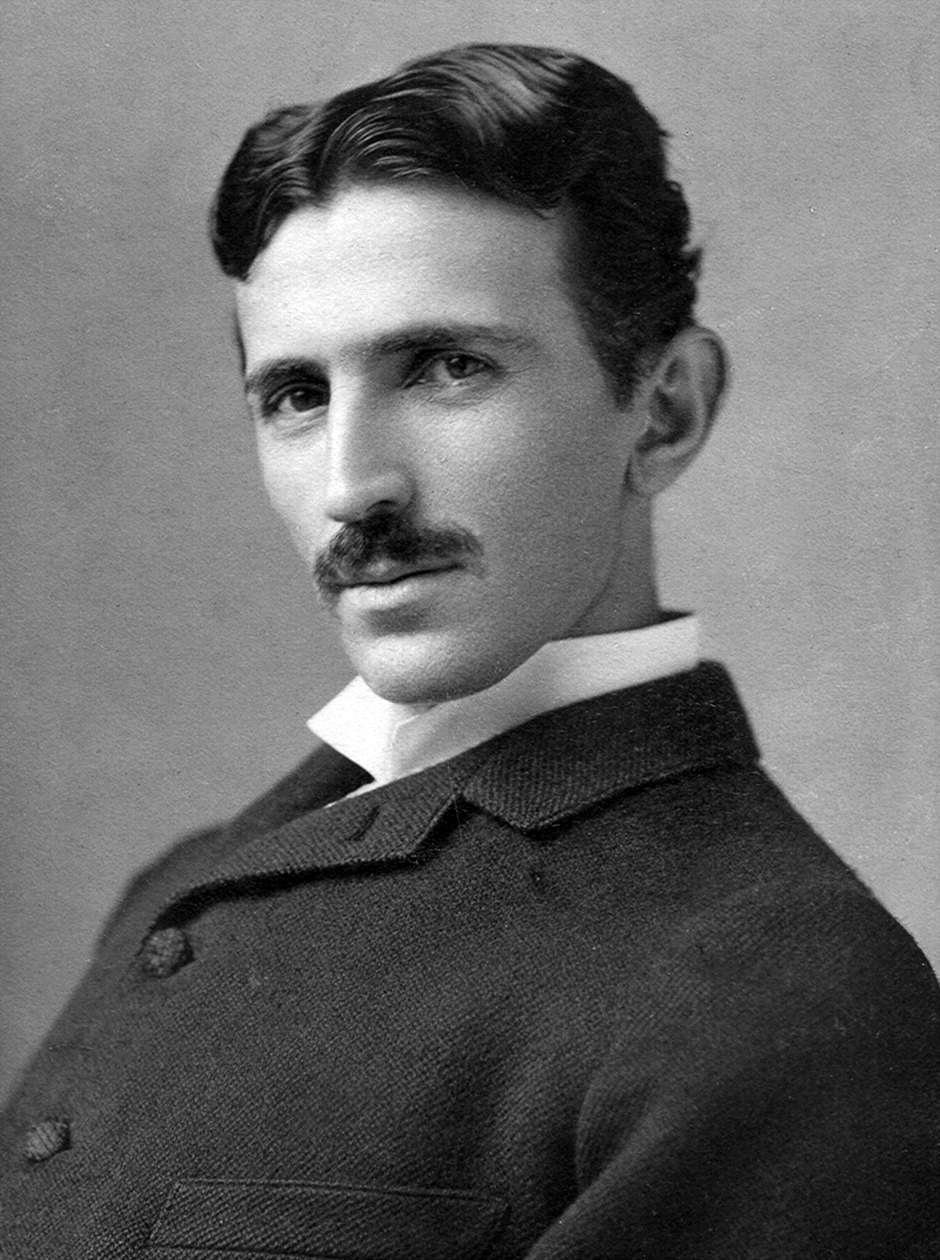
The fortune bought him room to think about power. Watching Edison's direct-current stations struggle to reach beyond a mile, Westinghouse bought the American rights to European transformer patents in 1885 and had William Stanley demonstrate an alternating-current lighting system in Great Barrington, Massachusetts, the following spring. What the system lacked was a practical AC motor. In 1888 he bought Nikola Tesla's polyphase patents for cash, stock, and a royalty, and brought Tesla to Pittsburgh — a purchase that gave alternating current everything it needed.
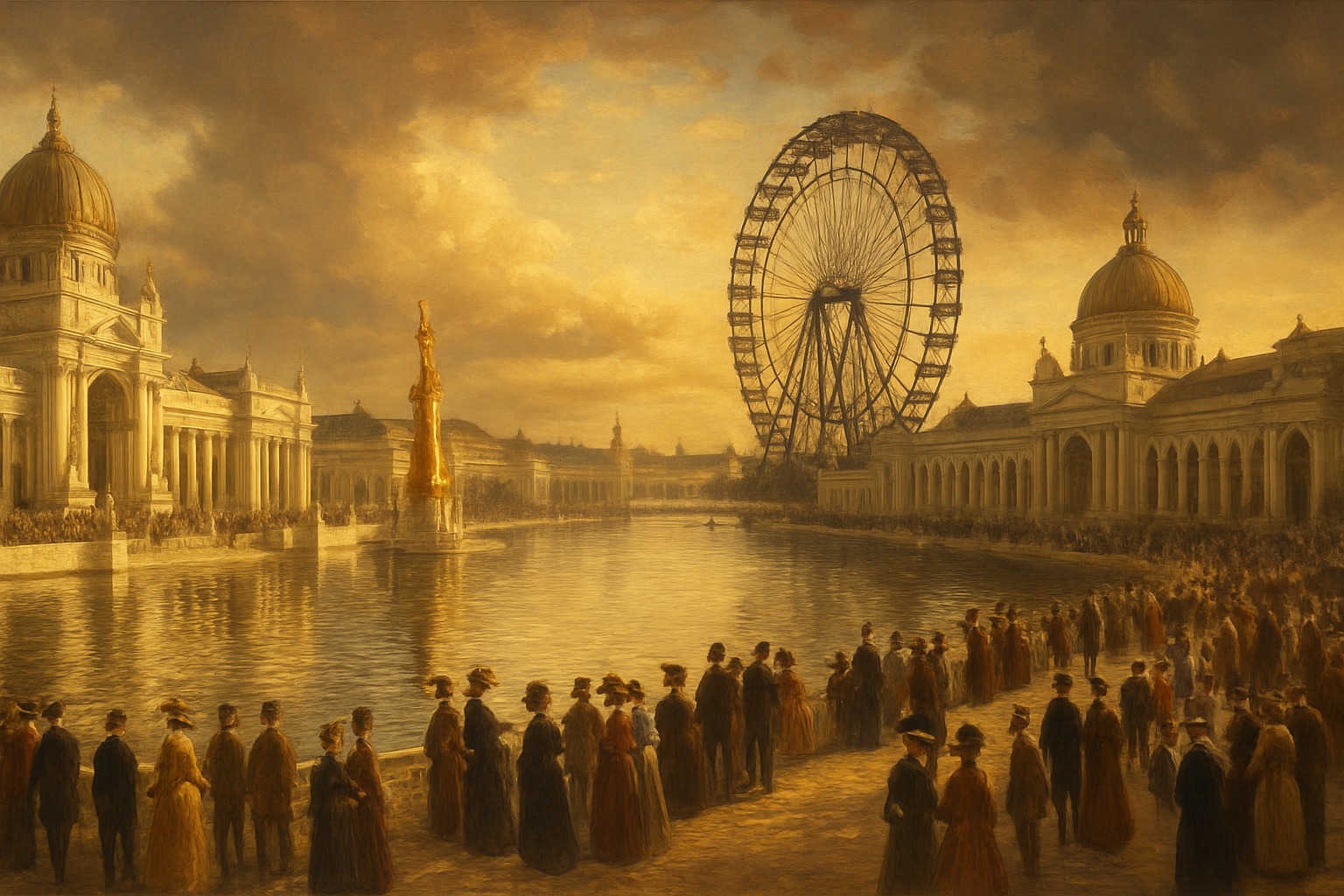
Edison's people answered with a campaign about the lethal danger of high-voltage current, and Westinghouse, a plain engineer with no gift for publicity, largely refused to fight it in the newspapers. He won on contracts instead. His company underbid General Electric to light the 1893 Columbian Exposition in Chicago, using a lamp of its own design to sidestep Edison's patents, and dazzled twenty-seven million visitors with an electrified fairground. The Niagara generator contract followed the same year. Along the way he was unusual among industrialists of the era, granting his workers a half-day Saturday from 1881, paid vacations, and a pension plan.
The Panic of 1907 caught his companies overextended, and Westinghouse Electric went into receivership. He fought his way out of it but lost control, and the board removed him from the company that carried his name in 1911. He died in 1914 holding some three hundred and sixty patents, and was buried at Arlington on the strength of his Civil War service. Tesla, who quarreled with nearly everyone, spoke of him with unbroken respect — Westinghouse had bet a personal fortune on a system the industry doubted, and the country runs on it still.
| Lived | 1846-1914 |
| First fortune | The railway air brake, patented 1869 |
| Founded | Westinghouse Electric Company, 1886 |
| Key purchase | Tesla's polyphase AC patents, 1888 |
| Showcase | The 1893 World's Columbian Exposition contract |
| Patents | About 360 in his lifetime |
| Date | 1846-1914 |
| Location | Pittsburgh, Pennsylvania |