Three Mile Island
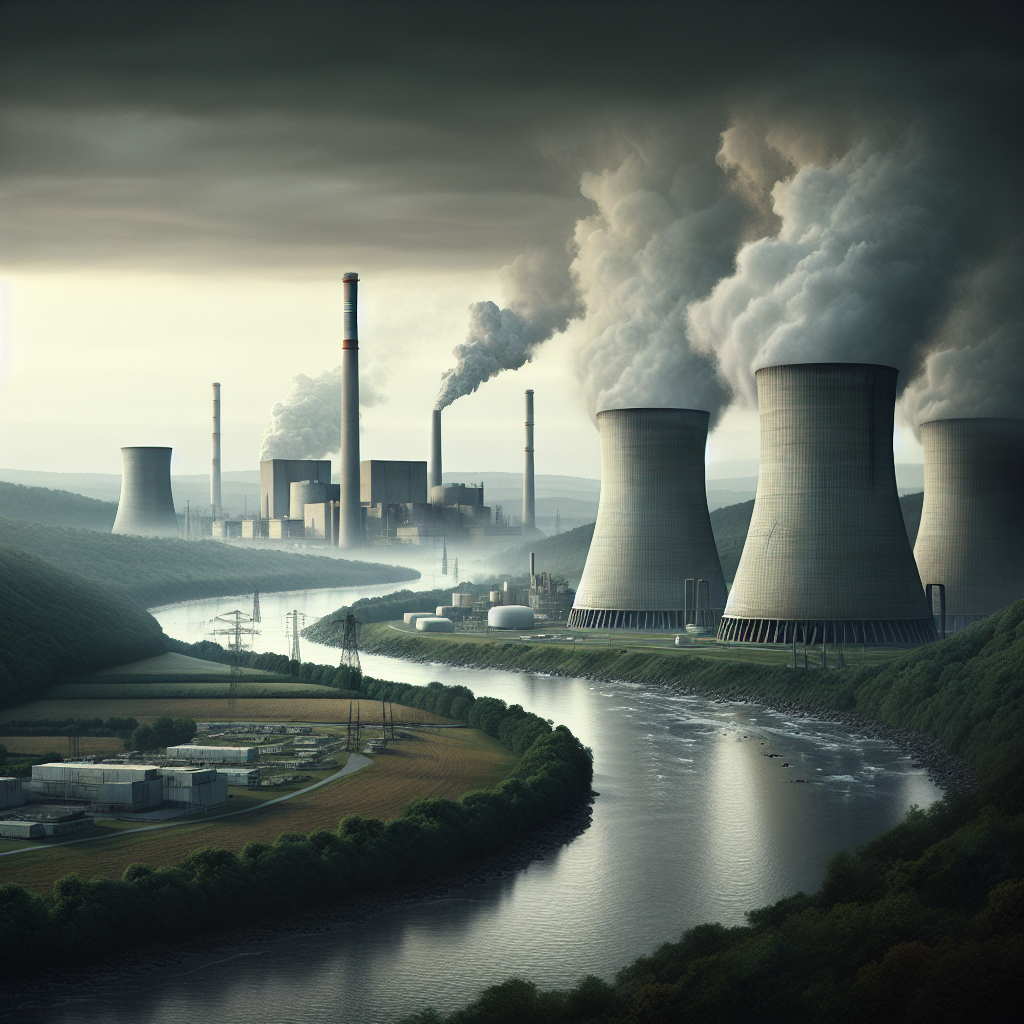
At 4 a.m. on March 28, 1979, a cooling system failure triggered a cascade of equipment malfunctions and operator errors at the Three Mile Island nuclear power plant near Harrisburg, Pennsylvania, causing a partial meltdown of the reactor core. It was the worst nuclear accident in American history. No one died directly — the radiation released was later found to be minimal outside the plant — but the accident ended the era of nuclear expansion in the United States and gave permanent shape to a public anxiety that the nuclear industry had never successfully addressed.
The response deepened the fear. Pennsylvania Governor Dick Thornburgh recommended pregnant women and young children within five miles of the plant evacuate. An estimated 140,000 people left voluntarily. President Carter — himself a former Navy nuclear engineer — toured the plant in a deliberate show of calm. The Nuclear Regulatory Commission struggled to provide clear public information as conditions inside the reactor remained uncertain for days. The phrase "partial meltdown" entered everyday American vocabulary alongside a dread it hadn't previously carried. Twelve days earlier, the film The China Syndrome — depicting a fictional nuclear accident — had opened in theaters.
Three Mile Island's lasting damage was regulatory and cultural rather than radiological. The NRC overhauled safety standards, emergency planning requirements, and operator training nationwide. Public opposition to nuclear plant construction, already hardening after a building boom in the early 1970s, crystallized into sustained political resistance. No new nuclear power plants were ordered in the United States after 1978, and dozens of plants in planning were canceled. A technology that had promised cheap, clean electricity for generations was effectively stopped in place by a single morning in Pennsylvania.



| Date | March 28, 1979 |
| Location | Three Mile Island Nuclear Generating Station, Dauphin County, Pennsylvania |
| Reactor | Unit 2 (TMI-2); partial core meltdown |
| Direct Deaths | None attributed to radiation exposure |
| Voluntary Evacuation | ~140,000 within 20-mile radius |
| President's Visit | Jimmy Carter toured the plant, April 1, 1979 |
| Legacy | No new U.S. nuclear plants ordered after 1978; major NRC safety overhaul |
| Date | March 28, 1979 |
| Location | Dauphin County, Pennsylvania |