The War of the Currents
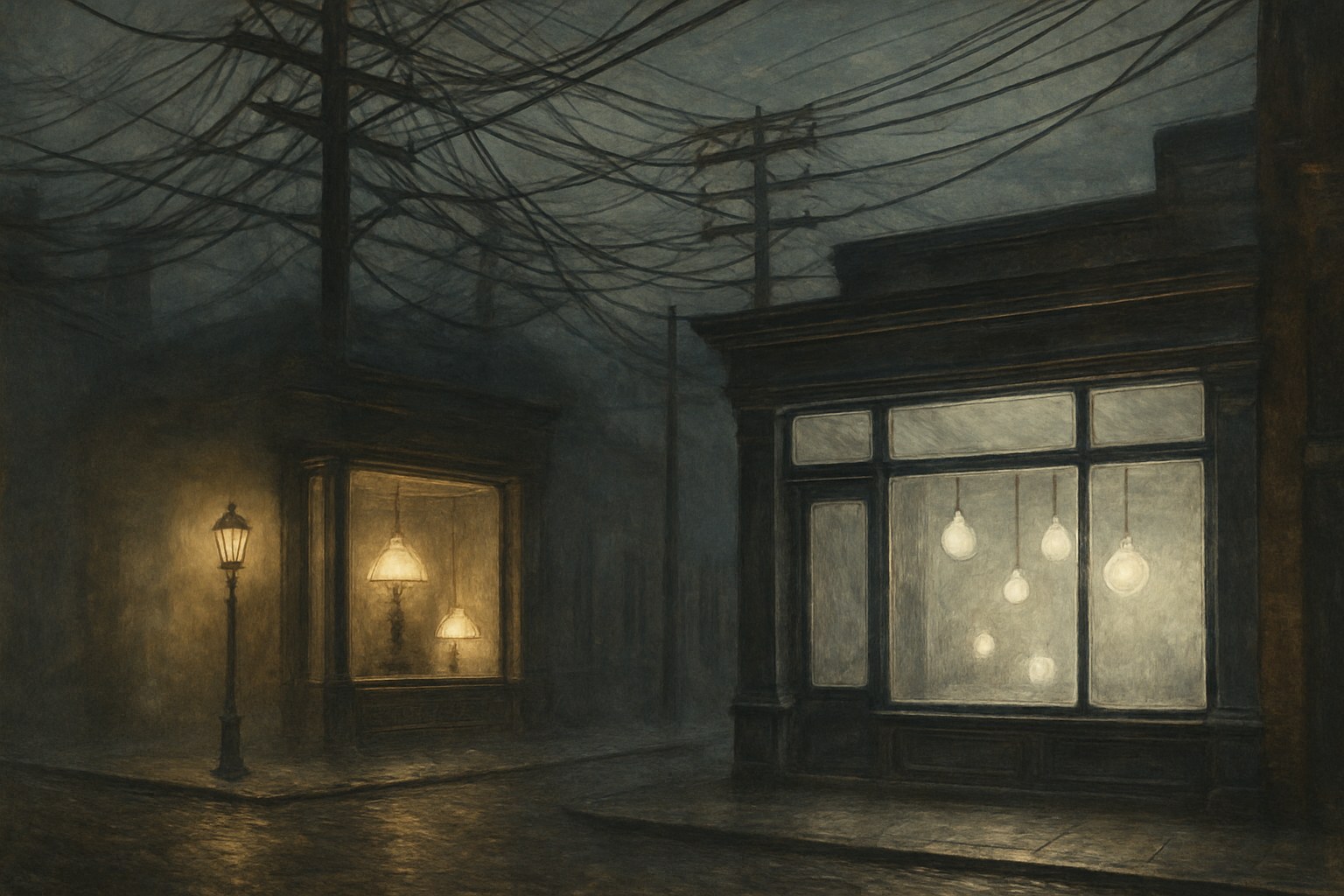
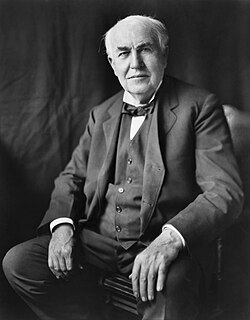
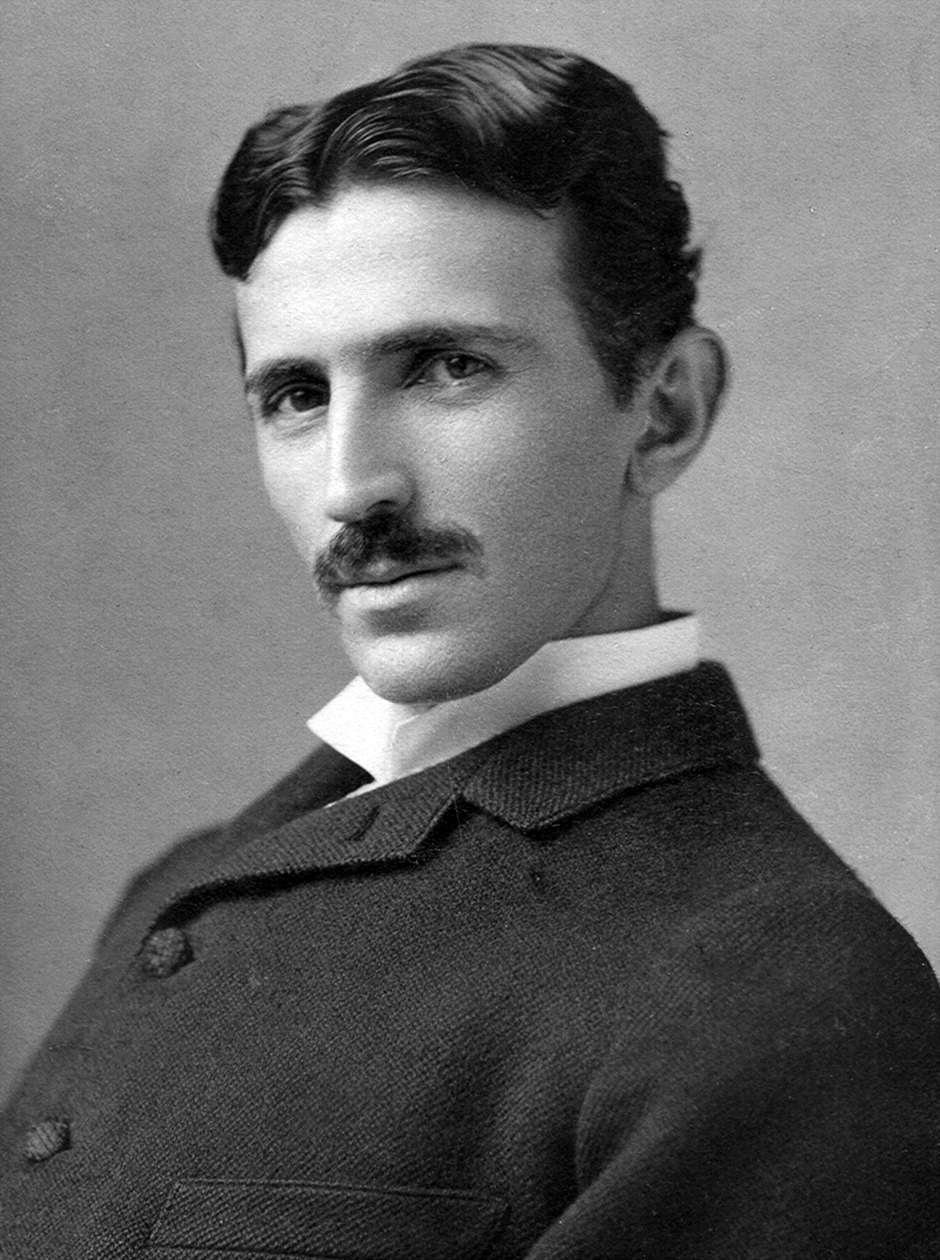
By the mid-1880s the question was no longer whether America would be electrified but what kind of current would do it. Thomas Edison had built his business on direct current at about 110 volts, a system he considered safe and understood completely, and he had a fortune sunk in the dynamos, meters, and copper mains that ran on it. George Westinghouse, backed after 1888 by Nikola Tesla's polyphase patents, was selling alternating current instead. The two systems could not share a wire, and the country was about to choose.
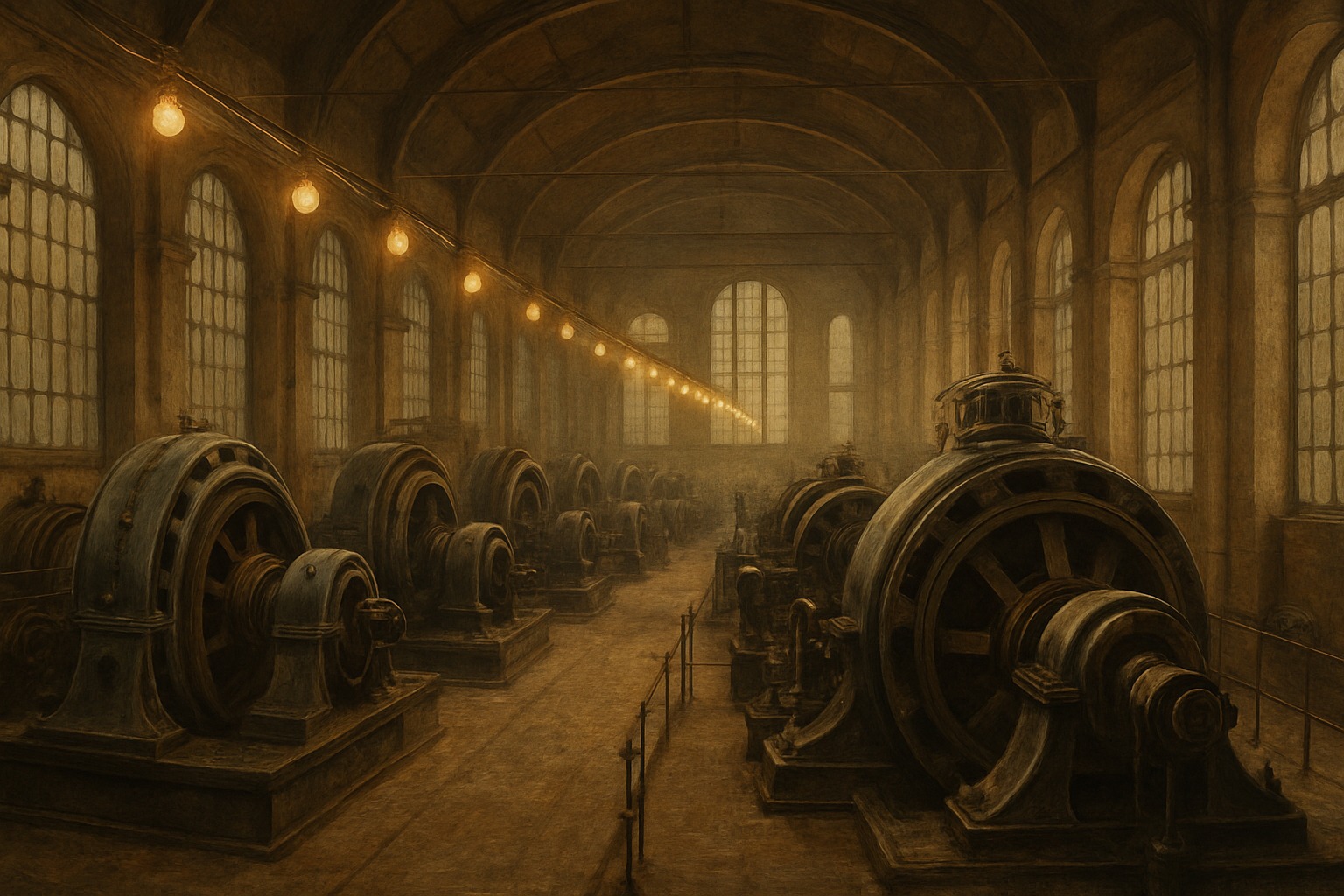
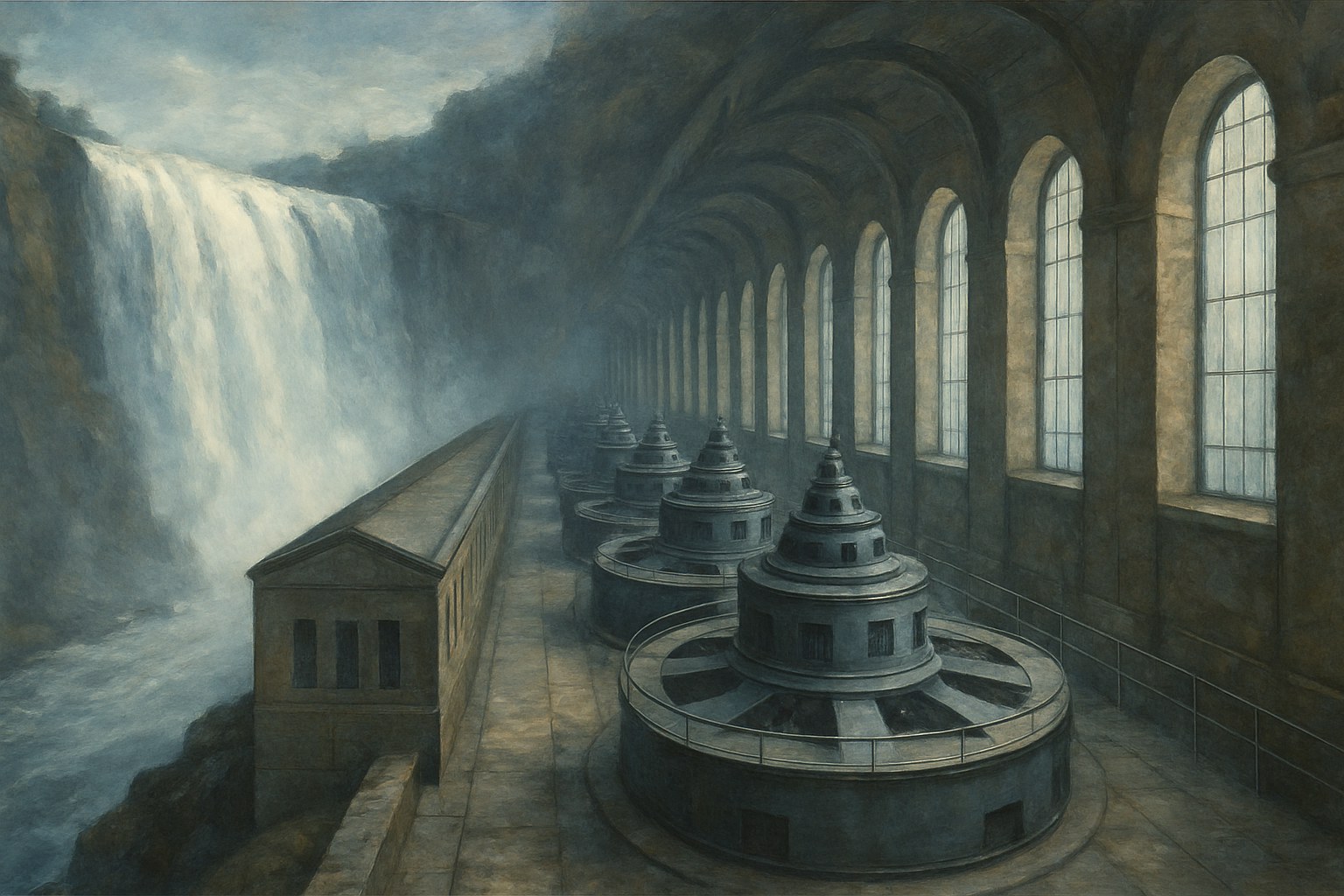
The physics decided the argument before the publicity did. Power lost in a line rises with the square of the current, so moving the same energy at high voltage and low current cuts the waste dramatically. Alternating current could be stepped up by a transformer for the journey and stepped back down for the customer, which direct current in that era could not. Edison's stations could therefore serve about a mile in every direction and no more, while an AC system could put its generators at a waterfall and sell the power to a city twenty miles away.
Losing on the engineering, the Edison camp fought on danger. The Edison Electric Light Company issued a red-covered pamphlet warning against high-voltage AC in 1887, and an electrical engineer named Harold Brown, with the cooperation of Edison's West Orange laboratory, killed dogs and larger animals with alternating current before audiences of reporters in 1888. Brown then pressed New York to adopt AC for its electric chair and quietly obtained Westinghouse machines for it — William Kemmler's execution at Auburn Prison in August 1890 took two attempts, and Edison's allies promoted the verb westinghoused. Two things were true at once. Edison genuinely feared high-voltage wire strung over city streets, where sagging lines had already killed linemen and pedestrians, and he had every commercial reason to make that fear the public's.
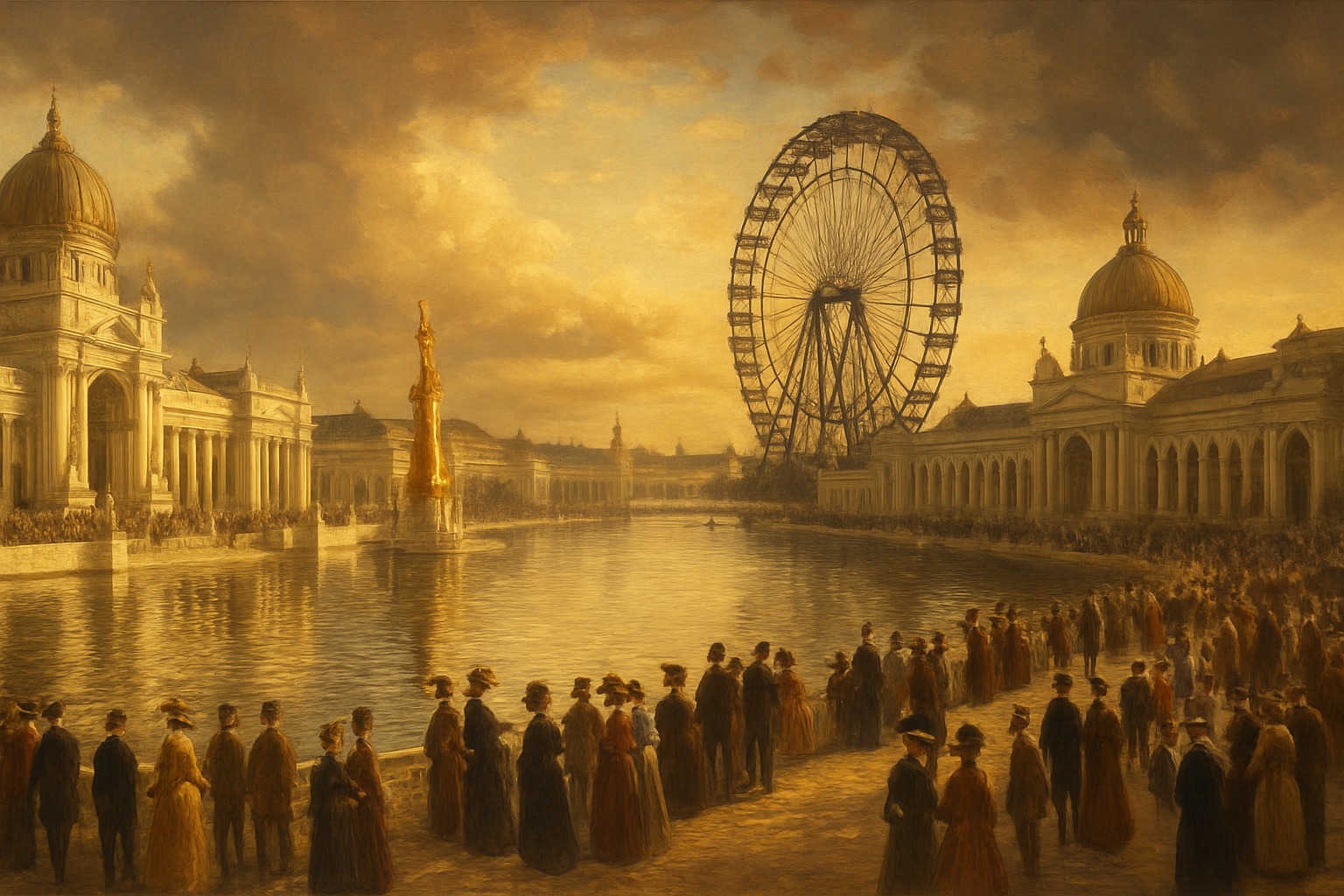
The commercial verdict came quickly. Westinghouse underbid the newly formed General Electric to light the 1893 Columbian Exposition in Chicago, and in 1895 and 1896 the Niagara plant sent alternating current to Buffalo, ending the debate in practice. Edison himself had already been pushed aside — the 1892 merger that created General Electric dropped his name, and the company converted to AC. Direct current survived in elevators, subways, and a shrinking set of Manhattan buildings until Consolidated Edison closed its last DC service in 2007, and it returned in the twentieth century for high-voltage long-distance links, a reminder that the loser of the argument was never wrong about everything.
| Contest | Direct current versus alternating current |
| Edison side | Edison Electric Light Company, DC at about 110 volts |
| AC side | George Westinghouse with Tesla's polyphase patents |
| Deciding factor | AC could be transformed for long-distance transmission |
| Turning point | The 1893 Chicago fair and Niagara Falls in 1895-96 |
| Myth | The 1903 Coney Island elephant is often blamed on Edison, years after the contest was over |
| Date | 1886-1893 |
| Location | New York City |