The Niagara Falls Power Plant
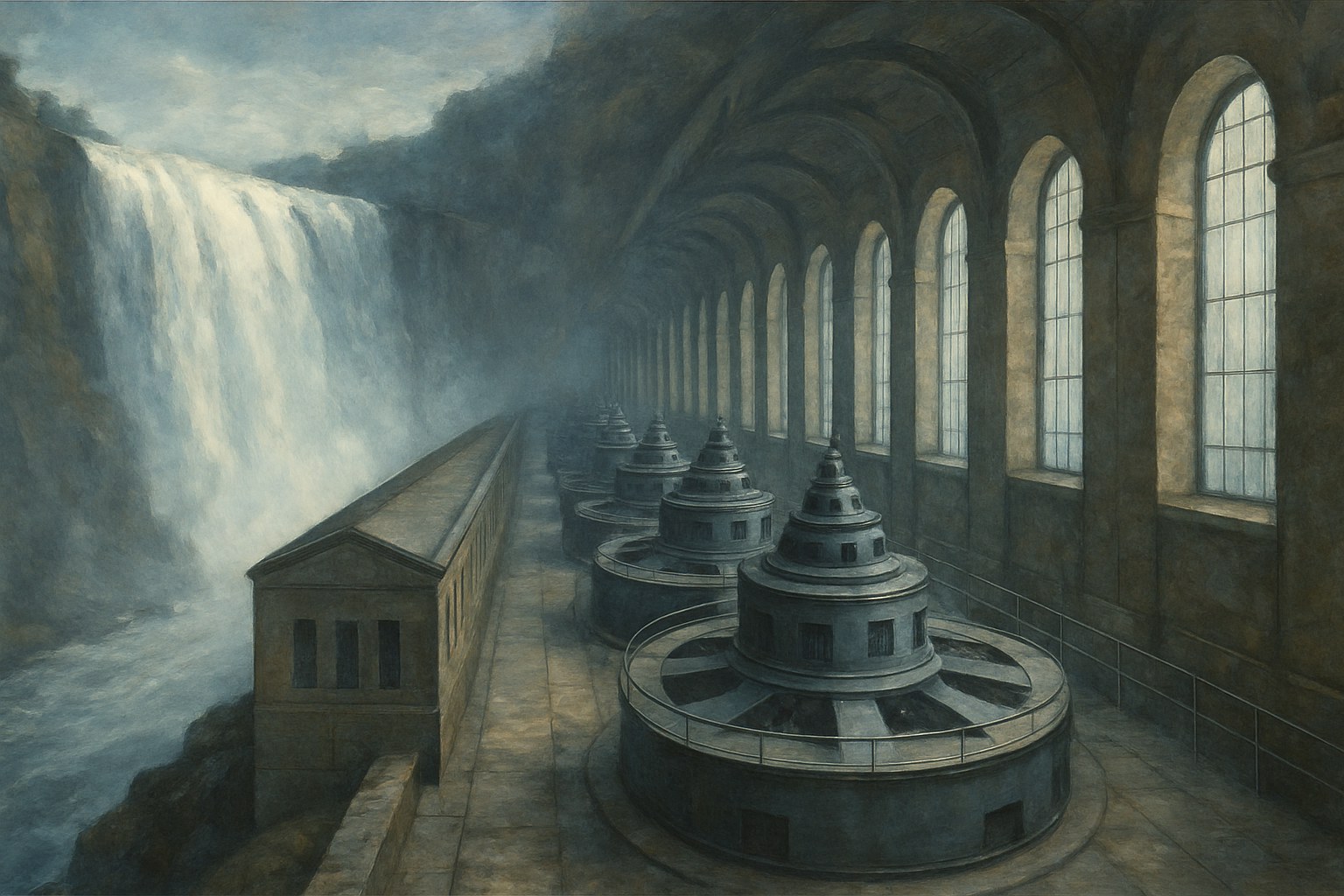
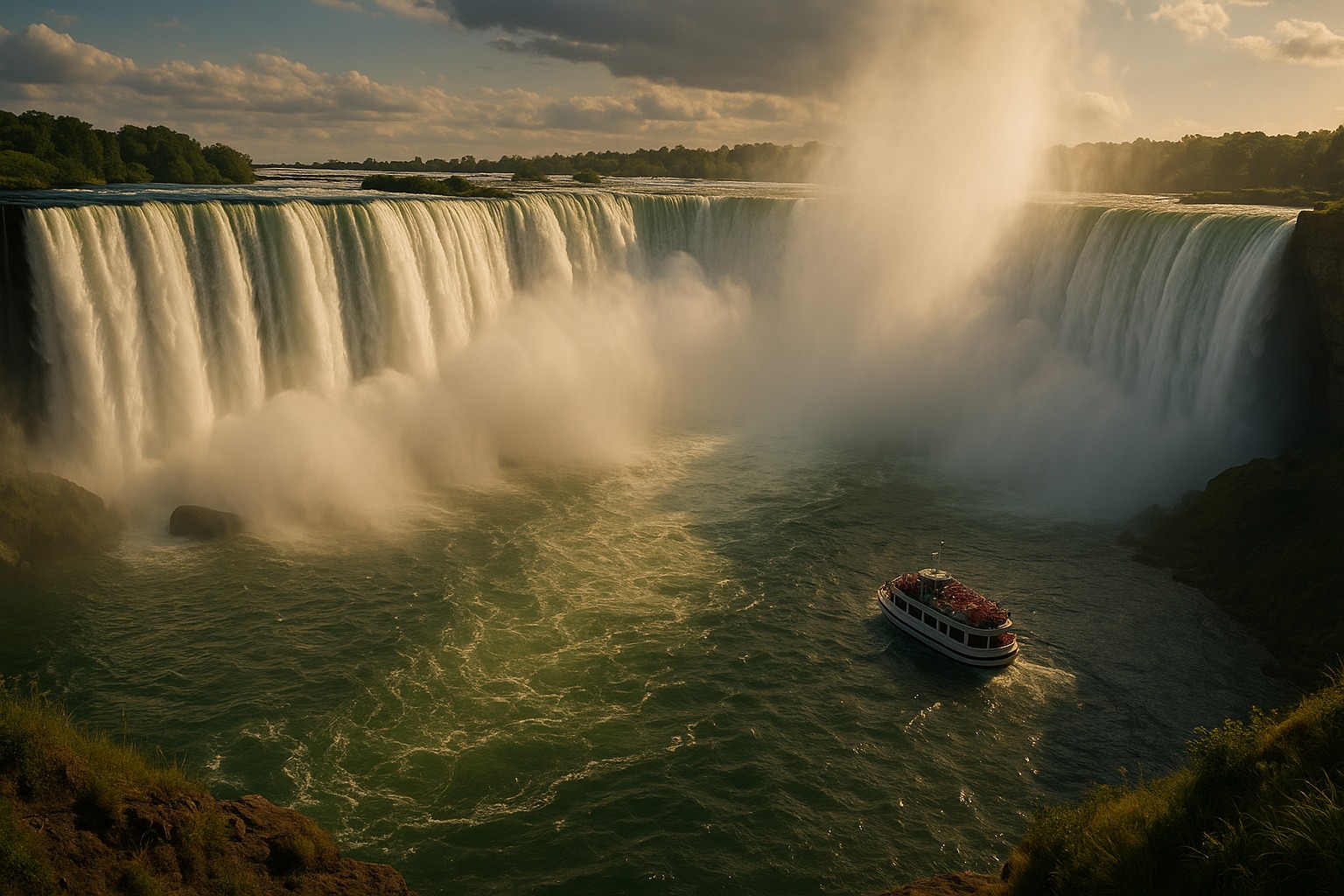
Niagara had been turning mill wheels since the 1750s, but the falls dropped enough water to run an entire region and nobody could carry the power more than a few hundred yards from the bank. In 1889 the Cataract Construction Company set out to change that, digging a mile-and-a-half tunnel to drop water through turbines set in a deep wheel pit. The remaining question was what to do with the shaft power once it turned, and an international commission headed by Lord Kelvin spent years taking proposals that ranged from compressed air to ropes and cables.
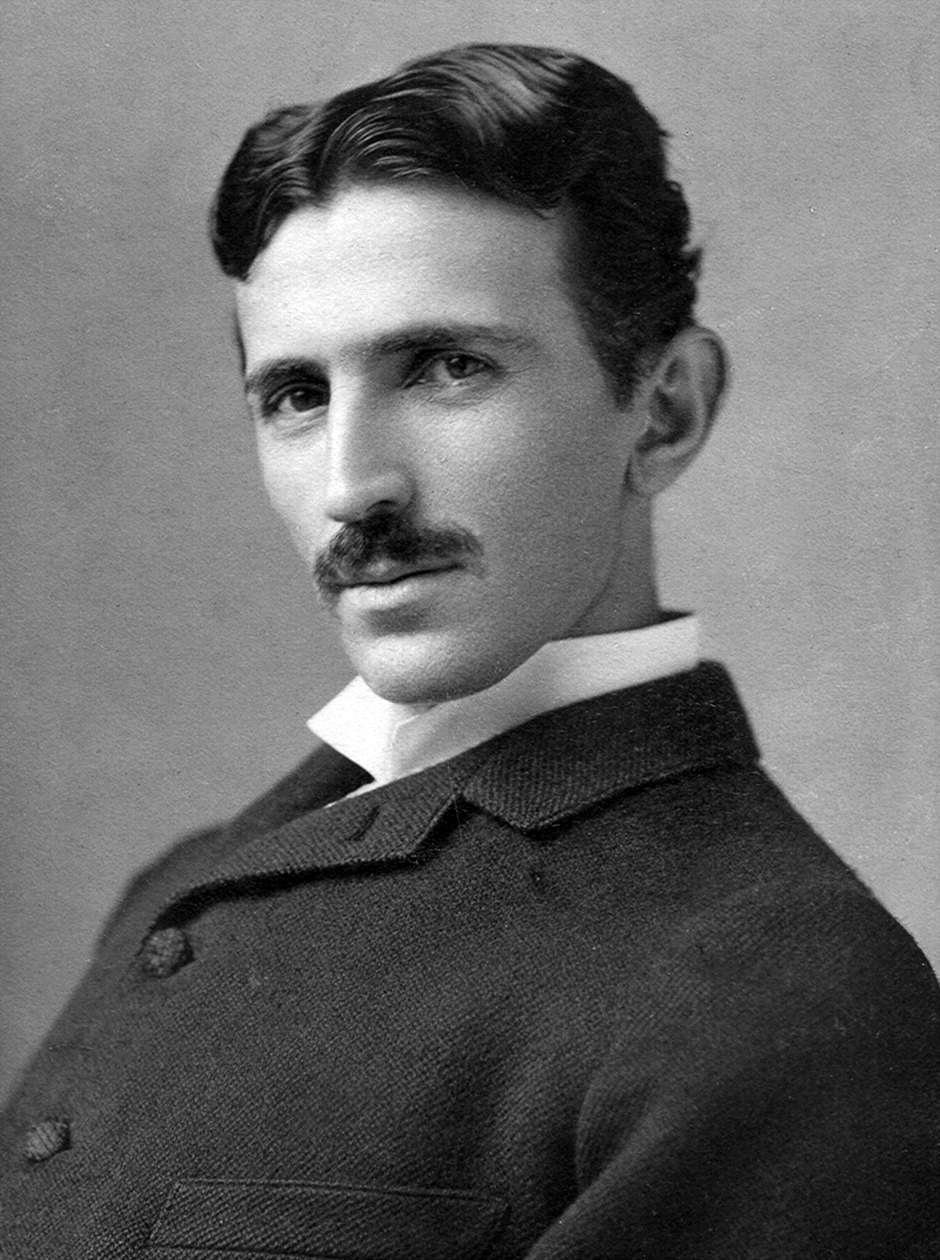
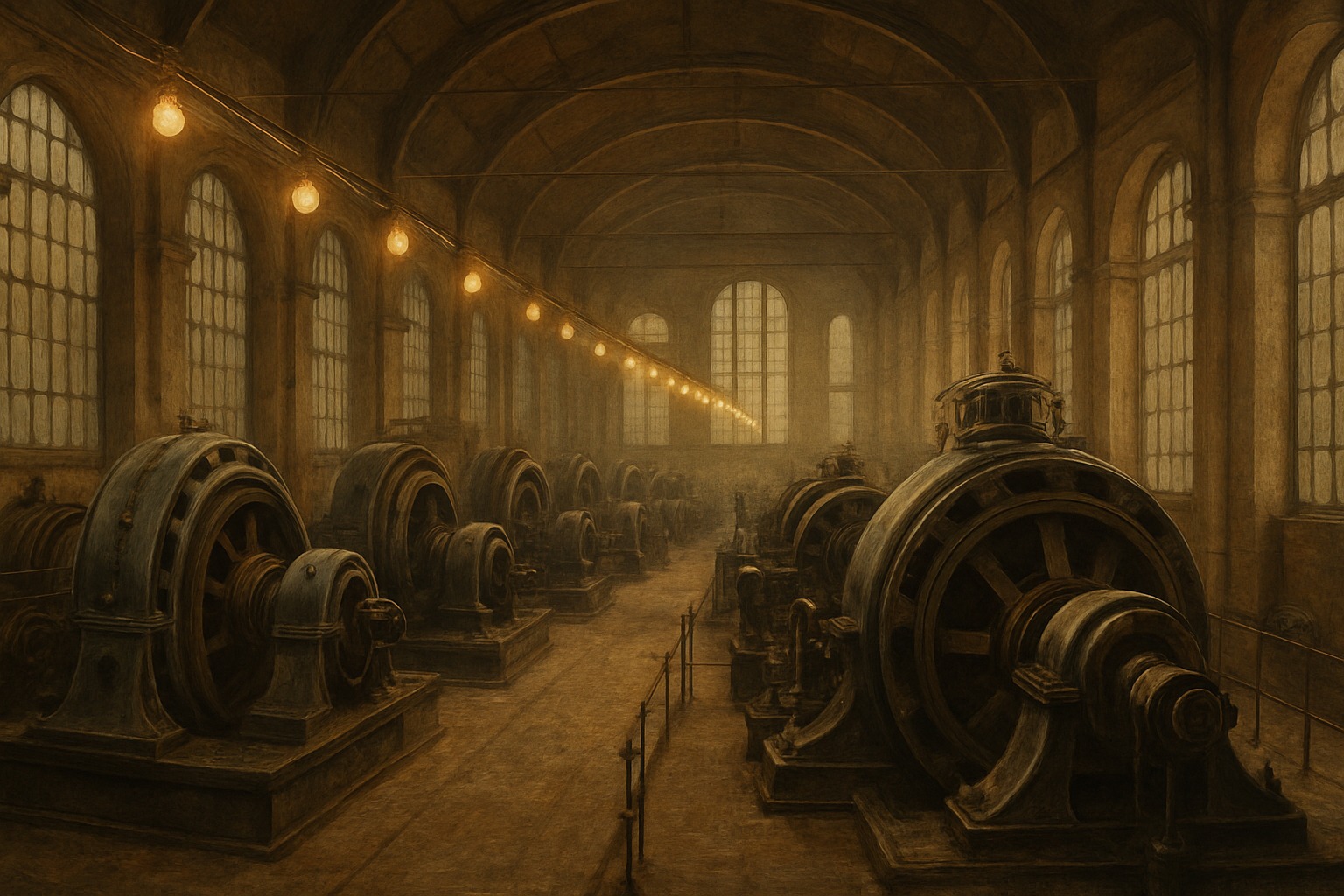
The commission favored direct current and got alternating current instead. In 1893 the company contracted with Westinghouse Electric to build generators on Nikola Tesla's polyphase system, and the first of three five-thousand-horsepower units at the plant named for the financier Edward Dean Adams went into service in 1895. They produced two-phase current at twenty-two hundred volts and twenty-five cycles, an unglamorous frequency chosen for the motors of the day that the region would live with for decades. General Electric built the transformers and the transmission line.
The current first went to neighbors — an aluminum smelter that became Alcoa, a plant making the abrasive carborundum, works turning out calcium carbide and caustic soda. Electrochemistry needed cheap power more than it needed any particular location, so the industry moved to the falls. Then in November 1896 the line to Buffalo went live, carrying power roughly twenty-six miles at eleven thousand volts. That single transmission settled the argument between the currents more decisively than any pamphlet, because it did the one thing direct current could not do at all.
Niagara made the modern electric utility conceivable — generation at the best site available rather than in the middle of the load, and transmission as a routine matter of engineering. The industrial belt it created along the Niagara River employed thousands and left a chemical legacy the region is still cleaning up, most notoriously at Love Canal. The Adams units ran until 1961, when a much larger state power project replaced them, and the plant's surviving transformer house is a landmark of the industry it launched.
| Formal name | The Edward Dean Adams Power Plant |
| First power | 1895, three 5,000-horsepower generators |
| System | Westinghouse two-phase AC on Tesla's patents, 25 cycles |
| Transmission | About 26 miles to Buffalo, November 1896 |
| Industries | Aluminum, carborundum, calcium carbide, caustic soda |
| Retired | 1961, superseded by the Niagara Power Project |
| Date | 1895-1961 |
| Location | Niagara Falls, New York |