Pearl Street Station
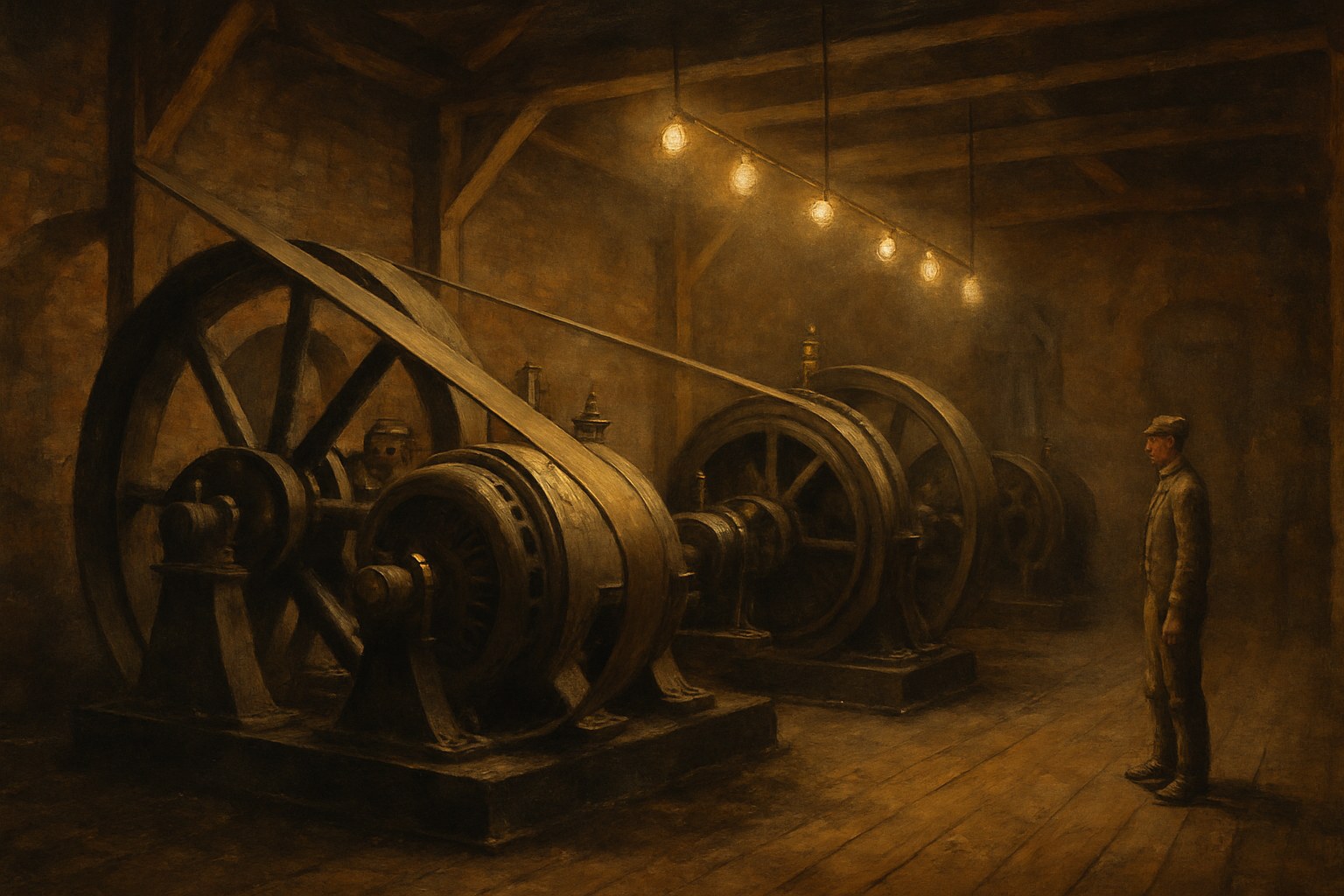
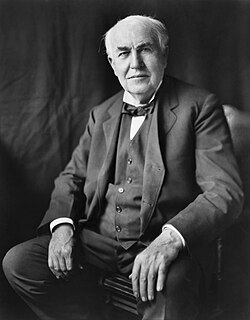
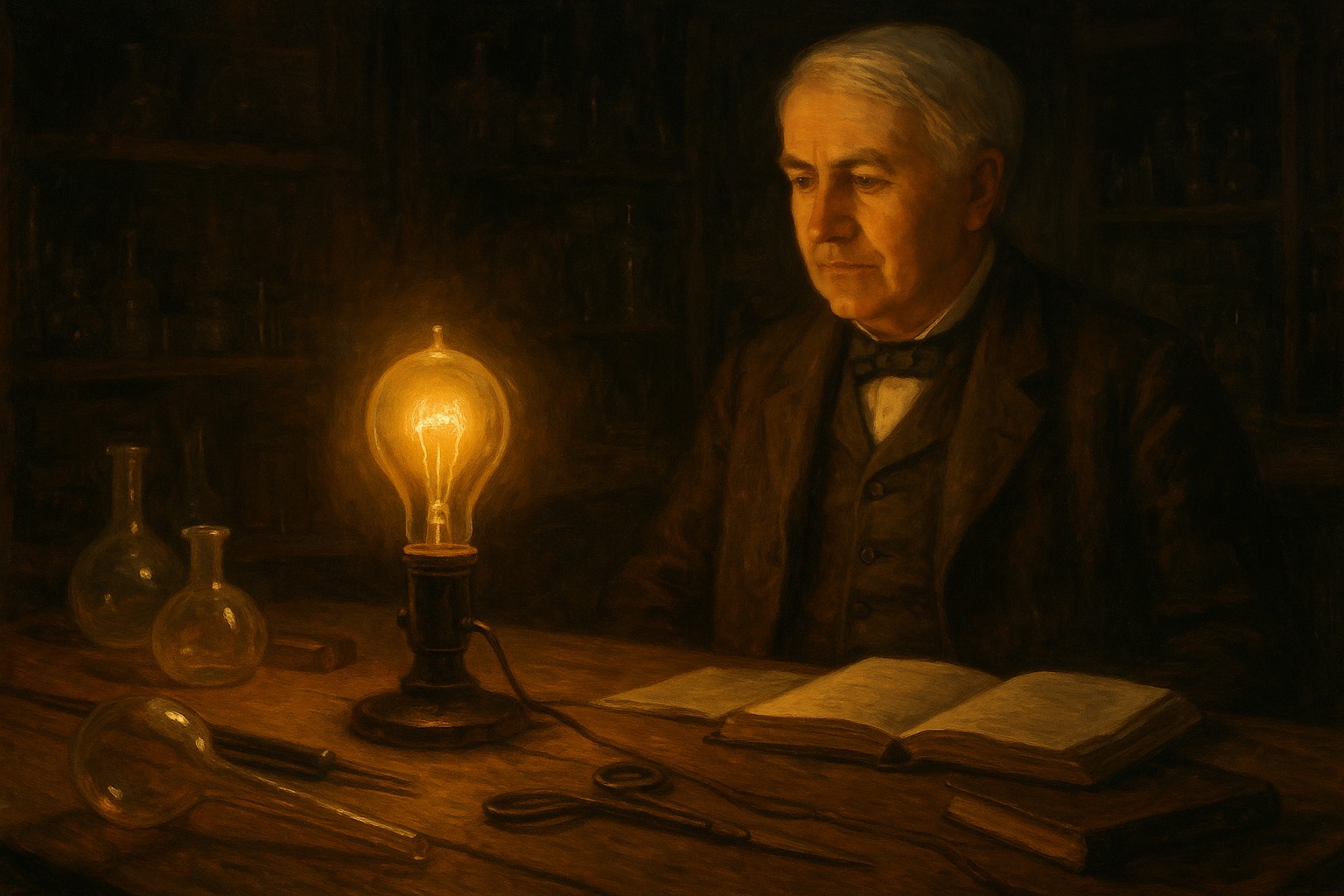
The incandescent lamp was not the hard part. Edison had a working bulb by the end of 1879, but a bulb without a system to feed it was a curiosity, and the arc lights already burning in a few streets and factories ran off their own private dynamos. What Edison set out to build in lower Manhattan was the rest of it — generators, underground mains, junction boxes, fuses, sockets, and a meter to bill by — assembled into a utility that a customer could simply buy from, the way he already bought gas.
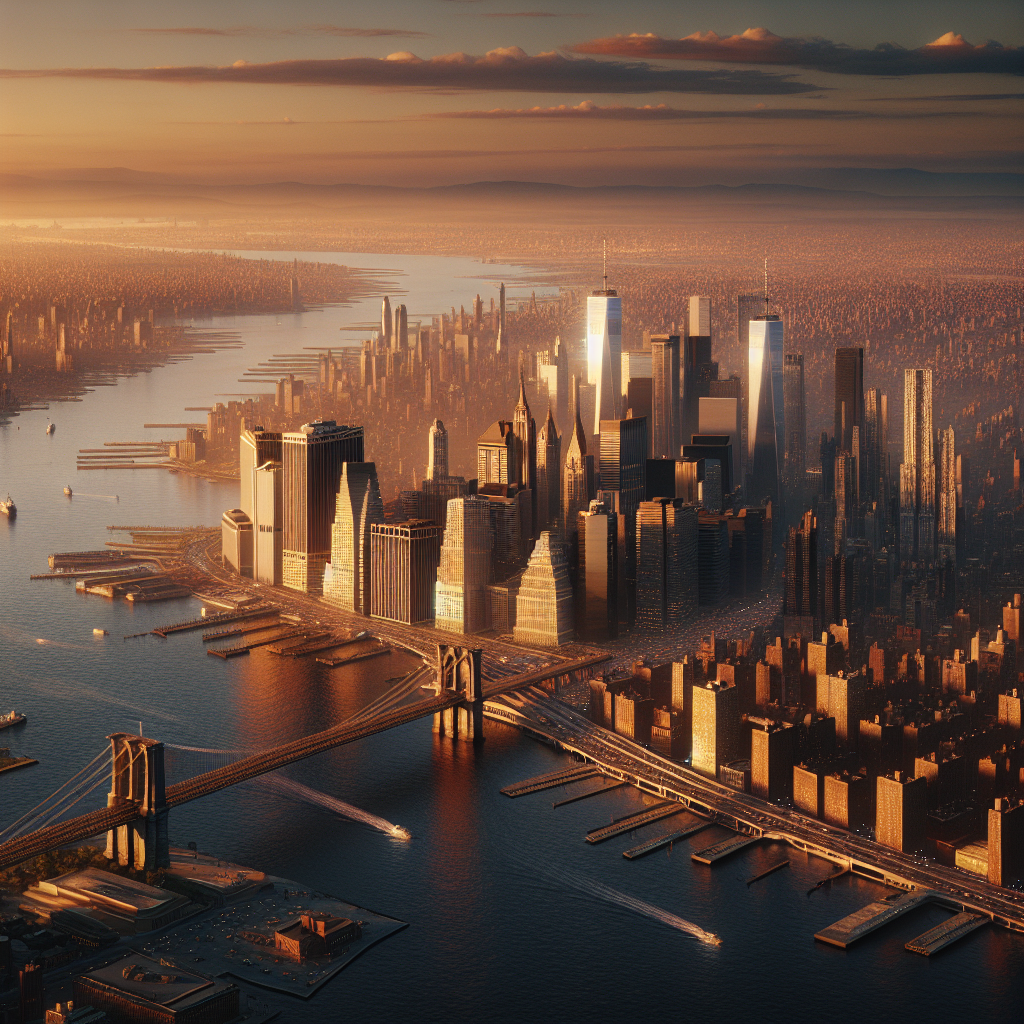
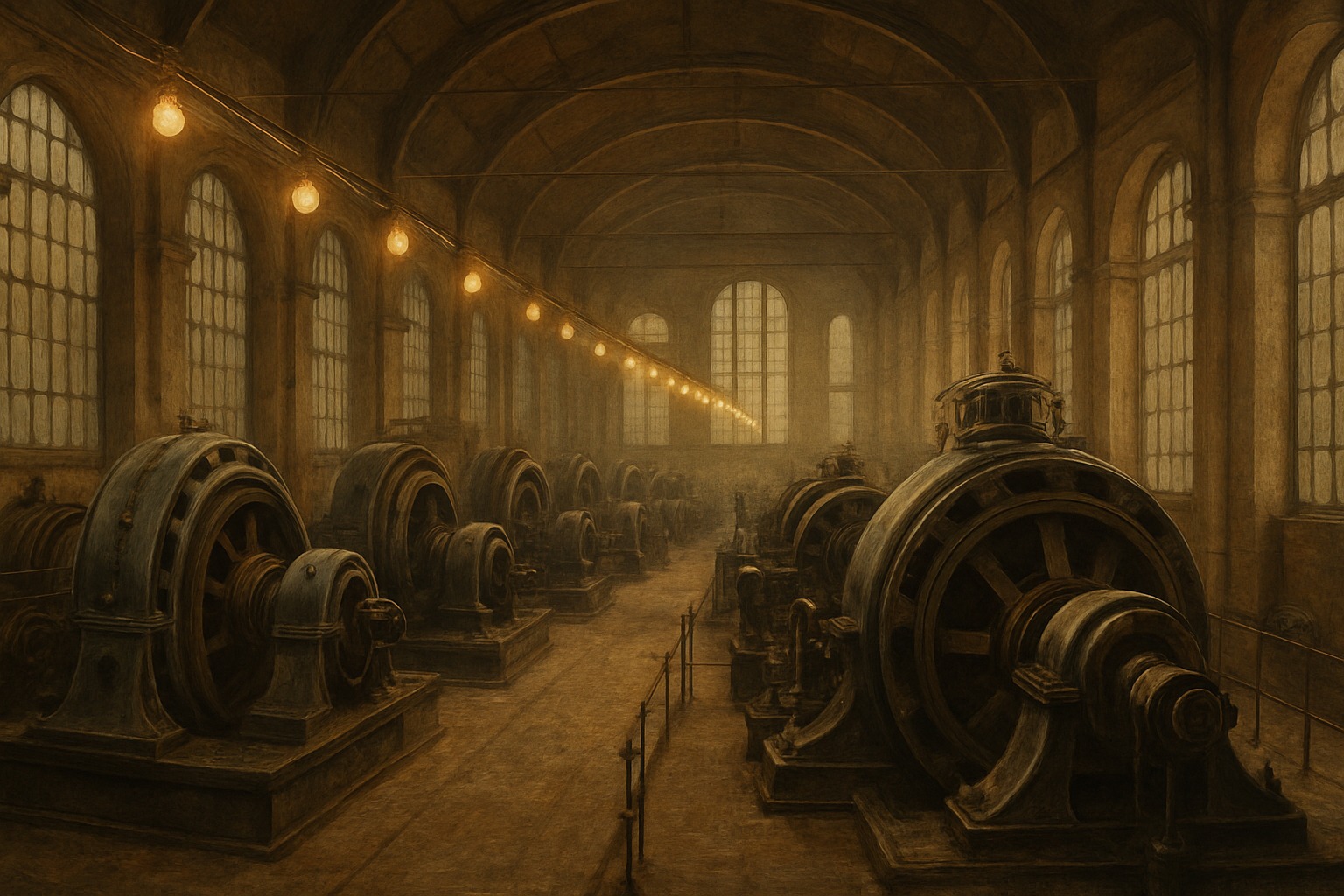
He chose a dense square mile in the First District, bounded roughly by Wall Street, Nassau Street, Spruce Street, and the East River, because direct current at 110 volts would not travel much farther and because the district held the newspapers and the banks whose opinion he wanted. His crews spent a year tearing up streets to lay some eighty thousand feet of insulated copper conductor. Inside a pair of converted buildings at 255 and 257 Pearl Street he installed six coal-fired steam engines driving dynamos so large the shop called them Jumbos, each weighing around thirty tons.
On the afternoon of September 4, 1882, Edison's associate threw the switch and the lamps came on at the offices of Drexel, Morgan and Company on Wall Street and across the district. The station served fifty-nine customers at the start, a few hundred lamps in all, and grew to more than five hundred customers within two years. It also lost money for years, since Edison had priced the current to compete with gas rather than to cover his enormous capital costs. A fire destroyed most of the plant in January 1890, though one dynamo survived.
Pearl Street mattered less as a building than as a business model. Edison had shown that electricity could be generated centrally, distributed through public streets, and sold by the unit as a metered service, which meant a customer needed no machinery and no engineer of his own. Every utility that followed, whatever current it used, was a variation on the arrangement worked out in those two Manhattan buildings, and the industry that grew from it became one of the largest capital enterprises in the country.

| Opened | September 4, 1882 |
| Location | 255-257 Pearl Street, lower Manhattan |
| Built by | The Edison Electric Illuminating Company of New York |
| Current | Direct current at about 110 volts |
| First load | 59 customers in roughly one square mile |
| Ended | Largely destroyed by fire in January 1890 |
| Date | September 4, 1882 |
| Location | Lower Manhattan, New York City |