World War II: The American Story
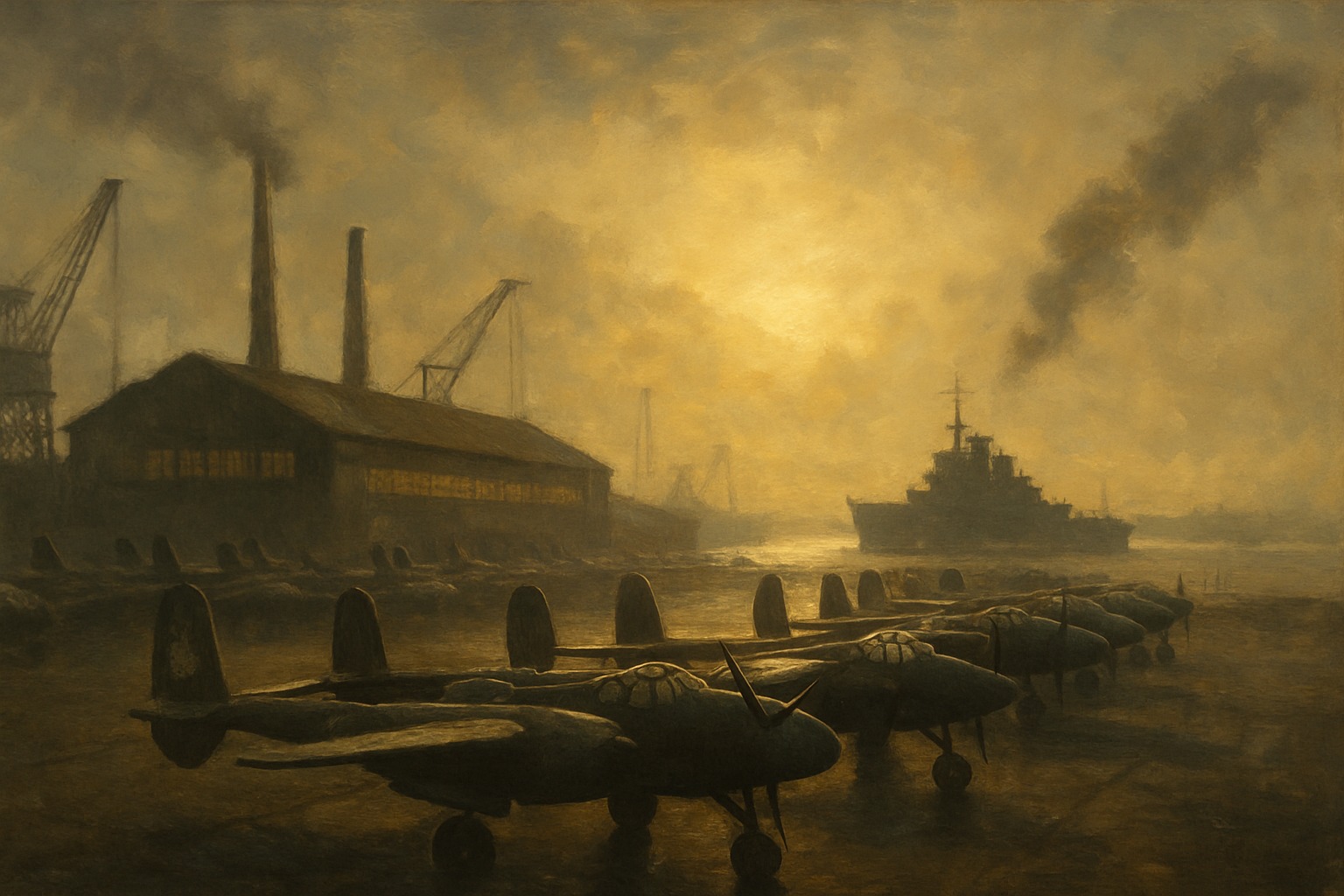
For most of the 1930s the United States wanted nothing to do with the wars gathering in Europe and Asia. Memory of the last great conflict was raw, the Depression demanded all the country's attention, and Congress passed law after law to keep America on the sidelines. That posture held until the morning of December 7, 1941, when Japanese planes struck the fleet at Pearl Harbor and settled the argument in a single hour. Within days the United States was at war on two oceans, and the machinery of an entire society turned toward a single purpose.
This guide follows the American war in order — from the long debate over whether to fight, through the attack that ended it, into the factories and internment camps of the home front, across the turning-point battles in the Pacific and Europe, and finally to the secret project that ended the war with two bombs and opened the nuclear age. Each entry links to a full account. The throughline is transformation: a nation of fewer than 140 million people that began the decade clinging to isolation finished it as a global superpower, its economy, its military, and its place in the world remade for good.
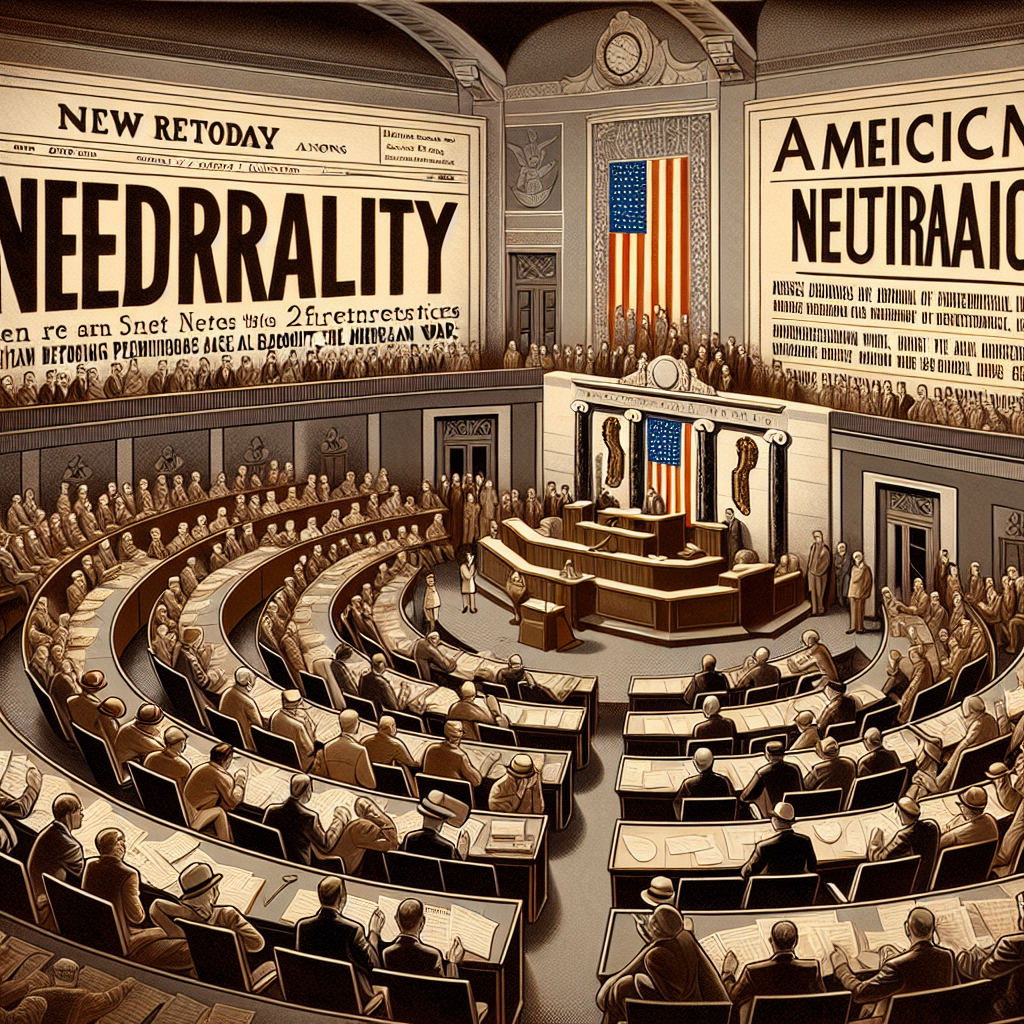
The United States spent the 1930s trying hard not to fight. With the Depression at home and the memory of the trenches abroad, Congress wrote neutrality into law. Yet as France fell and Britain stood alone, Roosevelt edged the country toward the Allied side — first with words, then with weapons sold and lent.
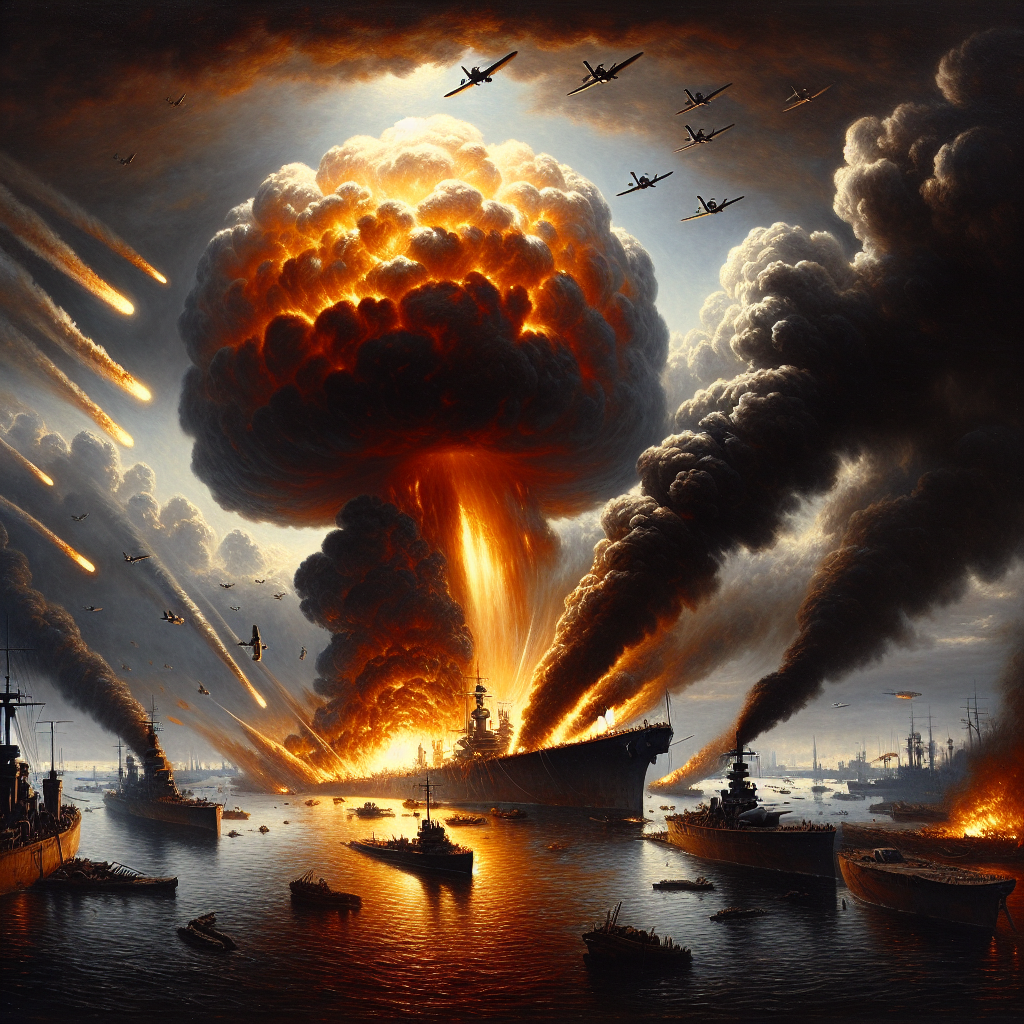
The long argument over neutrality ended in a single morning. The attack on Pearl Harbor united a divided country overnight and put the United States into a two-ocean war it would fight for nearly four years.
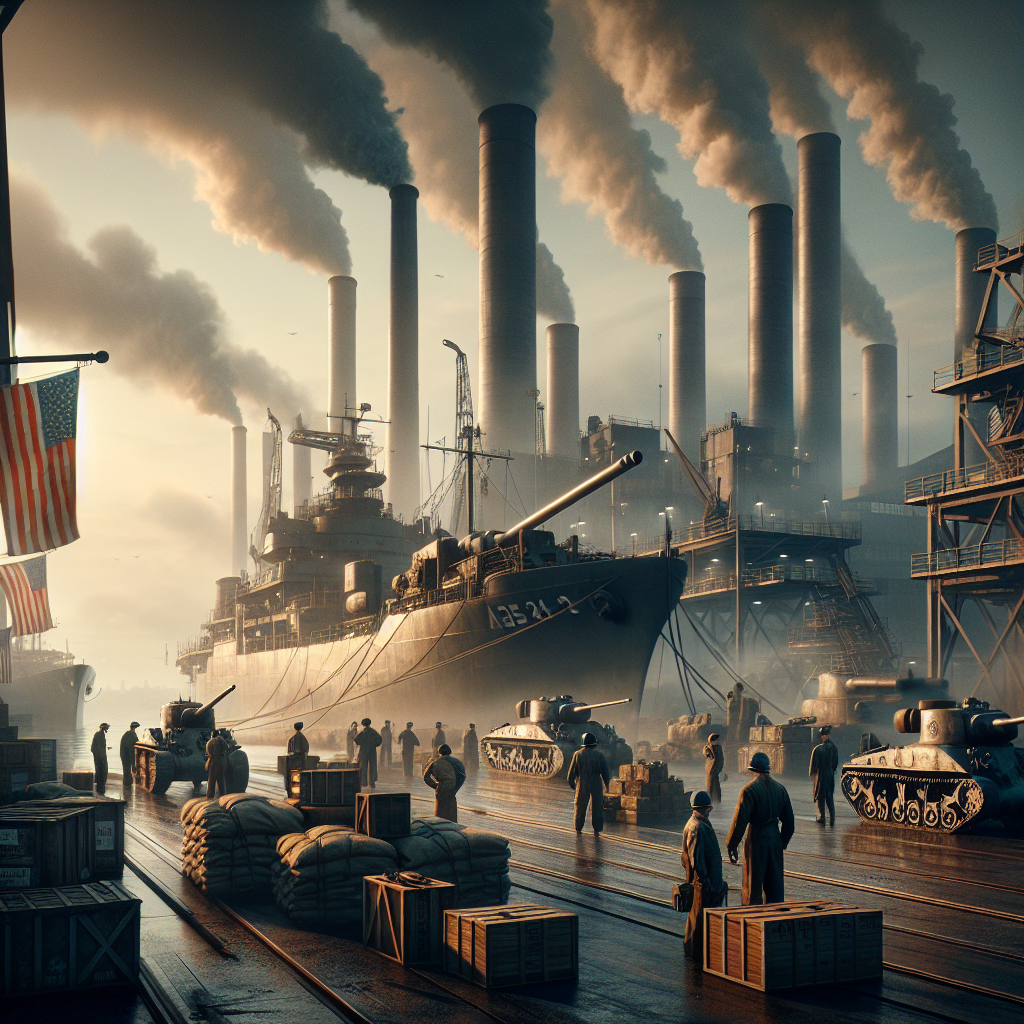
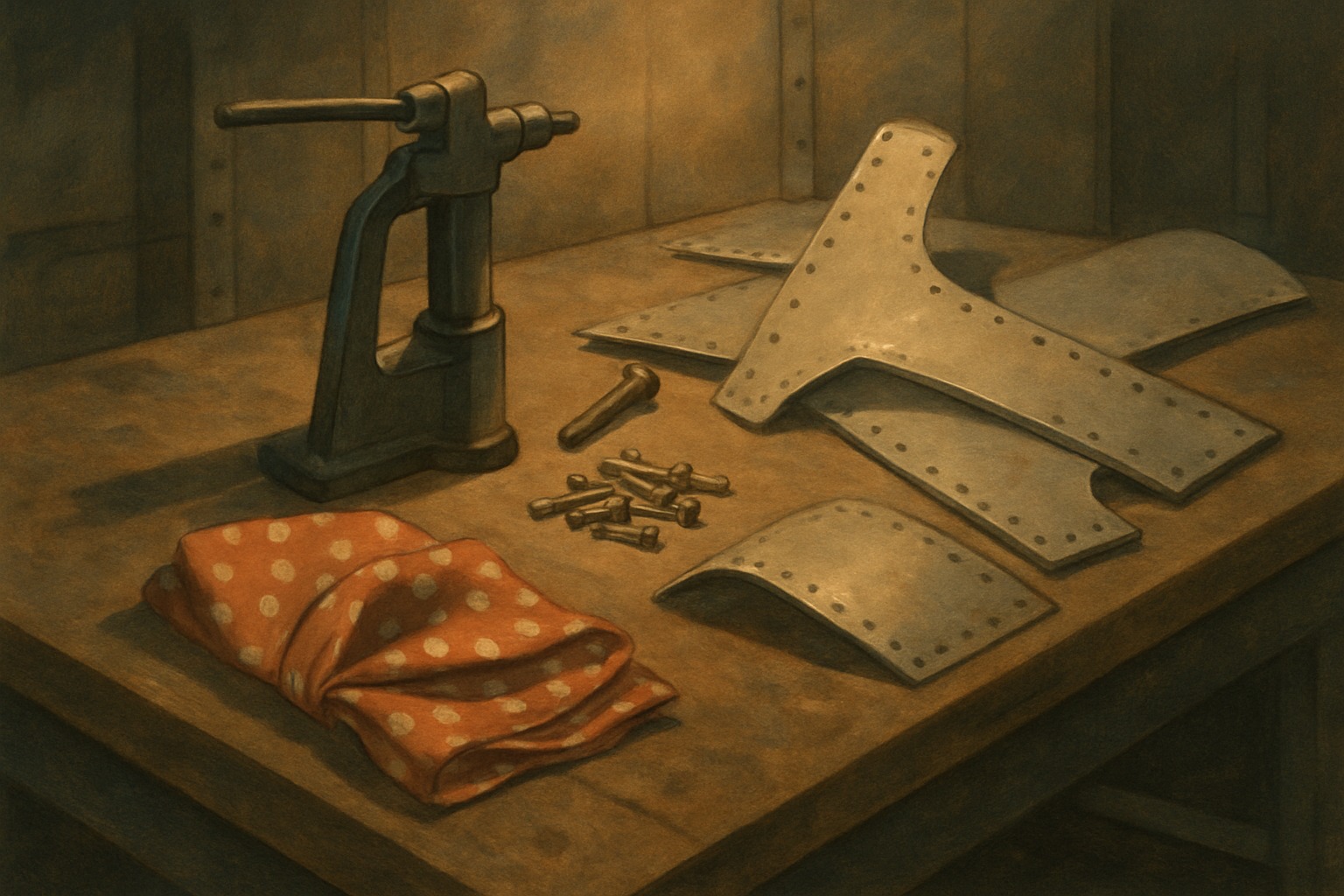
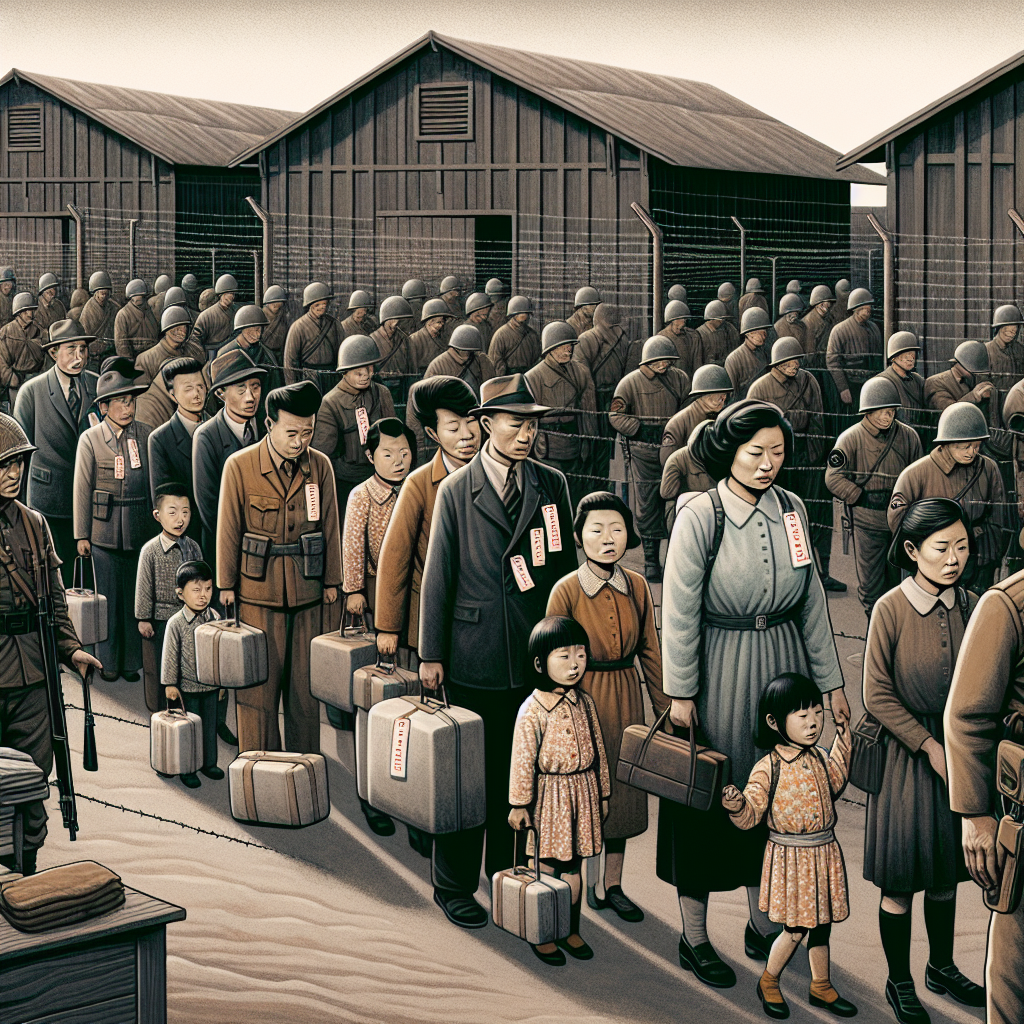
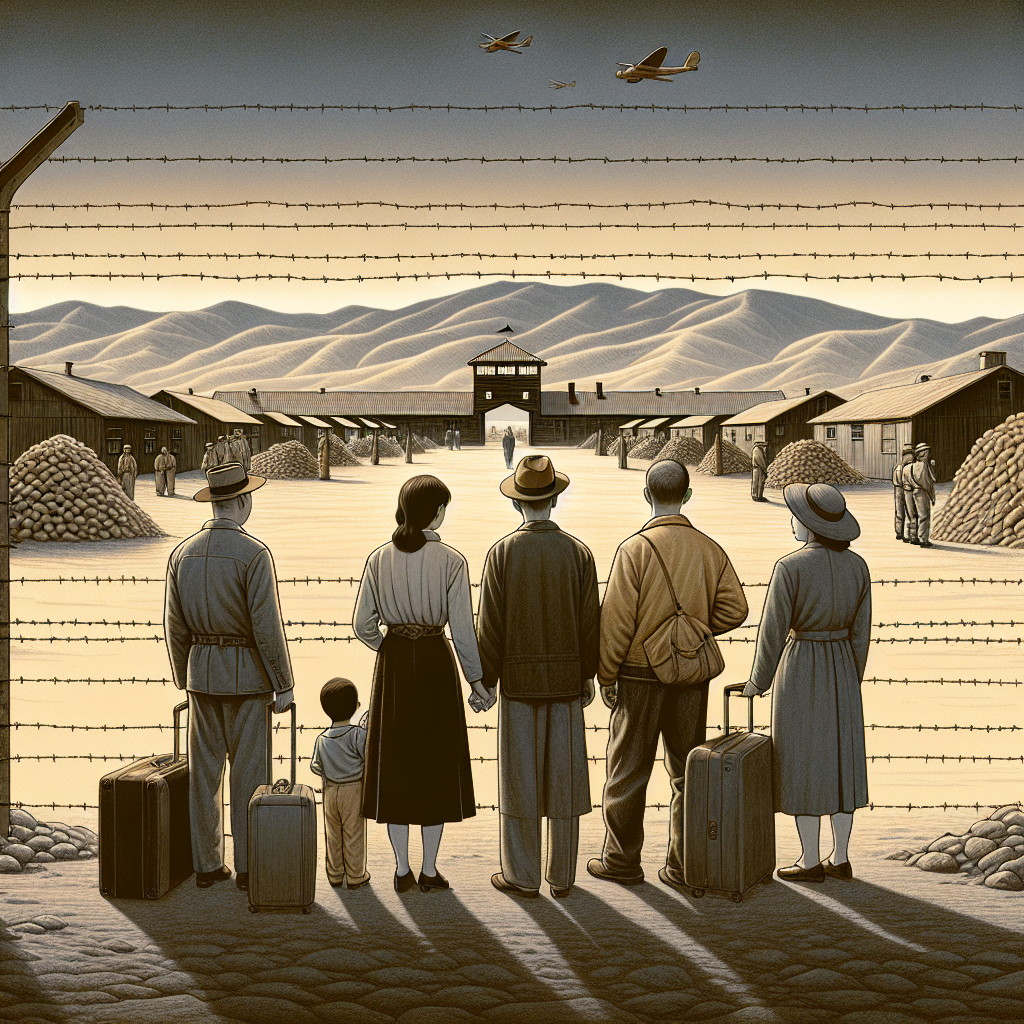
Victory was manufactured as much as it was won. Factories retooled, women filled the assembly lines, and the whole economy bent toward war production. The same emergency that united the country also produced its darkest domestic chapter — the mass internment of Japanese Americans.
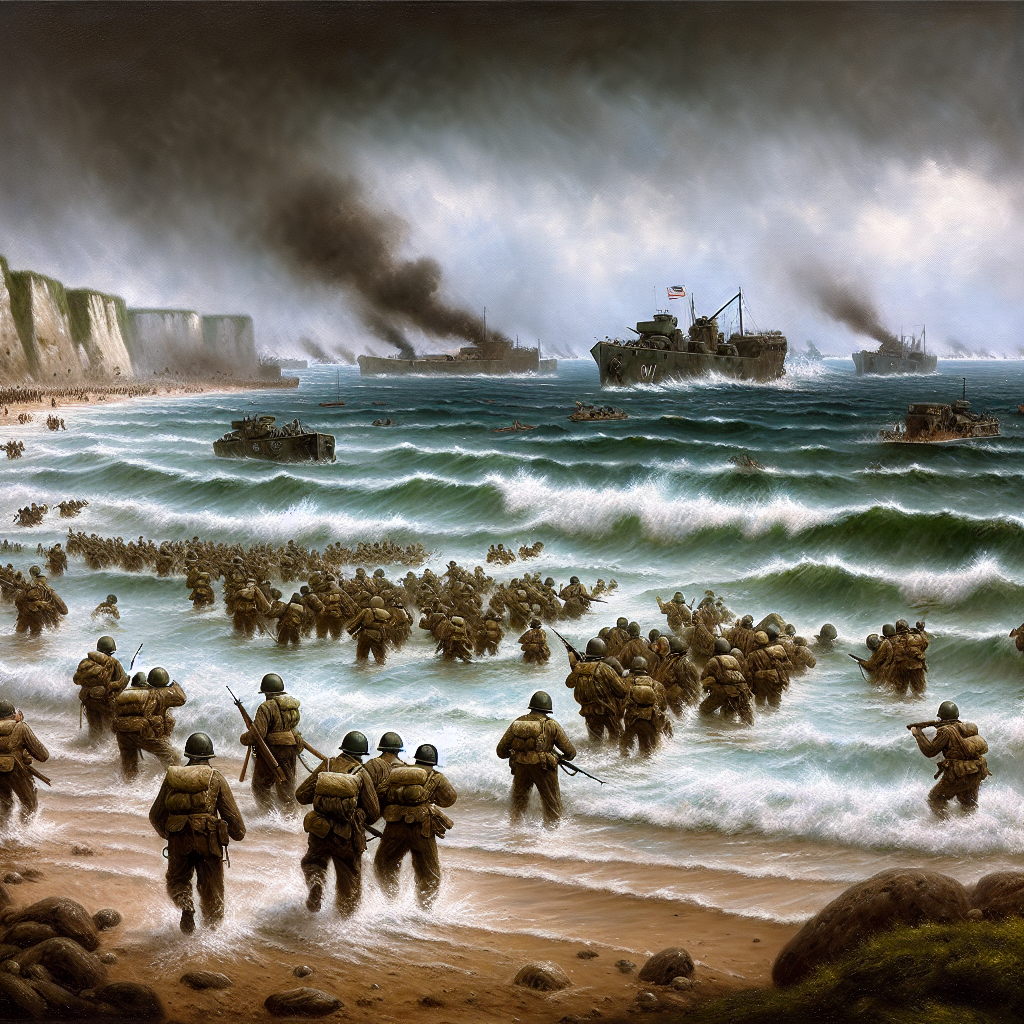
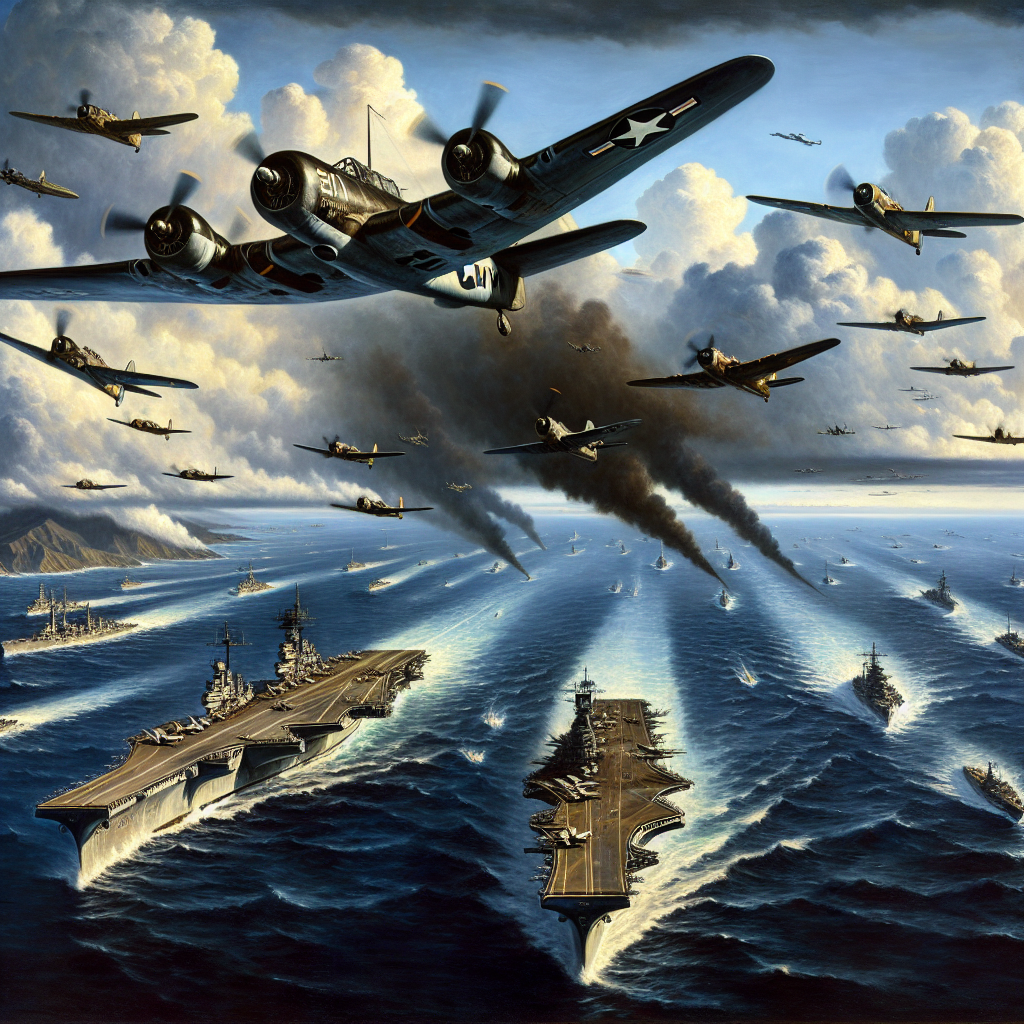
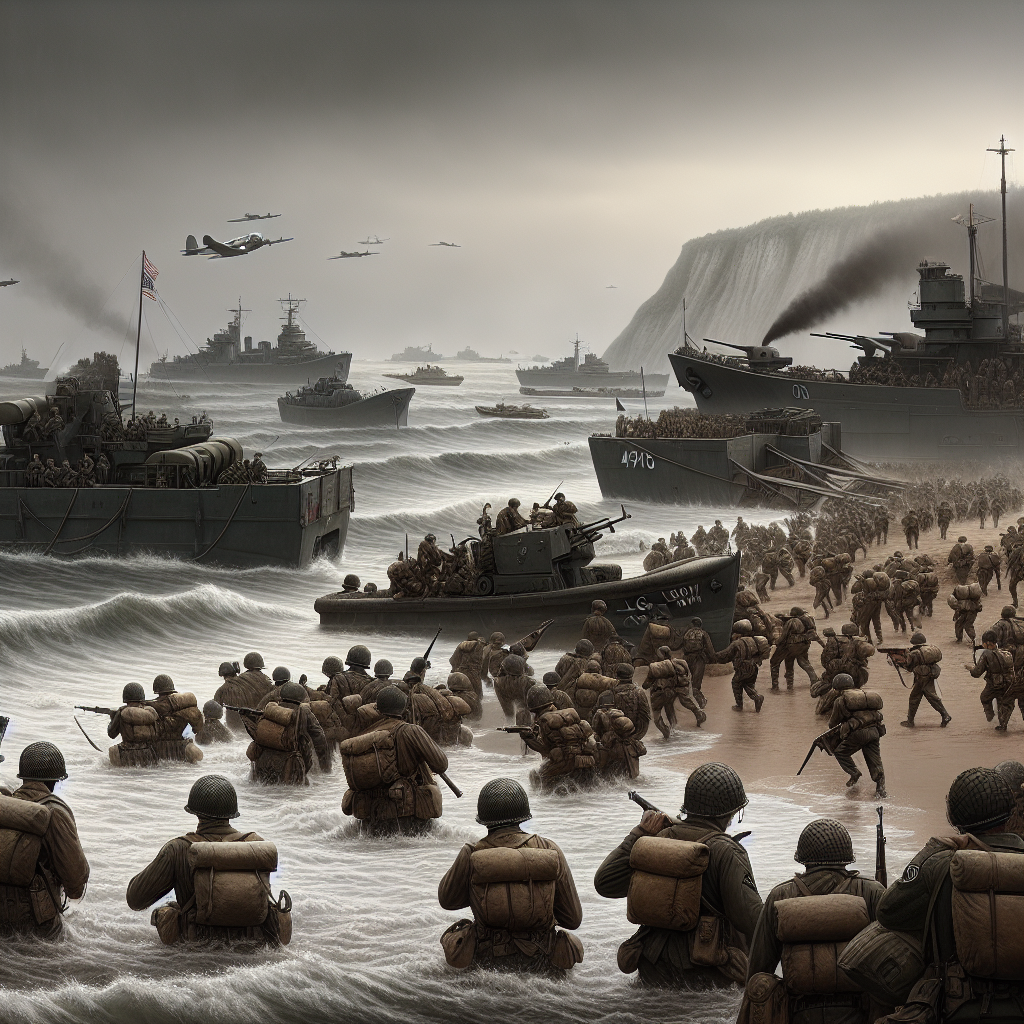
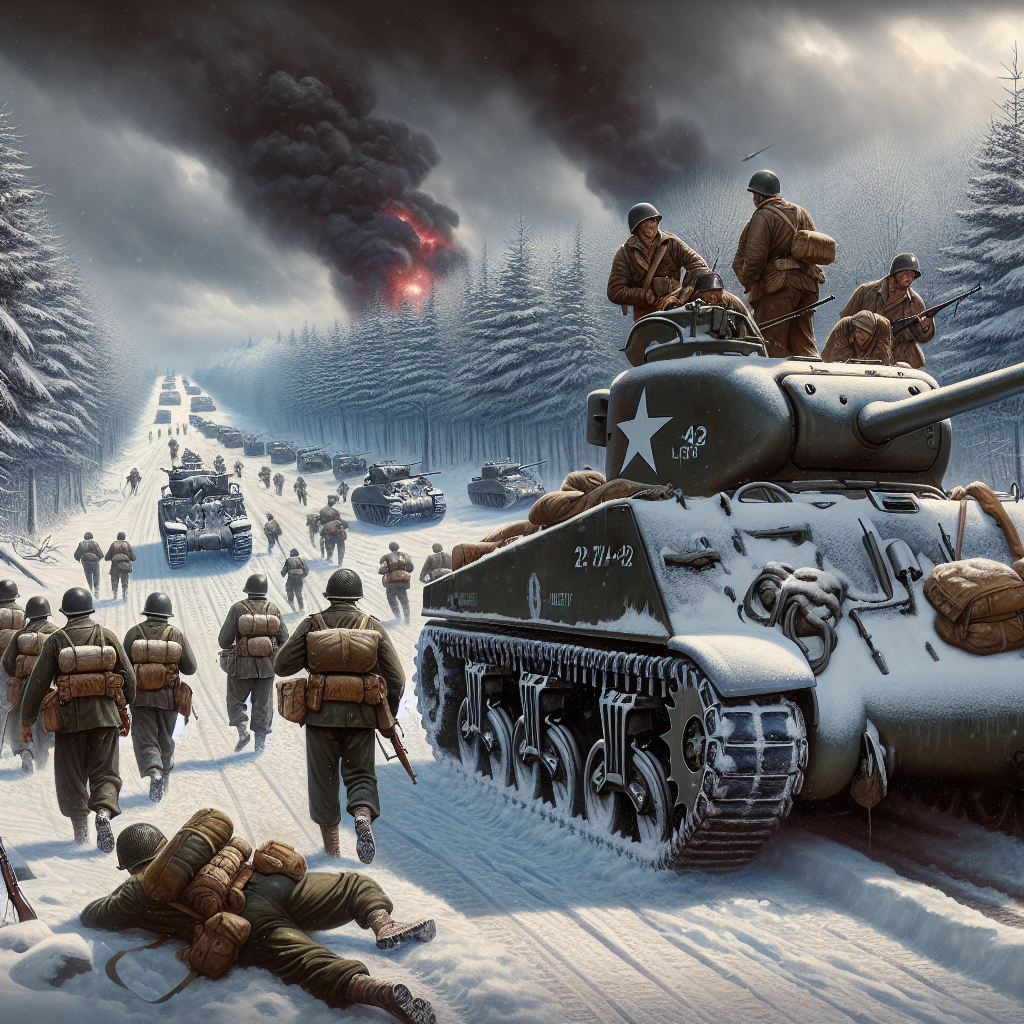
The first year of the war went badly. Then, within months, the momentum turned — at sea in the Pacific and, two years later, on the beaches of Normandy and in the forests of the Ardennes, where the Allies absorbed Germany's last counterstroke and pushed on toward Berlin.
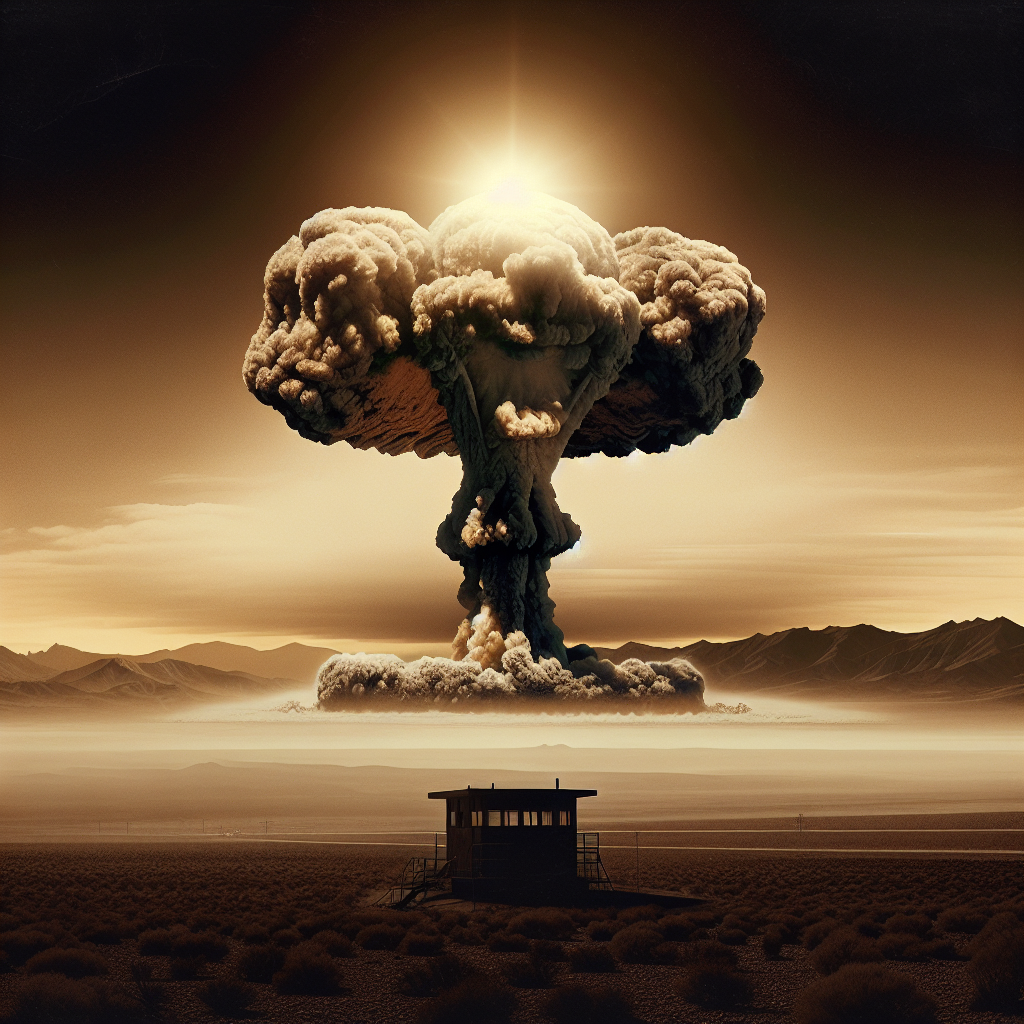
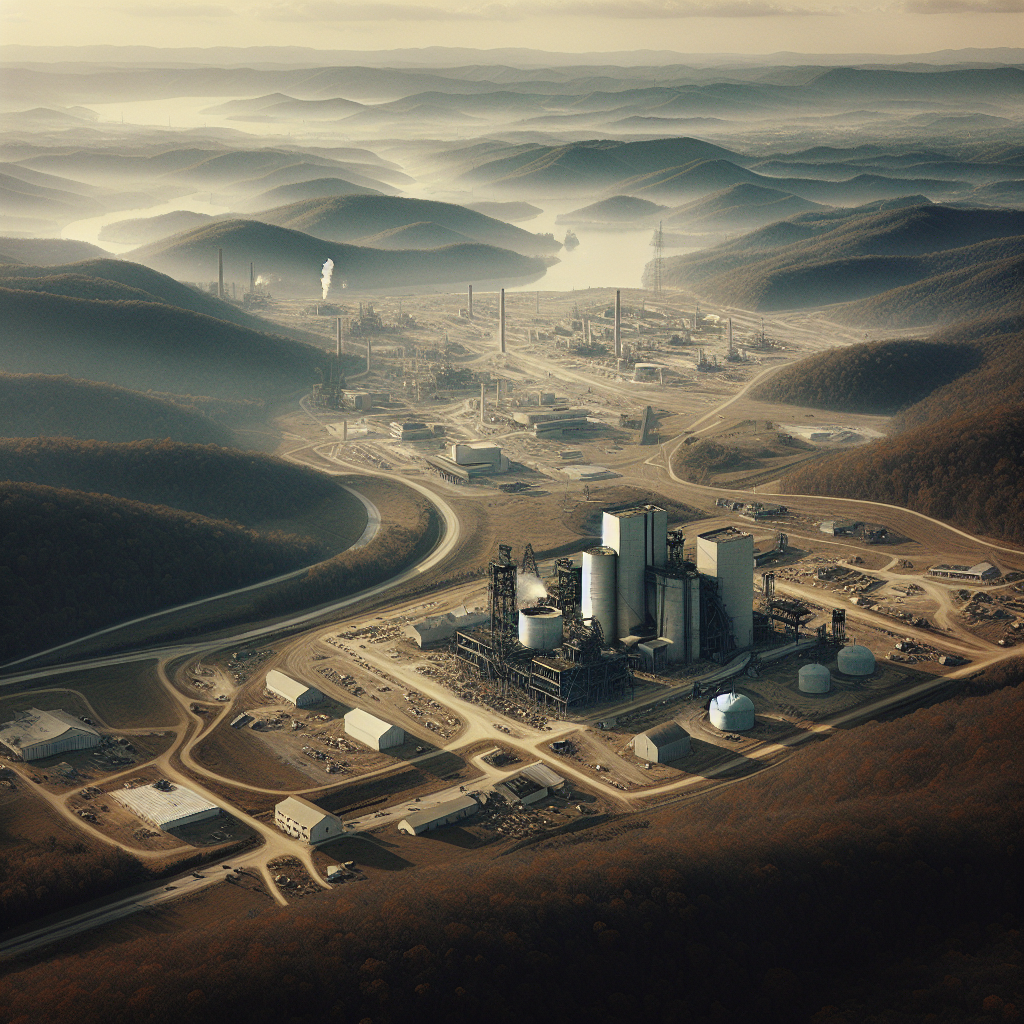
While armies fought, a hidden effort raced to build a weapon of unprecedented power. Spread across secret cities and laboratories, the Manhattan Project ended the war in the Pacific and left the world to reckon with what it had unleashed.
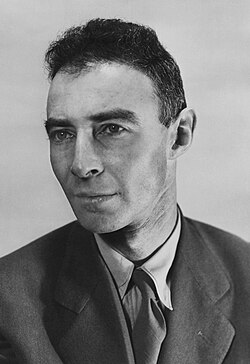
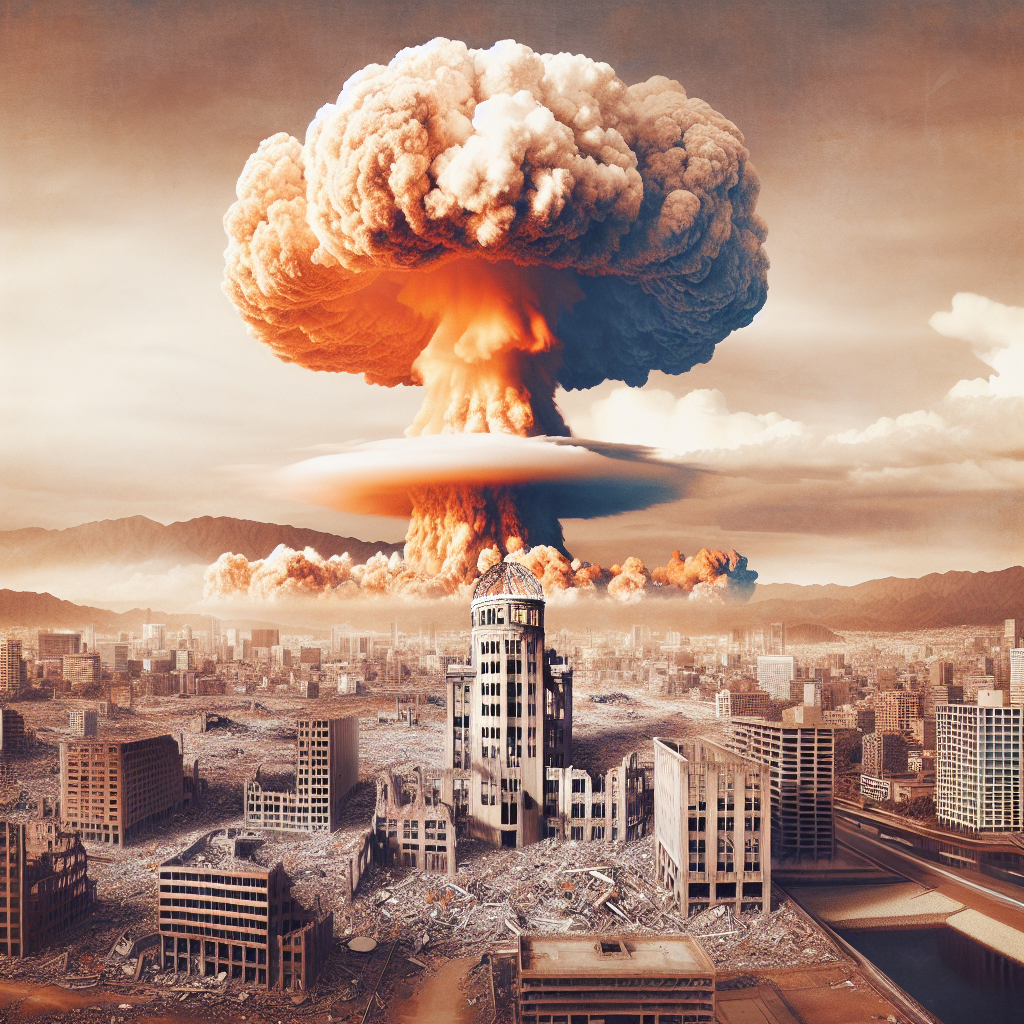
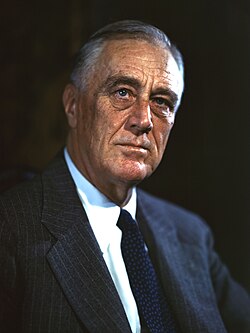
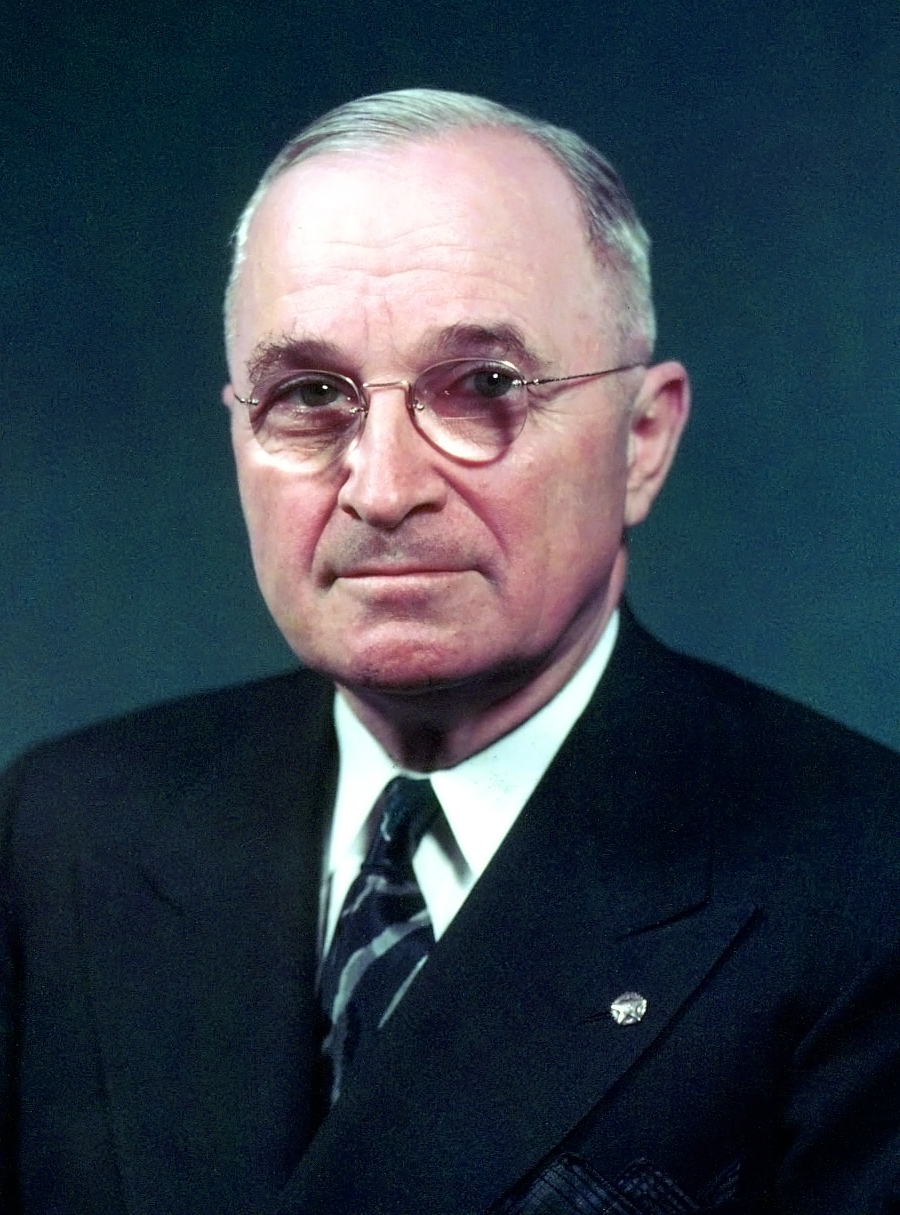
The American war was directed by a small group of decisive figures — a president who held the alliance together, the successor who chose to use the bomb, and the generals who led men in the field.
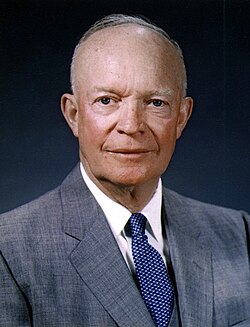
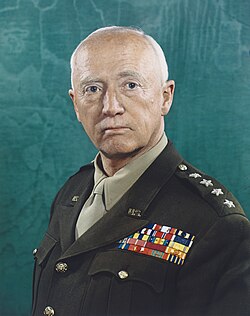
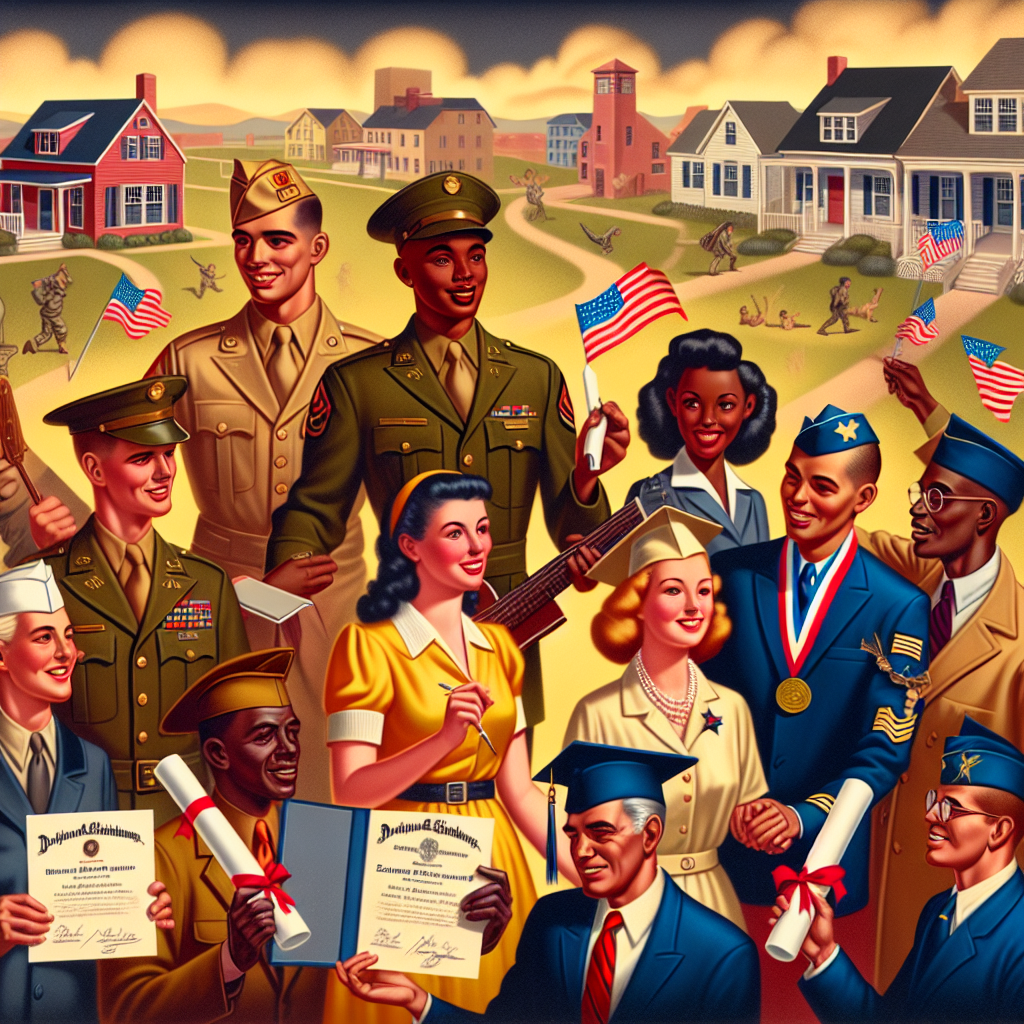
The war remade the country it sent home. Returning veterans entered a transformed economy, and a single law helped turn millions of them into students, homeowners, and the core of a new middle class.
The peace that followed was not really peace. Within two years the wartime alliance with the Soviet Union had hardened into a new global standoff — that story is told in the guide to the Cold War. For the larger sweep of American conflict from the Revolution to the present, see every U.S. war and major conflict explained.