Rosie the Riveter
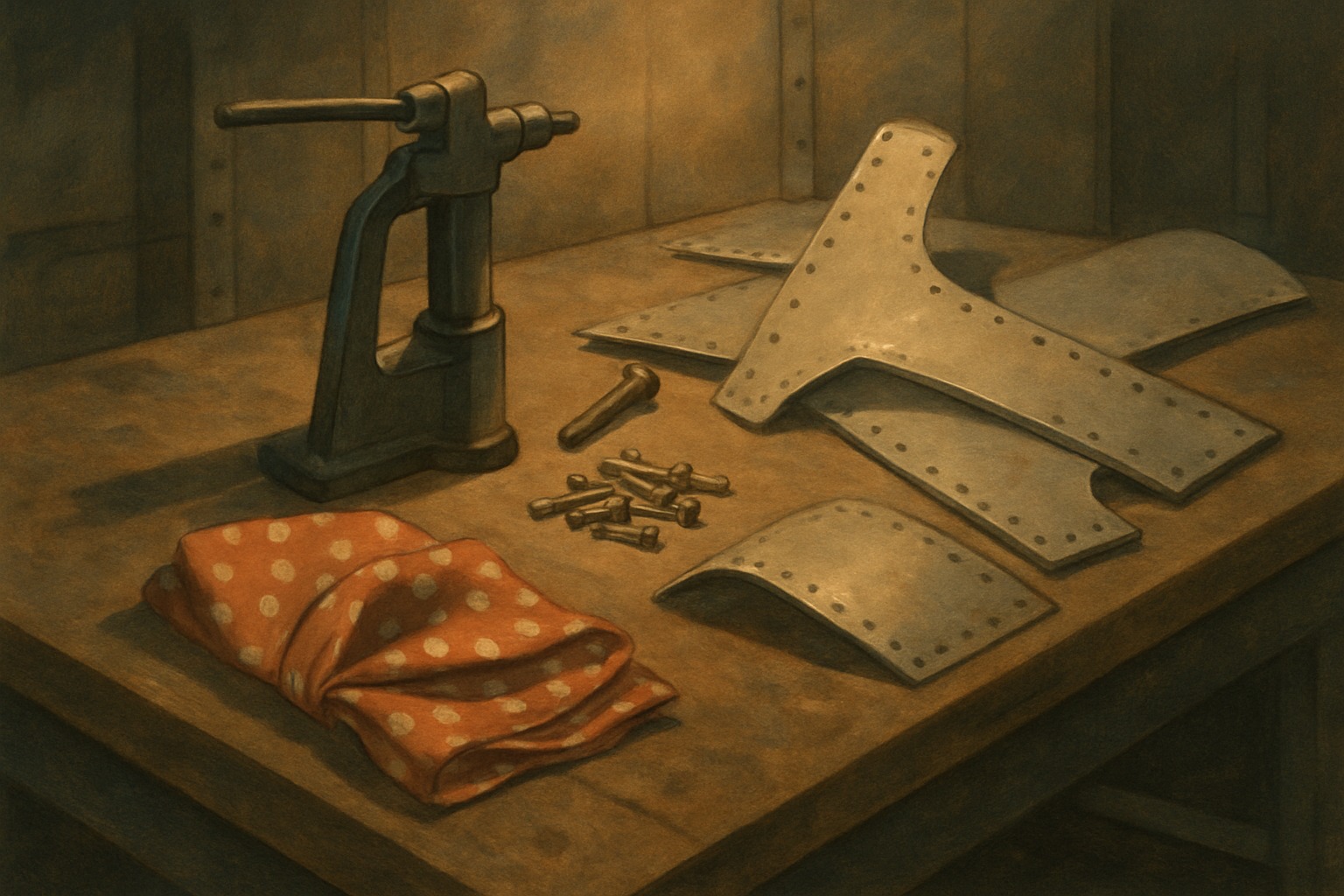
Rosie the Riveter is the cultural icon of the millions of American women who took factory and shipyard jobs during World War II. With men away at war and industry desperate for workers, women poured into the defense plants — building the aircraft, ships, and munitions that made the United States the "arsenal of democracy."
Some six million women entered the workforce during the war, many in heavy industry that had been almost entirely male. Government and industry recruited them with images of strong, capable women workers — the most famous being the "We Can Do It!" poster and Norman Rockwell's muscular Rosie — and the icon came to stand for female strength and capability.
The experience changed how women, and the country, saw what women could do. Having proven themselves in skilled industrial work, many were reluctant to return to the home when the war ended and the men came back — though strong social pressure pushed many out of their jobs.
Rosie the Riveter endured as a feminist symbol long after the war, reclaimed by later generations as an emblem of women's capability and independence. The wartime mobilization is often seen as an important step on the road to the women's movement of the postwar decades.
| What | Icon of women industrial workers in World War II |
| Scale | ~6 million women entered the wartime workforce |
| Images | The "We Can Do It!" poster; Rockwell's Rosie |
| After | Social pressure pushed many out as men returned |
| Legacy | Reclaimed as a lasting feminist symbol |
| Date | World War II |