J. Robert Oppenheimer
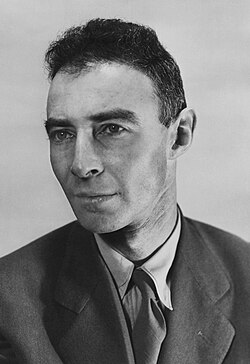
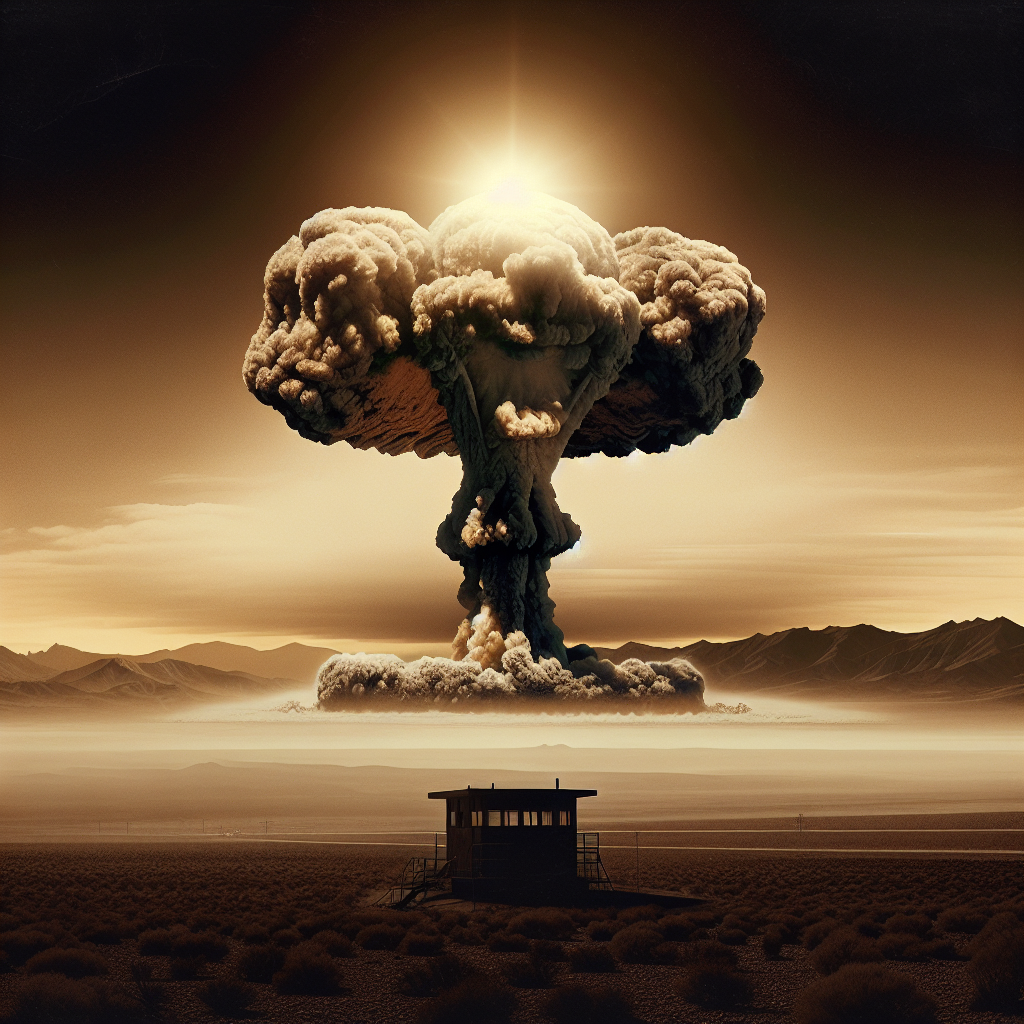
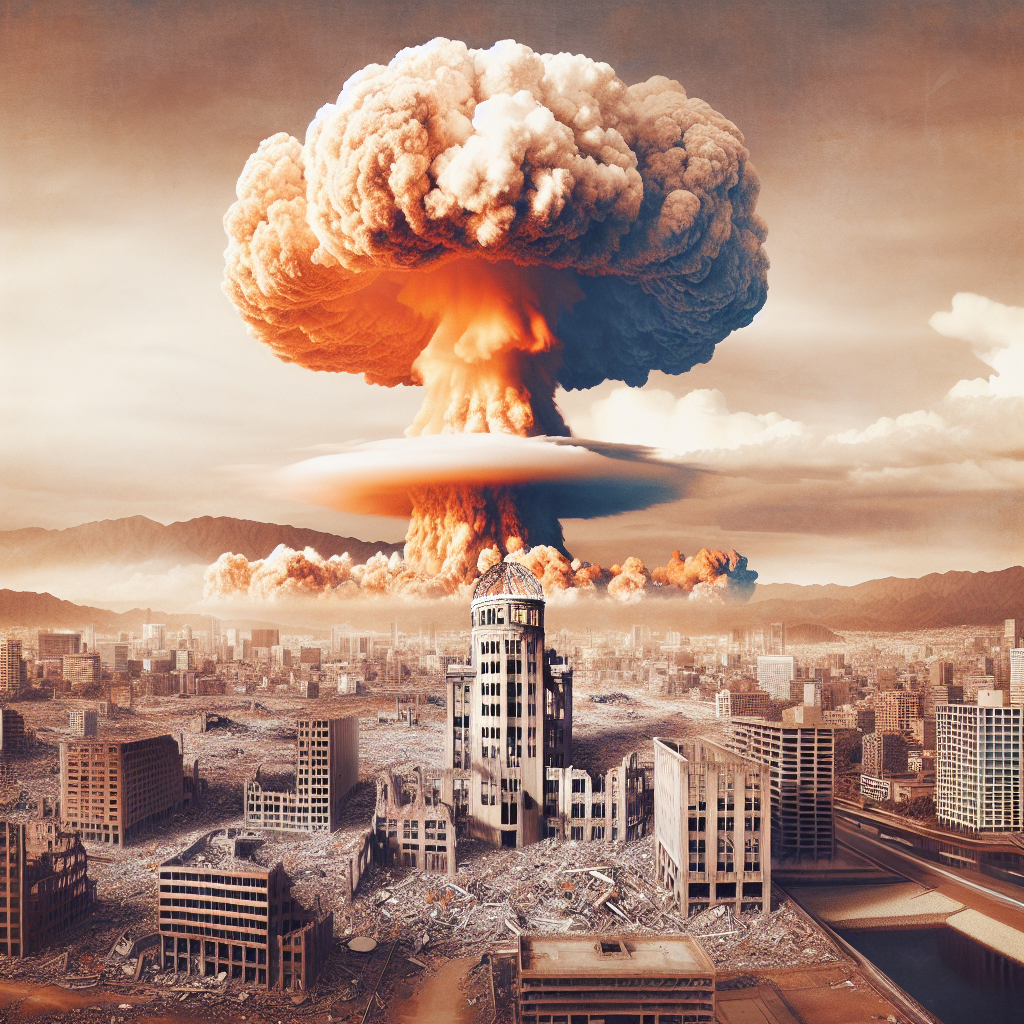
J. Robert Oppenheimer was the most brilliant scientific administrator the United States government ever employed, and the country rewarded him by destroying his career. As scientific director of the Manhattan Project from 1942 to 1945, he coordinated the work of thousands of scientists, engineers, and military personnel at Los Alamos, New Mexico, to produce the first nuclear weapons in history. When the Trinity test detonated on July 16, 1945, Oppenheimer recalled a line from the Bhagavad Gita: "Now I am become Death, the destroyer of worlds." The bombs dropped on Hiroshima and Nagasaki three weeks later killed an estimated 110,000 to 210,000 people.
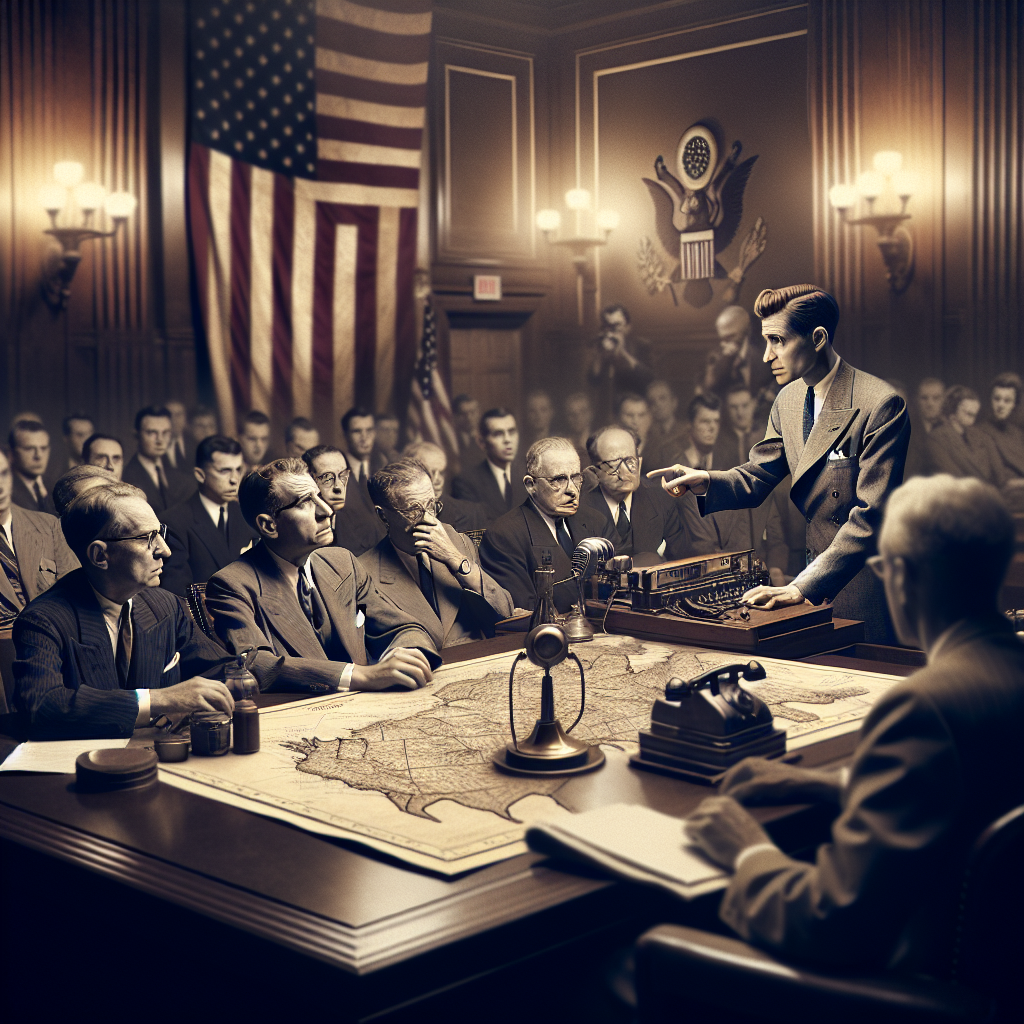
After the war Oppenheimer chaired the Atomic Energy Commission's General Advisory Committee and argued against the development of the hydrogen bomb on both technical and moral grounds. His opposition made powerful enemies. In 1954, at the height of McCarthyism, the AEC held a security hearing that stripped him of his security clearance — a proceeding that was less a genuine investigation than a political execution, driven by his enemies in government and the military. He was not charged with disloyalty but declared a security risk, effectively ending his role in public scientific life. He spent his remaining years at the Institute for Advanced Study in Princeton.
President John F. Kennedy awarded Oppenheimer the Enrico Fermi Award in 1963 — a partial rehabilitation that came eight years too late. He died of throat cancer in 1967. In 2022, the Department of Energy formally vacated the 1954 security hearing decision, acknowledging that the process had been a politically motivated travesty. The question he never resolved — whether building the bomb was right — he carried to his death without answering cleanly, and the question has not gotten easier since.
| Born | April 22, 1904 — New York City |
| Died | February 18, 1967 — Princeton, New Jersey |
| Role | Scientific Director, Manhattan Project, Los Alamos Laboratory |
| Trinity test | July 16, 1945 — first nuclear detonation, New Mexico |
| Security hearing | 1954 — clearance revoked; decision vacated 2022 |
| Later role | Director, Institute for Advanced Study, Princeton, 1947–1966 |
| Rehabilitation | Enrico Fermi Award, 1963; DOE exoneration, 2022 |
| Years | 1904–1967 |
| Location | Los Alamos, New Mexico |