World War II
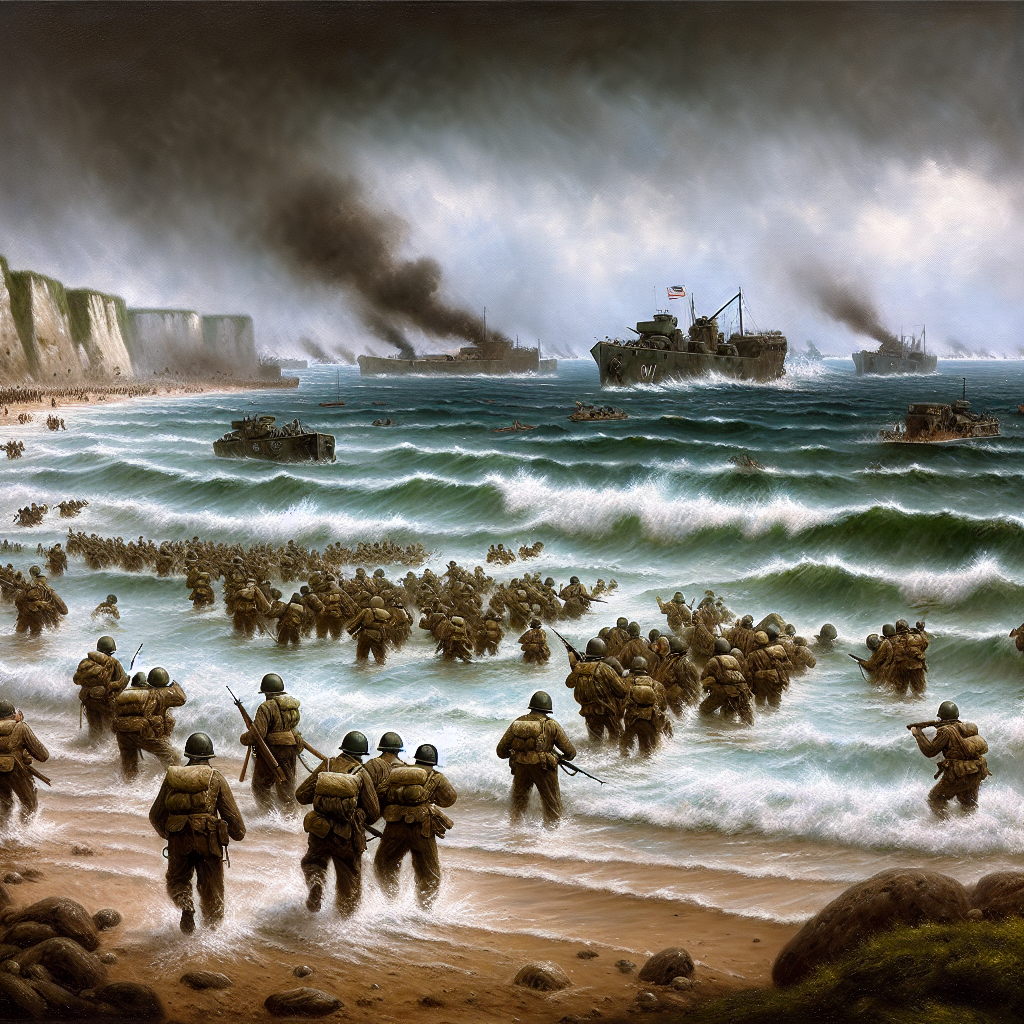
America entered World War II on December 8, 1941, the morning after Japan's attack on the naval base at Pearl Harbor, Hawaii, and for the next four years mobilized at a scale that had no precedent in human history. By 1944 the United States was simultaneously fighting a two-ocean war, supplying its allies through the Lend-Lease program, and producing half the world's weapons. Sixteen million Americans served in uniform. More than 400,000 did not come home. The war ended the Great Depression, remade American industry, moved women into the workforce at scale, and established the United States as the dominant power in a world where every other major industrial nation lay in ruins.
The European theater required defeating Nazi Germany, which had conquered most of the continent and was conducting the systematic murder of six million Jews and millions of others in the Holocaust. American forces landed in North Africa in 1942, fought through Italy in 1943, and stormed the beaches of Normandy on June 6, 1944 — D-Day — in the largest amphibious assault in history. Germany surrendered on May 8, 1945. The Pacific theater required island-hopping campaigns across thousands of miles, ferocious fighting against Japanese forces who rarely surrendered, and culminated in the atomic bombings of Hiroshima and Nagasaki in August 1945 and Japan's surrender on September 2.
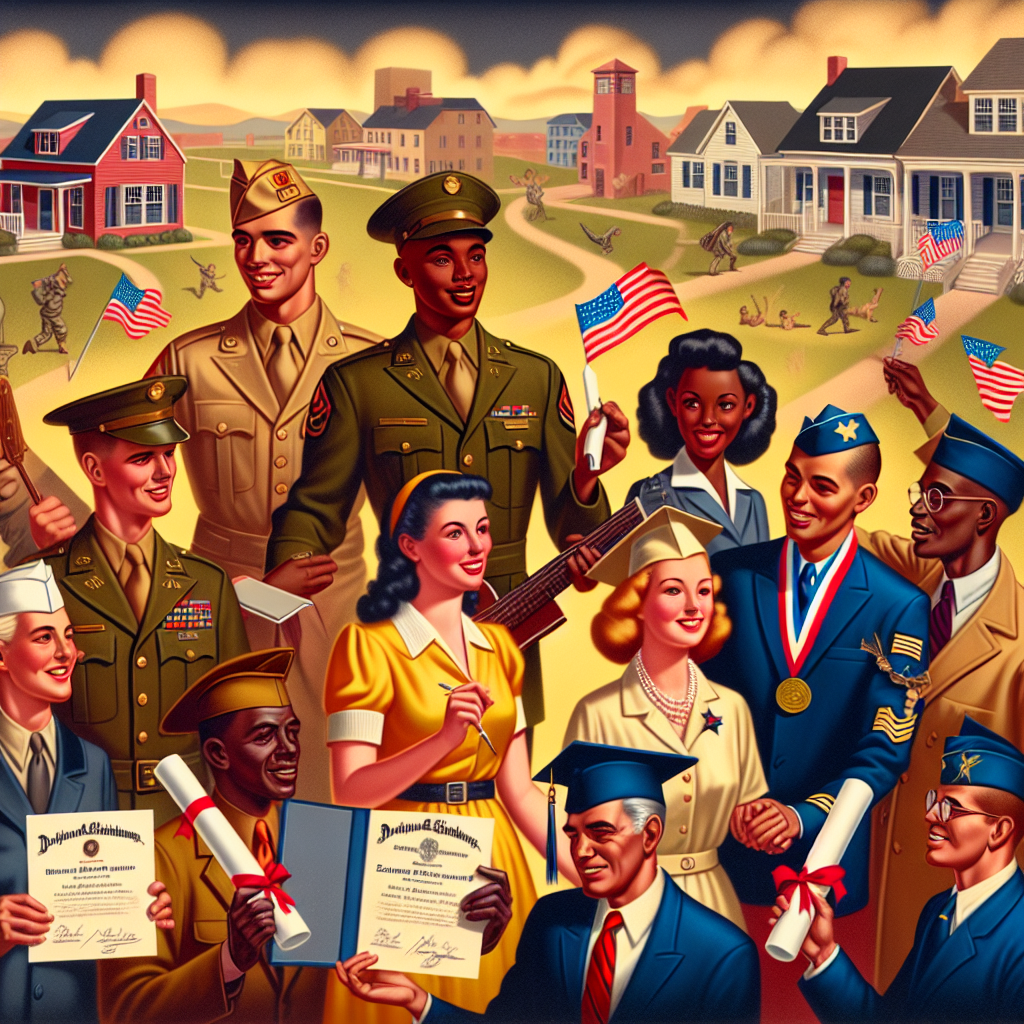
The war's domestic consequences were as transformative as its military ones. The internment of 120,000 Japanese Americans — two-thirds of them citizens — stands as one of the most significant civil liberties failures in American history, authorized by Executive Order 9066 and upheld by the Supreme Court in Korematsu v. United States (1944). Black Americans served in segregated units and returned home to a country that still denied them basic rights — a contradiction that energized the postwar civil rights movement. The GI Bill sent millions of veterans to college and into the suburbs, reshaping the American class structure and creating the prosperity of the 1950s.
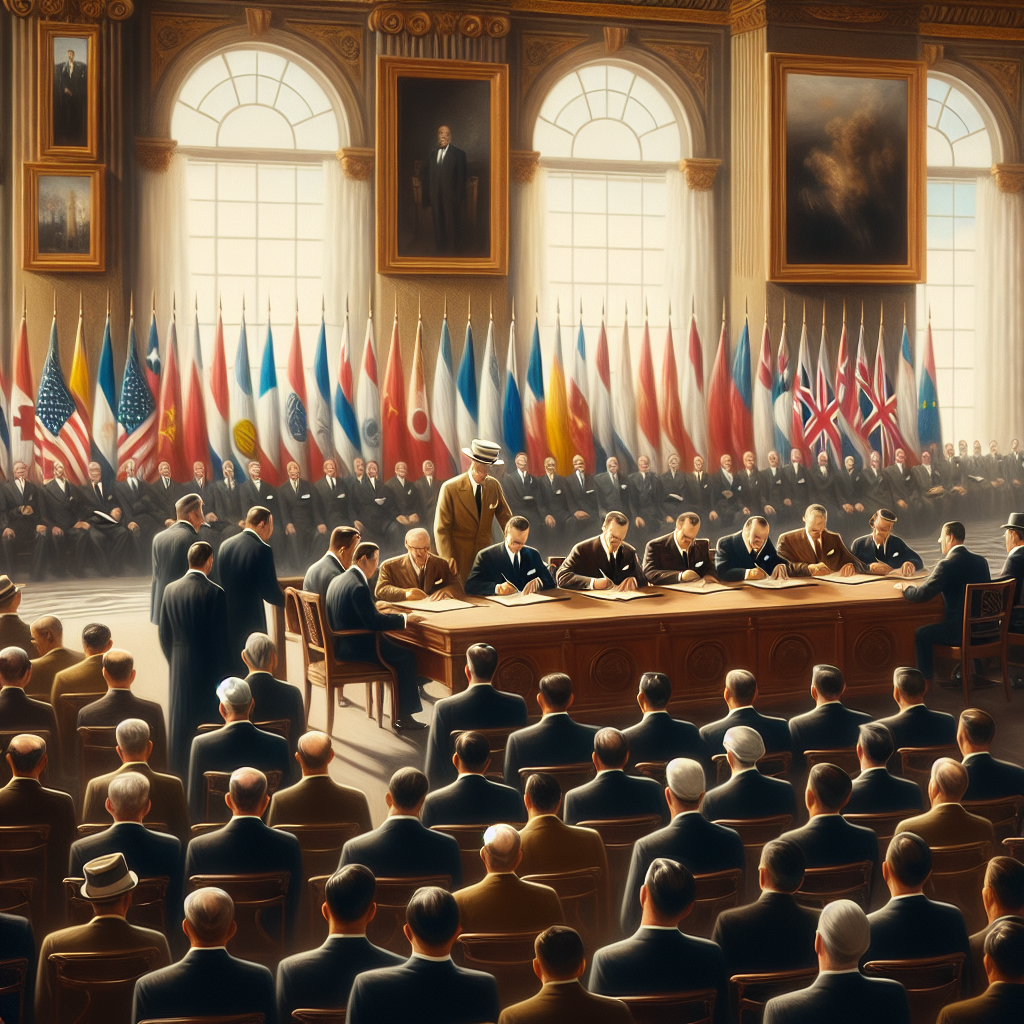
The war's end did not bring peace so much as a new kind of permanent tension. The alliance with the Soviet Union dissolved almost immediately into the Cold War. The United Nations, the World Bank, the International Monetary Fund, and NATO were all created in the war's immediate aftermath, institutions designed to prevent a recurrence. The atomic bomb, developed in secret and deployed without warning, announced that the next great power conflict might extinguish civilization rather than merely rearrange it. That possibility has governed world politics ever since.
| U.S. entry | December 8, 1941 (day after Pearl Harbor) |
| U.S. military served | ~16 million |
| U.S. military deaths | ~405,000 |
| D-Day | June 6, 1944 — Normandy, France |
| V-E Day | May 8, 1945 |
| Atomic bombings | Hiroshima (Aug. 6) and Nagasaki (Aug. 9), 1945 |
| V-J Day | September 2, 1945 |
| Japanese Americans interned | ~120,000 |
| Date | December 7, 1941 – September 2, 1945 |
| Location | United States |