Harry S. Truman
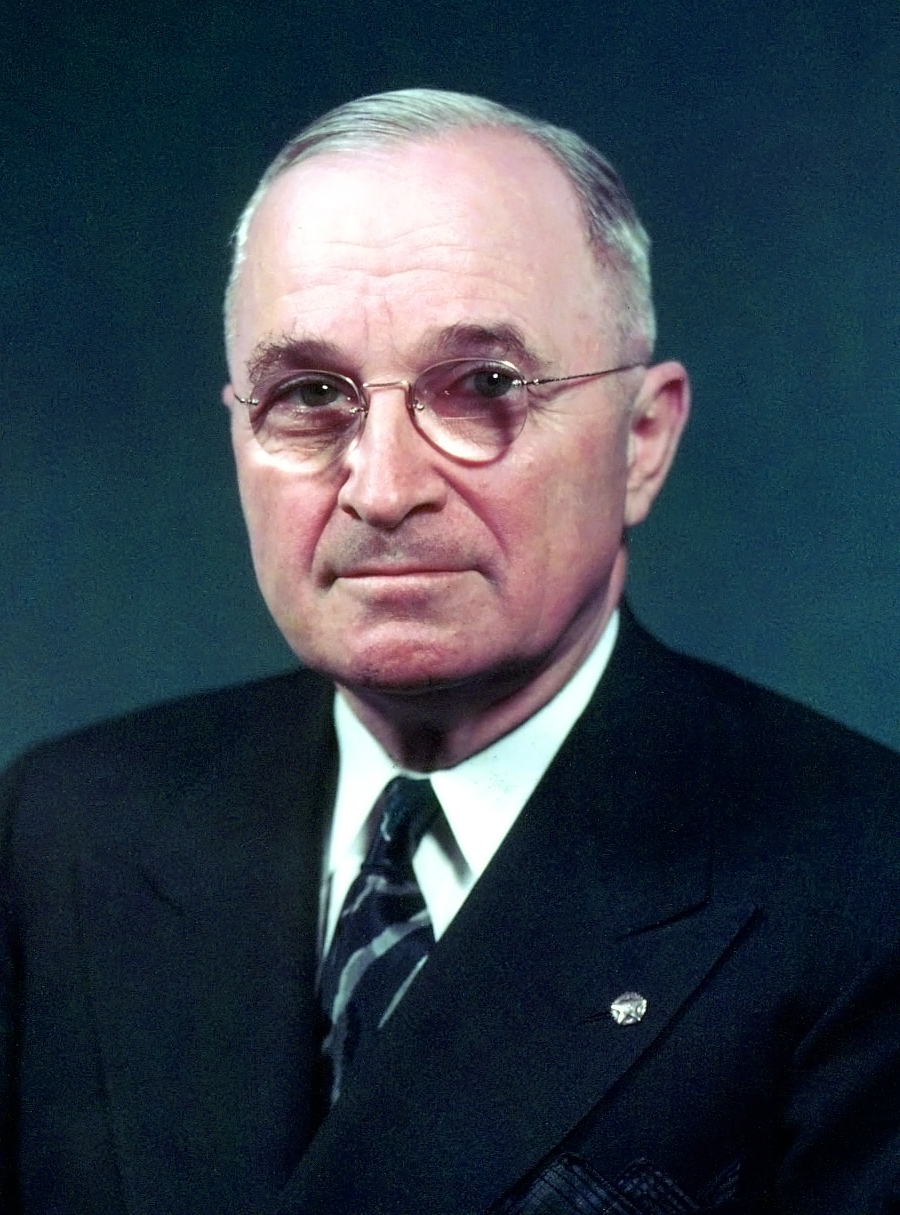
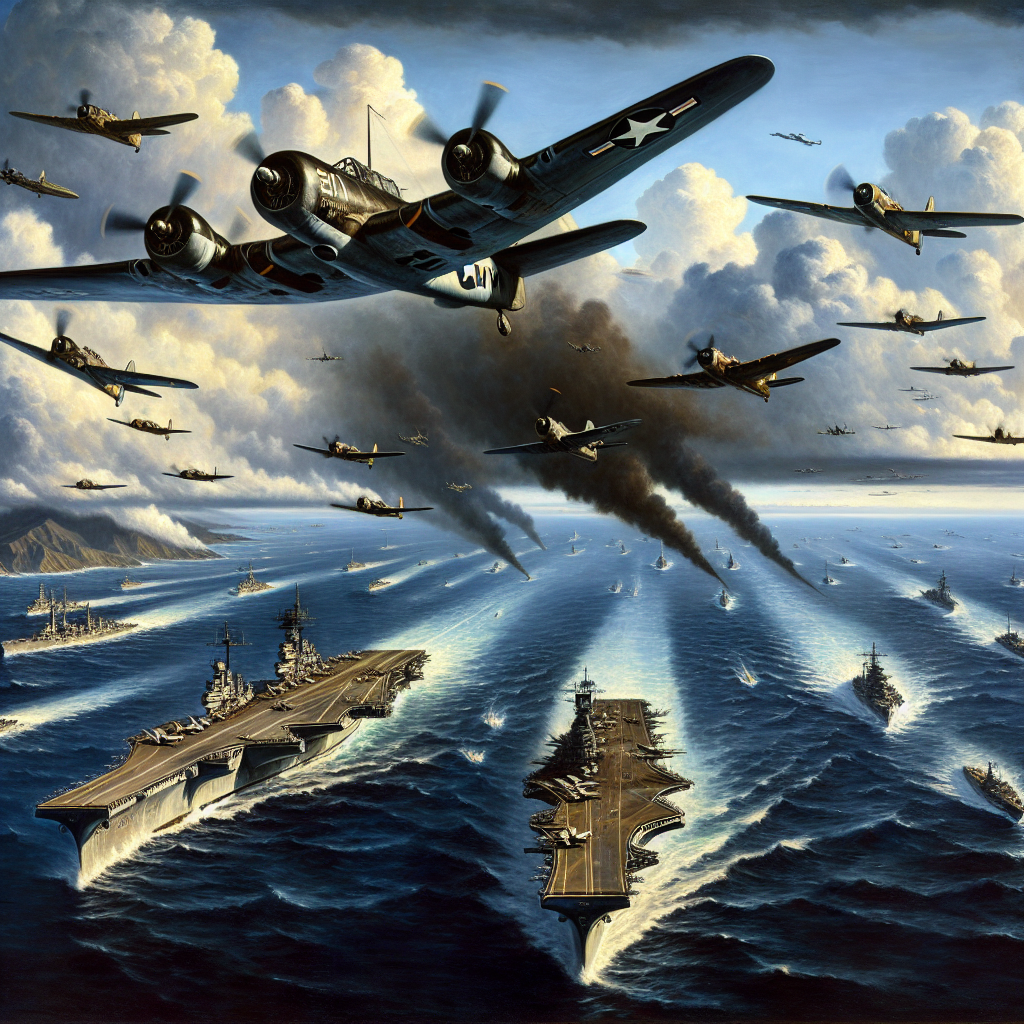
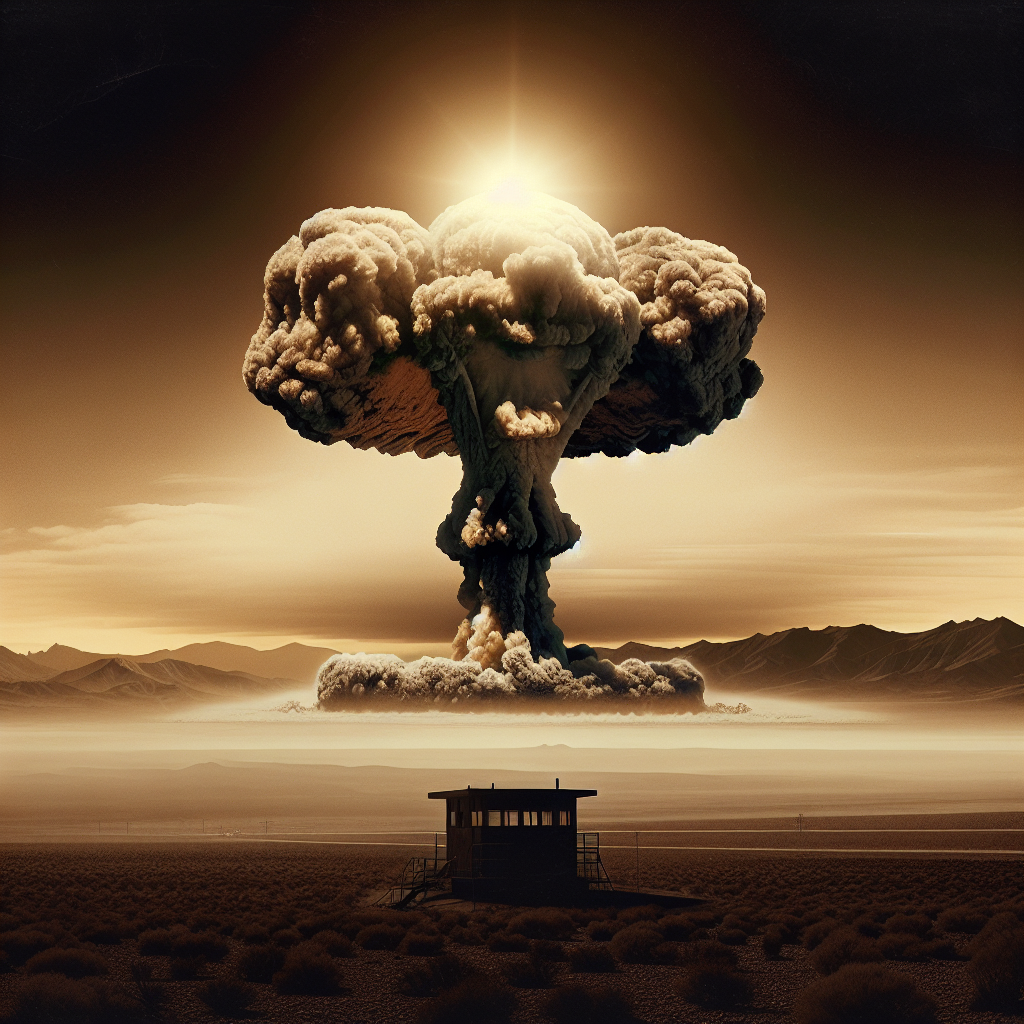
Harry Truman was so thoroughly underestimated by so many people for so long that the underestimation itself became a political asset. He had been a failed haberdasher, a machine politician from Kansas City, and a vice president so marginal that Franklin Roosevelt met with him twice in 82 days before dying and leaving him the hardest job in the world at its hardest moment. He learned of the atomic bomb's existence the day he became president. Within four months he had used it twice. Within three years he had articulated the doctrine that would govern American foreign policy for the next 45 years, integrated the armed forces by executive order, and won a presidential election that virtually every poll and pundit in America had said he would lose. The photograph of him holding the Chicago Tribune headline reading "DEWEY DEFEATS TRUMAN" is the definitive image of the gap between what experts predict and what actually happens.
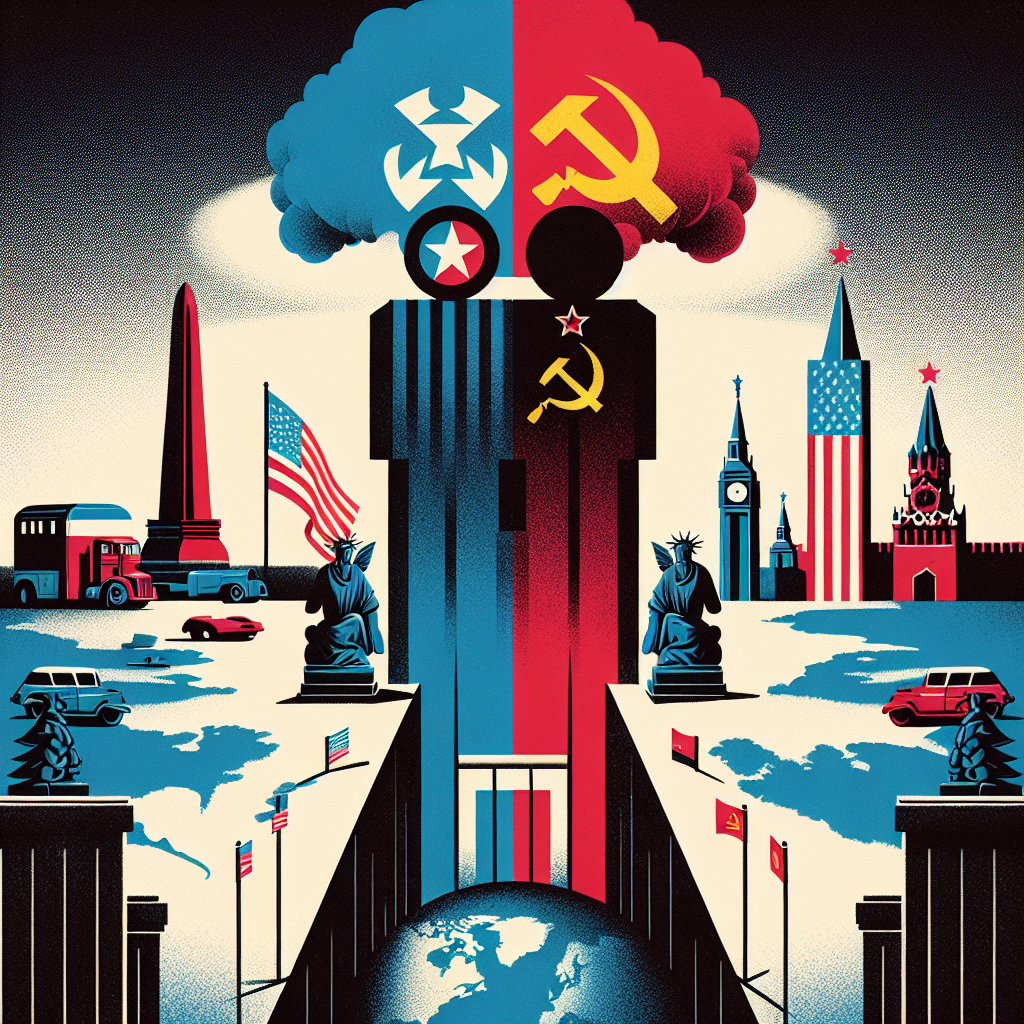
The Truman Doctrine, announced in a March 1947 address to Congress, committed the United States to opposing communist movements everywhere in the world — a sweeping declaration that made every regional conflict a Cold War test and that successive administrations used to justify interventions from Korea to Vietnam to Latin America. The Marshall Plan that followed committed $13 billion to rebuilding Western European economies, understanding that poverty was communism's best recruiting tool. Both were the right calls; both created precedents that were applied indiscriminately in less clear-cut situations for decades. The Berlin Airlift of 1948–49, during which American and British aircraft supplied West Berlin for 11 months after the Soviets blockaded it, demonstrated that the West would hold its positions without firing a shot — arguably the Cold War's most elegant use of American power.
Executive Order 9981, signed July 26, 1948, desegregated the United States military — one of the most consequential strokes of a presidential pen in American history, accomplished without legislation or Supreme Court ruling, simply by executive command. Truman did it partly out of genuine moral conviction, partly because Black veterans returning from a war against fascism and being denied basic rights at home was a moral obscenity he could not continue ignoring, and partly because he needed Black votes in northern cities to win the 1948 election. He won anyway, the most stunning upset in American electoral history. He left office in January 1953 with an approval rating of 32 percent. Fifty years of historical reassessment have moved him into the top tier of American presidents, a rehabilitation he did not live to see completed but would have enjoyed enormously.
| Born | May 8, 1884 — Lamar, Missouri |
| Died | December 26, 1972 — Kansas City, Missouri |
| Term | April 12, 1945 – January 20, 1953 |
| Party | Democrat |
| Vice President | Alben Barkley (1949–53) |
| Key decisions | Atomic bomb (1945); Truman Doctrine (1947); Berlin Airlift (1948); military desegregation (1948) |
| 1948 election | Defeated Thomas Dewey in polling's greatest upset |
| Preceded by | Franklin D. Roosevelt |
| Years | 1884–1972 |
| Location | Independence, Missouri |