Dwight D. Eisenhower
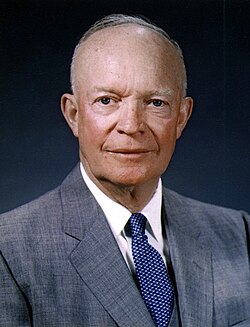
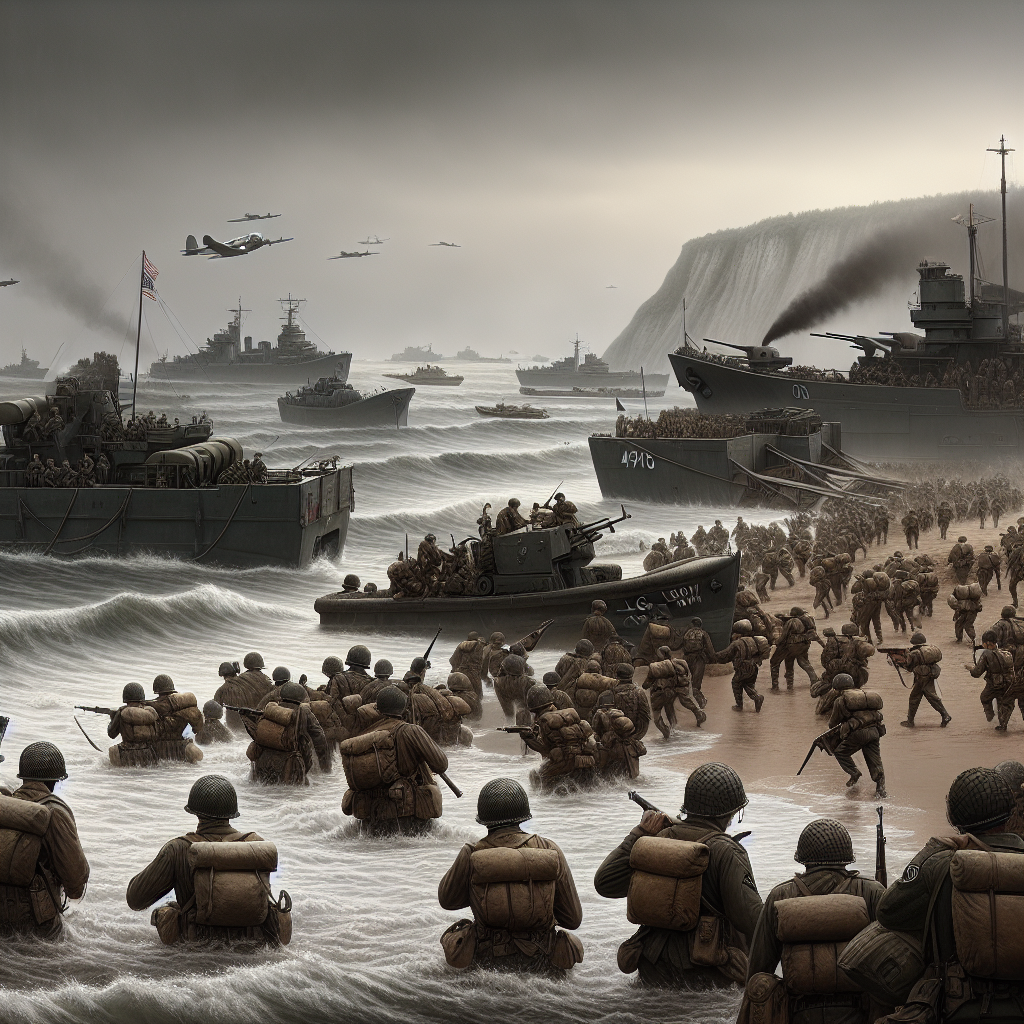
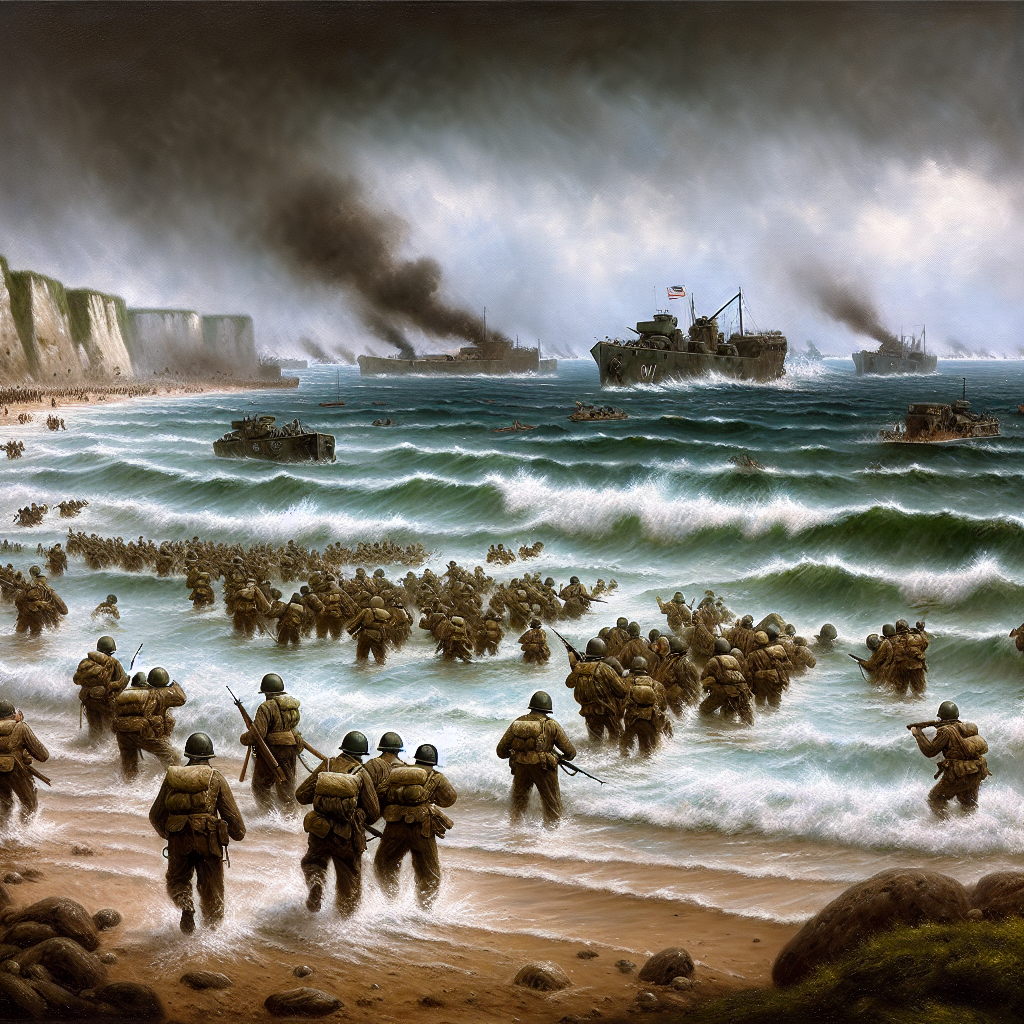
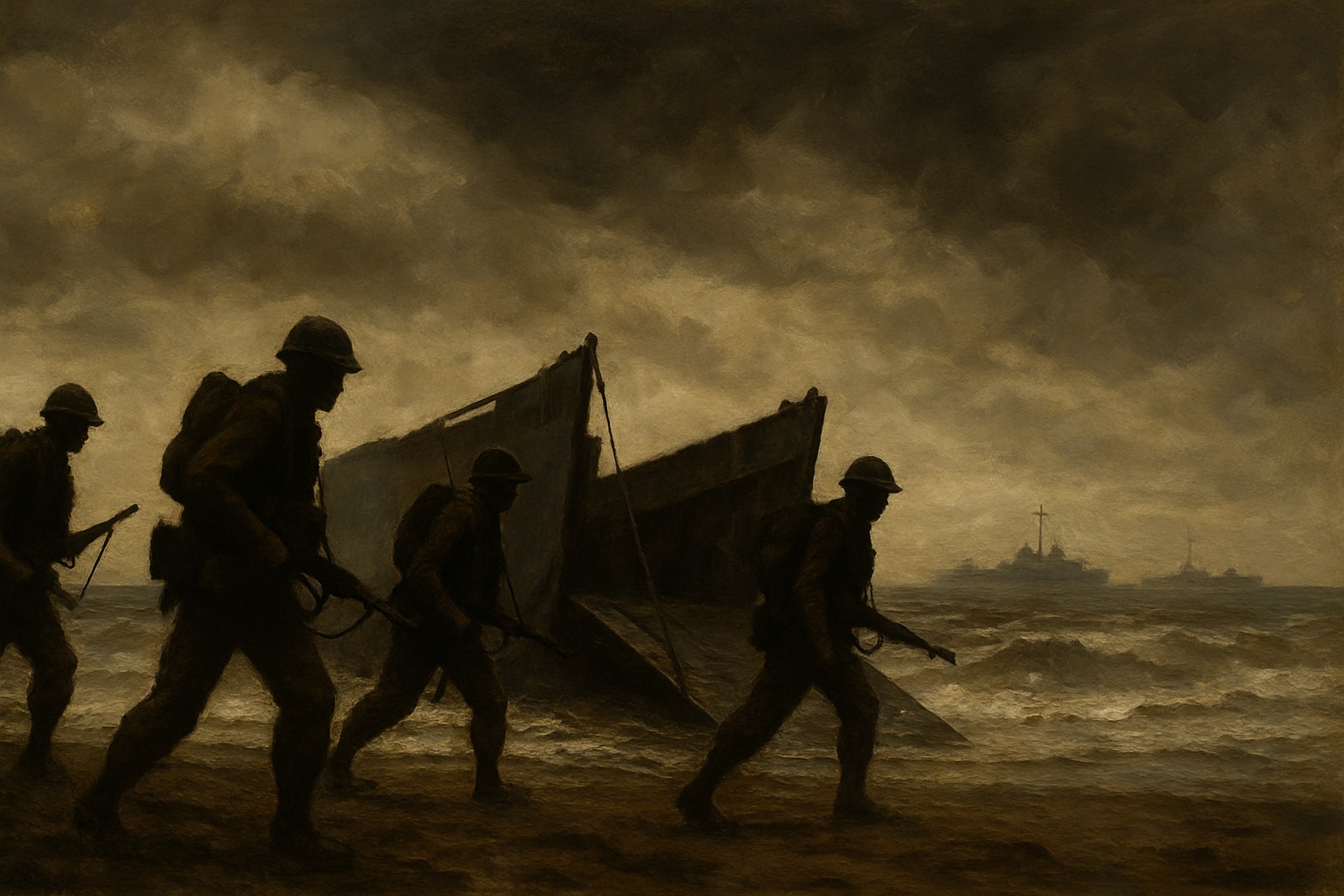
Dwight Eisenhower spent the 1930s as a competent but professionally stalled Army officer, invisible to anyone outside the small world of military planning, and emerged from World War II as the most trusted man in America. He had organized and commanded Operation Overlord — the largest amphibious invasion in history — and brought the Allied coalition through to Germany's surrender with a political deftness that military historians still study, managing the competing vanities of Montgomery, Patton, de Gaulle, and Churchill without losing any of them or the war. Both parties wanted to run him for president in 1948; he declined; they came back in 1952, and he accepted the Republican nomination and won in a landslide, bringing the first Republican presidency in 20 years.
Eisenhower's two terms, 1953 to 1961, look more substantial with each passing decade. He ended the Korean War within six months of taking office. He refused to escalate military confrontations with the Soviet Union when advisors pressed him, understanding better than most of his successors that nuclear powers needed stable rules of engagement rather than demonstrations of resolve. He sent the 101st Airborne to Little Rock to enforce school desegregation when Arkansas's governor defied federal courts. He signed the Interstate Highway Act of 1956, building 41,000 miles of limited-access highway that remade American geography, commerce, and daily life. He also approved CIA coups in Iran (1953) and Guatemala (1954) whose consequences for both countries were catastrophic and whose full extent he kept from the public.
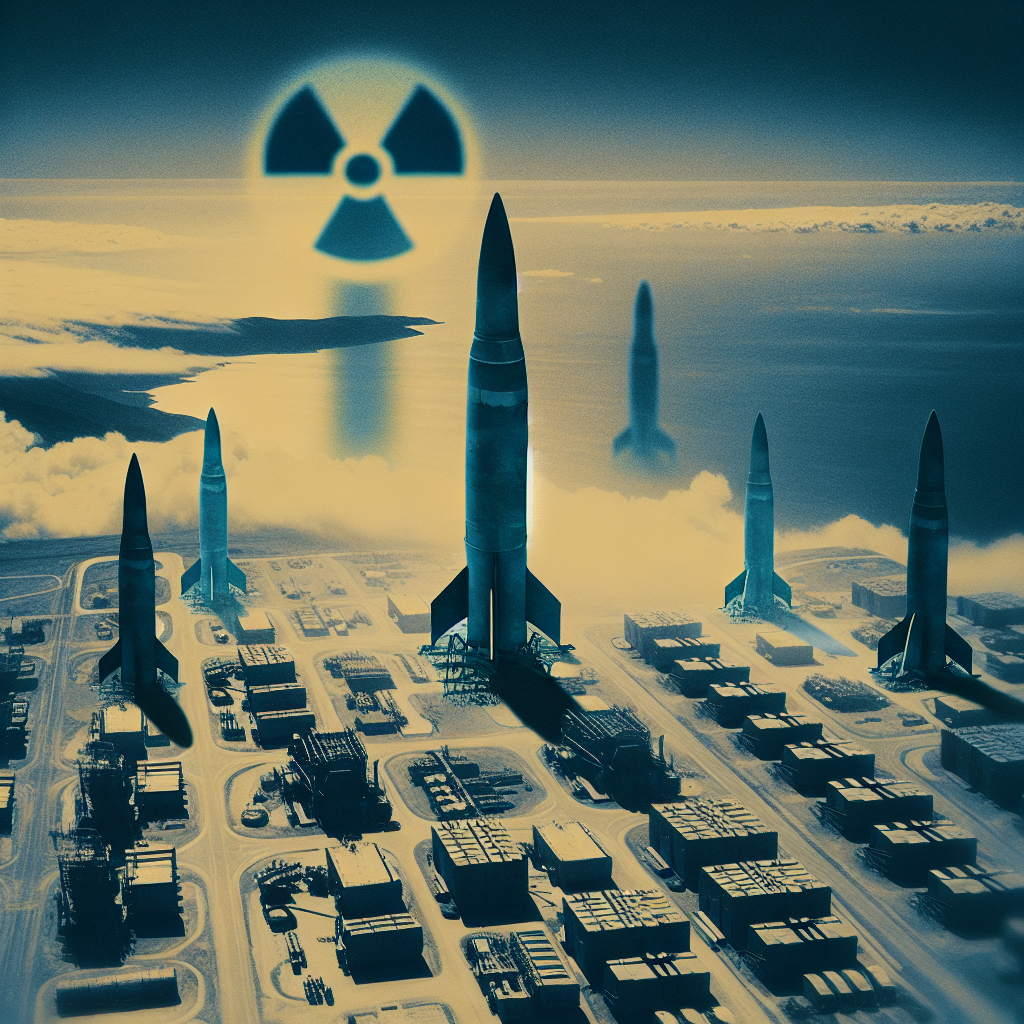
His Farewell Address of January 17, 1961 — delivered three days before Kennedy's inauguration — contains the most important warning in presidential history after Washington's. A professional soldier with five stars, Eisenhower cautioned against "the acquisition of unwarranted influence, whether sought or unsought, by the military-industrial complex" — the fusion of defense contractors, the Pentagon, and congressional appropriators that had grown enormous during the Cold War and whose institutional interests, he warned, did not always align with the country's. The phrase "military-industrial complex" entered the language. The complex he described continued to grow. He was right, and nearly nothing was done about it, which was also what he predicted.

| Born | October 14, 1890 — Denison, Texas |
| Died | March 28, 1969 — Washington, D.C. |
| Term | January 20, 1953 – January 20, 1961 |
| Party | Republican |
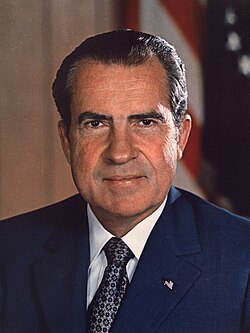
| Vice President | Richard Nixon |
| Military rank | General of the Army (5 stars) |
| Key command | Supreme Allied Commander, Europe (WWII) |
| Highway Act | Interstate Highway Act signed June 29, 1956 |
| Years | 1890–1969 |
| Location | Abilene, Kansas |