Korematsu v. United States
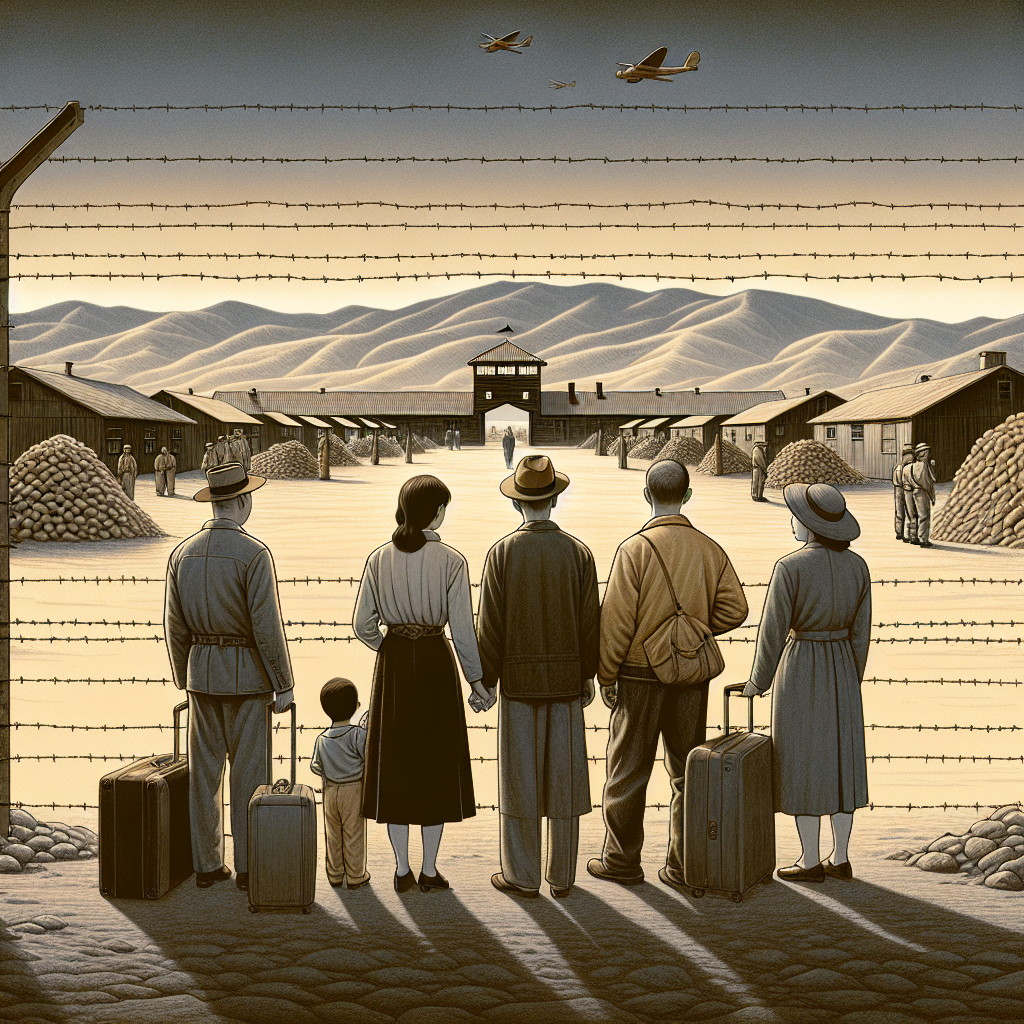
Fred Korematsu was 23, American-born, and in love with an Italian American woman in Oakland when Executive Order 9066 ordered Japanese Americans on the West Coast to report to internment camps in 1942. He altered his appearance, changed his name, and tried to pass as Mexican American to avoid the order. He was arrested, convicted of violating the military exclusion zone, and appealed all the way to the Supreme Court. In December 1944, the Court upheld his conviction in one of the most criticized decisions in its history.
Justice Hugo Black, writing for a 6–3 majority, argued the exclusion order was driven by military necessity rather than racial animus — a distinction the three dissenting justices found untenable. Justice Robert Jackson warned the ruling left a "loaded weapon" available for any government that could construct a plausible claim of urgent need. Justice Frank Murphy used a word seldom found in Supreme Court opinions: he called it the "legalization of racism." More than 120,000 Japanese Americans had been incarcerated. Not one was ever charged with espionage or sabotage.
The legal rehabilitation of Fred Korematsu took four decades. In 1983, a federal court vacated his conviction after a government lawyer revealed that wartime officials had suppressed evidence undercutting the military necessity argument. In 1988, Congress formally apologized and paid $20,000 in reparations to each surviving internee. In 2018, a unanimous Supreme Court explicitly overruled Korematsu in Trump v. Hawaii, with Chief Justice Roberts writing that it was "gravely wrong the day it was decided."
Korematsu spent the rest of his life as a civil liberties advocate, testifying before Congress and filing amicus briefs in cases involving post-9/11 detention policies. President Clinton awarded him the Presidential Medal of Freedom in 1998. He died in 2005. His daughter Karen has argued that formally overruling the decision — while necessary — does not constitute reckoning with what was done to the people it authorized the government to harm.

| Decided | December 18, 1944 |
| Court | Stone Court |
| Vote | 6–3 |
| Written by | Justice Hugo Black |
| Petitioner | Fred Korematsu |
| Respondent | United States |
| Overruled by | Trump v. Hawaii (2018) |
| Reparations | Civil Liberties Act of 1988 — $20,000 per survivor |
| Date | December 18, 1944 |
| Location | Washington, D.C. |