Hiroshima and Nagasaki
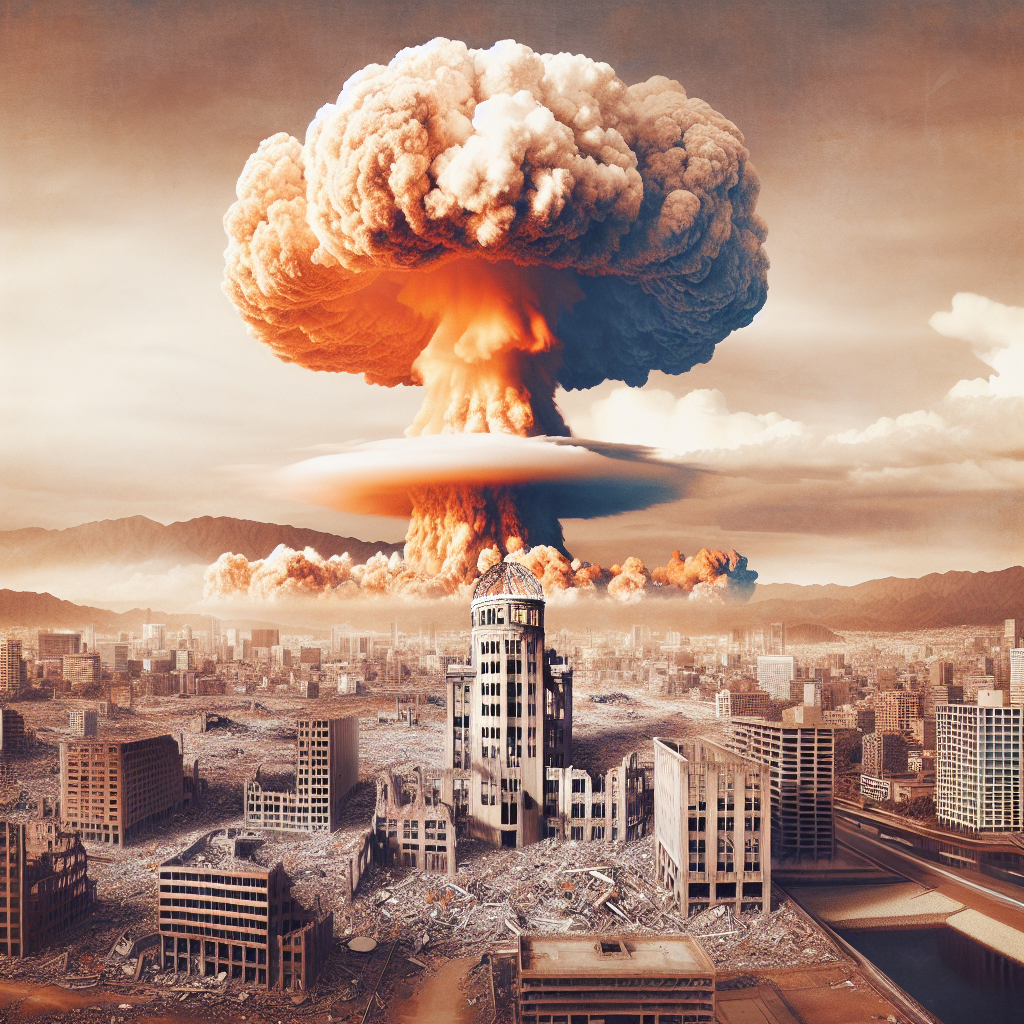
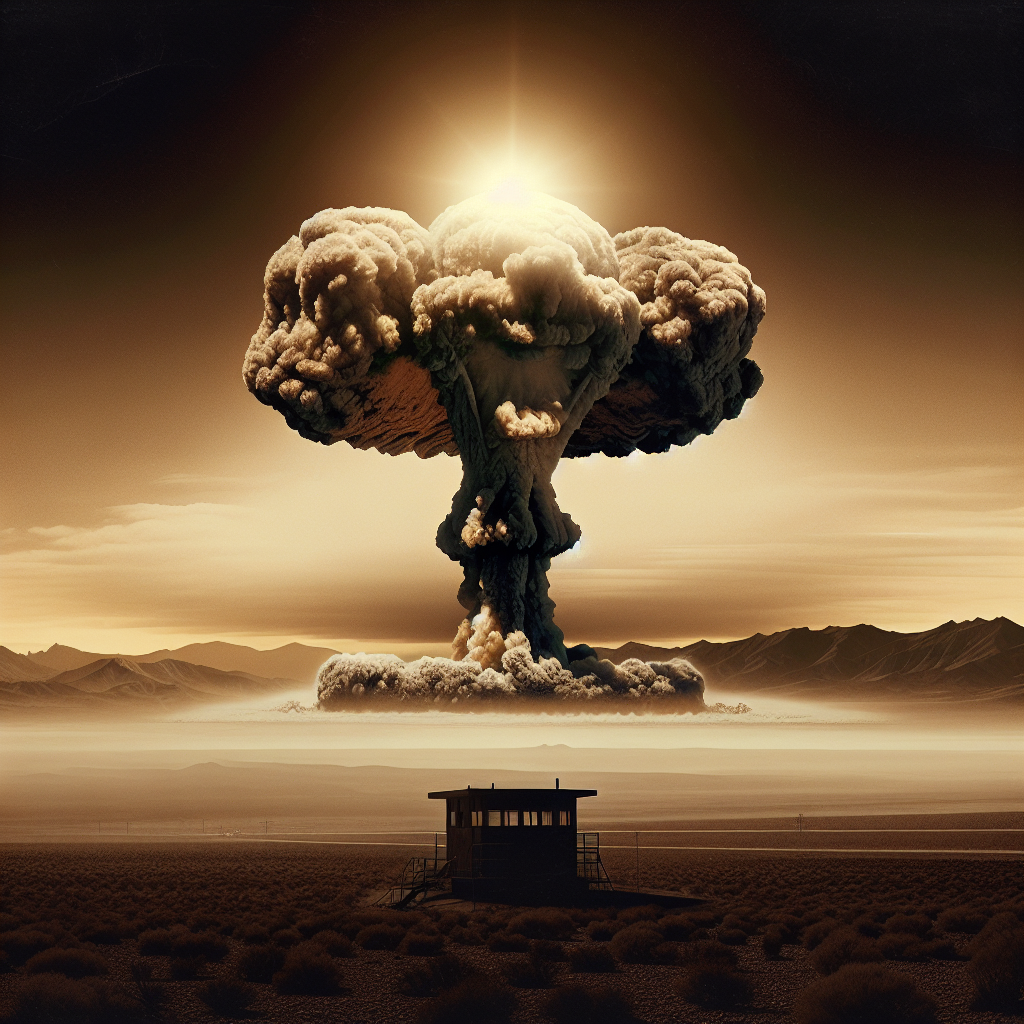
On August 6, 1945, at 8:15 in the morning, a single American B-29 called the Enola Gay dropped a uranium bomb nicknamed "Little Boy" over the center of Hiroshima, Japan. The fireball reached 7,000 degrees Fahrenheit and destroyed five square miles of the city in seconds. Between 70,000 and 80,000 people died instantly; tens of thousands more would die from radiation in the weeks and months that followed. Three days later, a plutonium bomb called "Fat Man" fell on Nagasaki. Japan announced its surrender on August 15. The most destructive war in human history was over.
The decision to drop the bombs was made by President Harry Truman, who had been in office less than four months and had only learned of the Manhattan Project after Roosevelt's death. The official justification — then and in subsequent decades — was that the bombings avoided an invasion of the Japanese home islands that military planners estimated could cost hundreds of thousands of American and Japanese lives. Critics, including some of the scientists who built the bomb, argued that Japan was already near surrender and that the bombings were unnecessary, or that their true purpose was to demonstrate American power to the Soviet Union before the Cold War fully commenced.
The bombings inaugurated the nuclear age and permanently altered the nature of war, diplomacy, and human anxiety. The term "atomic bomb" entered every language on earth simultaneously. The question of whether Truman's decision was justified remains one of the most contested moral arguments in modern history — a debate that involves casualty projections, racial attitudes toward Japan, Soviet considerations, and the ethics of targeting civilian populations that no consensus has resolved.
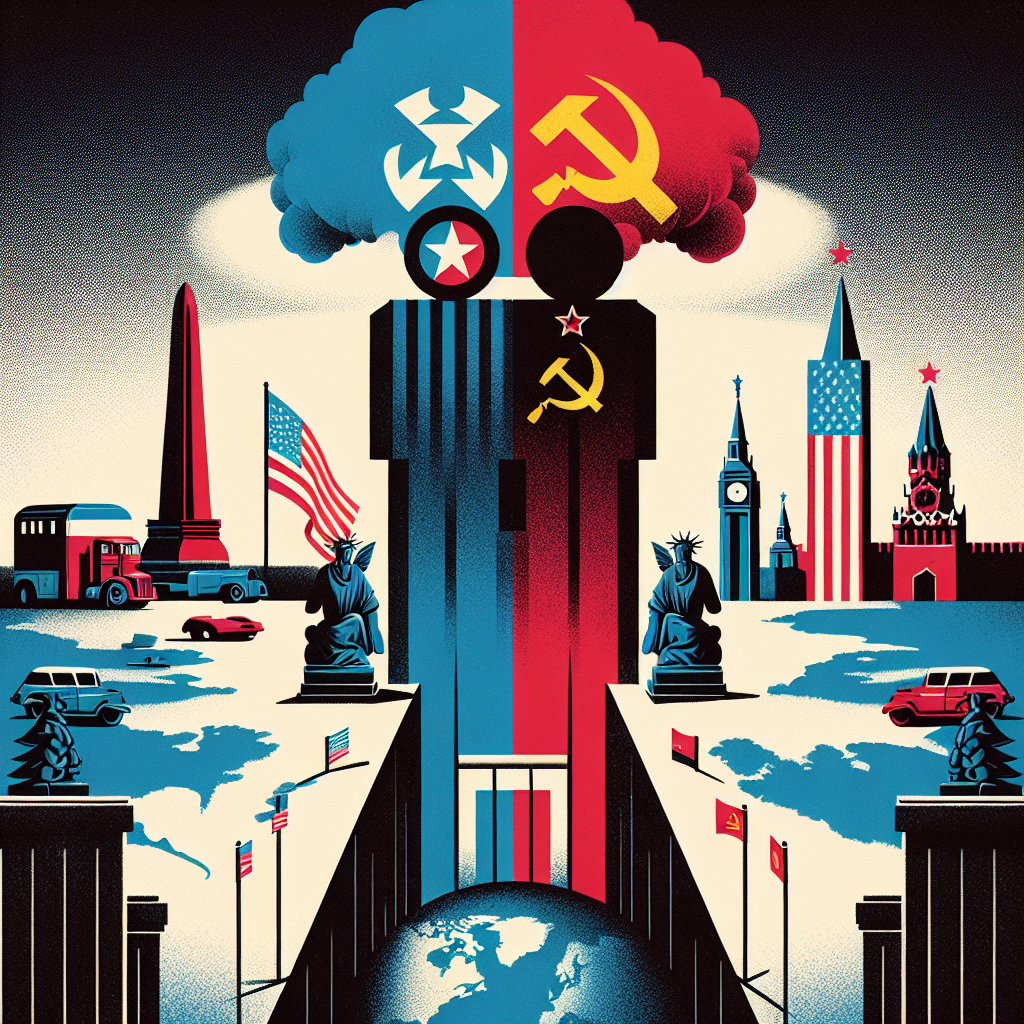
Hiroshima and Nagasaki built the physical and psychological foundation of the Cold War. American nuclear monopoly lasted only four years; the Soviet Union tested its first bomb in 1949. The doctrine of mutual assured destruction — MAD — defined the next four decades of geopolitics and left every subsequent generation living under the awareness that human civilization could be ended by a decision made in a matter of minutes.
| Hiroshima | August 6, 1945 — "Little Boy" (uranium), ~70,000–80,000 killed immediately |
| Nagasaki | August 9, 1945 — "Fat Man" (plutonium), ~40,000 killed immediately |
| Total Deaths | Estimated 130,000–226,000 by end of 1945 |
| Decision Maker | President Harry S. Truman |
| Aircraft | Enola Gay (Hiroshima); Bockscar (Nagasaki) |
| Result | Japanese surrender announced August 15, 1945 |
| Date | August 6 and 9, 1945 |
| Location | Hiroshima and Nagasaki, Japan |