Internment of Japanese Americans
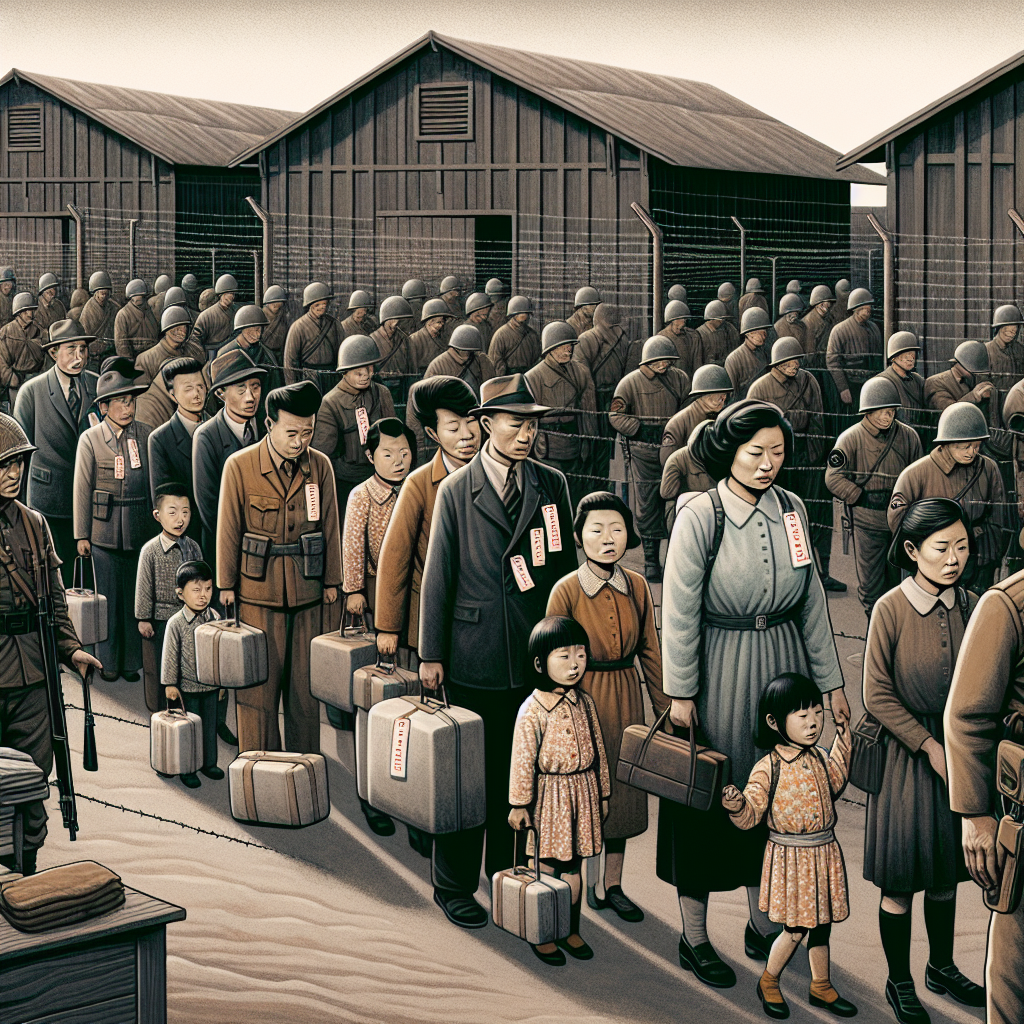
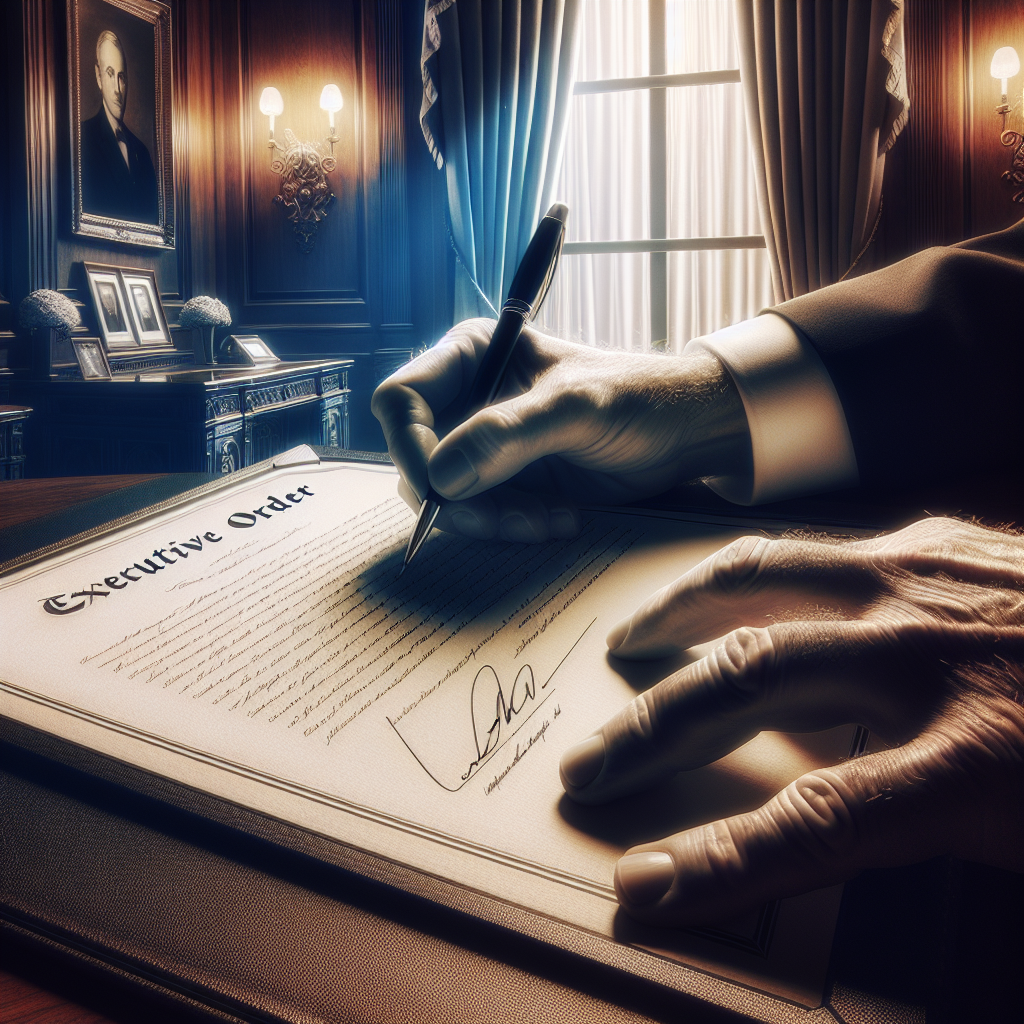
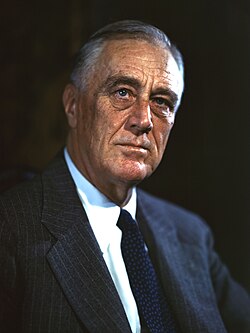
On February 19, 1942, President Franklin D. Roosevelt signed Executive Order 9066, authorizing the forced removal of all persons of Japanese ancestry from the West Coast of the United States. Within months, roughly 120,000 people — approximately two-thirds of them American citizens by birth — had been transported to ten remote internment camps in desolate locations across the interior West: the Mojave Desert, the Colorado River valley, the Wyoming badlands. They were given days to dispose of their homes, businesses, and possessions. They were imprisoned without charge, without trial, and without any individualized finding that they posed a threat to anyone.
The Supreme Court upheld the internment in Korematsu v. United States (1944), ruling 6–3 that military necessity justified the exclusion. Justice Robert Jackson's dissent warned that the Court was creating a loaded weapon available to any future government invoking military necessity. The decision was not formally repudiated until 2018, when the Supreme Court declared in Trump v. Hawaii that Korematsu had been "gravely wrong." In the decades between, it had served as a cautionary example of what the Bill of Rights does not protect when the government is sufficiently frightened and public opinion sufficiently hostile to the targeted group.
The Civil Liberties Act of 1988, signed by Ronald Reagan, formally apologized for the internment and provided $20,000 in reparations to each surviving internee. By the time it passed, roughly half of those imprisoned had died. Reagan's signing statement acknowledged that the internment had been the product of "race prejudice, war hysteria, and a failure of political leadership." The internment camps are now listed on the National Register of Historic Places. The 442nd Regimental Combat Team — composed largely of Japanese American soldiers whose families were in those same camps — became the most decorated unit in U.S. Army history.

| Authorization | Executive Order 9066, February 19, 1942 |
| Number Interned | approx. 120,000 — 62% U.S. citizens by birth |
| Duration | 1942–1945 |
| Legal Sanction | Korematsu v. United States (1944) — upheld; repudiated 2018 |
| Reparations | Civil Liberties Act of 1988 — $20,000 per survivor; apology |
| Camps | 10 sites in CA, AZ, WY, CO, UT, ID, and AR |
| 442nd Regiment | Most decorated U.S. Army unit — composed of Japanese Americans |
| Date | February 19, 1942 – March 20, 1946 |
| Location | Western United States |