GI Bill

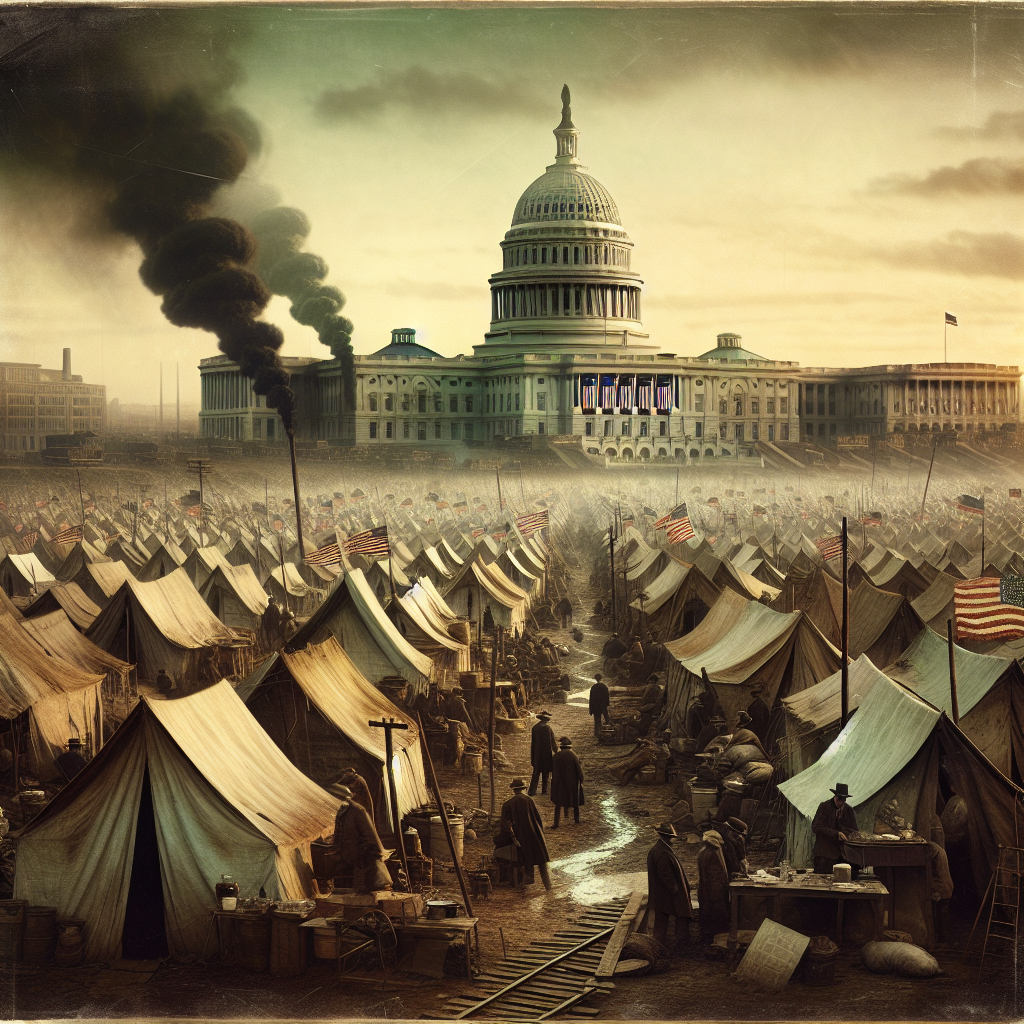
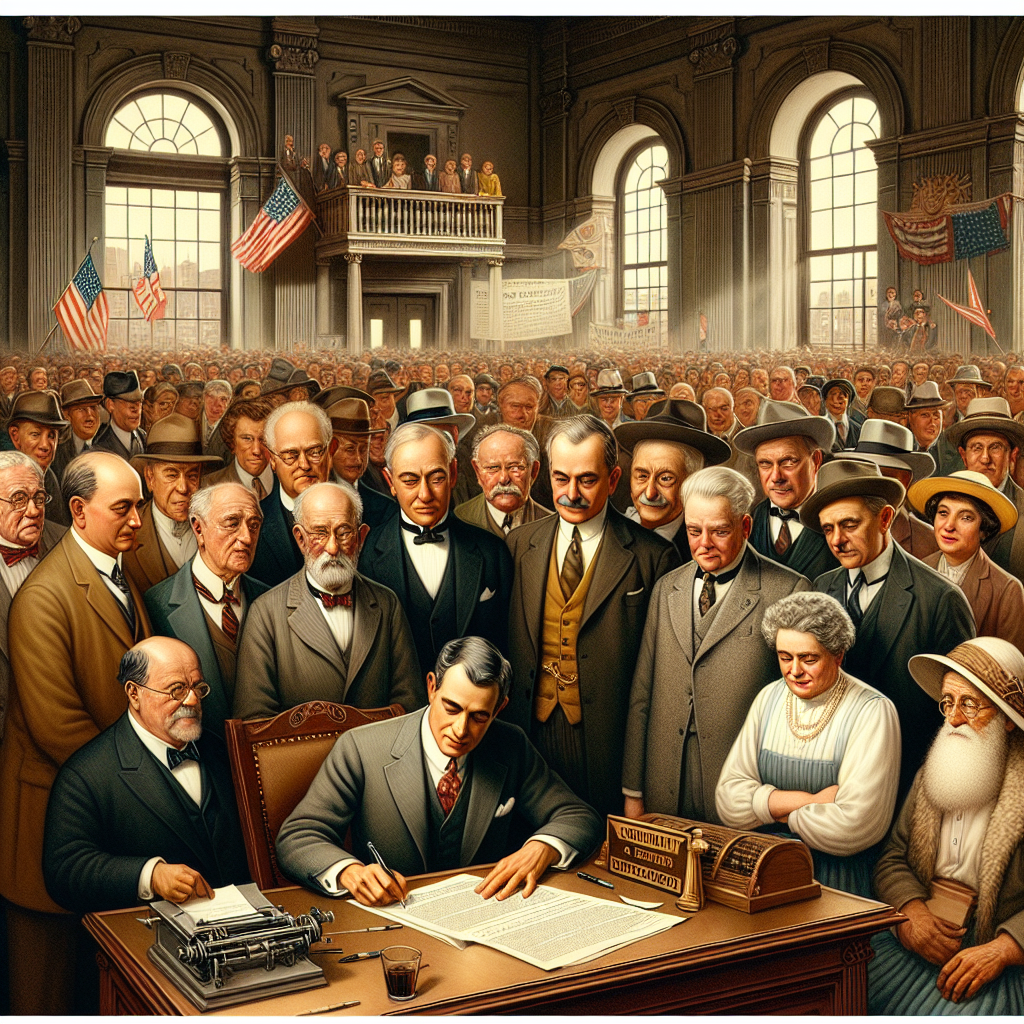
Franklin Roosevelt signed the Servicemen's Readjustment Act on June 22, 1944 — sixteen days after D-Day and at a moment when the war's end was imaginable but not yet in sight. The law, universally known as the GI Bill, offered returning veterans a package of benefits unprecedented in American history: low-interest home loans, tuition and living expenses for college or vocational training, unemployment insurance, and job placement assistance. It was designed to prevent the economic disaster that had followed World War I, when veterans returned to a country that had no system for absorbing them and the resulting frustration culminated in the Bonus Army march of 1932.
The results exceeded every projection. By 1956, nearly 8 million veterans had used GI Bill education benefits. College enrollment doubled. The law created the conditions for the postwar suburban boom: VA-backed mortgages allowed veterans to buy homes in the new subdivisions spreading across the edges of American cities, and the highway system funded by the Federal Aid Highway Act of 1956 connected those suburbs to urban employment. The American middle class of the 1950s and 1960s — its home ownership rates, its college graduation rates, its relative economic security — was substantially the product of a single piece of legislation.
The GI Bill's most significant flaw was its implementation. The benefits were administered locally, and across the South local officials systematically denied Black veterans access to the same loans, university admissions, and job placements that white veterans received. The law accelerated white wealth accumulation and white suburbanization while leaving Black veterans largely excluded — widening the racial wealth gap rather than closing it. The GI Bill built the middle class, but in 1944 that middle class was overwhelmingly understood to be white.



| Signed | June 22, 1944, by President Franklin D. Roosevelt |
| Full name | Servicemen's Readjustment Act of 1944 |
| Education | Nearly 8 million veterans used education benefits by 1956 |
| Housing | VA-backed low-interest mortgages; fueled suburban expansion |
| Other benefits | Unemployment insurance; job placement assistance |
| Key flaw | Local administration excluded most Black veterans in the South |
| Legacy | Foundation of American middle class prosperity, 1950s–1960s |
| Date | June 22, 1944 |
| Location | Washington, D.C. |