D-Day
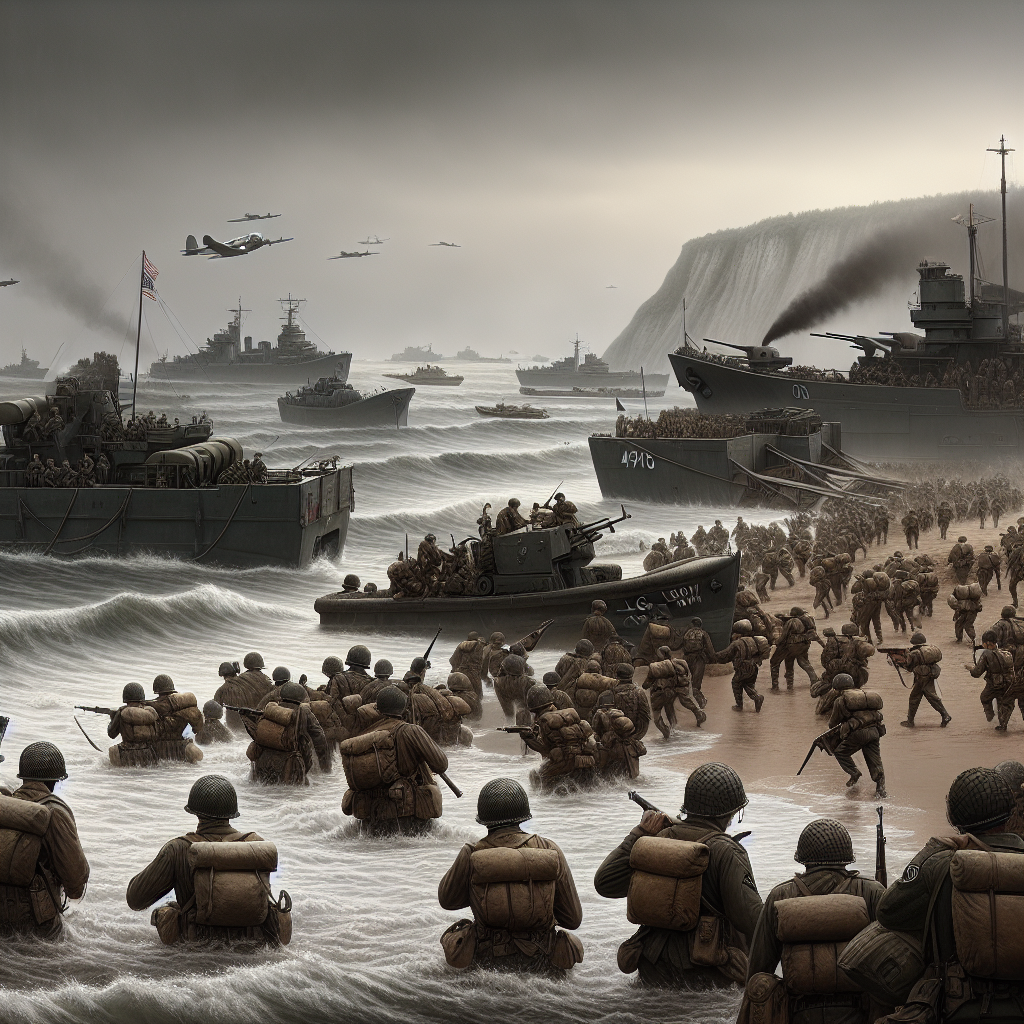
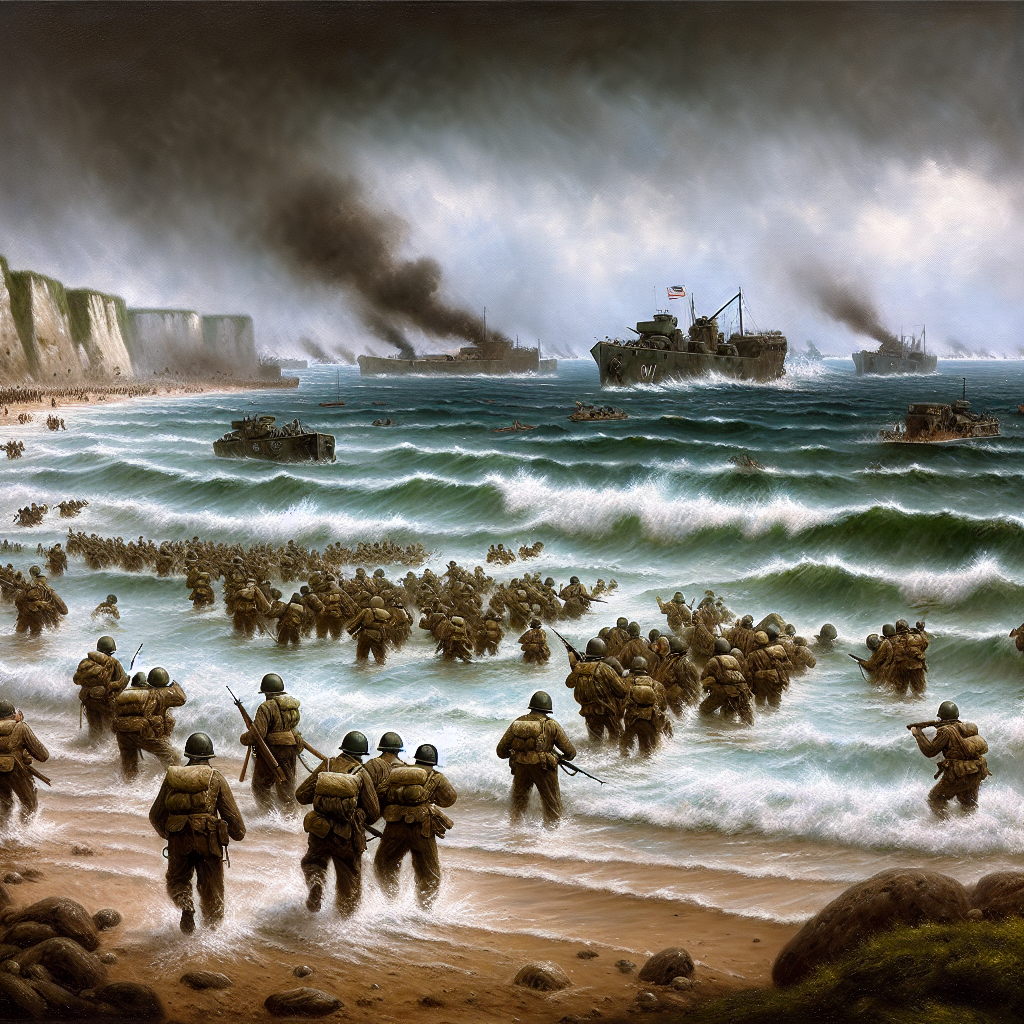
In the early hours of June 6, 1944, the largest seaborne invasion in military history came ashore on five beaches along 50 miles of German-occupied French coastline in Normandy. More than 156,000 Allied troops crossed the English Channel — Americans, British, Canadians, Free French, and soldiers from a dozen other nations — supported by nearly 7,000 naval vessels and more than 11,000 aircraft. The German defenders had known an invasion was coming and had spent years fortifying the Atlantic Wall. What they had not known, and what the Allies had gone to extraordinary lengths to conceal, was where and when.
The cost on the beaches was severe and varied wildly. At Utah Beach, American forces landed at the wrong spot — a navigational error that proved fortunate, placing them opposite weaker defenses. At Omaha Beach, the landing came close to catastrophe: most of the specialized tanks meant to support the infantry sank in rough seas, naval bombardment had failed to suppress the German positions, and the first waves came ashore into near-undisturbed defensive fire. Roughly 2,000 Americans died at Omaha Beach in a single morning. By nightfall, the beach was in Allied hands. By late August, Paris was liberated. By May 1945, Germany had surrendered.
D-Day did not win the war on its own — the Soviet Union's grinding multi-year campaign on the Eastern Front had consumed the overwhelming majority of German military capacity — but it opened the second front that the Western Allies had promised Stalin since 1942, ensured that Western Europe would be liberated rather than Soviet-occupied, and gave American military culture one of its most durable images of collective sacrifice and democratic purpose. The American cemetery above Omaha Beach — 9,387 graves in white marble rows facing west across the Atlantic — has become one of the most visited and most quietly devastating sites on earth.

| Date | June 6, 1944 |
| Location | Five beaches in Normandy, France: Utah, Omaha, Gold, Juno, Sword |
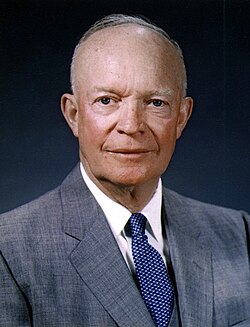
| Allied Commander | General Dwight D. Eisenhower |
| Troops on D-Day | More than 156,000 Allied soldiers |
| Naval Support | Approximately 7,000 vessels |
| American Deaths | Estimated 2,500–4,400 on D-Day (including airborne and naval) |
| Paris Liberated | August 25, 1944 |
| Germany Surrendered | May 8, 1945 |
| Date | June 6, 1944 |
| Location | Normandy, France |