Medical Breakthroughs That Changed America
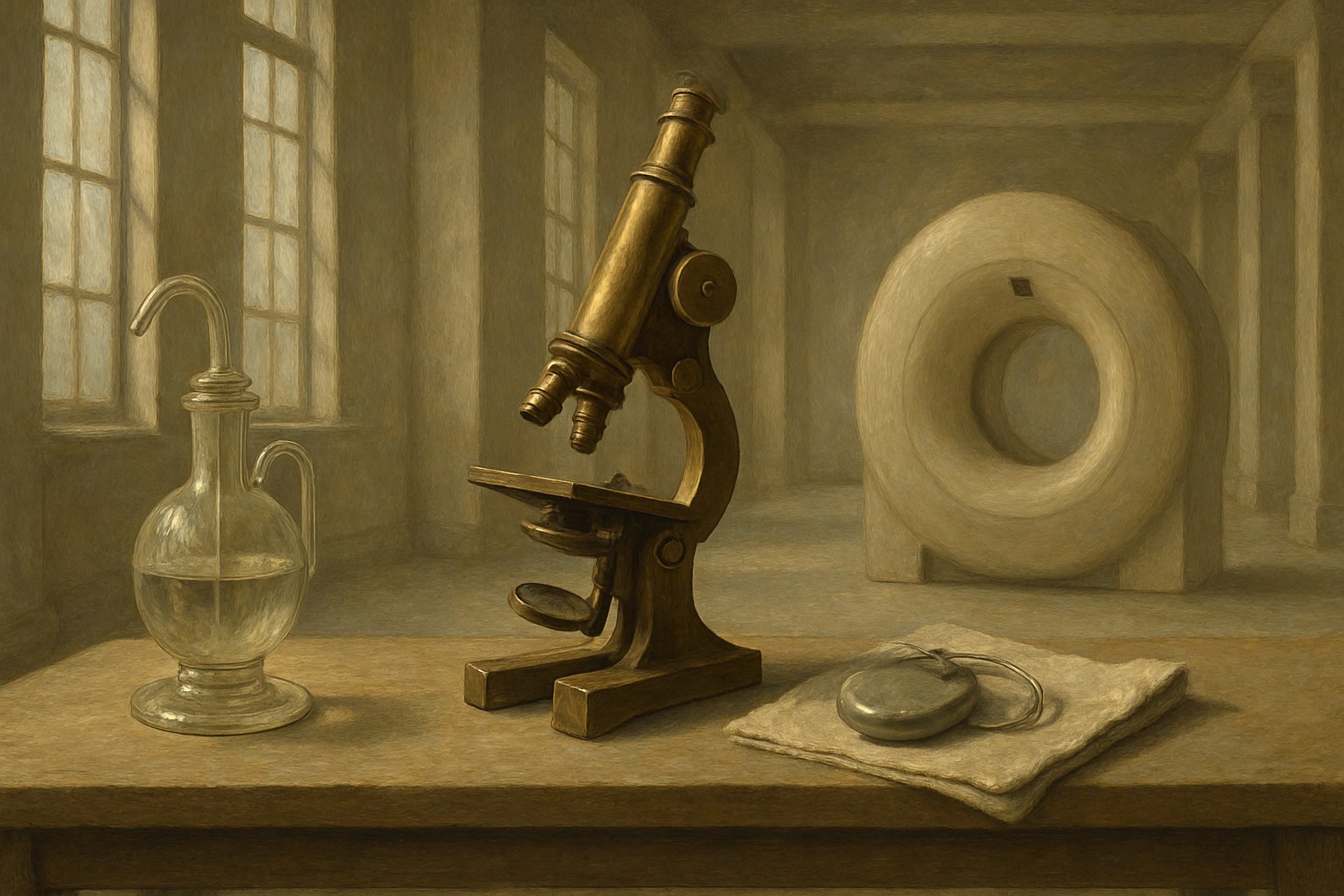
American medicine began as one of the least effective institutions in American life. Physicians in the early republic bled and purged their patients on a theory of disease that was wrong in every particular, medical schools sold degrees after two terms of lectures, and the most dependable products on the market were bottled opium and alcohol sold by newspaper advertisement. Within a century the same country was producing more medical Nobel laureates than any other and building most of the machines that now keep critically ill people alive.
This guide follows that arc through the breakthroughs themselves — the ether demonstration that ended surgical agony, the vaccines that emptied the polio wards, the pumps and filters that took over for failing organs, the scanners that made the living body visible without cutting it open, and the drugs that turned some cancers from death sentences into survivable illnesses. It ends where American medicine is most contested: not in the laboratory, where the record is extraordinary, but in the question of who reaches the results and what they cost.
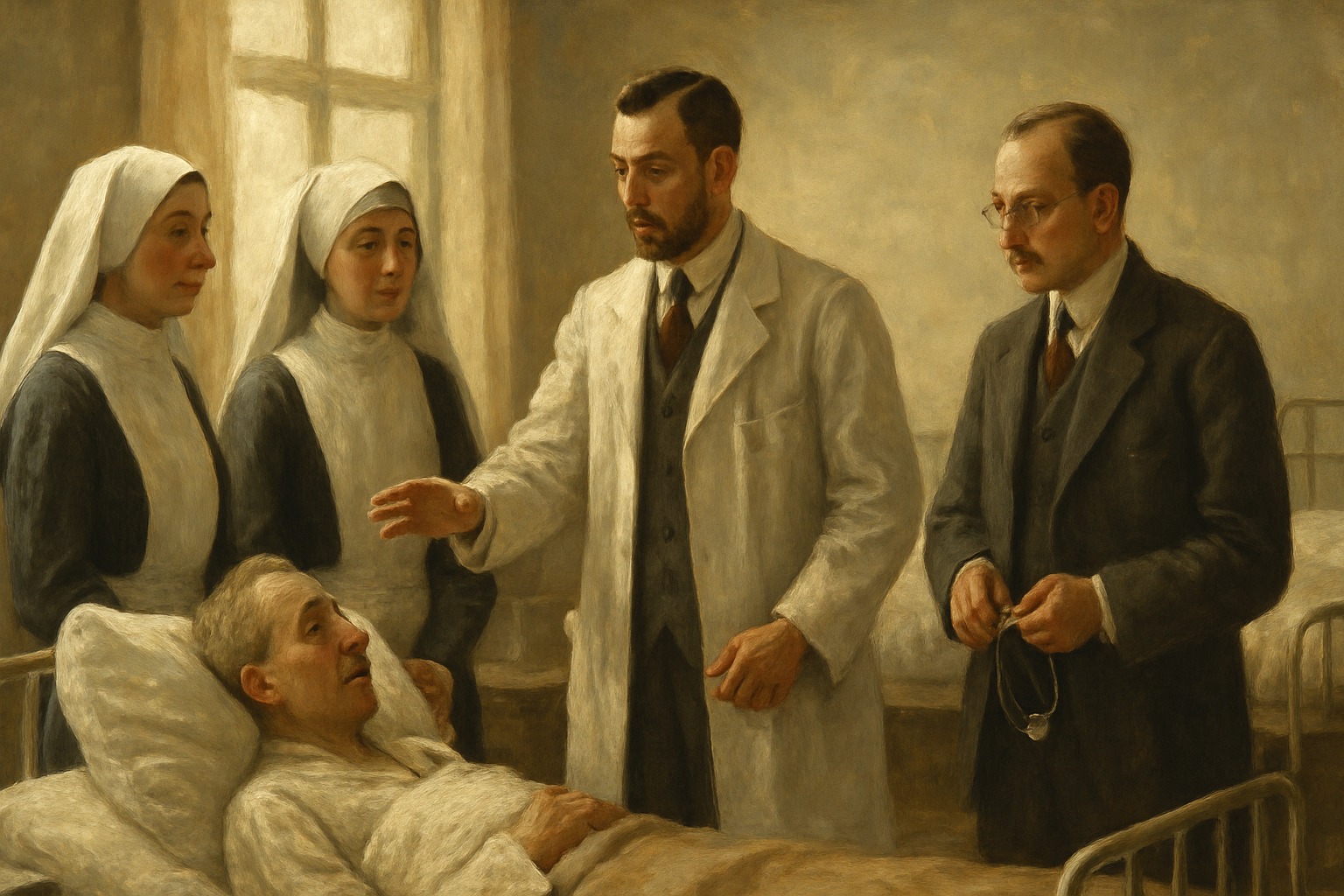
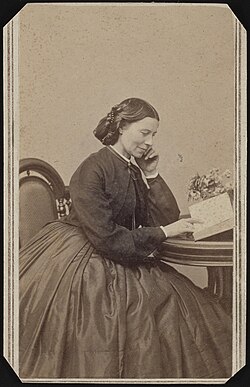
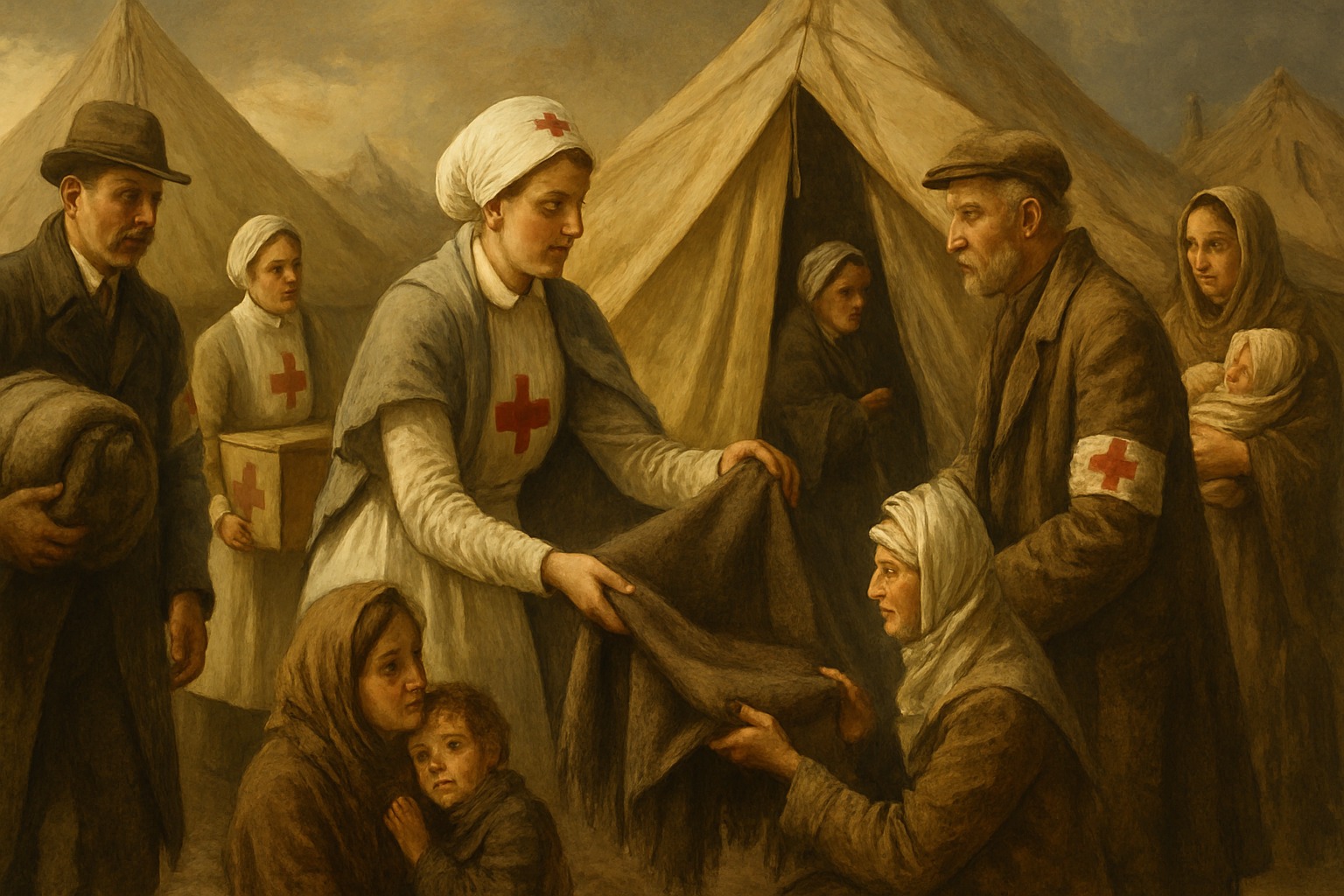
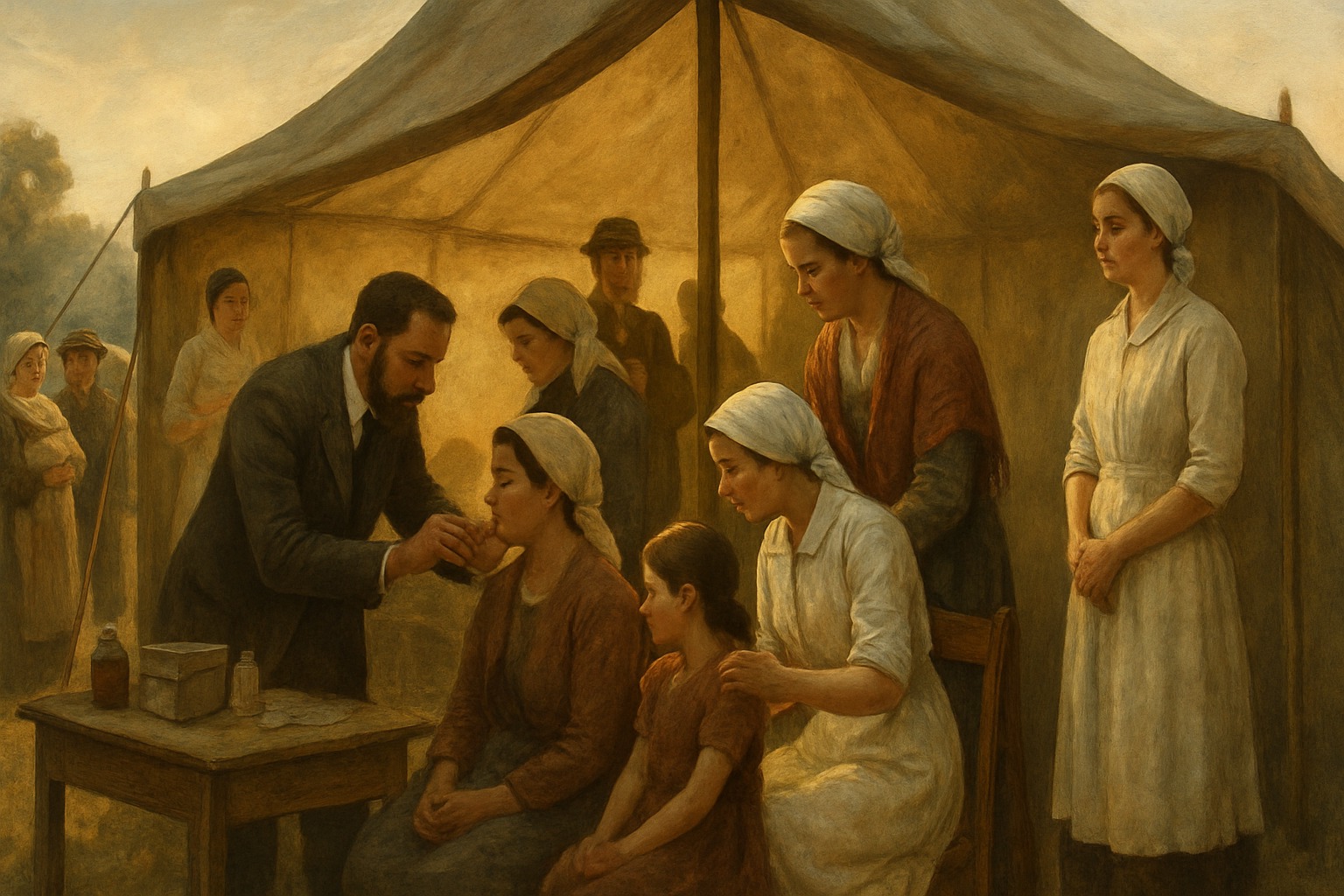
For a century after independence, the most useful thing an American doctor could do was stay out of the way. Treatment meant bleeding, blistering, and mercury, and the training behind it amounted to two terms of lectures. What changed the profession was not a single discovery but a set of institutions — group practice, organized relief, and philanthropic money aimed at laboratories rather than almshouses.
Surgery was limited by what a conscious person could endure, which is why operations were counted in seconds and confined to the surface of the body. Ether lifted that limit in a single morning in 1846, and antisepsis followed two decades later. Once a surgeon could work slowly and deep, the barriers that remained were biological — the immune system, and the cell that will not stop dividing.

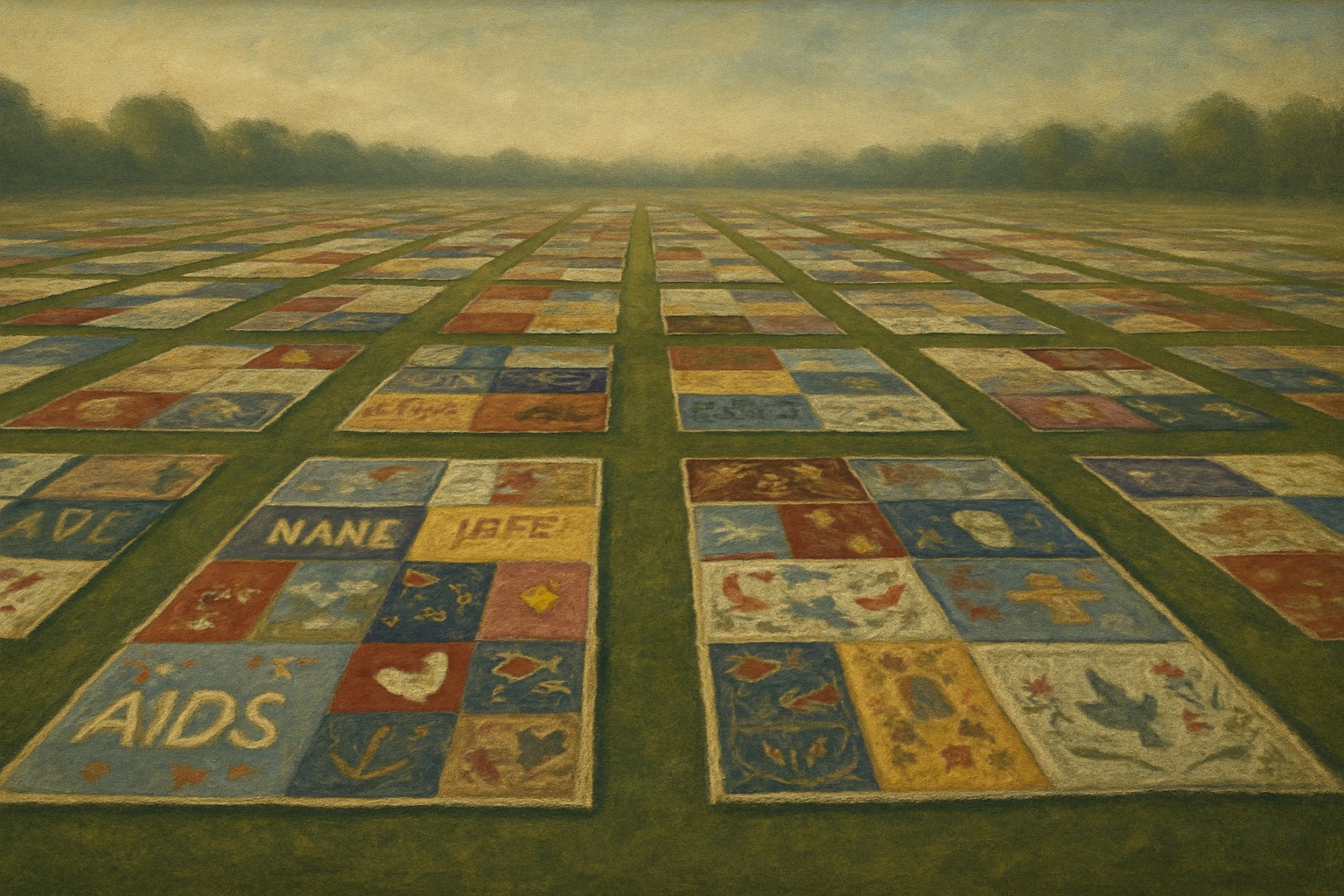
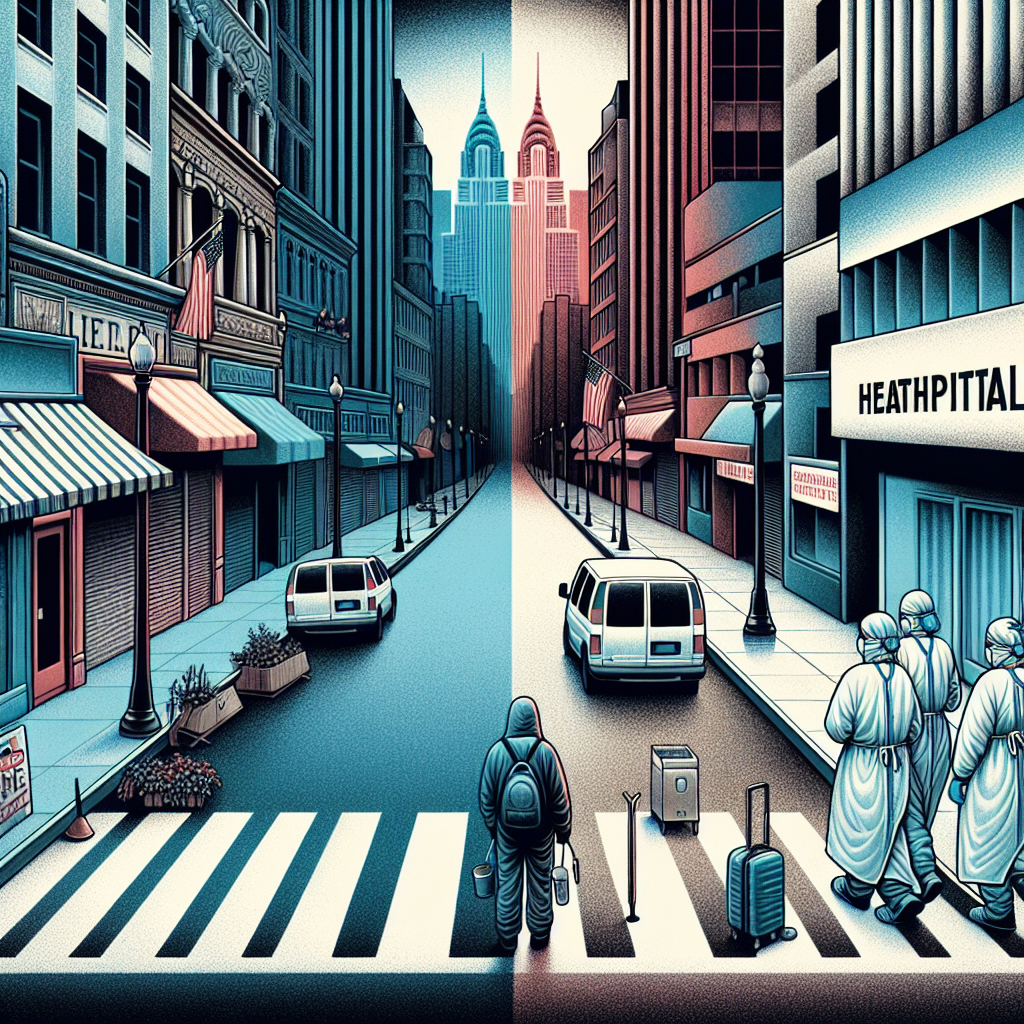
Infectious disease shaped American life more than any war, and the twentieth century is the story of forcing it into retreat and then discovering the retreat was not permanent. The 1918 influenza killed more Americans than combat in both world wars combined. Polio emptied the swimming pools. Vaccines answered both, and the institutions built to deliver them were tested again by HIV and by COVID-19.
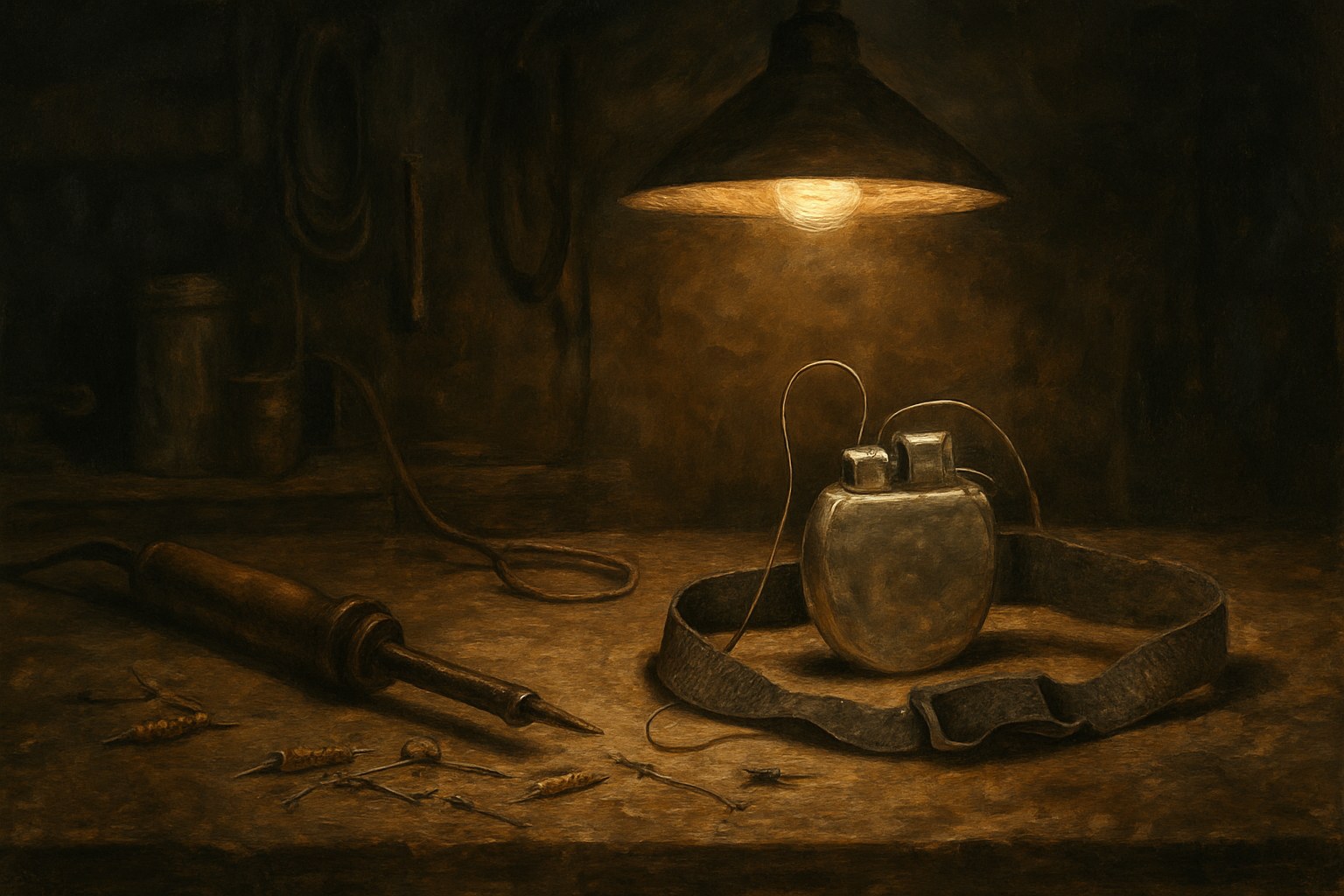
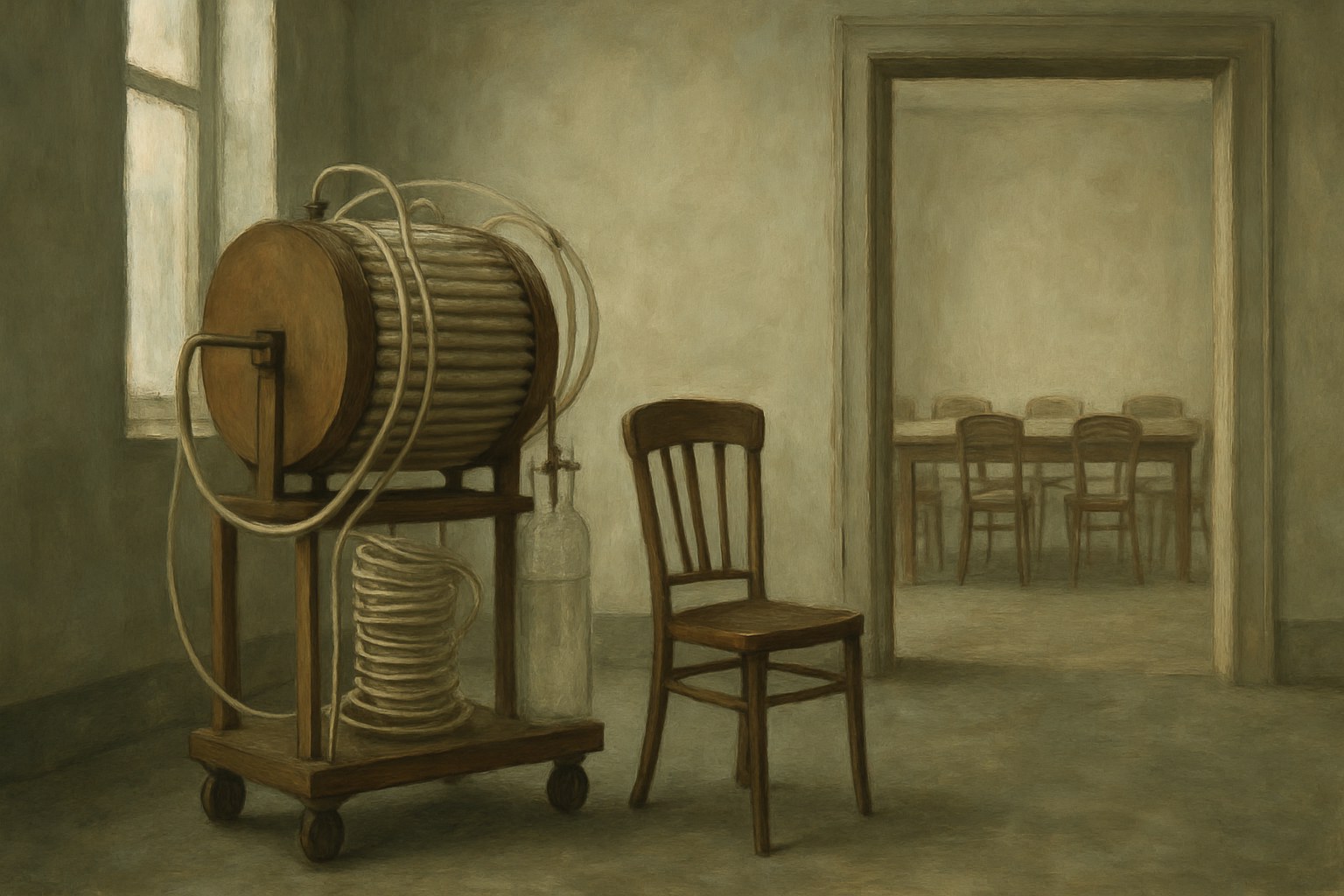
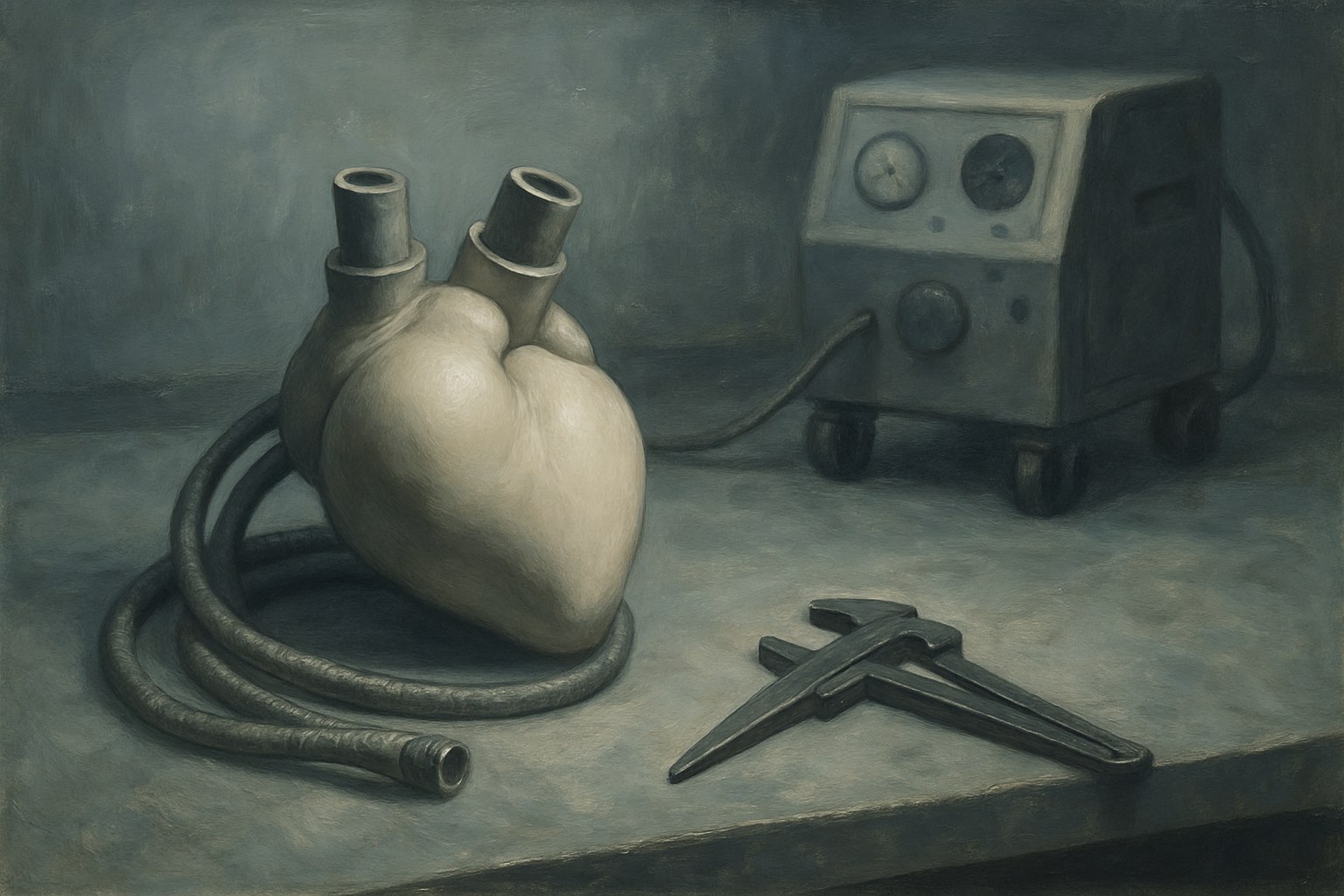
A distinctly American line of invention runs through garages, barns, and university engineering shops: devices that take over for an organ that has quit. A repairman in Minneapolis built the first wearable pacemaker in four weeks. An engineer in Buffalo found the implantable one by installing the wrong resistor. Each machine bought time, and each raised the same question about what that time costs and who pays for it.
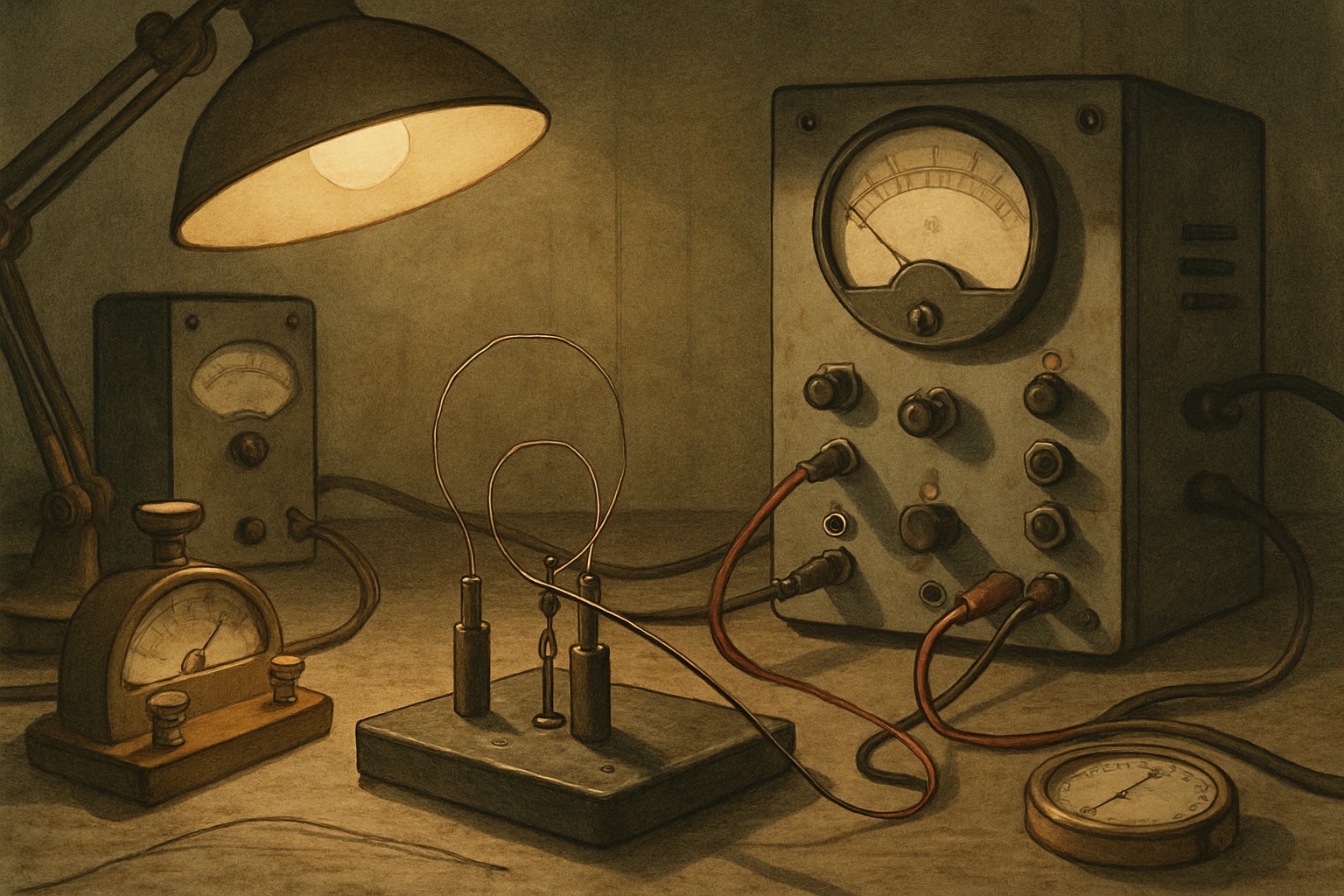
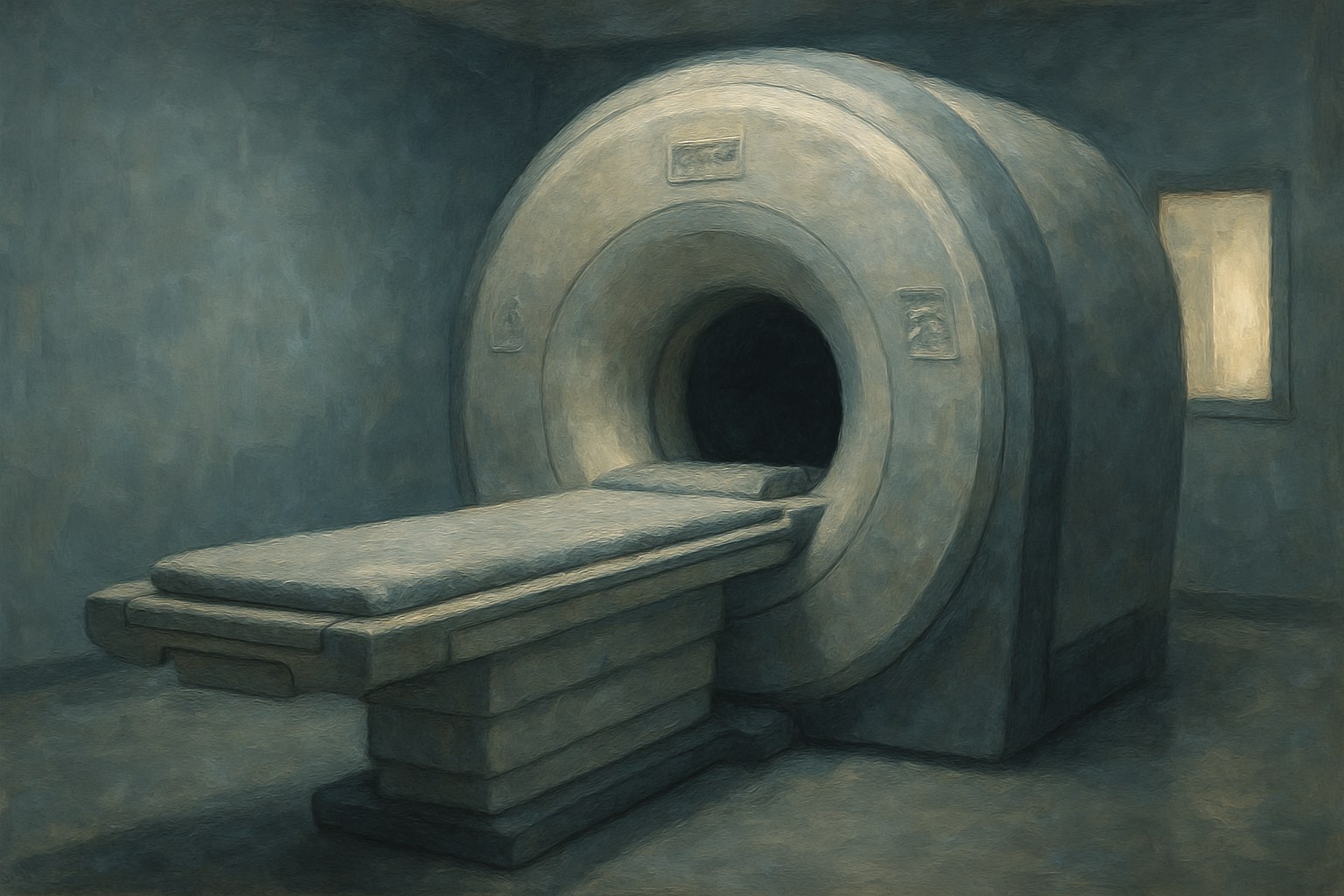
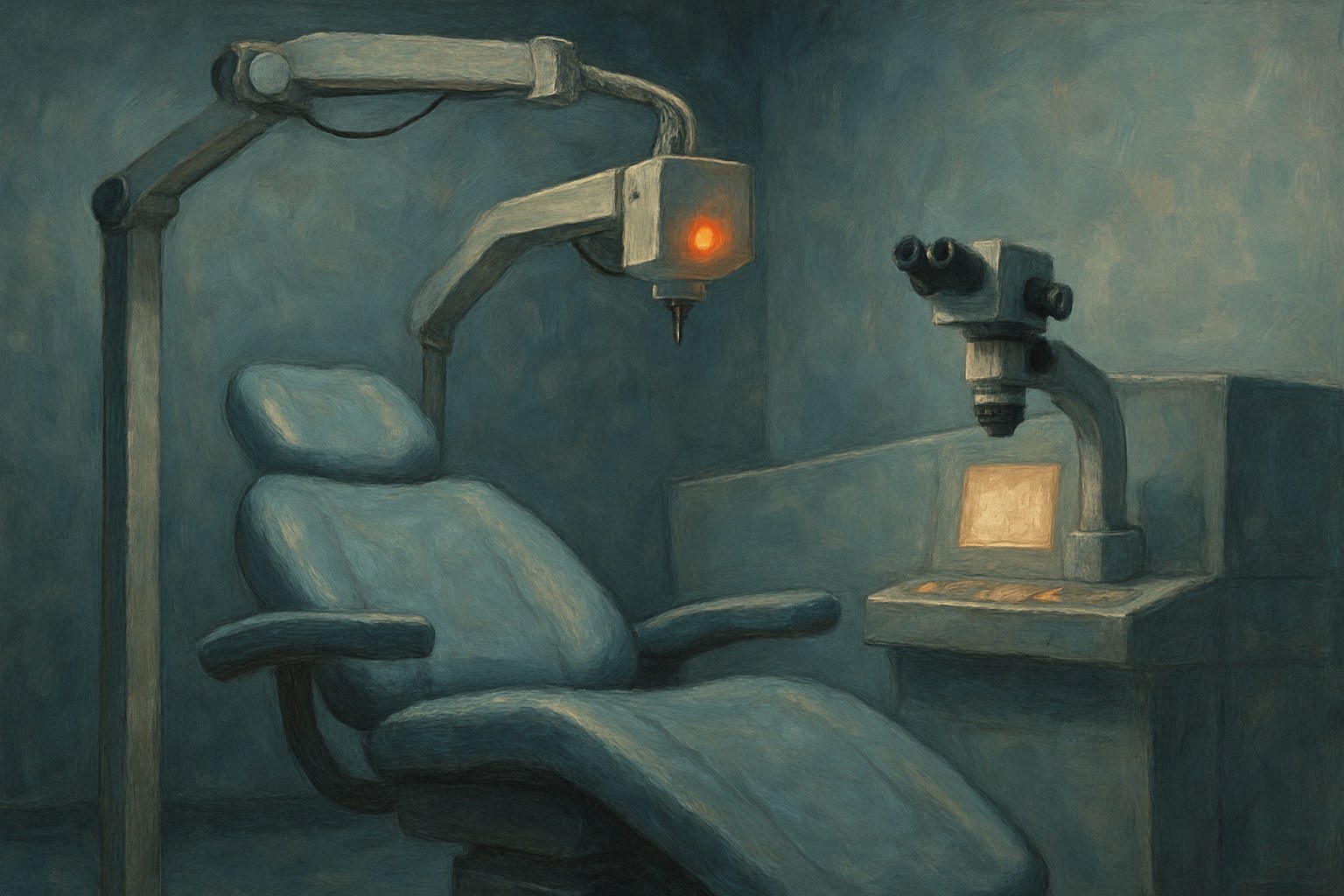
Diagnosis was guesswork dressed as judgment until physicians could see inside a living person. Magnetic resonance imaging did it without radiation, replacing exploratory surgery with a picture. The same decades brought the precision optics that reshaped the eye and the sequencing machines that read the genome end to end — three different ways of turning the body into information.

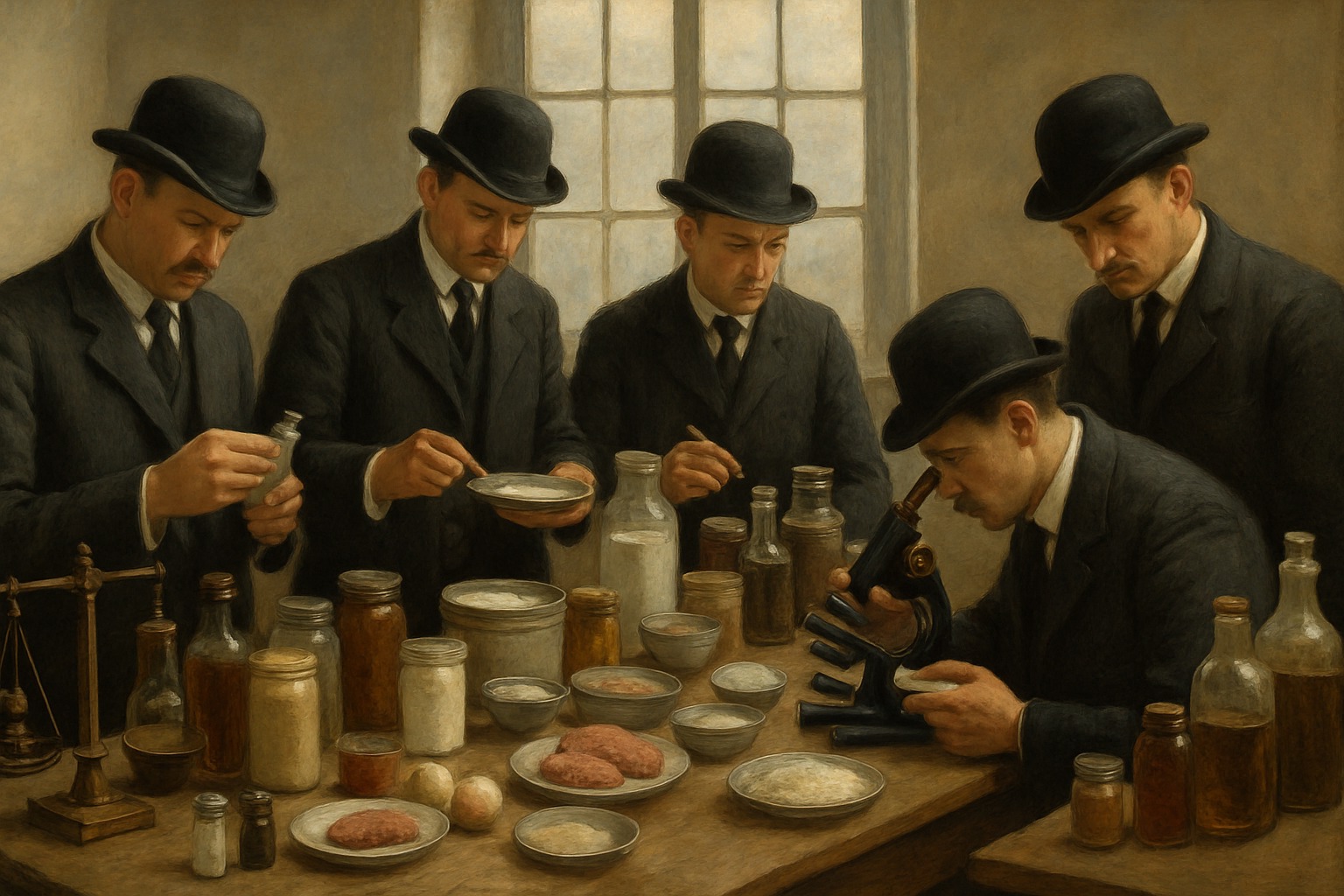
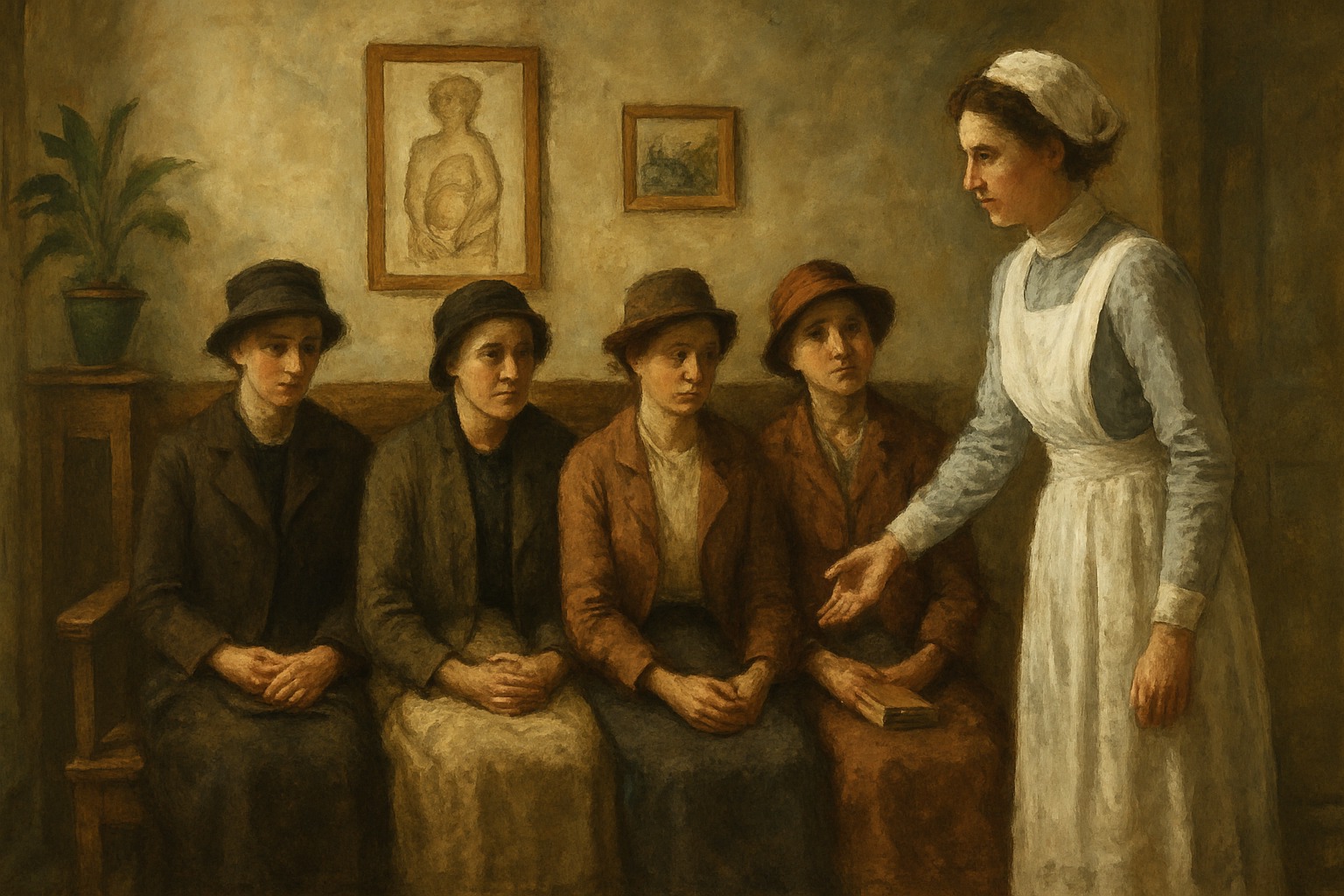
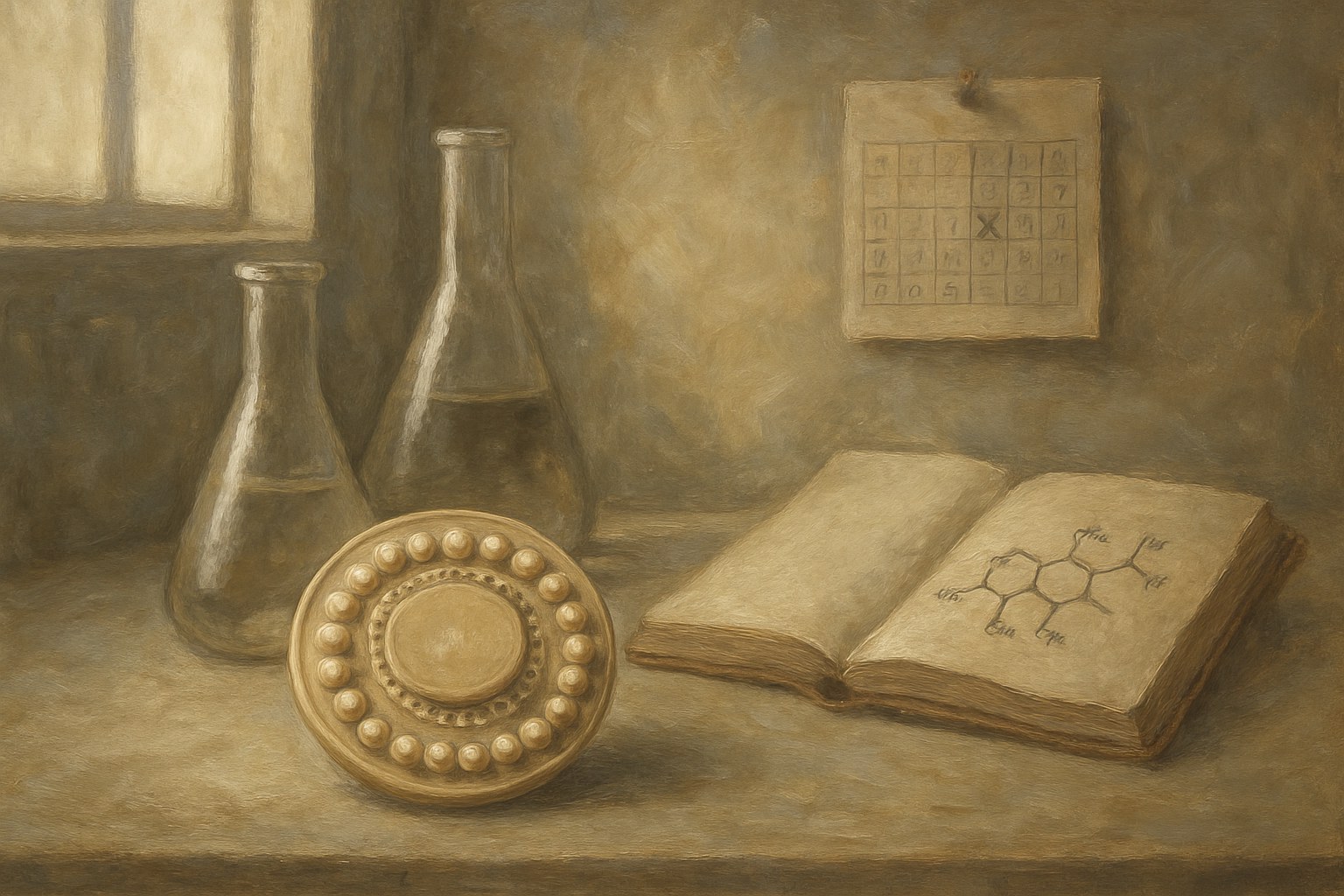
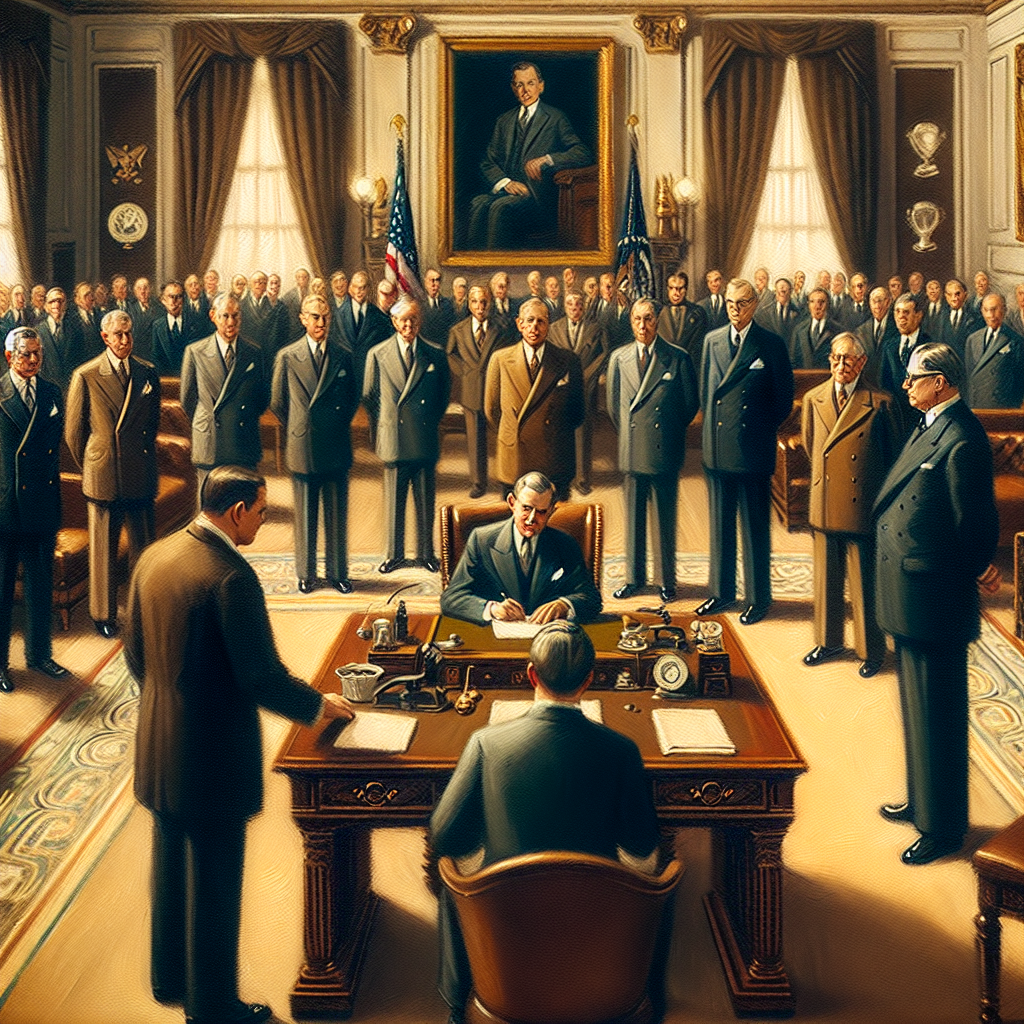
Every one of these inventions had to pass through law, money, and politics before it reached anyone. Congress built a regulator after patent nostrums poisoned people, and a payer after old age proved uninsurable. Contraception moved from a crime to a prescription to a constitutional right. The argument over coverage has run for a century and has not concluded.

The pattern across these entries is consistent — invention at the frontier, uneven delivery behind it. The United States guarantees universal coverage for exactly one disease, kidney failure, and it arrived there only because a lay committee in Seattle had to decide in public who would live and who would be sent home. Every other question raised here — what a treatment costs, who can reach it, and what a year of life is worth — is still open.