Clara Barton
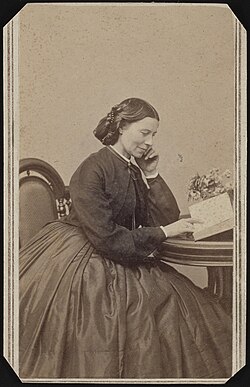
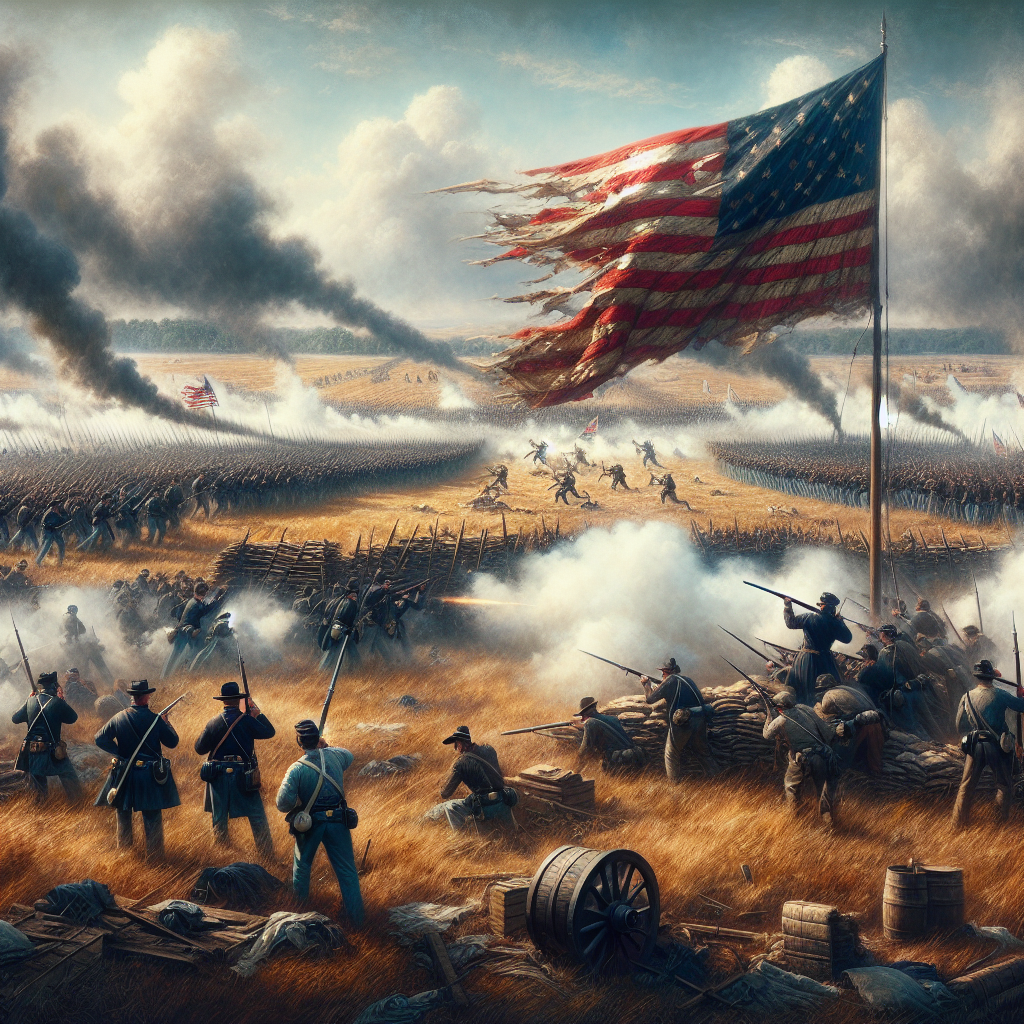
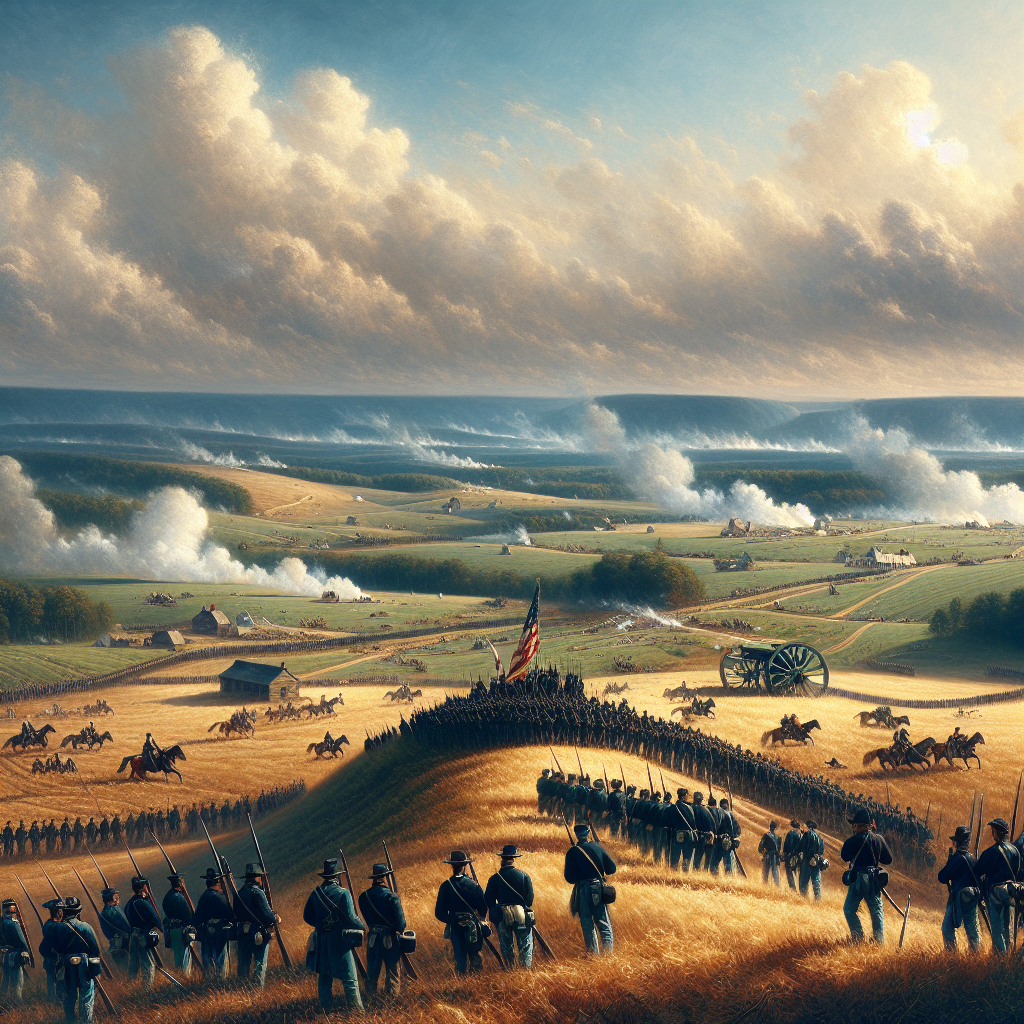
Clara Barton arrived on Civil War battlefields before the ambulances did. Working without official sanction, she hauled wagonloads of medical supplies to the front lines at Antietam, Fredericksburg, and Chantilly — treating the wounded within range of Confederate guns. Soldiers called her the Angel of the Battlefield. At a moment when nursing was barely considered respectable work for women, she converted fieldwork into a vocation, and then into an institution that still operates today.
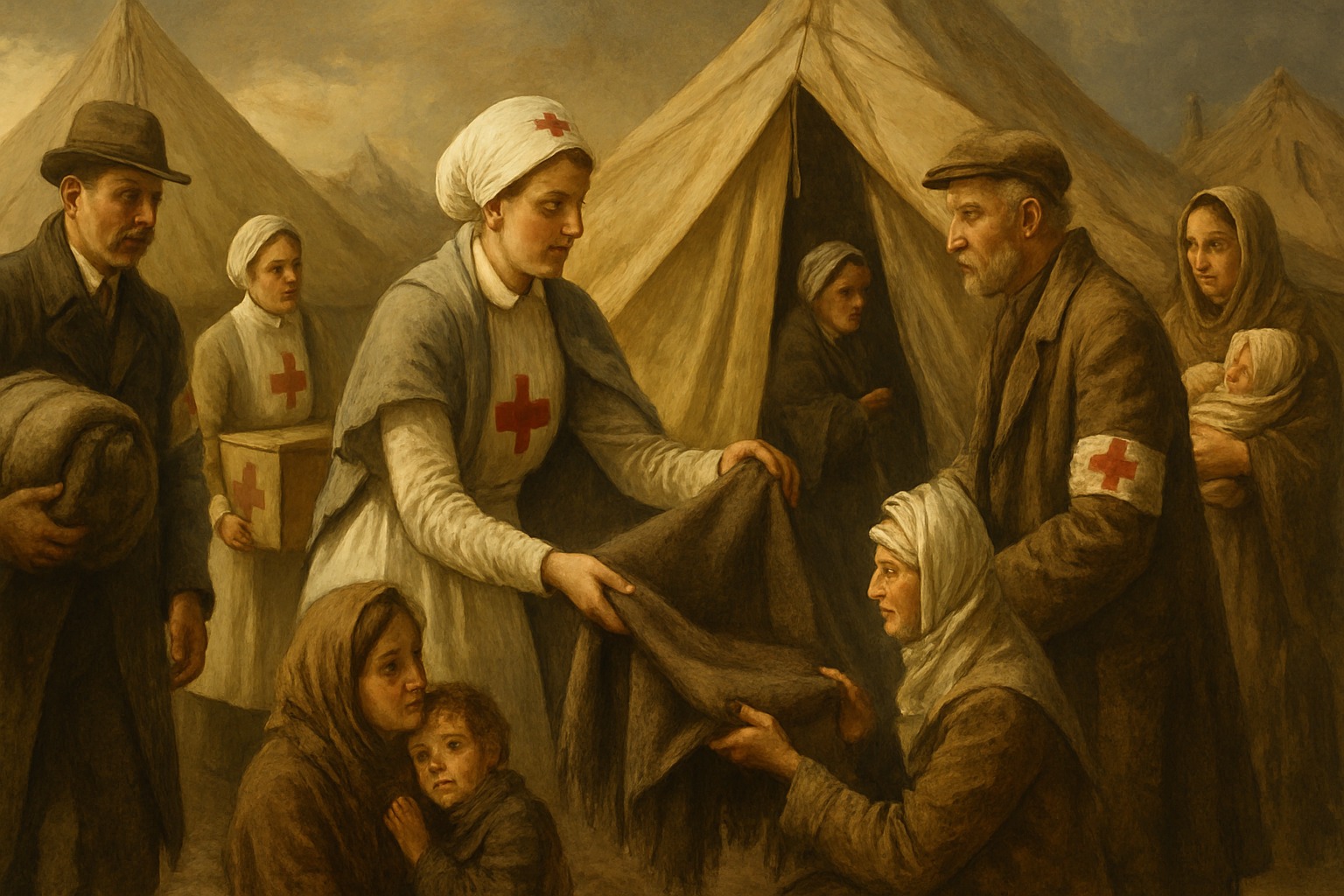
After the war, Barton ran the Office of Missing Soldiers, personally helping to identify more than 22,000 men buried in unmarked graves — a task she pursued with painstaking, obsessive care. A subsequent trip to Europe introduced her to the International Red Cross, and she returned convinced the United States needed its own chapter. She lobbied Congress for years before the Senate ratified the Geneva Convention in 1882, founding the American Red Cross and serving as its first president.
Barton led the Red Cross through its first major domestic disaster responses, including the Johnstown Flood of 1889 and the Galveston hurricane of 1900. More importantly, she expanded the organization's mission beyond wartime to cover natural disasters — a redefinition of humanitarian work that became the American Red Cross's enduring identity and a model for relief organizations worldwide.
| Born | December 25, 1821 — North Oxford, Massachusetts |
| Died | April 12, 1912 — Glen Echo, Maryland |
| Known For | Founder of the American Red Cross |
| Civil War Role | Battlefield nurse and supply organizer |
| Red Cross Presidency | 1881–1904 |
| Missing Soldiers | Identified 22,000+ Union dead |
| Years | 1821–1912 |
| Location | Glen Echo, Maryland |