The Mayo Clinic
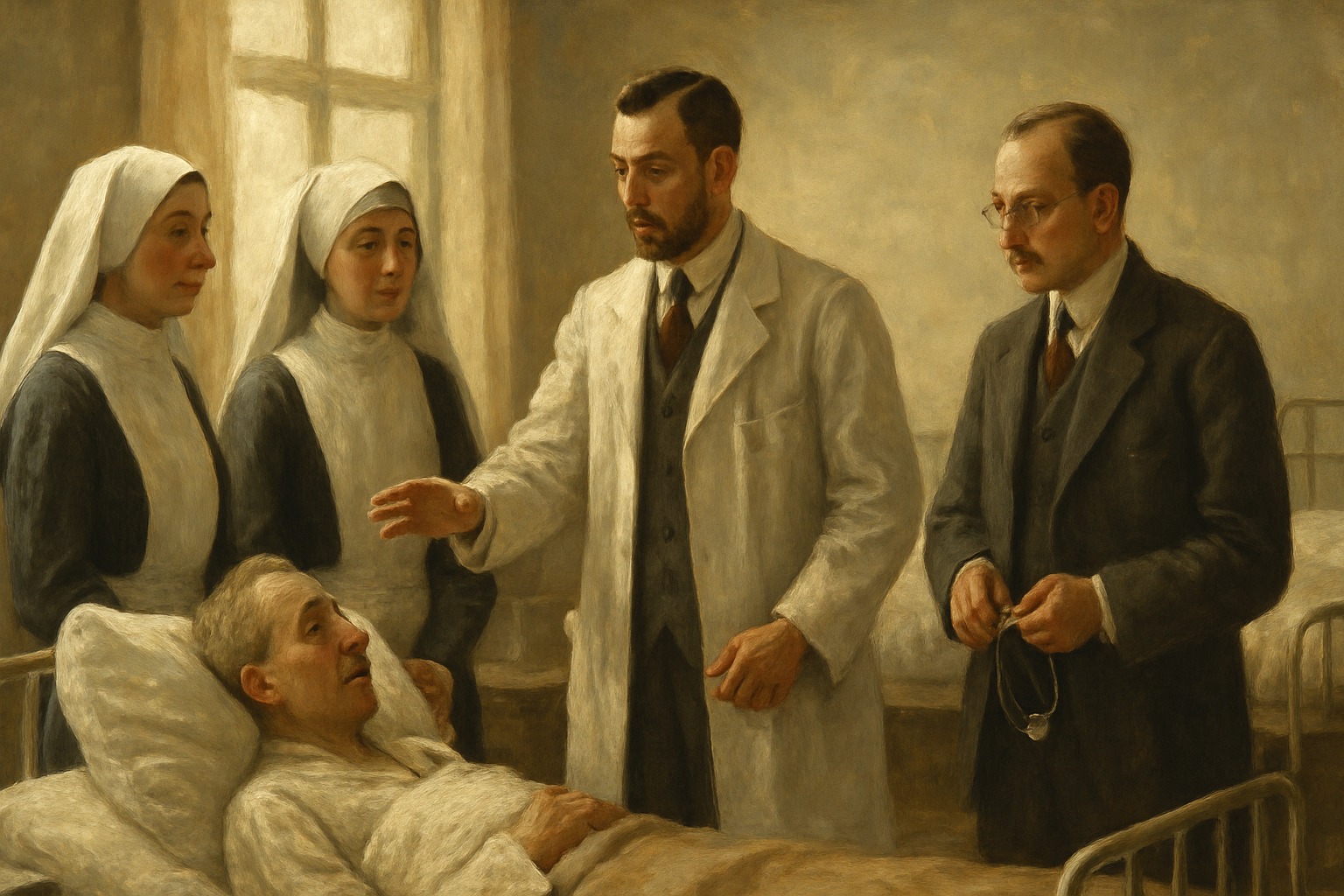
The Mayo Clinic began in the unlikely setting of a small prairie town in Minnesota. After a devastating tornado struck Rochester in 1883, the English-born doctor William Worrall Mayo and his two sons joined with the Sisters of Saint Francis, who built St. Mary's Hospital in 1889 and staffed it with the Mayo physicians. Out of that partnership between a family of frontier doctors and an order of Catholic nuns grew one of the most renowned medical centers in the world.
The Mayos' great innovation was not a treatment but a way of practicing medicine. Rather than the solo doctors of the age, they built an integrated group practice in which specialists collaborated on each patient, shared a unified medical record, and worked on salary rather than fee-for-service, so that the interest of the patient came first. This team-based, cooperative model of care was novel, and it became the clinic's enduring signature.
Word of the Mayos' surgical skill and their coordinated care spread, and patients traveled from across the country and the world to the remote Minnesota town. The clinic grew into a vast nonprofit institution combining patient care, research, and medical education, and its name became a byword for excellence, drawing the difficult cases, and the presidents and kings, that other hospitals could not solve.
The Mayo Clinic's model of coordinated, patient-centered, team-based medicine influenced the practice of medicine far beyond Minnesota. From a tornado-stricken frontier town to a global destination for the sick, its history embodies a distinctly American institution — a nonprofit built on the idea that the best medicine is practiced not by the lone genius but by the coordinated team.


| Founded | 1889, Rochester, Minnesota |
| Founders | The Mayo family and the Sisters of St. Francis |
| Innovation | Integrated, team-based group practice |
| Model | Nonprofit; salaried physicians |
| Note | Among the world's top medical centers |
| Date | Founded 1889 |
| Location | Rochester, Minnesota |