Ether Anesthesia
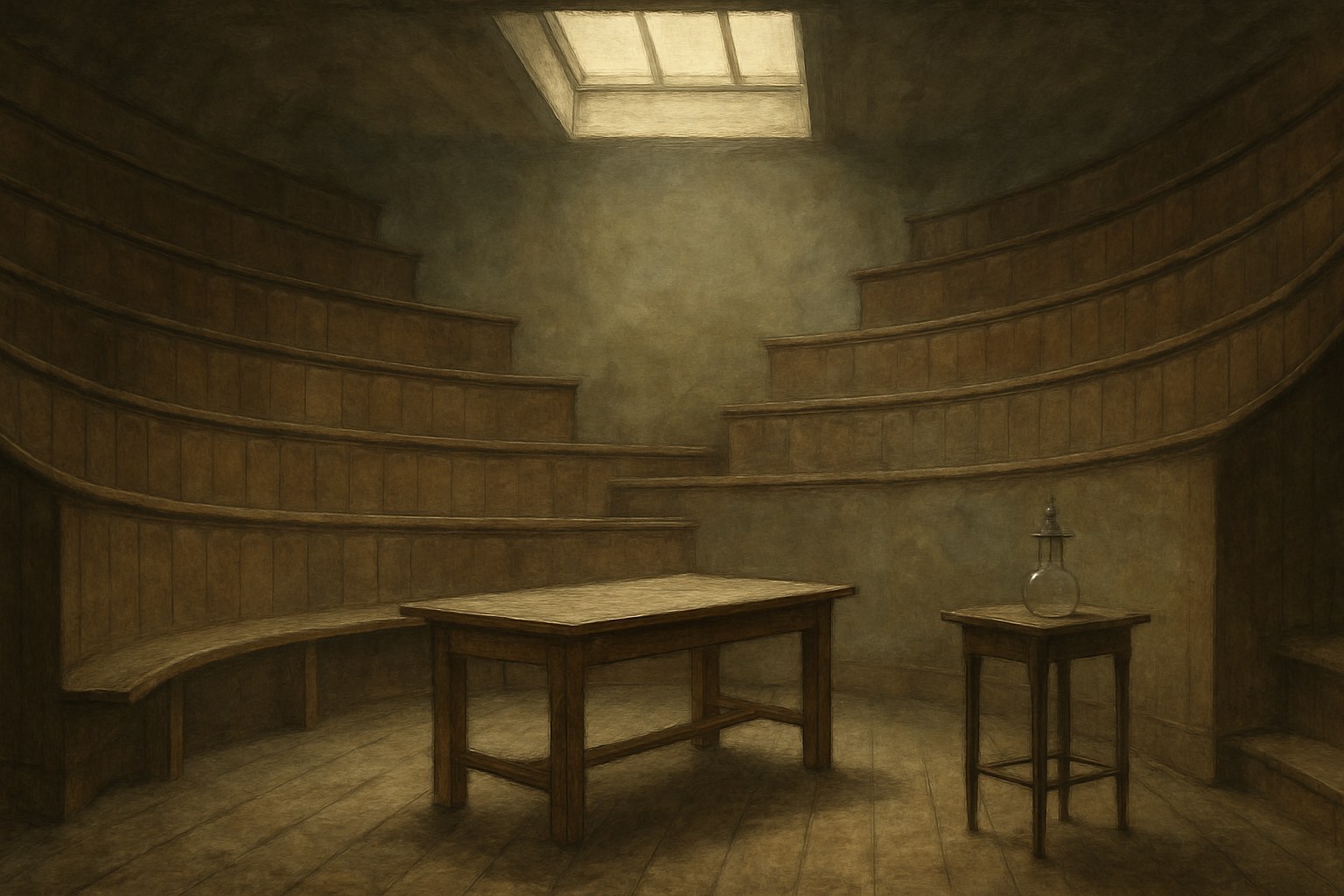
Surgery before 1846 was measured in seconds because it had to be. The patient was held down or strapped to the table, and a surgeon's reputation rested on speed — a leg off in under a minute was a mark of real skill. Operations were confined to amputations, bladder stones, and growths near the surface, because nothing deeper could be survived by a conscious, struggling person. Hospitals put their operating theaters at the top of the building so that the sound would carry less far into the wards below.
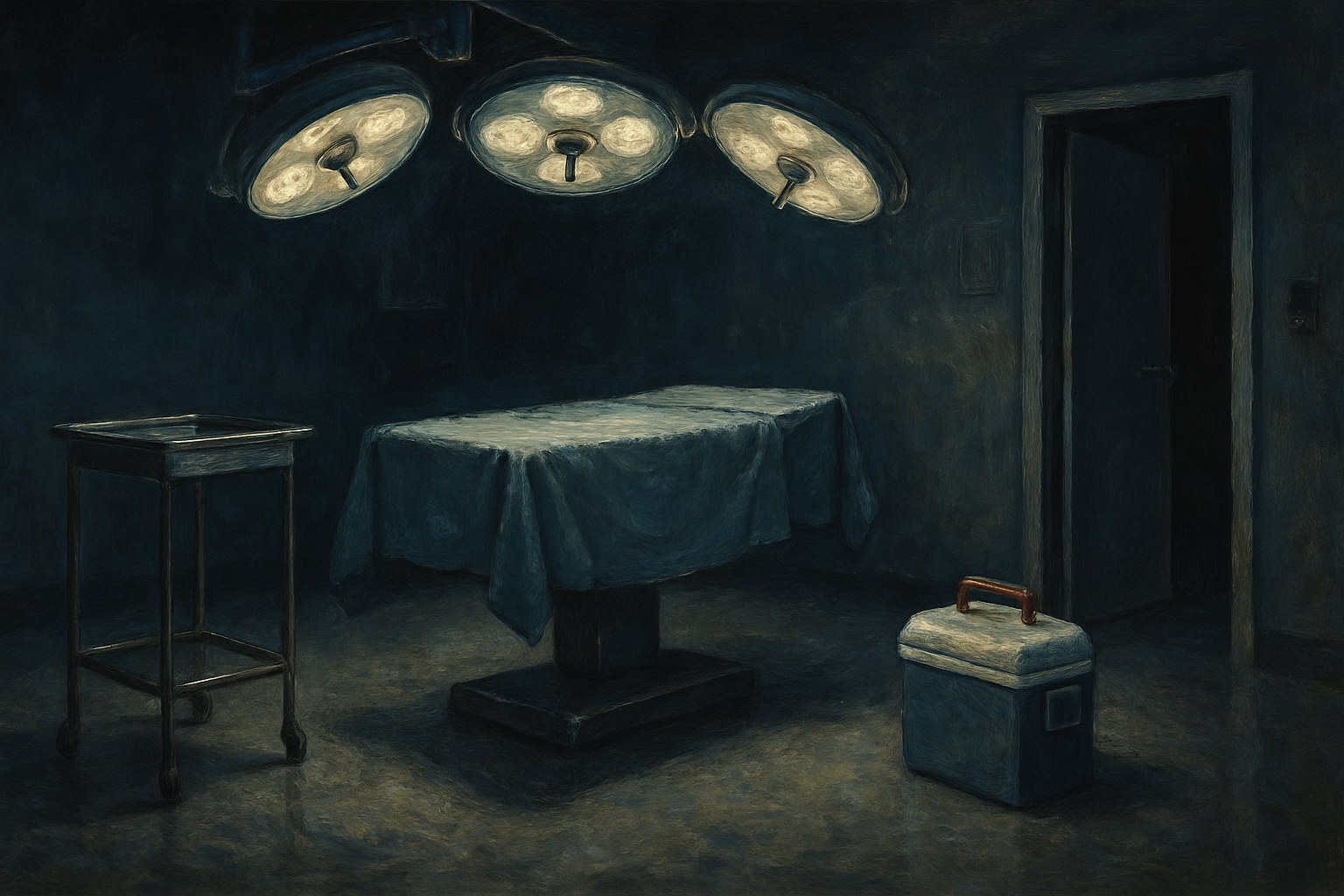
On the morning of October 16, 1846, a Boston dentist named William T. G. Morton carried a glass inhaler into the surgical amphitheater at Massachusetts General Hospital. The surgeon John Collins Warren, openly skeptical, waited while Morton put a young printer named Edward Gilbert Abbott to sleep with ether vapor. Warren then cut a tumor from the man's neck. There was no cry and no struggle. Warren turned to the crowded gallery and said, "Gentlemen, this is no humbug." The room is still called the Ether Dome.
What followed was less noble. Morton had tried to hide ether's identity behind a proprietary name, Letheon, and patent it — an attempt that collapsed as soon as physicians recognized the smell. His chemistry teacher Charles T. Jackson insisted the idea had been his. Horace Wells, a Hartford dentist who had demonstrated nitrous oxide at the same hospital a year earlier and failed publicly, claimed priority and died by his own hand in 1848. A Georgia physician, Crawford Long, had quietly used ether on patients from 1842 but published nothing until 1849. Congress was petitioned for decades and never settled it.
The demonstration traveled faster than the quarrel. Word reached London within ten weeks and the operation was repeated there before the year was out, and within two years the technique had crossed Europe. Oliver Wendell Holmes supplied the name — anesthesia. Painlessness did not make surgery safe, since antisepsis was still two decades away and infection killed many who survived the knife, but it lifted the constraint that had defined the craft since antiquity. A surgeon could now work slowly, deliberately, and deep inside a living body. It was America's first great gift to world medicine.

| Date | October 16, 1846 |
| Place | The Ether Dome, Massachusetts General Hospital |
| Demonstrator | William T. G. Morton, a dentist |
| Surgeon | John Collins Warren |
| Rival claims | Charles T. Jackson, Horace Wells, Crawford Long |
| The name | Coined by Oliver Wendell Holmes |
| Date | October 16, 1846 |
| Location | Massachusetts General Hospital, Boston |