Medicine in America
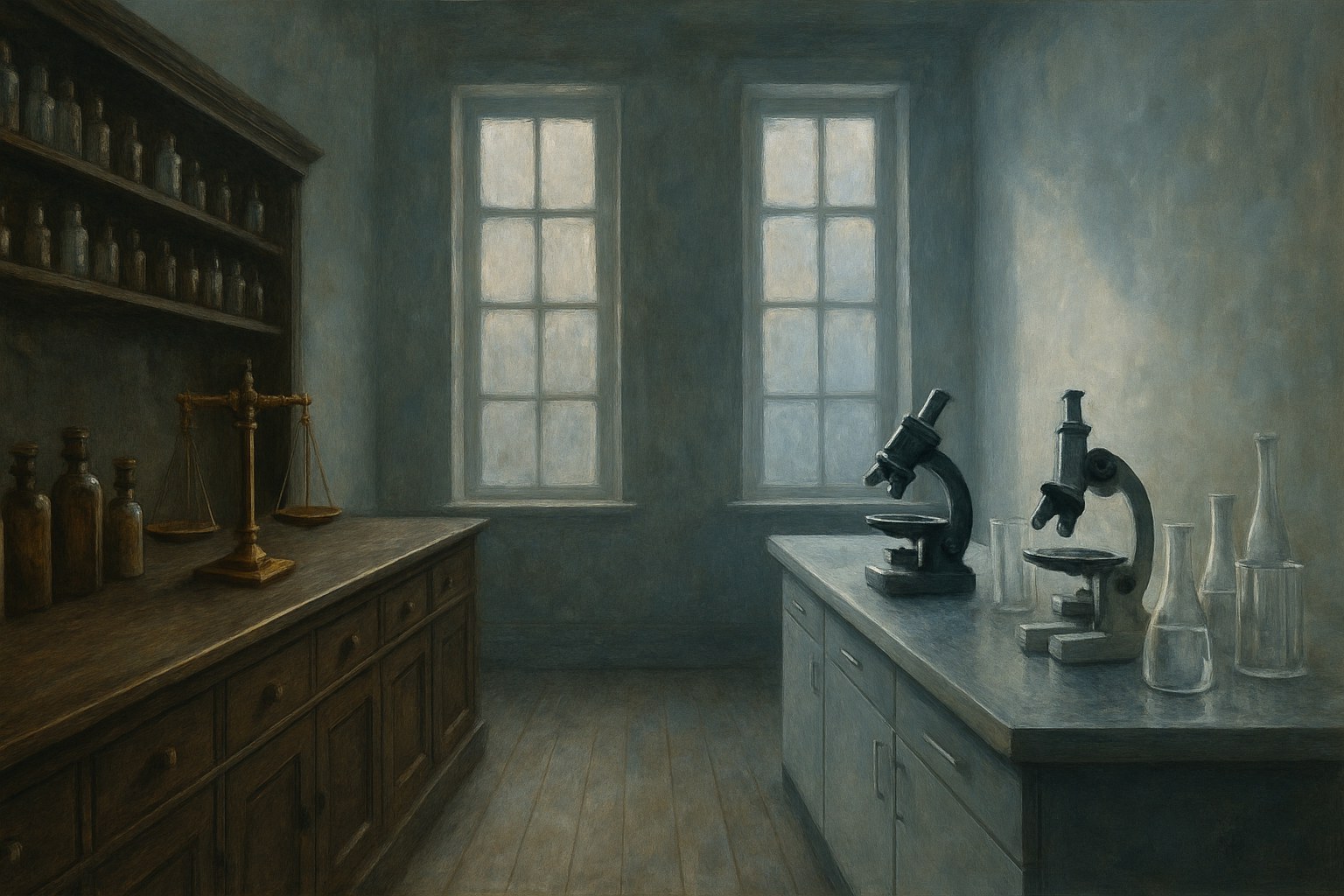
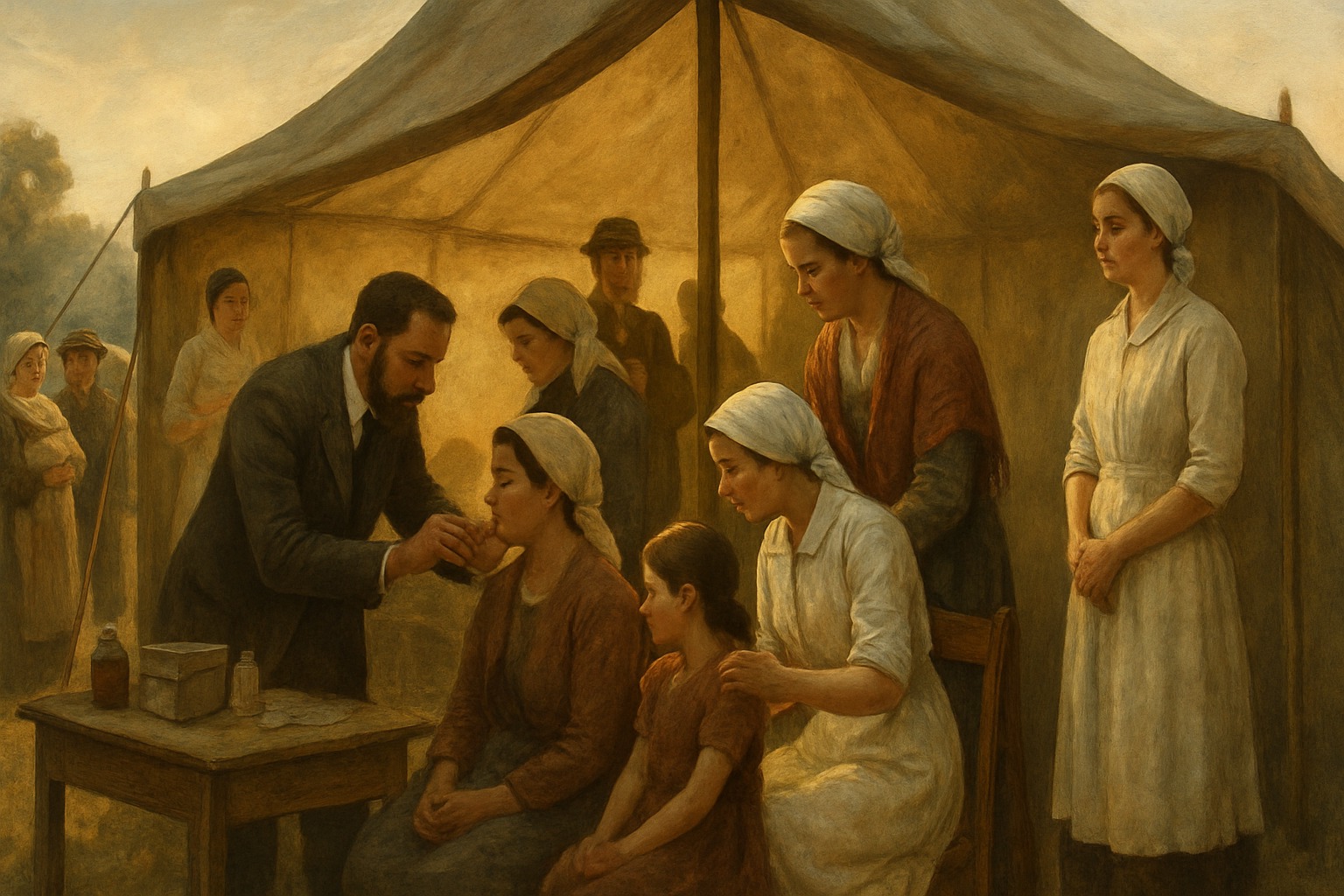
For most of the nation's first century, American medicine did more harm than good. The reigning doctrine, called heroic medicine, held that disease was an excess to be driven out of the body, and its instruments were the lancet, the blister, and enormous doses of the mercury compound calomel. Benjamin Rush, a signer of the Declaration and the most respected physician of the early republic, bled yellow fever patients until they fainted and then bled them again. Patients who avoided doctors altogether frequently did no worse.
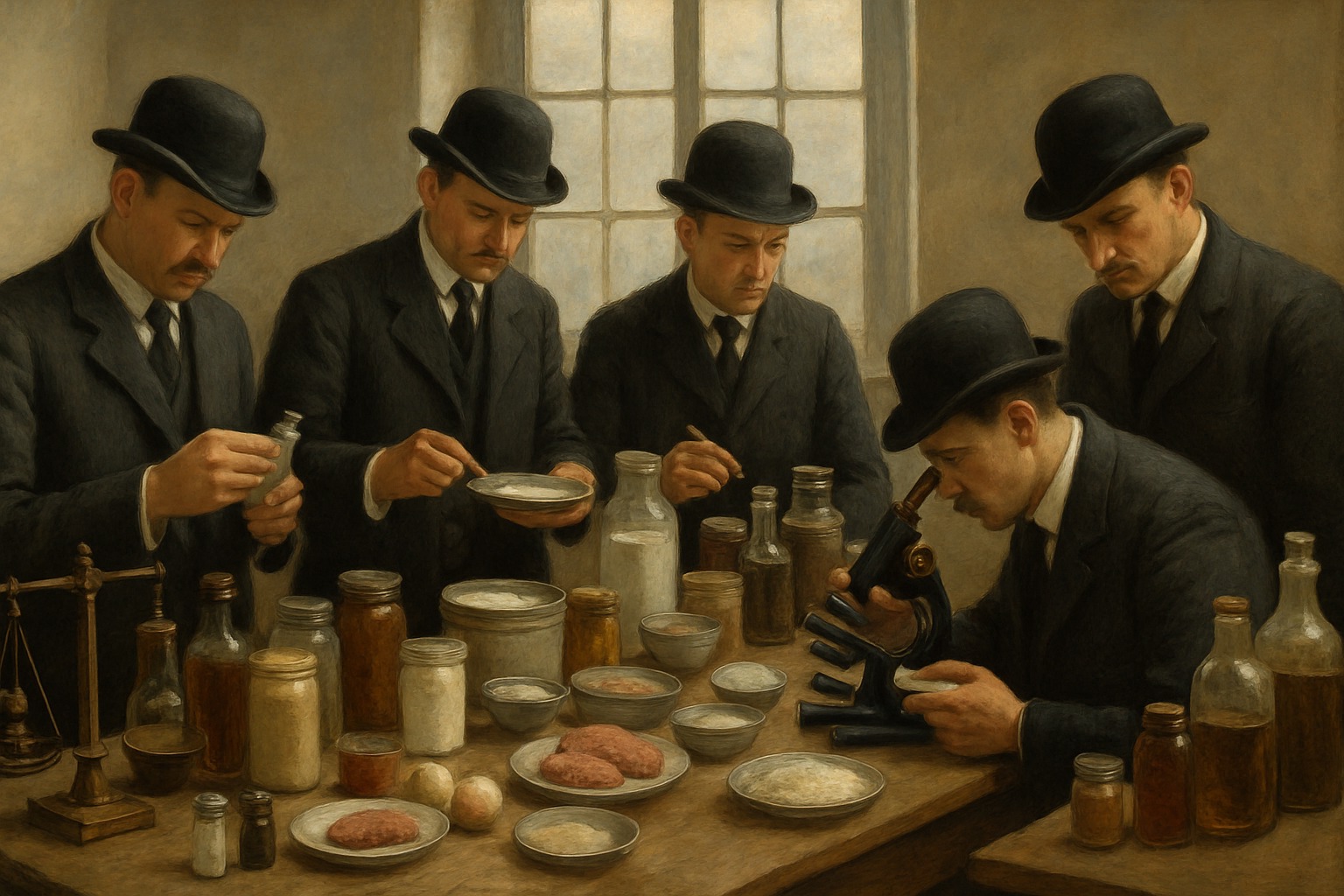
Into that vacuum poured the patent medicine trade — bottled tonics of alcohol, opium, and cocaine sold by newspaper advertisement, with extravagant promises and no disclosure of what was inside. Medical schools were proprietary businesses that granted a degree after two short terms of lectures, required no laboratory work, no hospital training, and often no college education to enter. Anyone could hang out a shingle and call himself a doctor. The American Medical Association, founded in 1847, spent decades complaining about all of this with very little power to change it.
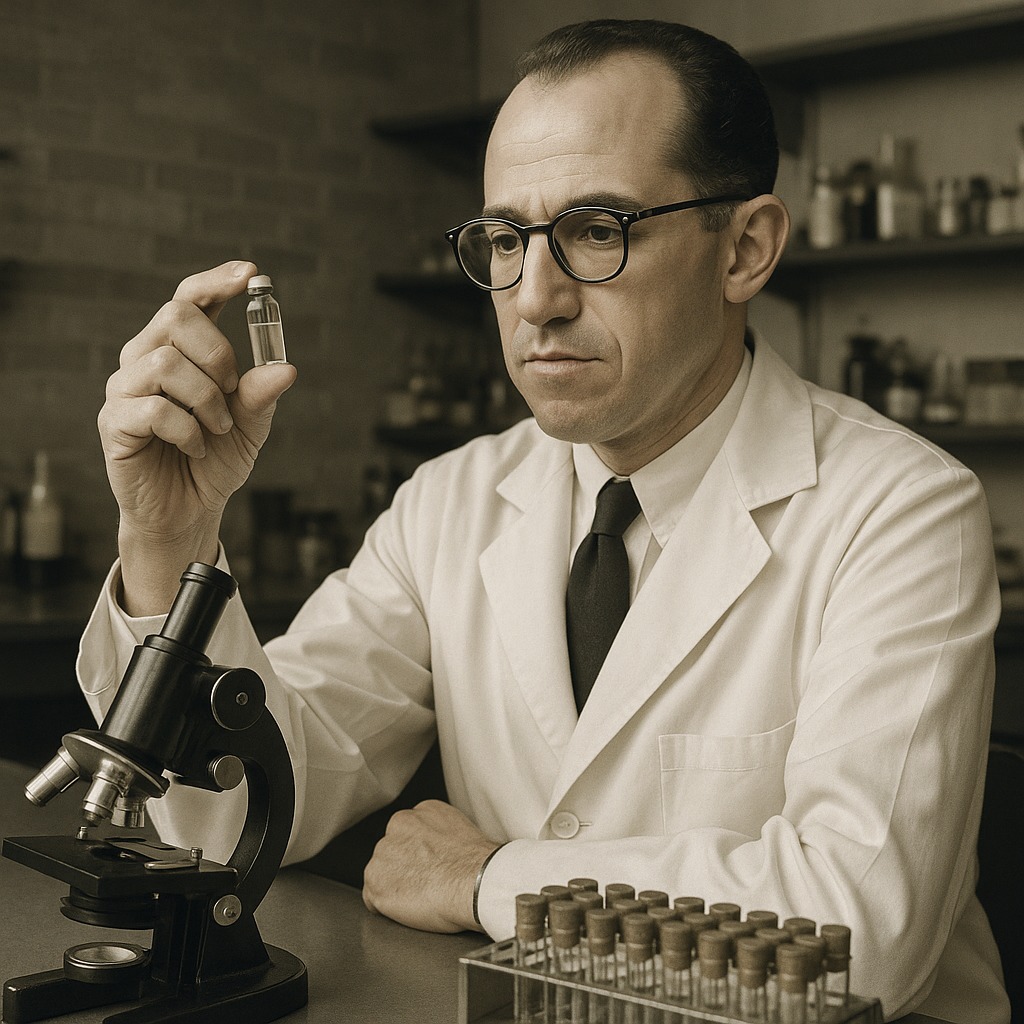
The transformation came from two directions at once. European laboratory science established that specific microorganisms cause specific diseases, which turned antisepsis, sanitation, and eventually vaccines and antibiotics into rational practice rather than guesswork. Then in 1910 Abraham Flexner, funded by the Carnegie Foundation, published a survey of every medical school on the continent that was blunt to the point of cruelty. Within twenty years roughly half of them had closed, and the survivors were rebuilt on the Johns Hopkins model — university-based, laboratory-grounded, taught at the bedside. That same consolidation shut all but two of the schools training Black physicians.
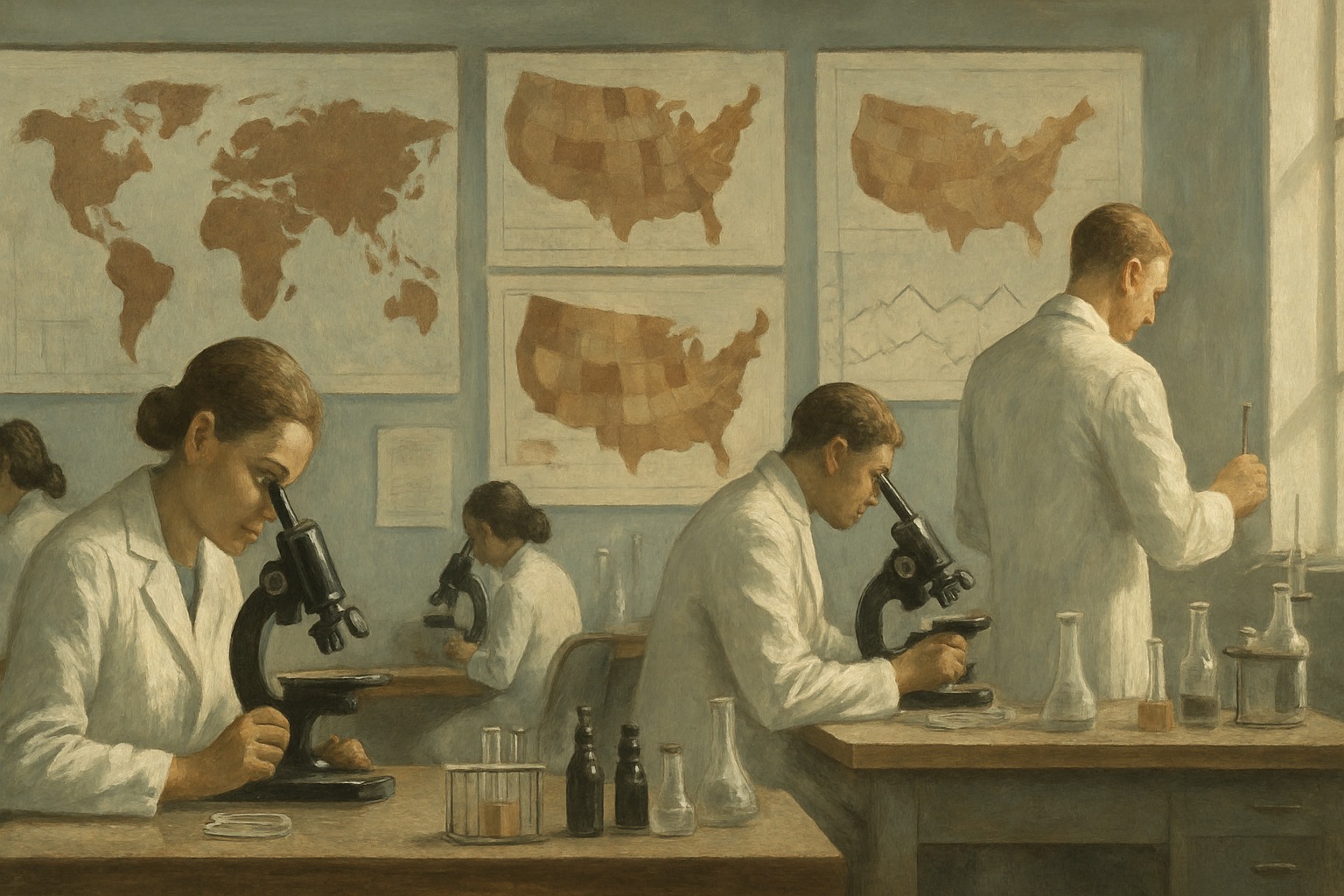
Federal money after the Second World War completed the change. The National Institutes of Health grew from a small laboratory into the largest funder of biomedical research on earth, and American laboratories, hospitals, and drug firms produced a run of discoveries in imaging, transplantation, cancer treatment, and genetics unmatched anywhere else. The paradox is that the country that invents the most also spends the most and covers the fewest. The United States remains the only wealthy nation without universal health coverage, and its life expectancy trails peers that spend roughly half as much per person.
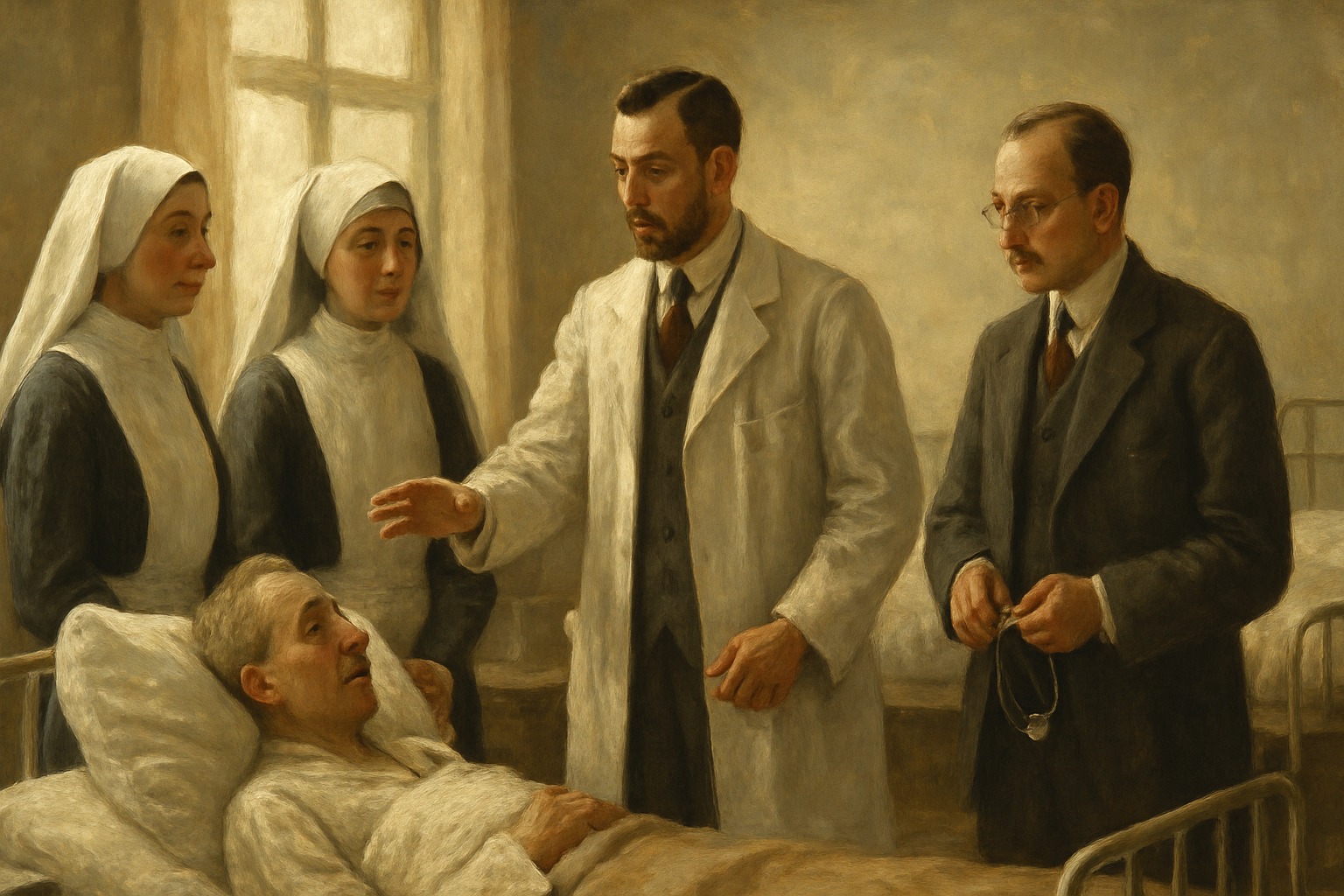
| Early doctrine | Heroic medicine — bleeding, blistering, calomel |
| Turning point | Germ theory, 1870s-1880s |
| Flexner Report | 1910 — roughly half of U.S. medical schools closed |
| Model school | Johns Hopkins, opened 1893 |
| Research | NIH, the largest biomedical funder in the world |
| The paradox | Highest spending, no universal coverage |
| Date | From the early republic to today |