COVID-19 Pandemic

The first confirmed case of COVID-19 in the United States was identified on January 20, 2020, in a Washington State man who had returned from Wuhan, China. By March 11 the World Health Organization had declared a global pandemic. By March 13 President Trump had declared a national emergency. Within weeks, schools had closed, businesses had shuttered, and millions of Americans were working from home — an abrupt restructuring of daily life with no peacetime precedent. By the end of 2020, more Americans had died of COVID-19 than in World War II.
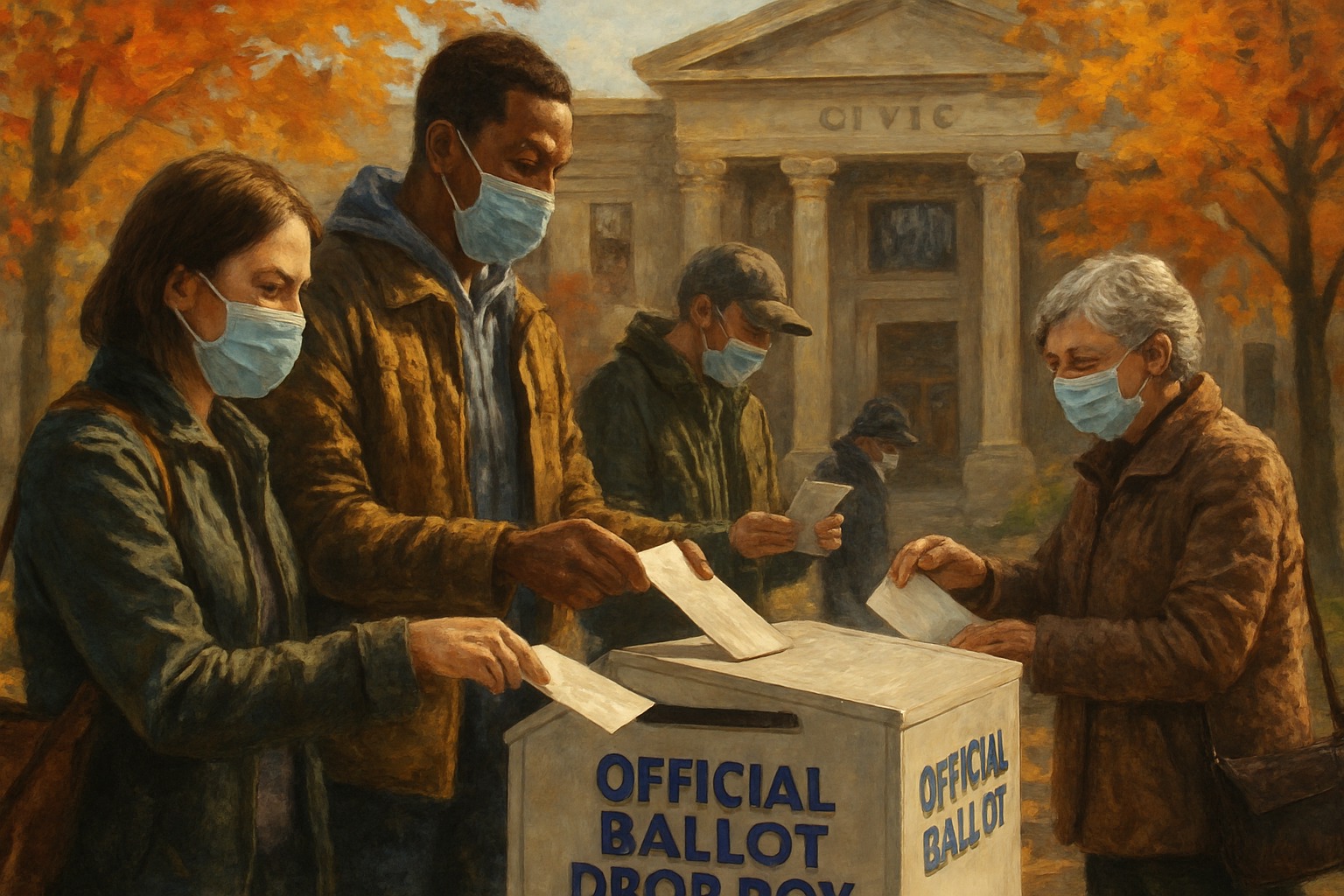
The pandemic eventually killed more than one million Americans — the deadliest disease event in U.S. history since the 1918 influenza pandemic. The development of multiple effective vaccines within a year of the pathogen's identification, through Operation Warp Speed's unprecedented public-private funding partnership, was a genuine scientific achievement. Their deployment was complicated by a deepening partisan divide over vaccines, masks, and public health authority that transformed medical decisions into political and cultural signals.
COVID's economic impact was immediate: unemployment spiked from 3.5 percent in February 2020 to nearly 15 percent by April — the highest rate since the Great Depression — before recovering faster than most economists forecast. Federal emergency spending across multiple relief packages reached roughly $5 trillion, including direct household payments and the Paycheck Protection Program. The pandemic accelerated existing trends in remote work, e-commerce, and urban migration in ways that permanently altered the American labor market and economy.
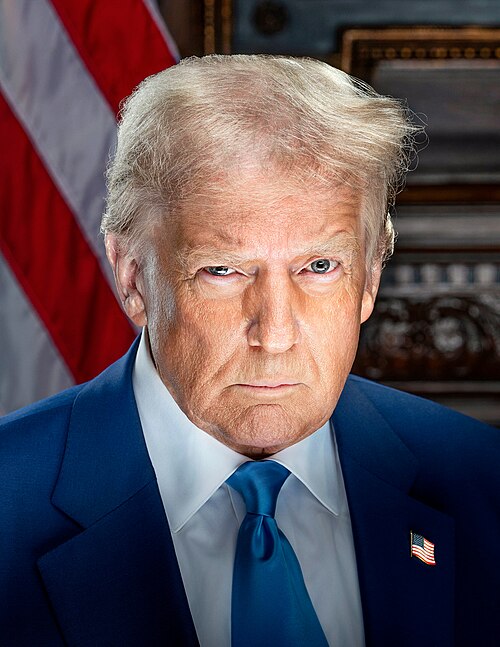
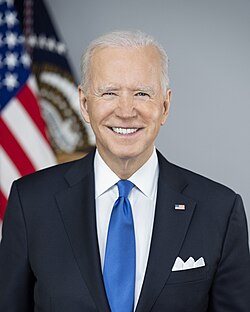
The pandemic's political consequences reverberated through two presidencies. Trump's handling of the early crisis — including conflicts with public health officials, promotion of unproven treatments, and erratic public messaging — became a central issue in the 2020 election. Biden's vaccination rollout was initially praised, but the emergence of Delta and Omicron variants undermined claims the pandemic was under control. Arguments over school closures, business mandates, and pandemic-era restrictions shaped electoral politics for years and exposed a fracturing of trust in public institutions that outlasted the emergency itself.





| First U.S. Case | January 20, 2020 — Snohomish County, Washington |
| National Emergency | Declared March 13, 2020 (Trump); ended May 11, 2023 (Biden) |
| U.S. Deaths | 1,000,000+ (as of 2022) |
| Peak Unemployment | 14.7% (April 2020) |
| Vaccine Authorization | Pfizer-BioNTech, December 11, 2020 (emergency use) |
| Federal Relief Spent | ~$5 trillion across multiple legislative packages |
| WHO Emergency Ended | May 5, 2023 |
| Date | March 2020 – May 2023 (U.S. national emergency) |
| Location | United States (nationwide) |