The 1918 Flu Pandemic
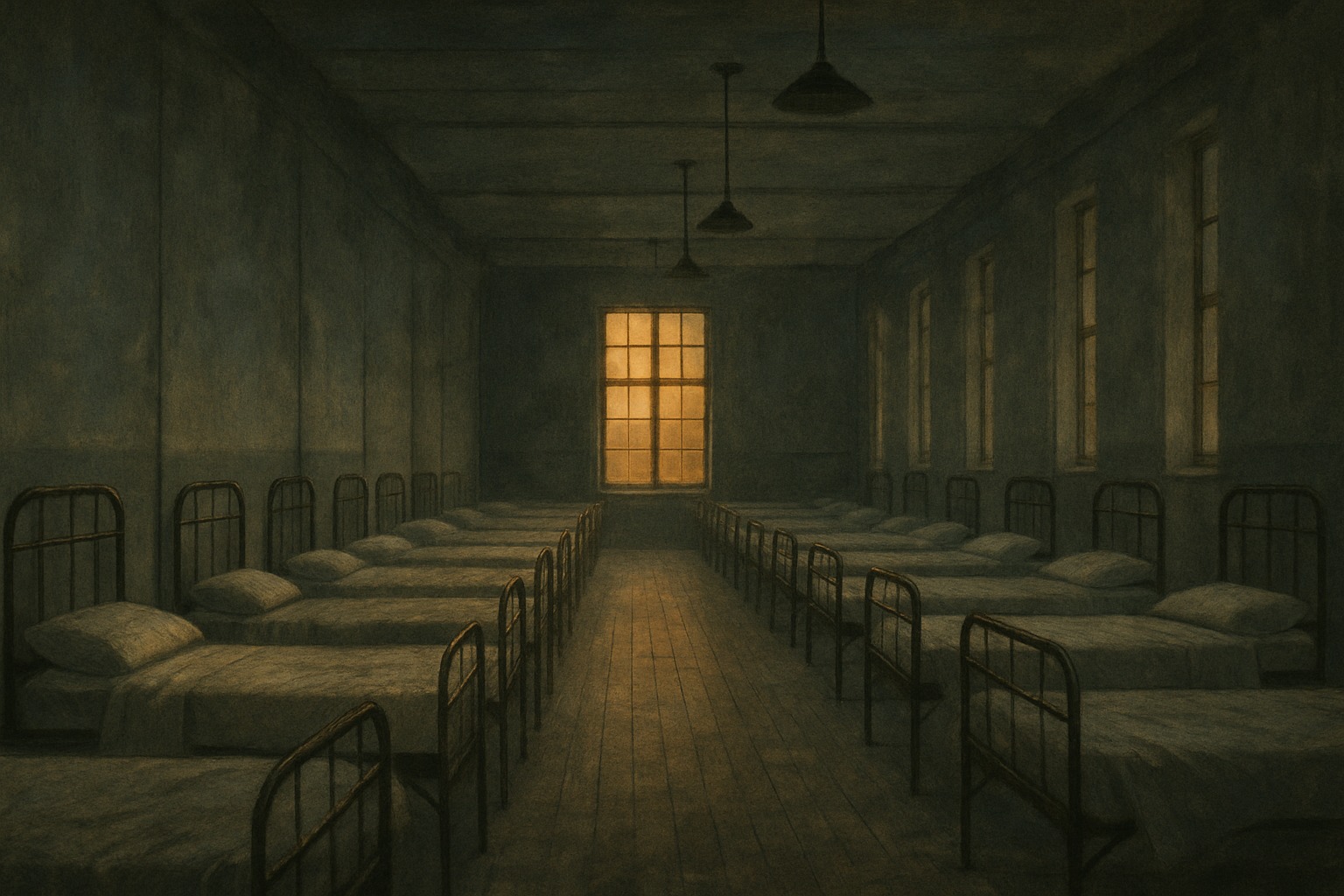
The influenza pandemic of 1918 was the deadliest disease outbreak in American history. In a little over a year it killed an estimated 675,000 people in the United States — and perhaps 50 million worldwide — far more than died in the First World War raging at the same time.
Misleadingly called the "Spanish flu," the disease struck with terrifying speed and, unusually, killed many healthy young adults. Spread by wartime troop movements and crowding, it overwhelmed hospitals, emptied streets, and forced cities to close schools, churches, and theaters and to mandate masks.
The response prefigured modern public health. Cities that acted early and decisively — closing public gatherings and isolating the sick — fared better than those that delayed, a lesson studied closely a century later during COVID-19. Yet wartime censorship suppressed news of the outbreak, worsening its spread.
Despite its staggering toll, the 1918 pandemic faded quickly from public memory, overshadowed by the war. It returned to prominence only with COVID-19, when Americans rediscovered it as the closest historical parallel to their own ordeal — and a warning long forgotten.