The Birth Control Pill
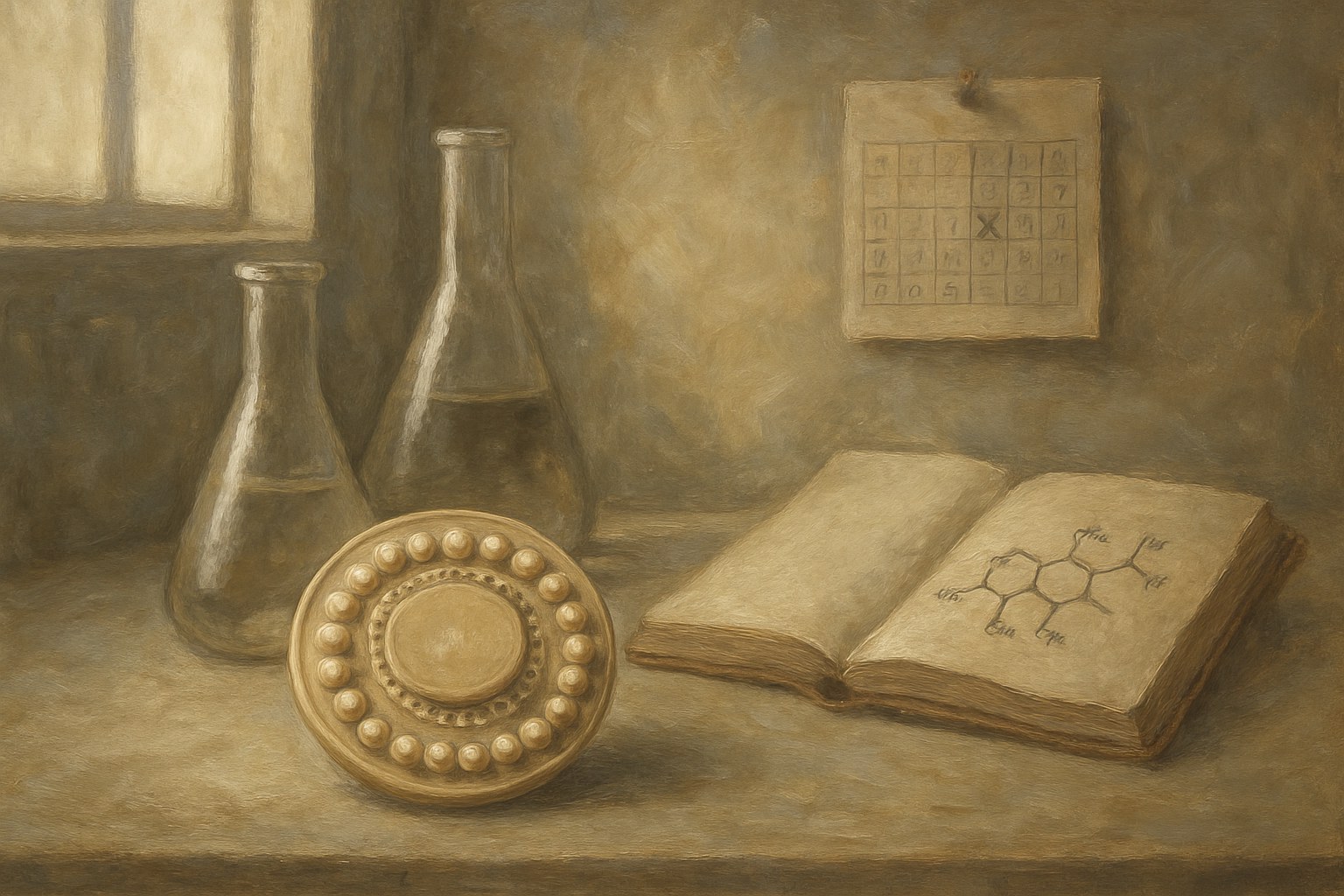
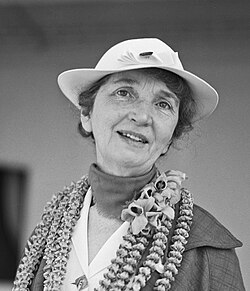
In 1950 Margaret Sanger, then in her seventies and decades into a campaign that had cost her arrests and exile, told the biologist Gregory Pincus exactly what she wanted: a cheap, reliable contraceptive a woman could swallow, requiring no doctor's hands, no device, and no husband's cooperation. Pincus said it was probably possible. Sanger found the money in Katharine Dexter McCormick, a trained biologist and heir to the International Harvester fortune, who eventually supplied roughly two million dollars of her own for research no drug company or government agency would touch.
Pincus and Min Chueh Chang established that synthetic progesterone suppressed ovulation. Human trials needed a clinician, and they found one in John Rock, a Harvard gynecologist and infertility specialist who was also a devout Catholic and believed his church would come to accept the method. The compound, Enovid, reached the market in 1957 approved only for menstrual disorders — carrying a label warning that it would also prevent ovulation. The warning functioned as an advertisement. Hundreds of thousands of American women promptly reported menstrual complaints. In June 1960 the FDA approved it for contraception outright.
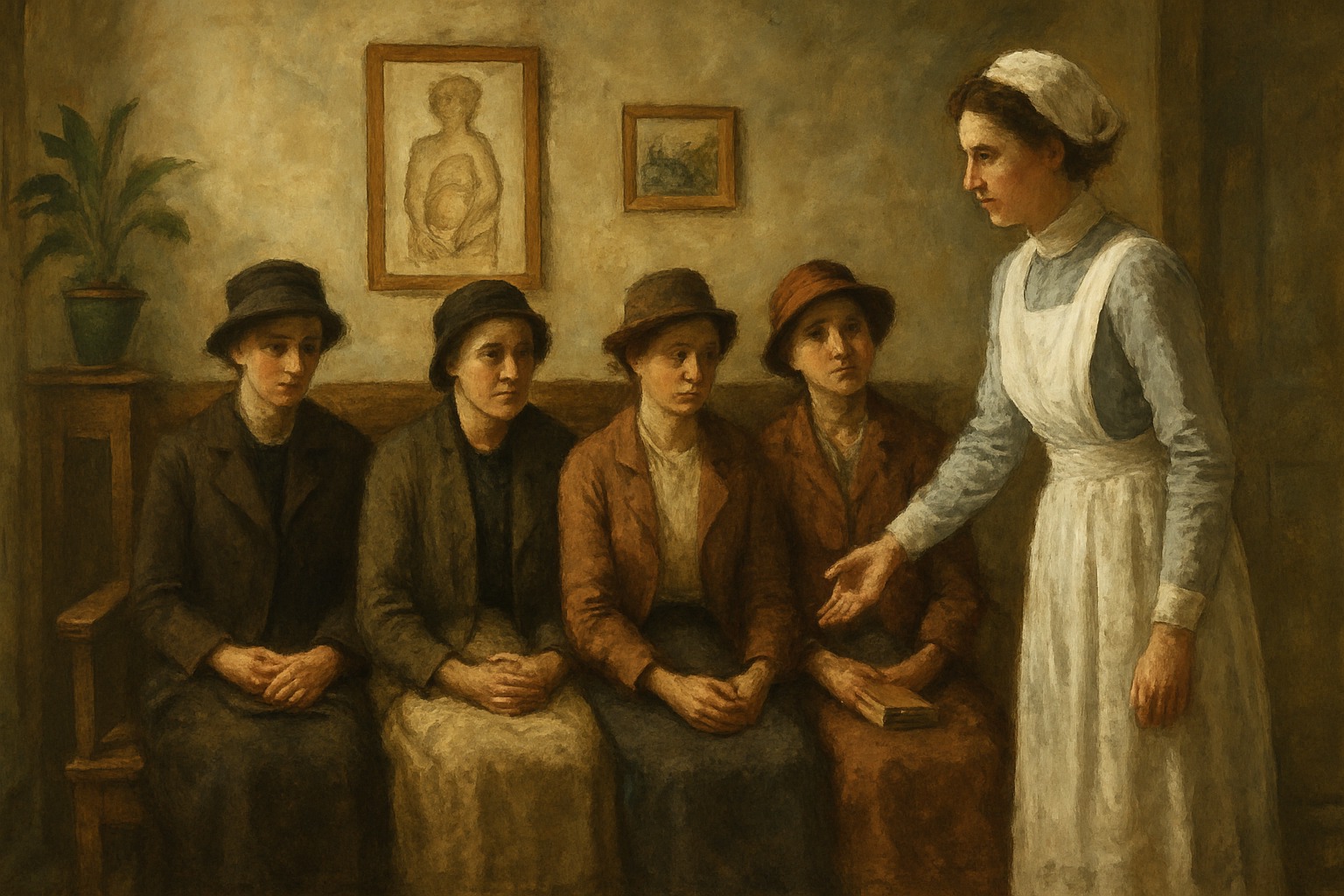
The trials behind that approval remain contested. The large studies began in 1956 in public housing projects outside San Juan, Puerto Rico, where contraception was legal and poor women enrolled readily. Participants were told the drug prevented pregnancy, but not that it was experimental, and consent standards of the period fell far short of what later rules require. The dose was many times higher than any pill sold today. Three women died during the trials and no autopsies were performed. Defenders point out that the women wanted contraception and volunteered in large numbers. Critics answer that willingness is not informed consent.
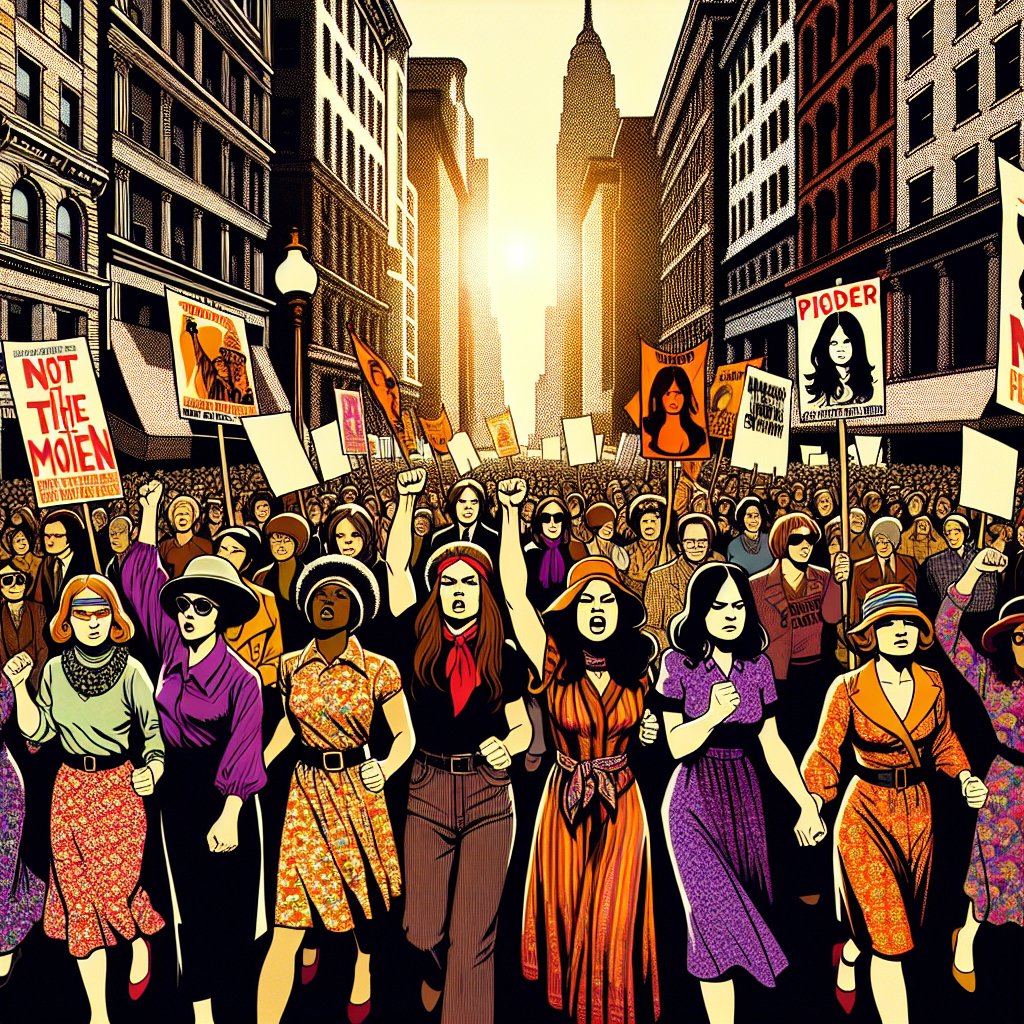
The law caught up unevenly. Griswold v. Connecticut struck down a state ban on contraceptives for married couples in 1965, and Eisenstadt v. Baird extended the right to unmarried people in 1972. By then millions of American women were taking the pill, and the consequences showed up in the aggregate — later marriages, smaller families, and a steep rise in the share of women entering law, medicine, and business schools and staying in careers through their twenties. Economists have traced a measurable part of that shift to one plain fact: a woman could now decide when, and whether.

| Commissioned by | Margaret Sanger, 1950 |
| Funded by | Katharine Dexter McCormick |
| Developed by | Gregory Pincus, Min Chueh Chang, John Rock |
| Approved | 1957 for menstrual disorders, June 1960 for contraception |
| Trials | Puerto Rico from 1956 — consent standards widely criticized |
| Legal cases | Griswold v. Connecticut 1965, Eisenstadt v. Baird 1972 |
| Date | FDA approval 1960 |
| Location | Worcester, Massachusetts |