The Rockefeller Foundation
The oil fortune turned to fighting disease and funding science, 1913

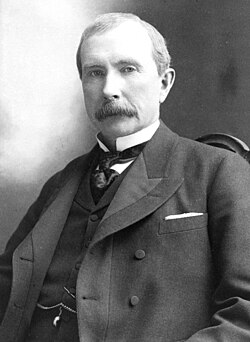
In 1913 John D. Rockefeller, whose Standard Oil monopoly had made him the richest man in America and one of its most reviled, chartered the Rockefeller Foundation with a mandate as sweeping as his fortune: to promote the well-being of mankind throughout the world. It turned the profits of oil into philanthropy on a scale never before attempted, and it helped invent the modern practice of the large, professionally run foundation.
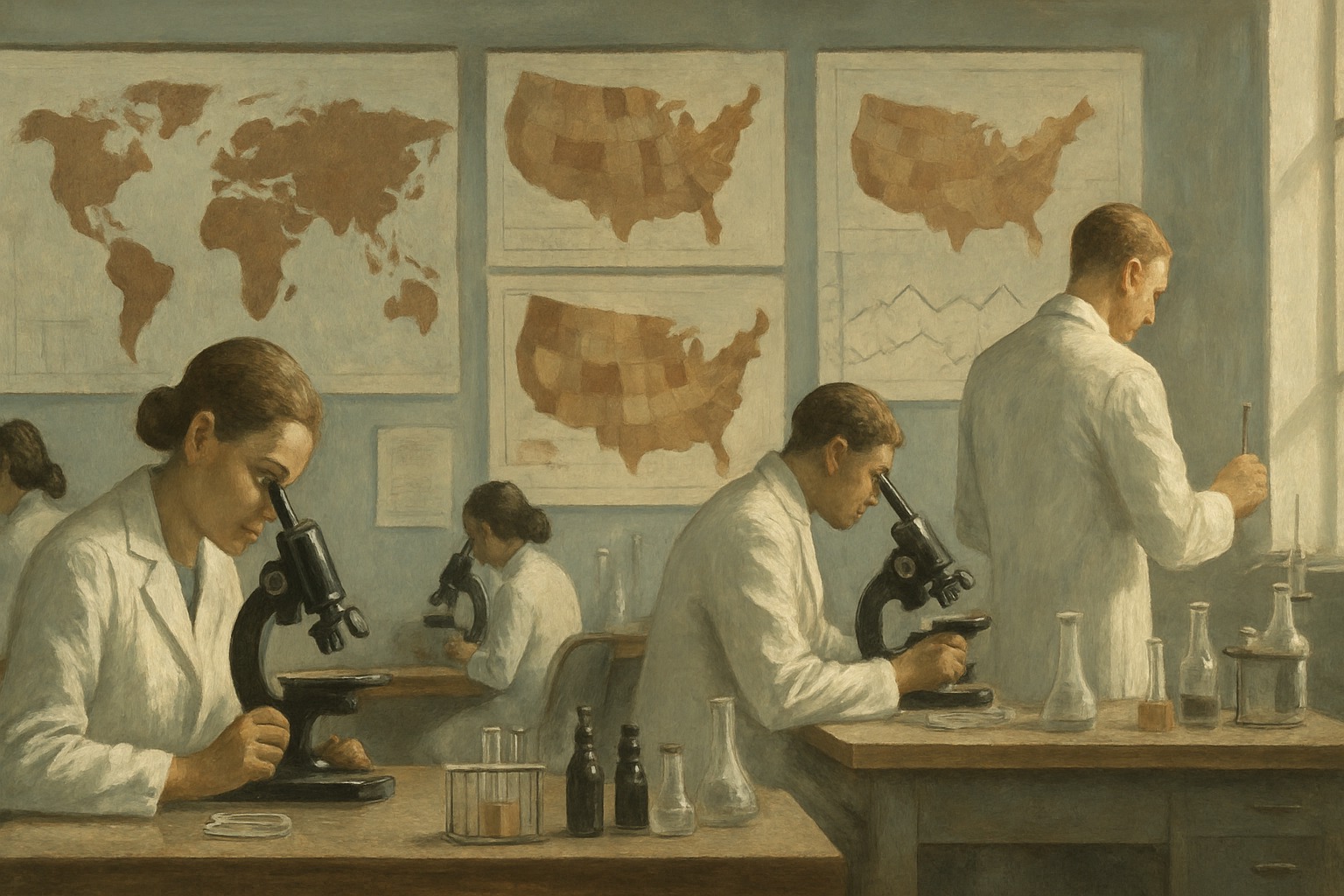
The foundation's greatest achievements were in public health and medicine. It mounted international campaigns against hookworm, yellow fever, and malaria, funded the reform of American medical education that raised the standards of the profession, and established schools of public health that trained generations of doctors and researchers. Its money helped build the scientific infrastructure of modern medicine on several continents.
Its reach extended into science and agriculture as well. Rockefeller money funded basic research that produced Nobel laureates, and in the mid-twentieth century the foundation helped launch the agricultural research, later called the Green Revolution, that dramatically increased food production in the developing world. Critics questioned the power such wealth gave a private body over public priorities, a debate that has followed big philanthropy ever since.
The Rockefeller Foundation established the template of scientific philanthropy — the idea that a private fortune, systematically applied, could attack the root causes of human suffering. Alongside the foundations built by Carnegie and later Ford, it turned the vast wealth of the Gilded Age toward public ends and shaped the fields of medicine, science, and global health for a century.


Related entries




Featured in these guides
Across the Brief network
People in this entry, on BriefPeople