Dred Scott
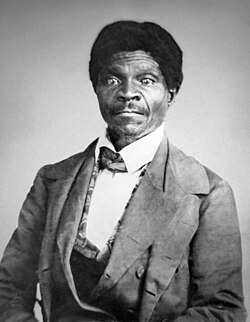
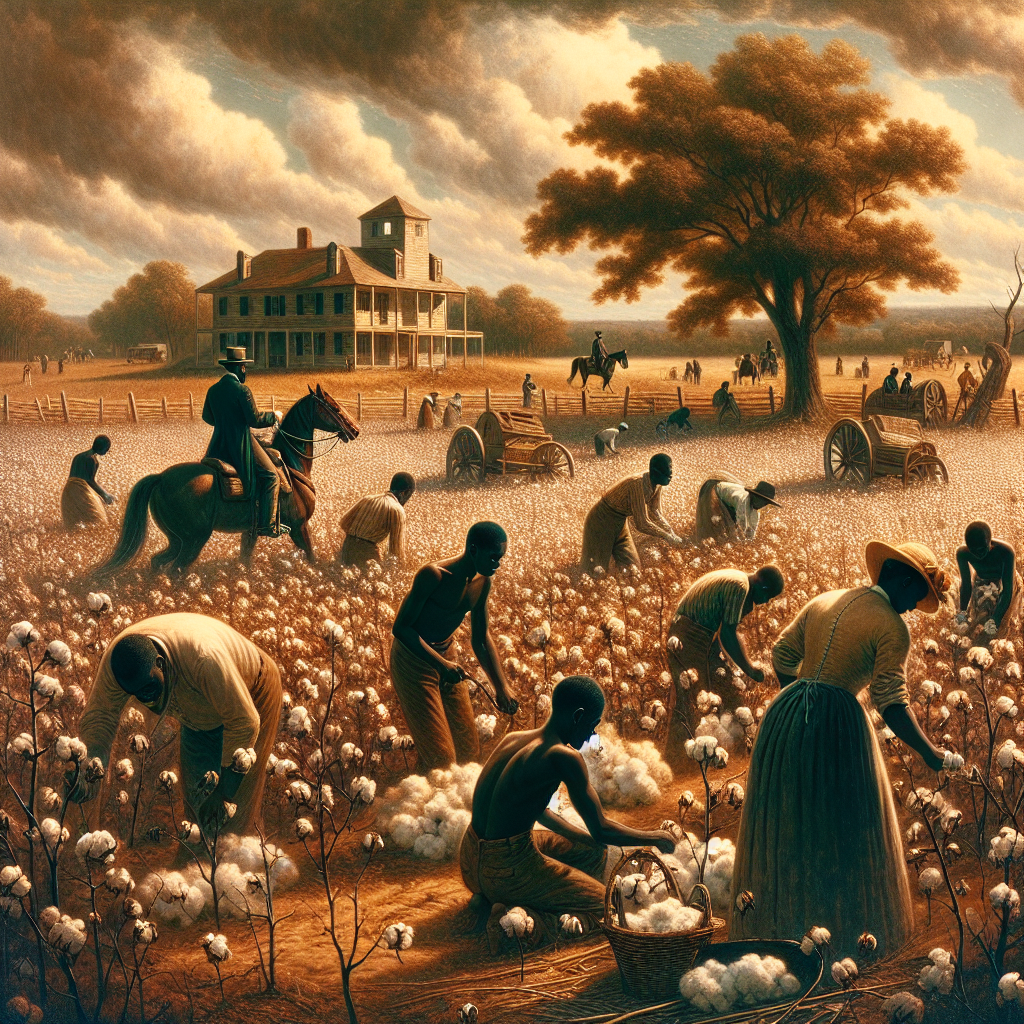
Dred Scott had lived as a free man in free territory for years before he sued for his liberty — and by the time the Supreme Court ruled against him in March 1857, his case had become the most consequential lawsuit in American history. Scott was born into slavery in Virginia around 1800 and had been taken by his enslaver, an Army surgeon, to Illinois and the Wisconsin Territory — both of which prohibited slavery. When he was brought back to Missouri, he argued that residence in free territory had made him legally free. The Supreme Court of the United States decided, 7–2, that it had not.
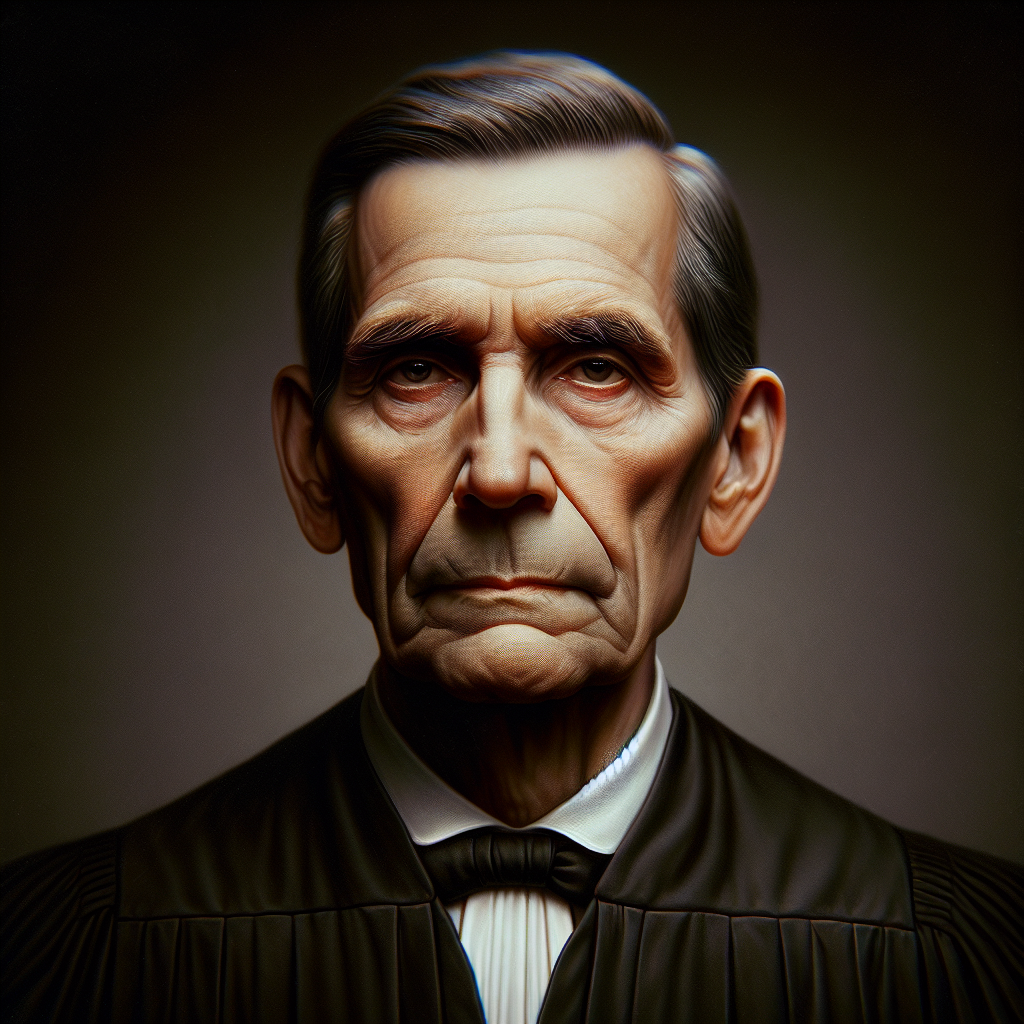
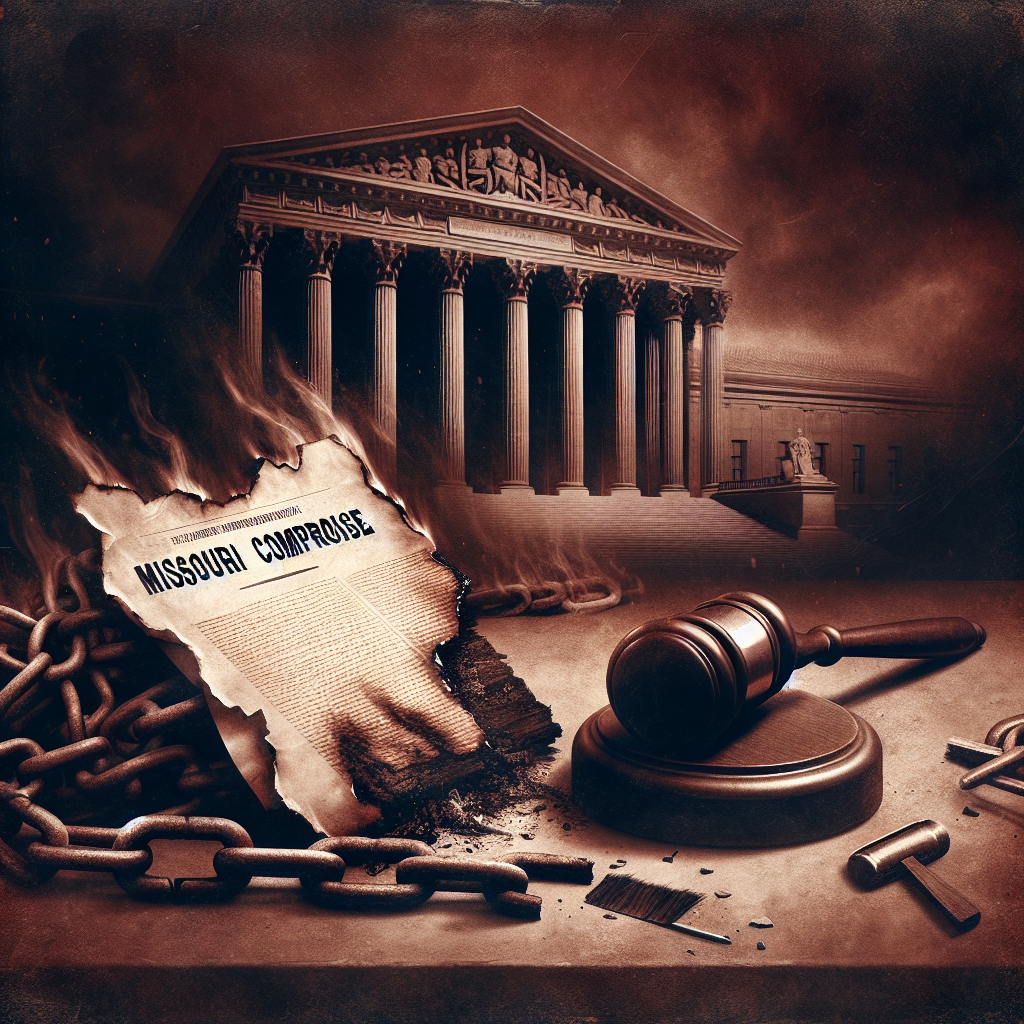
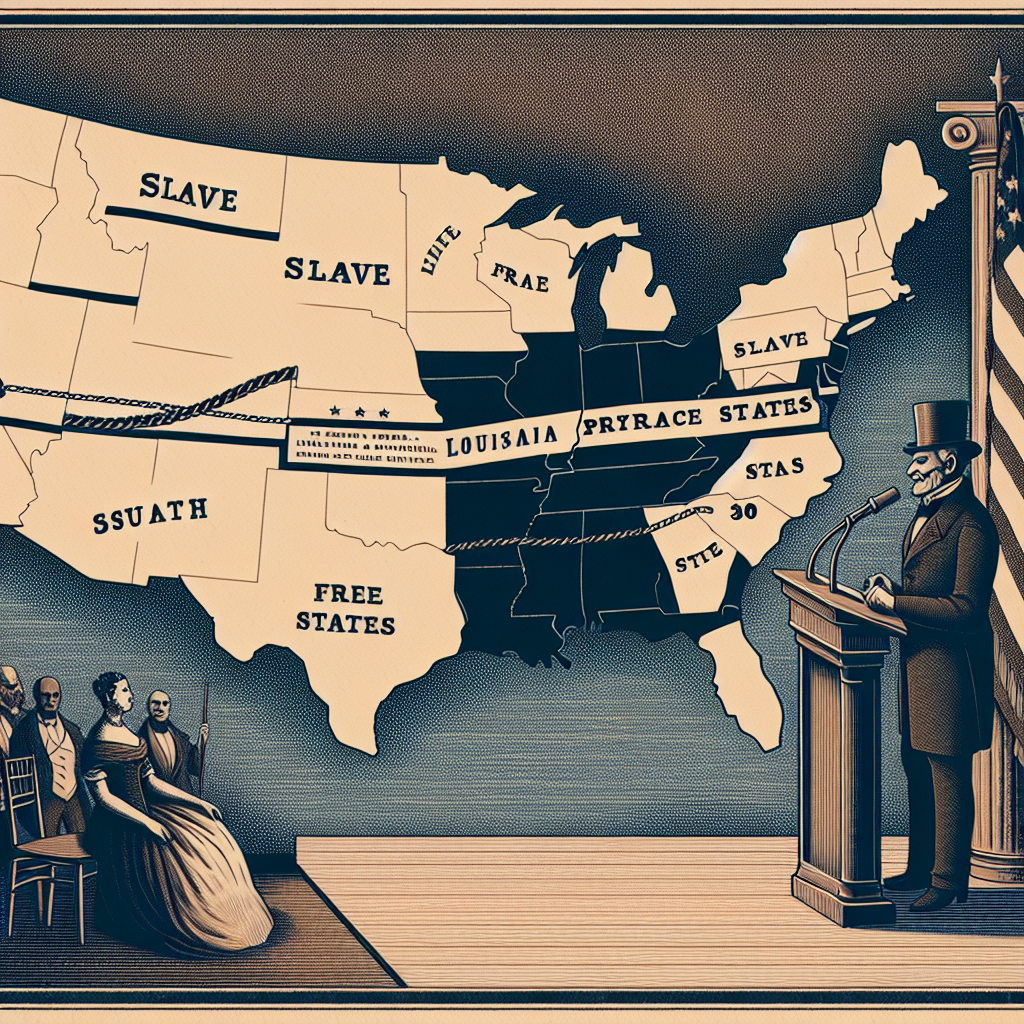
Chief Justice Roger Taney's majority opinion went far beyond Scott's individual case. It ruled that Black Americans — enslaved or free — were not citizens of the United States and had no right to bring suit in federal court. It further ruled that Congress had never had the constitutional authority to prohibit slavery in the territories, invalidating the Missouri Compromise of 1820 in a single stroke. The decision did not settle the slavery question. It detonated it. Republicans who had hoped to contain slavery's expansion through legislation now had no legal ground to stand on.
Scott himself was freed by his new owners just three months after the decision, and died of tuberculosis in September 1858 — never knowing that his name would attach itself permanently to one of the most reviled rulings in the history of American law. The Fourteenth Amendment, ratified in 1868, was written in part to repudiate Taney's logic directly, establishing birthright citizenship and equal protection as constitutional guarantees. Scott did not live to see it. He had done enough simply by refusing to accept that his legal personhood was not worth fighting for.
| Born | c. 1800 — Southampton County, Virginia |
| Died | September 17, 1858 — St. Louis, Missouri |
| Enslaved By | Peter Blow (early life); Dr. John Emerson; then Emerson's widow |
| Lawsuit Filed | 1846, Missouri state courts |
| Supreme Court | March 6, 1857 — ruled against Scott, 7–2 |
| Chief Justice | Roger B. Taney |
| Emancipated | May 1857 — by new owners, the Blow family |
| Legal Reversal | Fourteenth Amendment (1868) |
| Years | 1800–1858 |
| Location | St. Louis, Missouri |