Elizabeth Cady Stanton
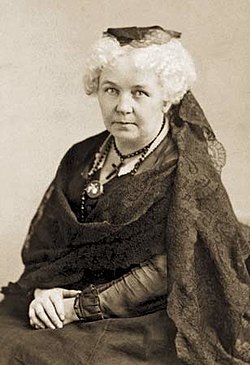
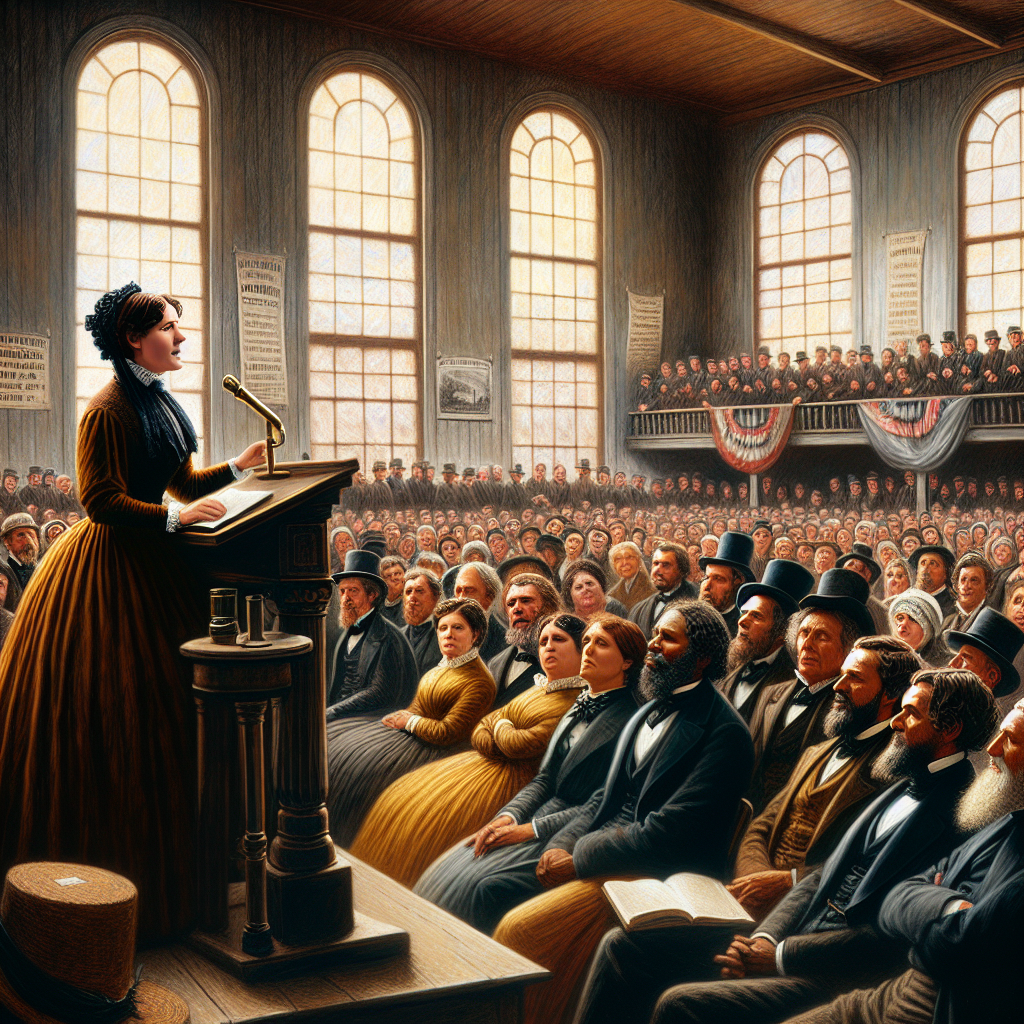
Elizabeth Cady Stanton drafted the Declaration of Sentiments — the founding document of the American women's rights movement — by deliberately mirroring the Declaration of Independence, substituting "all men and women are created equal" where Jefferson had written only "men." The choice was rhetorical strategy and moral argument at once: if the founders' words meant anything, they meant this too. She delivered it at Seneca Falls in 1848, and the shock of it — the audacity of the parallel — was entirely the point.
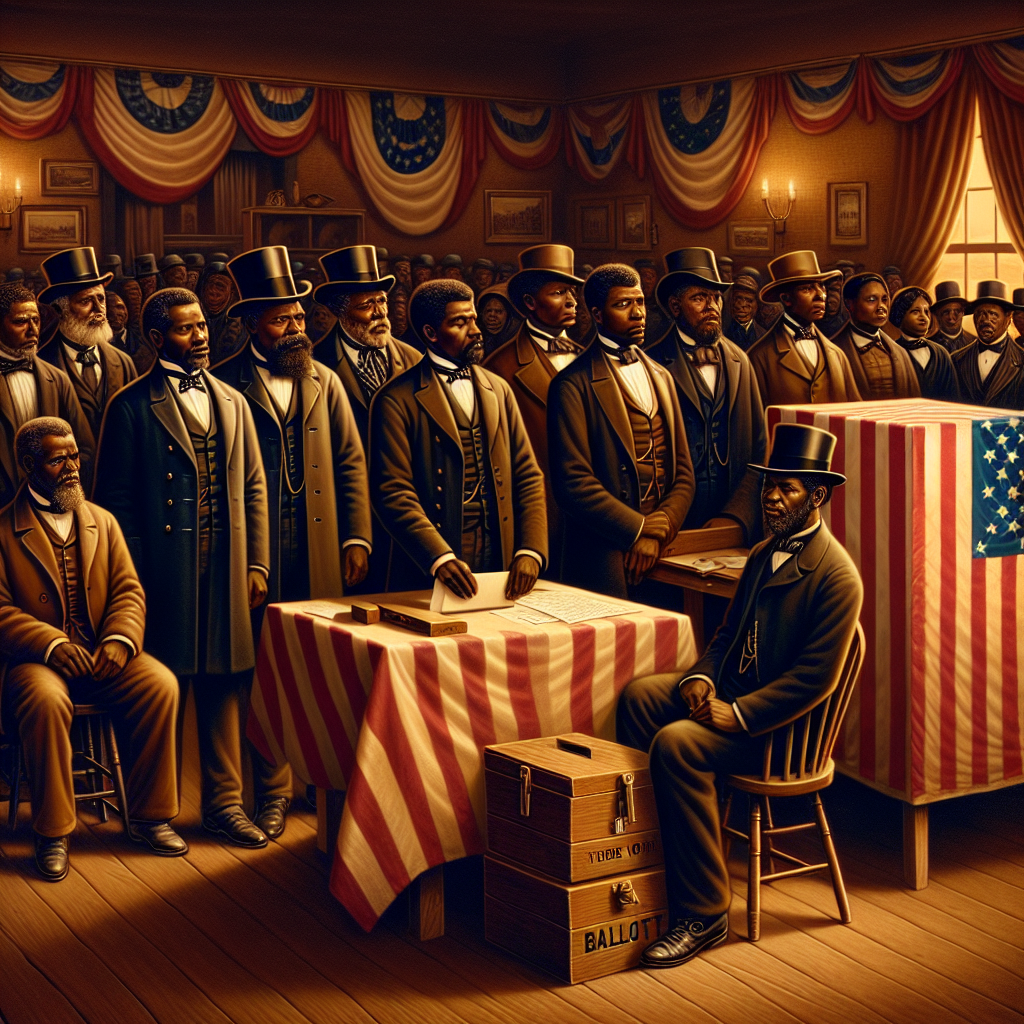
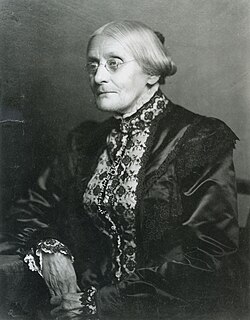
Stanton's partnership with Susan B. Anthony, which lasted over half a century, was one of the most consequential political collaborations in American history. Anthony organized; Stanton wrote and argued. Together they led the women's suffrage movement through its most contentious decades, navigating splits over whether to support the Fifteenth Amendment, which granted Black men the vote but excluded women, forming rival organizations, and eventually reuniting the movement under a single suffrage association in 1890. Neither woman lived to see the Nineteenth Amendment ratified in 1920.
Stanton grew more radical as she aged. Her 1895 publication of The Woman's Bible — a critical feminist commentary on scripture — shocked even her allies in the suffrage movement, who voted to formally disavow it. She believed that organized religion was a primary mechanism of women's subordination, a position well ahead of its time and unwelcome in the evangelical-adjacent world of Victorian reform. She died in 1902, 18 years before the vote she had demanded at Seneca Falls finally arrived.


| Born | November 12, 1815 — Johnstown, New York |
| Died | October 26, 1902 — New York City |
| Key Document | Declaration of Sentiments, Seneca Falls Convention, 1848 |
| Partner | Susan B. Anthony (50-year collaboration) |
| Organizations | NWSA (1869); NAWSA (1890) |
| Key Work | The Woman's Bible (1895) |
| Years | 1815–1902 |
| Location | Seneca Falls, New York |