American Dream

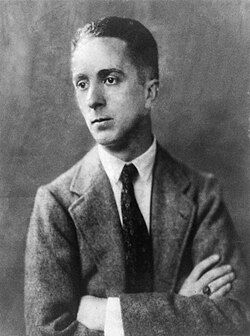
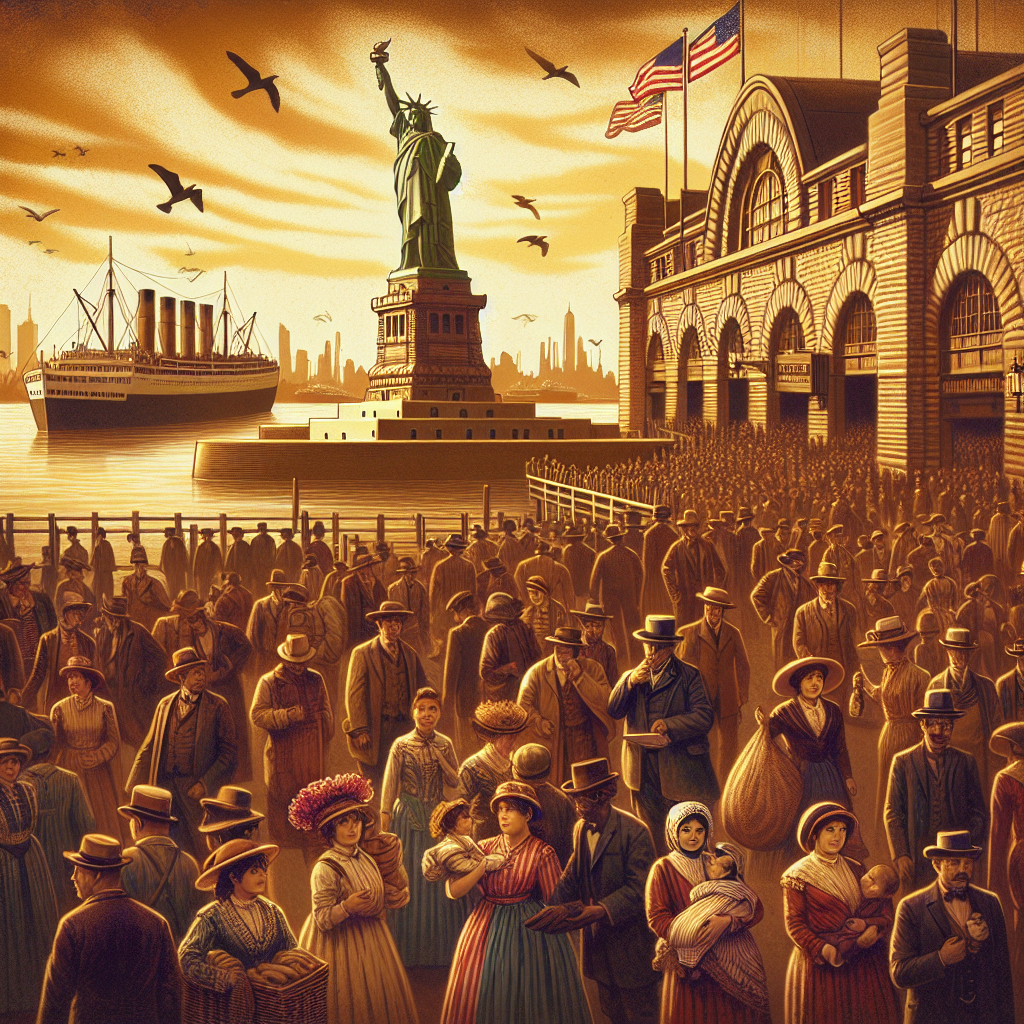
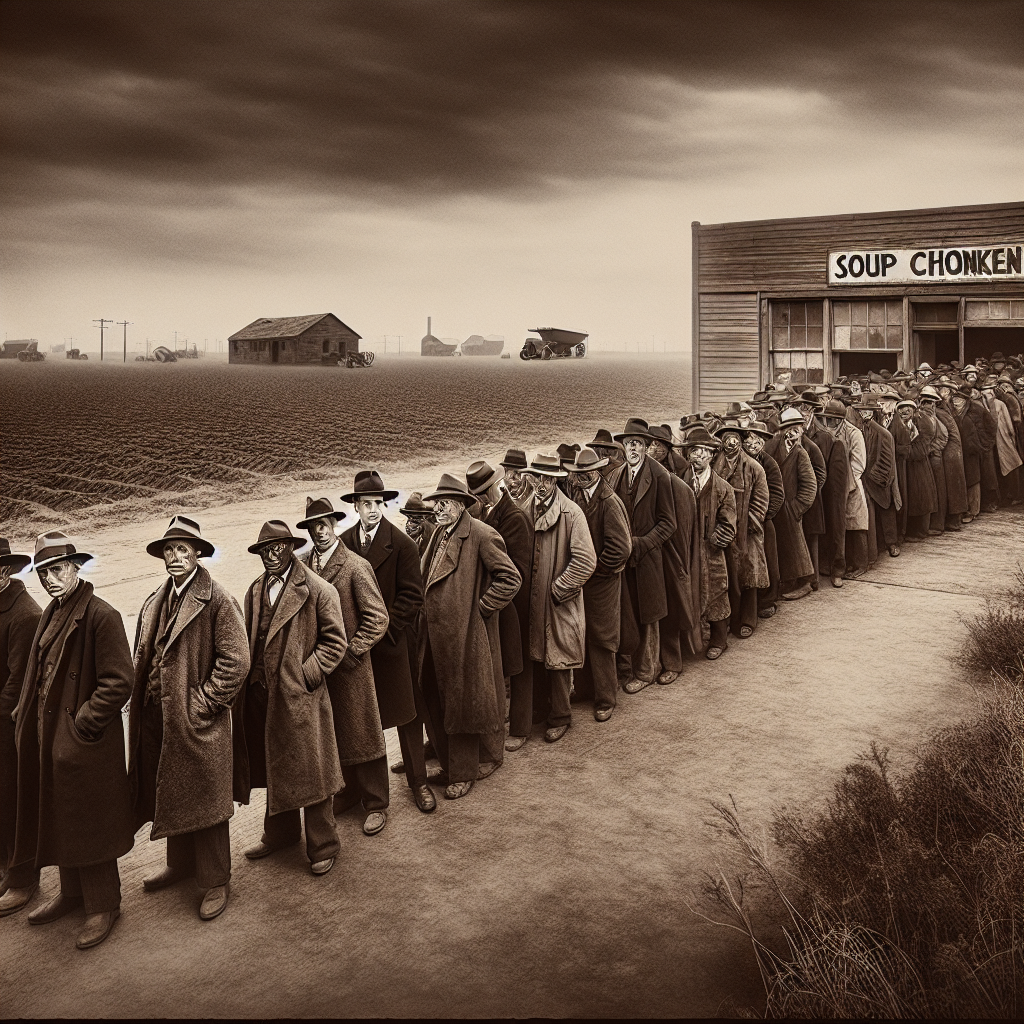
The phrase "American Dream" was coined by historian James Truslow Adams in 1931 — in the depths of the Depression — defined as "that dream of a land in which life should be better and richer and fuller for everyone, with opportunity for each according to ability or achievement." The concept was older than the phrase; it was embedded in Puritan notions of the covenant, in Benjamin Franklin's almanac wisdom, and in the Horatio Alger novels of the Gilded Age. What changed across American history was not the dream itself but the argument over who it applied to — who counted as "everyone."
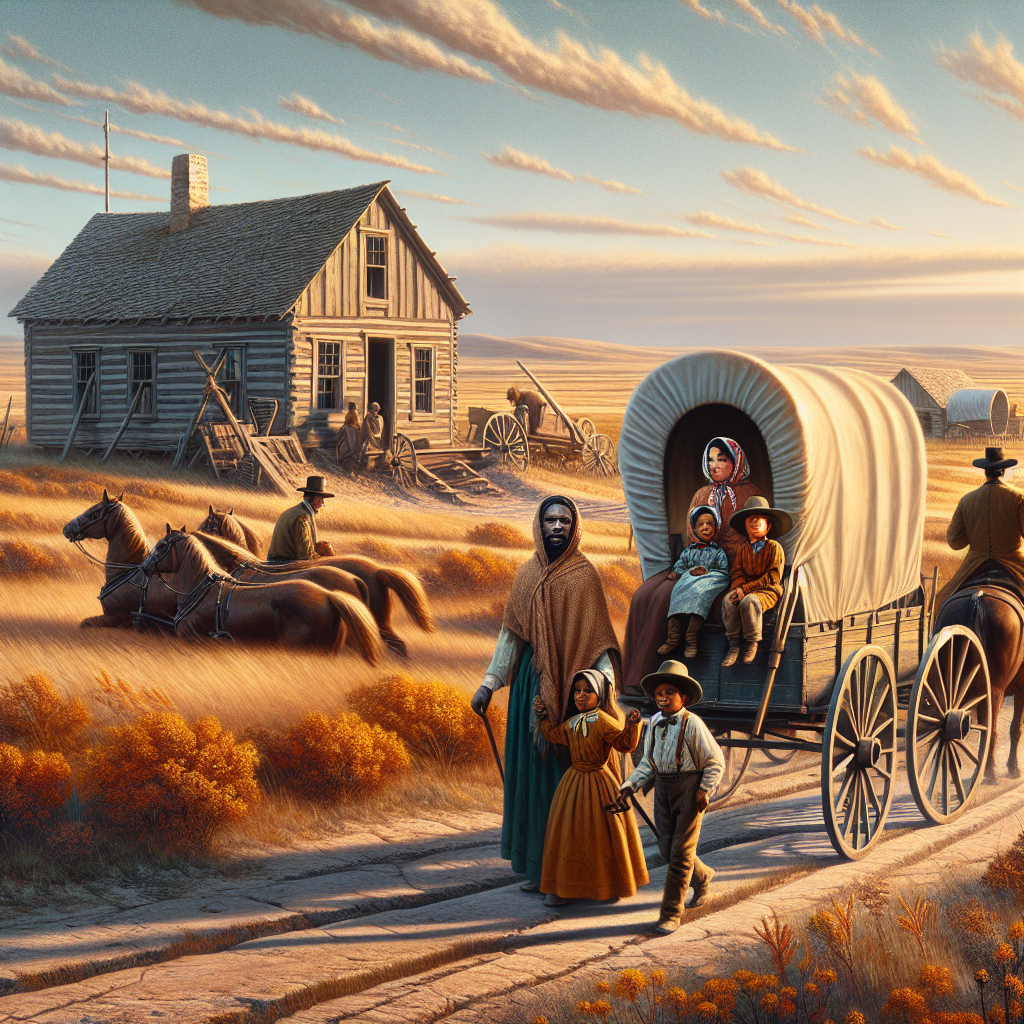
As a description of economic mobility, the American Dream has been alternately validated and contradicted by the data. The mid-20th century combination of strong unions, GI Bill benefits, federally subsidized suburban mortgages, and a growing middle class produced a genuine period of broad upward mobility — the closest thing to the dream's literal fulfillment in American experience. The mechanisms of that mobility were not equally available: GI Bill benefits were administered in ways that systematically excluded Black veterans; suburban mortgages were redlined into white neighborhoods; union membership was stratified by race. The dream was real for a specific demographic during a specific historical window.
By the late 20th century, social scientists were documenting that economic mobility in the United States — the ability to move from one income class to another — was lower than in several peer democracies whose citizens were accustomed to thinking of themselves as more class-bound. The American Dream remained a cultural belief of enormous power long after it had ceased to function as a reliable description of economic reality for a growing portion of the population. Its persistence as a belief even among those it was failing may be its most striking feature — a testament to the ideology's grip and, critics argue, to its function in discouraging structural explanations for individual economic outcomes.



| Phrase Coined | James Truslow Adams, The Epic of America (1931) |
| Core Claim | Effort and merit guarantee upward mobility in America |
| Peak Fulfillment | Post-WWII era, 1945–1973 — broad middle-class growth |
| Structural Limits | Excluded Black Americans through redlining, GI Bill discrimination |
| Modern Data | U.S. social mobility lower than Denmark, Norway, Canada, Germany |
| Cultural Power | Persists as dominant national self-image despite declining mobility |
| Years | 1931 |
| Location | United States |