Seneca Falls Convention
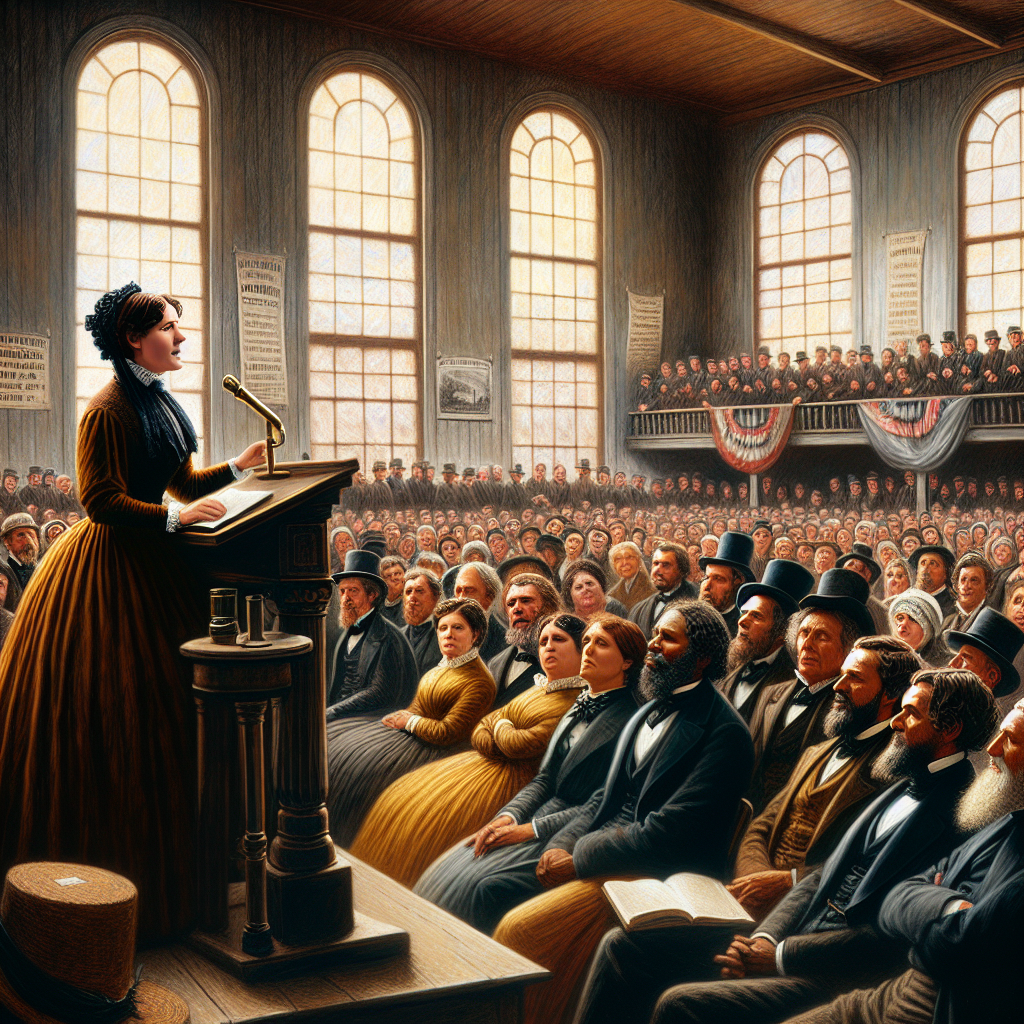
The Seneca Falls Convention of July 19–20, 1848, was organized in ten days by five women who had never organized anything before, held in a Wesleyan Methodist chapel in a small upstate New York town, and attended by approximately 300 people, including 40 men. Elizabeth Cady Stanton drafted its central document — the Declaration of Sentiments — in the style of the Declaration of Independence, deliberately: "We hold these truths to be self-evident: that all men and women are created equal." The declaration listed 18 grievances against the laws and customs that subordinated women, from the denial of the vote to the legal fiction that married women had no independent existence from their husbands. It was the most radical political document produced in the United States since 1776, and the people who signed it knew it.
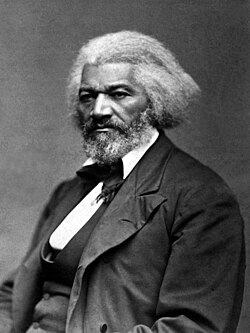
The convention's most controversial resolution was the one demanding women's suffrage. Stanton insisted on it; Lucretia Mott, her co-organizer and one of the most respected abolitionists in America, thought it too radical and warned it would make the whole convention look ridiculous. Frederick Douglass, the only prominent figure in attendance who spoke in its favor, carried it to passage by arguing that the right to vote was the foundation of all other rights and that women were as entitled to it as Black men for whom he was simultaneously fighting. The resolution passed. Every newspaper that covered the convention mocked it. None of the women who signed the Declaration of Sentiments lived to see the 19th Amendment ratified in 1920.
The convention's immediate significance was symbolic — it named a movement that had been growing in the margins of abolitionism, temperance activism, and religious revival and gave it a text, an agenda, and a founding moment to point back to. Its practical significance took 72 years to materialize. The organizers had intended a single conference; within two years, women's rights conventions were being held annually across the North. The same networks — antislavery societies, Quaker meetings, reform churches — that had built the abolitionist movement provided the organizational infrastructure for women's rights, and the same argument — that inalienable rights could not be legitimately denied to any human being — drove both. Seneca Falls sits at the intersection of every American reform tradition of the 19th century, which is exactly where it was planned to sit.
| Dates | July 19–20, 1848 |
| Location | Wesleyan Methodist Chapel, Seneca Falls, New York |
| Organizers | Elizabeth Cady Stanton, Lucretia Mott, and three others |
| Attendance | ~300 (including ~40 men) |
| Key document | Declaration of Sentiments |
| Suffrage vote | Passed with Frederick Douglass's support |
| Signatories | 68 women, 32 men (100 total) |
| Legacy | 19th Amendment ratified 72 years later, 1920 |
| Date | July 19–20, 1848 |
| Location | Seneca Falls, New York |