Women's Rights in America: Suffrage, Liberation, and the Fight for Equality
At the founding, American women could not vote, were shut out of most professions, and surrendered their legal identity in marriage. The history of women's rights is the long, unfinished campaign to change that — to claim for women the equality the nation promised but did not deliver. This guide traces that fight across two centuries.
It runs from the earliest voices, through the seventy-year battle for the vote, the changing role of women through the world wars, and the second-wave feminism that remade American life. Each entry links to a full account.
Start here for the whole movement - the long fight for women's equality, from the founding to the present. The sections that follow trace it in order.
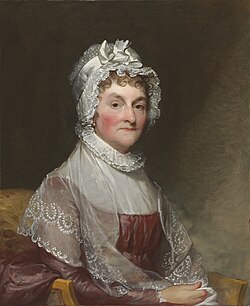
The argument for women's equality is as old as the republic. These entries cover the early voices who insisted, often against fierce resistance, that the nation's promises of liberty applied to women too.
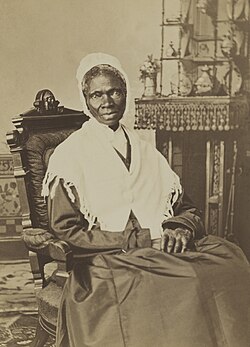
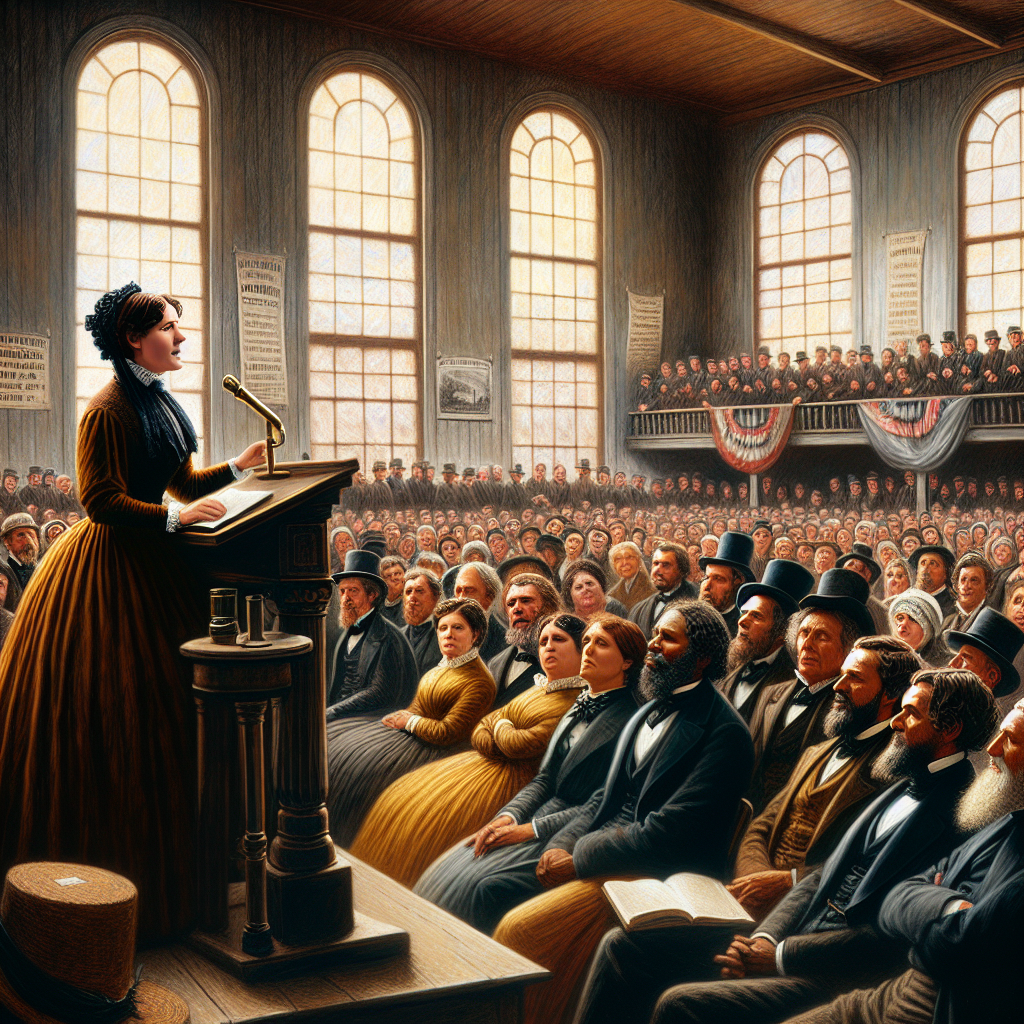
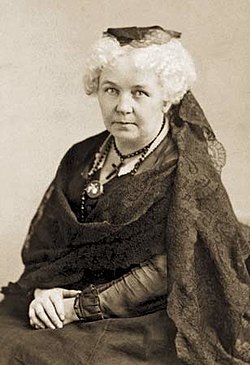
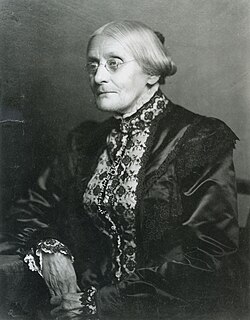
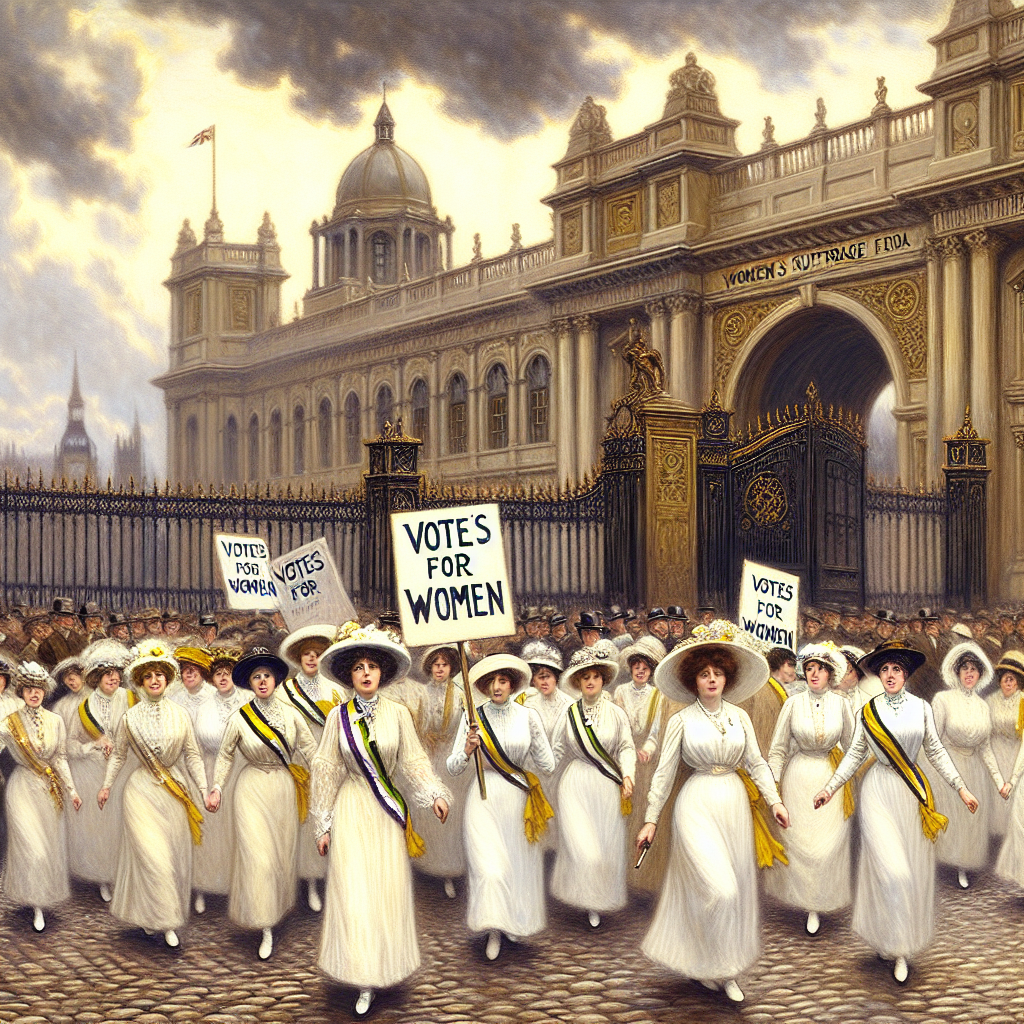
The movement's first great victory was the ballot. These entries cover the decades-long campaign for suffrage - the conventions, leaders, and amendment that finally won women the right to vote.
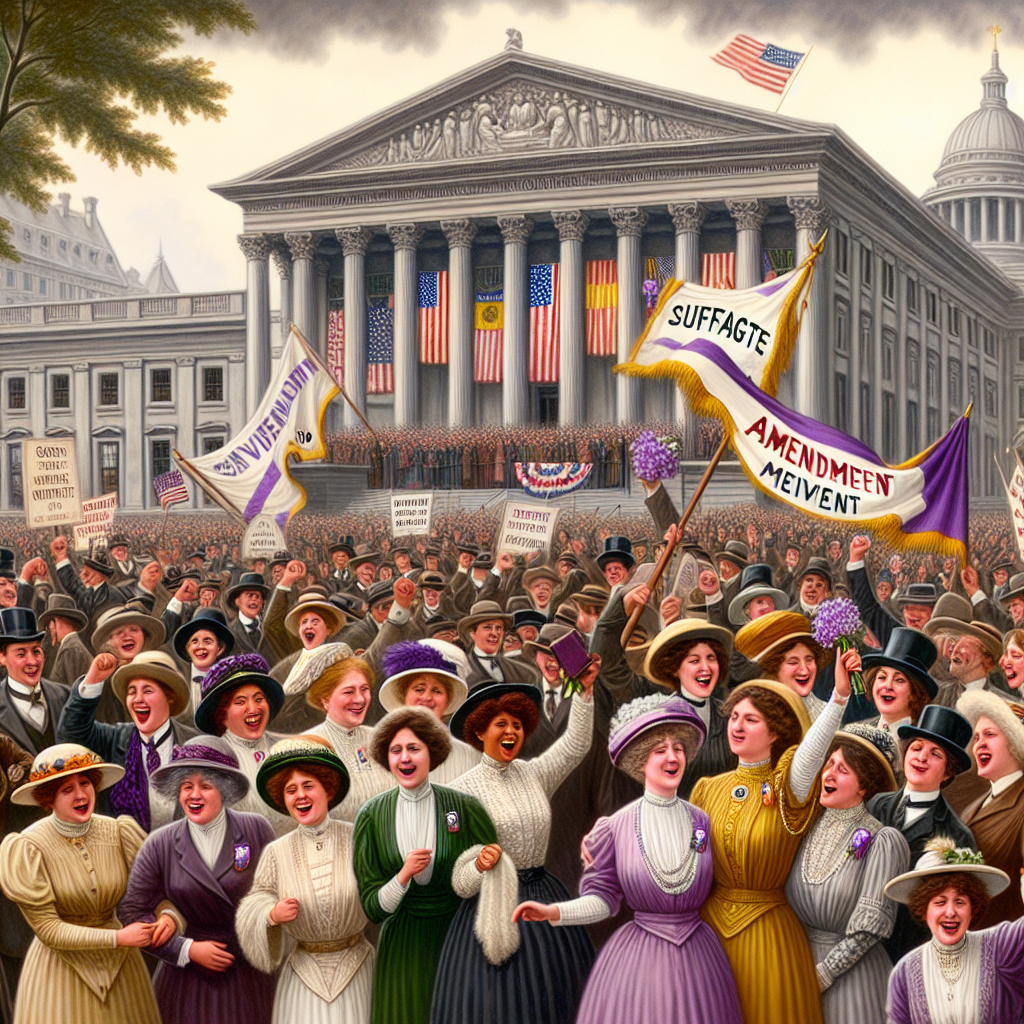
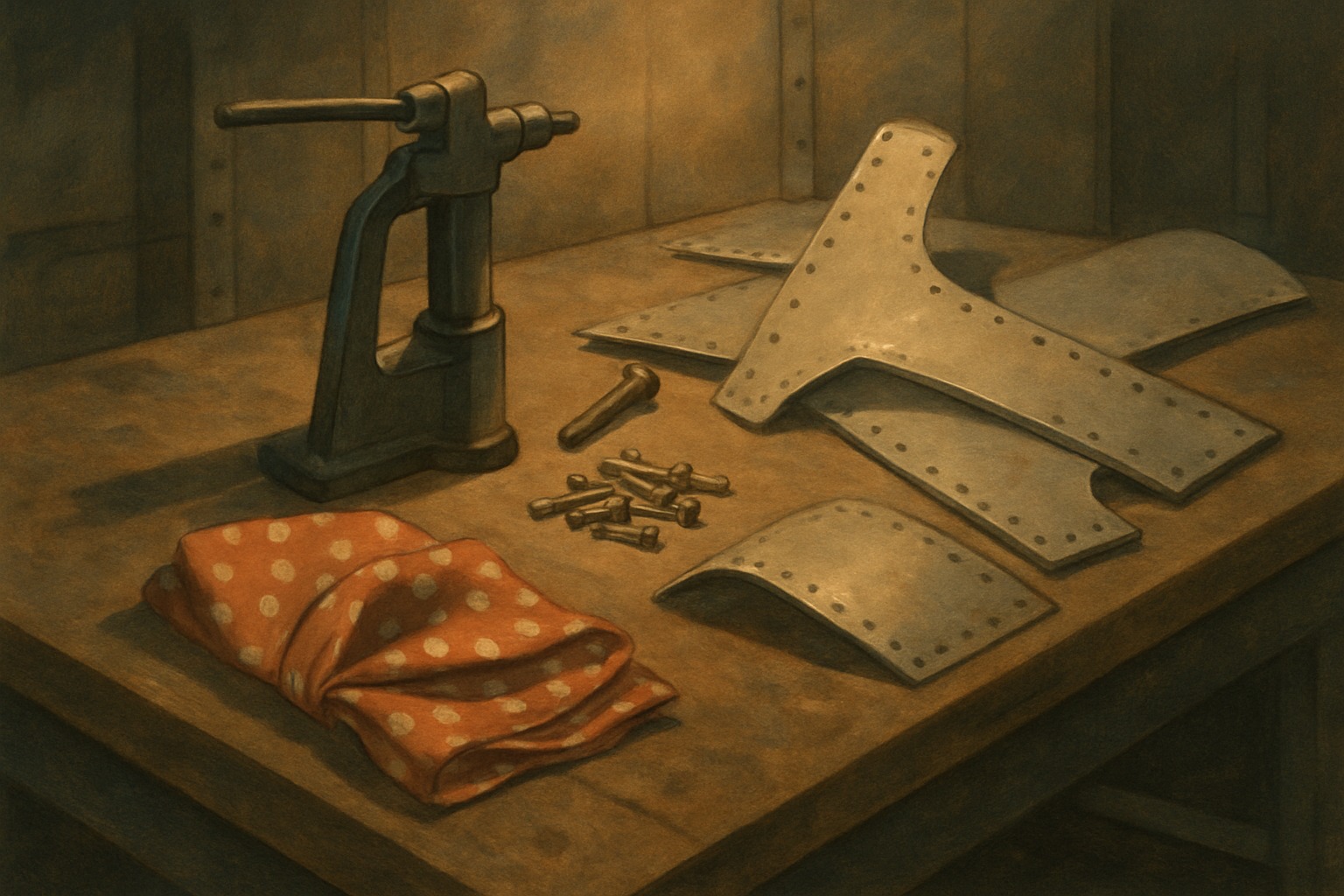
Winning the vote did not win equality. These entries cover the evolving place of women in American life across the twentieth century - in work, in war, and in the home.

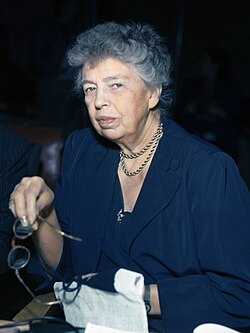
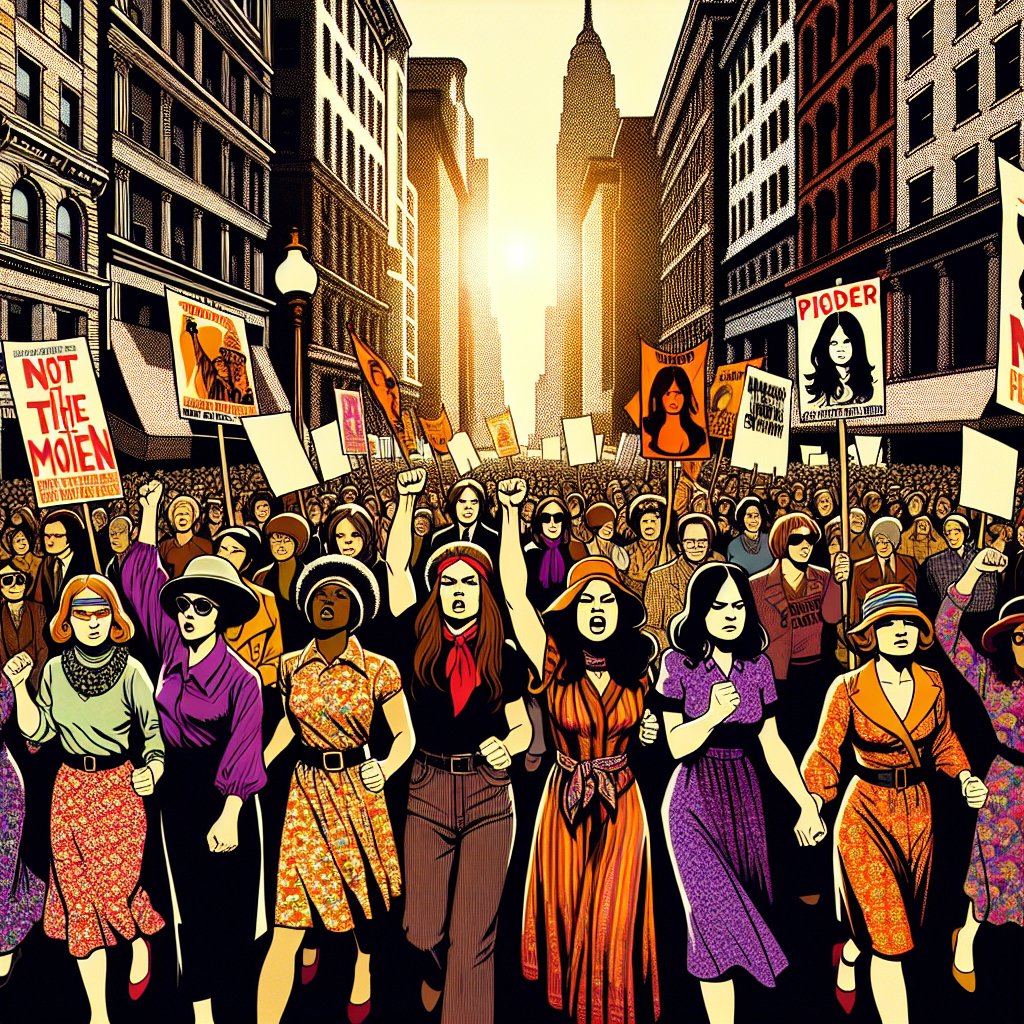
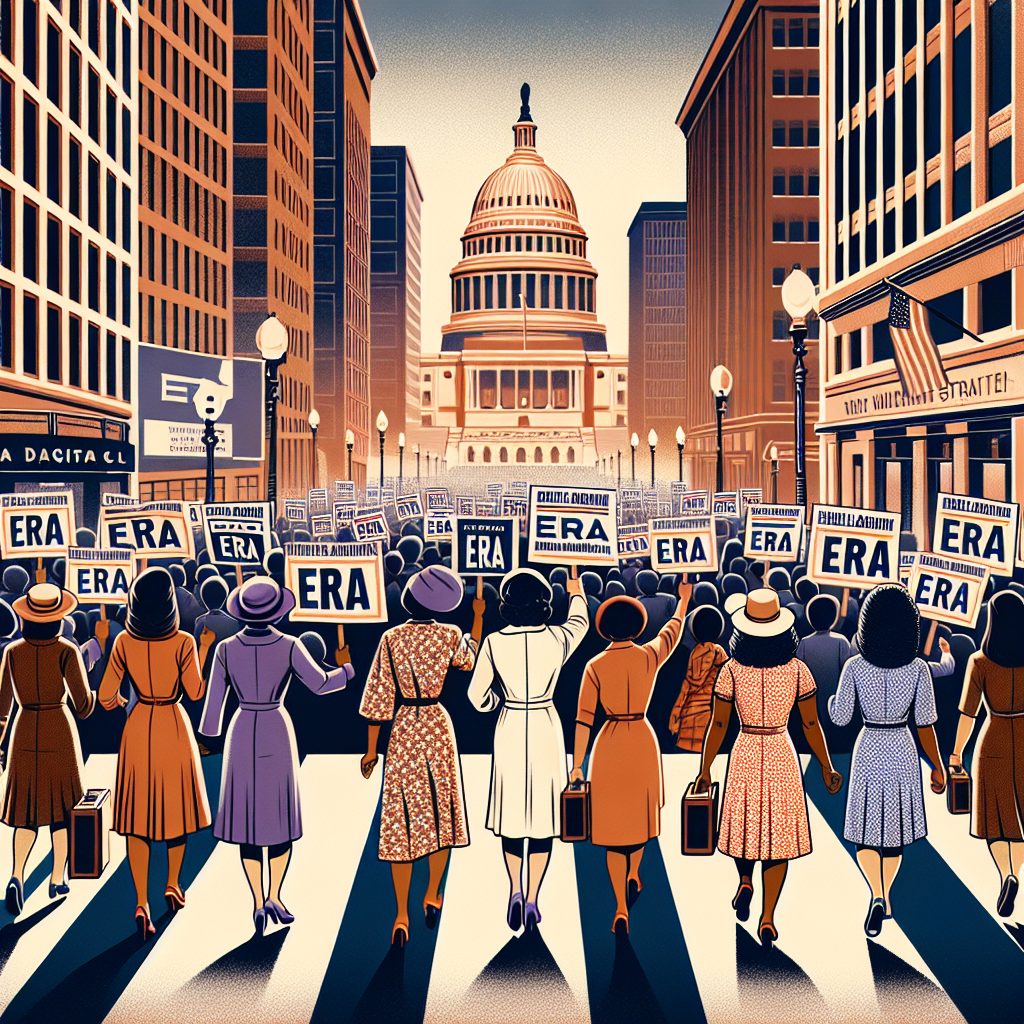
A new generation reopened the fight. These entries cover the second-wave movement that took on the inequalities the vote had not touched - in the workplace, the law, and control over women's own bodies.

The fight for women's rights ran alongside the struggle against slavery that birthed it and the broader civil rights movement.