Women's Liberation Movement
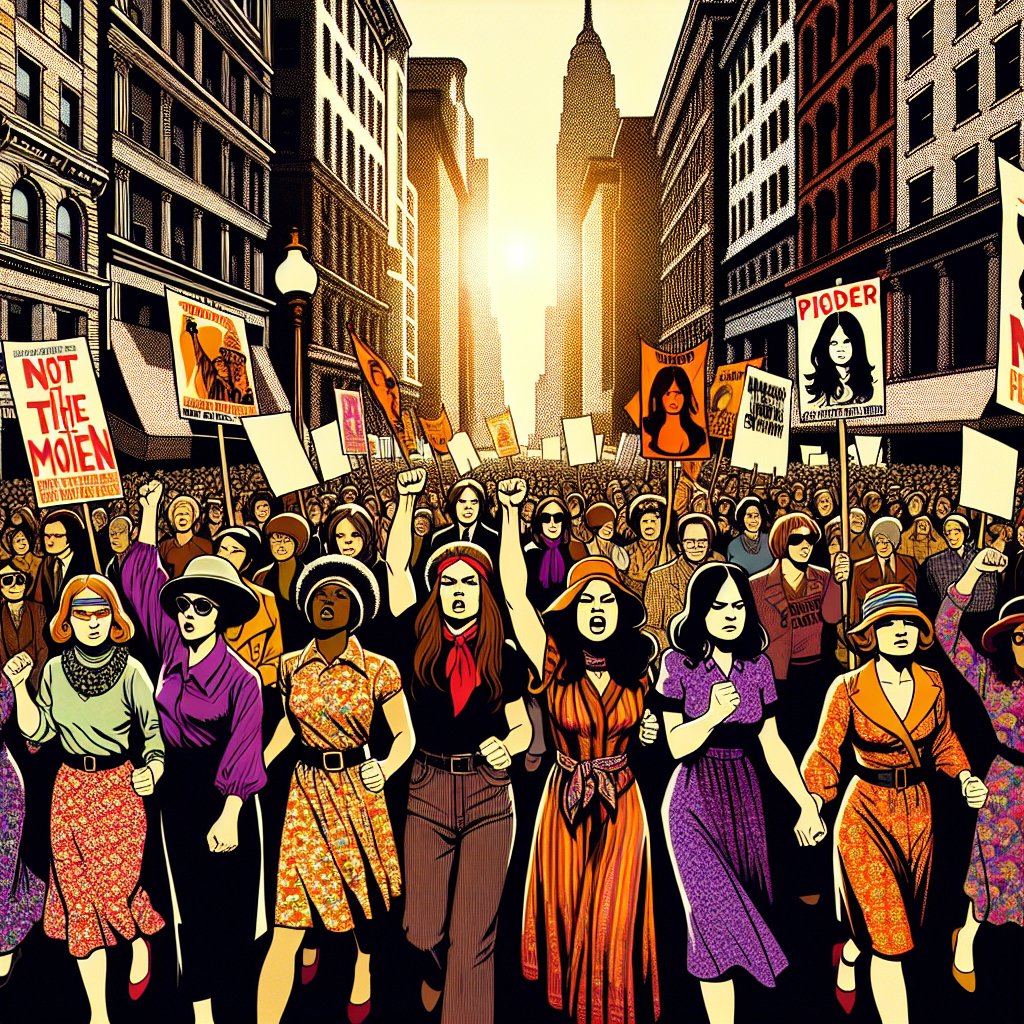
Betty Friedan named it "the problem that has no name" in 1963 — the suffocating dissatisfaction of educated American women confined to domesticity by a culture that offered them no other serious option. "The Feminine Mystique" sold three million copies and gave language to a frustration that had been building since women's wartime workforce contributions had been systematically rolled back after 1945. Within five years, a women's liberation movement had emerged that would rewrite law, reshape the professions, and alter the terms of American domestic life in ways still unfolding.
The movement operated on two tracks simultaneously. Liberal feminists — represented by the National Organization for Women, founded by Friedan and others in 1966 — pushed for legal equality through legislation and the courts: the Equal Pay Act (1963), Title IX (1972), Roe v. Wade (1973). Radical feminists argued that legal equality was insufficient without a deeper transformation of gender roles and institutional power. Consciousness-raising groups, feminist publishing houses, women's health clinics, and rape crisis centers all emerged from the radical wing.
The Equal Rights Amendment — "Equality of rights under the law shall not be denied or abridged by the United States or by any State on account of sex" — passed Congress in 1972 and seemed headed for ratification. Phyllis Schlafly's STOP ERA campaign transformed it into a culture war flashpoint, and the amendment died unratified in 1982, three states short. The ERA's failure demonstrated that the movement had transformed American life without achieving all its political goals — a paradox that defined second-wave feminism's legacy.
Title IX may be the movement's most durable institutional achievement. The 1972 law barring sex discrimination in federally funded education programs transformed women's athletics, professional school enrollments, and campus culture. The share of women earning law degrees rose from four percent in 1963 to more than 50 percent by the 2010s. The revolution was structural, statistical, and slow — which is to say, it worked.


| Catalyzed by | "The Feminine Mystique," Betty Friedan, 1963 |
| Key organization | National Organization for Women (NOW), founded 1966 |
| Key legislation | Equal Pay Act (1963), Title VII (1964), Title IX (1972) |
| Key case | Roe v. Wade, 1973 |
| ERA | Passed Congress 1972; failed ratification 1982 |
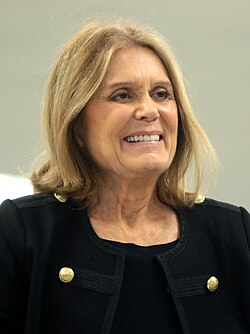
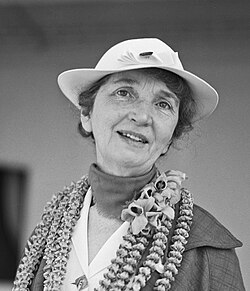
| Key figures | Betty Friedan, Gloria Steinem, Bella Abzug, Kate Millett; Phyllis Schlafly (opp.) |
| Years | 1963–1982 |
| Location | New York, New York |