Ellis Island
The New York Harbor immigration station that processed 12 million arrivals, 1892–1954
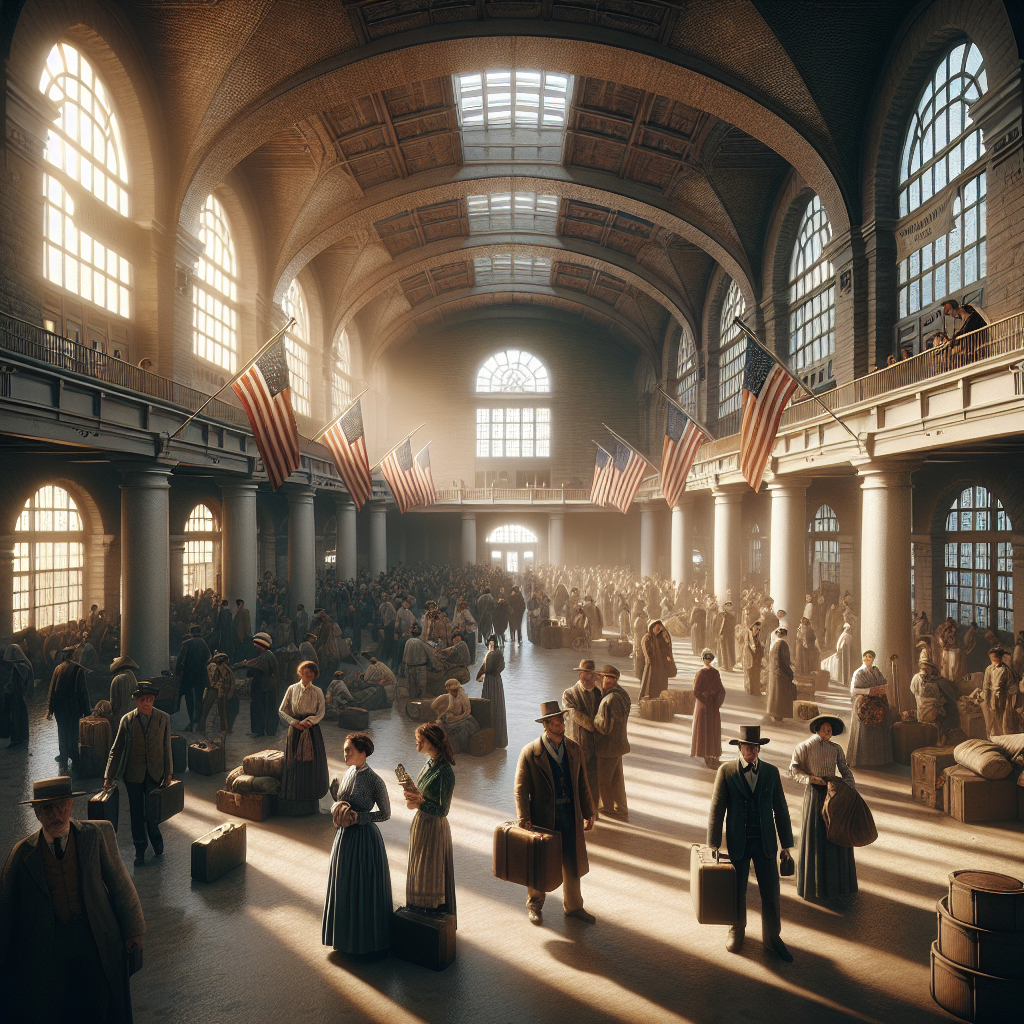
Between 1892 and 1954, approximately 12 million immigrants entered the United States through the main processing hall on Ellis Island, a small landmass in New York Harbor where New Jersey and New York have disputed jurisdiction for 200 years. At the peak of European immigration in the early 1900s, the Great Hall processed as many as 5,000 people in a single day — Italian and Jewish and Polish and Greek families carrying everything they owned, subjected to six-second medical exams by overworked inspectors who could mark a chalk letter on a coat and change a life irrevocably.
For the roughly 98 percent who passed inspection, the entire ordeal typically lasted a few hours before they boarded a ferry to Manhattan or a train to somewhere else entirely. For the 2 percent detained for medical or legal reasons, Ellis Island could mean weeks of limbo or deportation back to whatever they had fled. Inspectors anglicized surnames, assigned diagnoses, and sorted people into categories that would shape American demography for generations. The claim that agents routinely changed immigrants' names at the registration desk is largely myth — most name changes happened voluntarily, later, by the immigrants themselves.
The station closed in 1954 as transatlantic immigration declined and processing shifted to airports and consulates. It sat abandoned and deteriorating for decades before a $160 million restoration project opened it as a public museum in 1990. The genealogical database of passenger records launched in 2001 became an immediate phenomenon. Today roughly 40 percent of Americans can trace at least one ancestor through Ellis Island, a statistic that transforms every visit to the museum into something more personal than history.


Related entries



Featured in these guides
- Immigration to America: Gateways, Quotas, and the Making of a NationFour centuries of newcomers — the gates that opened, the doors that slammed shut, and the law that opened them again.
- The Complete Timeline of American HistoryFrom first European contact to the present — the events, documents, and turning points that built the United States, in order.