A History Lover's Guide to Boston: Walking the Freedom Trail
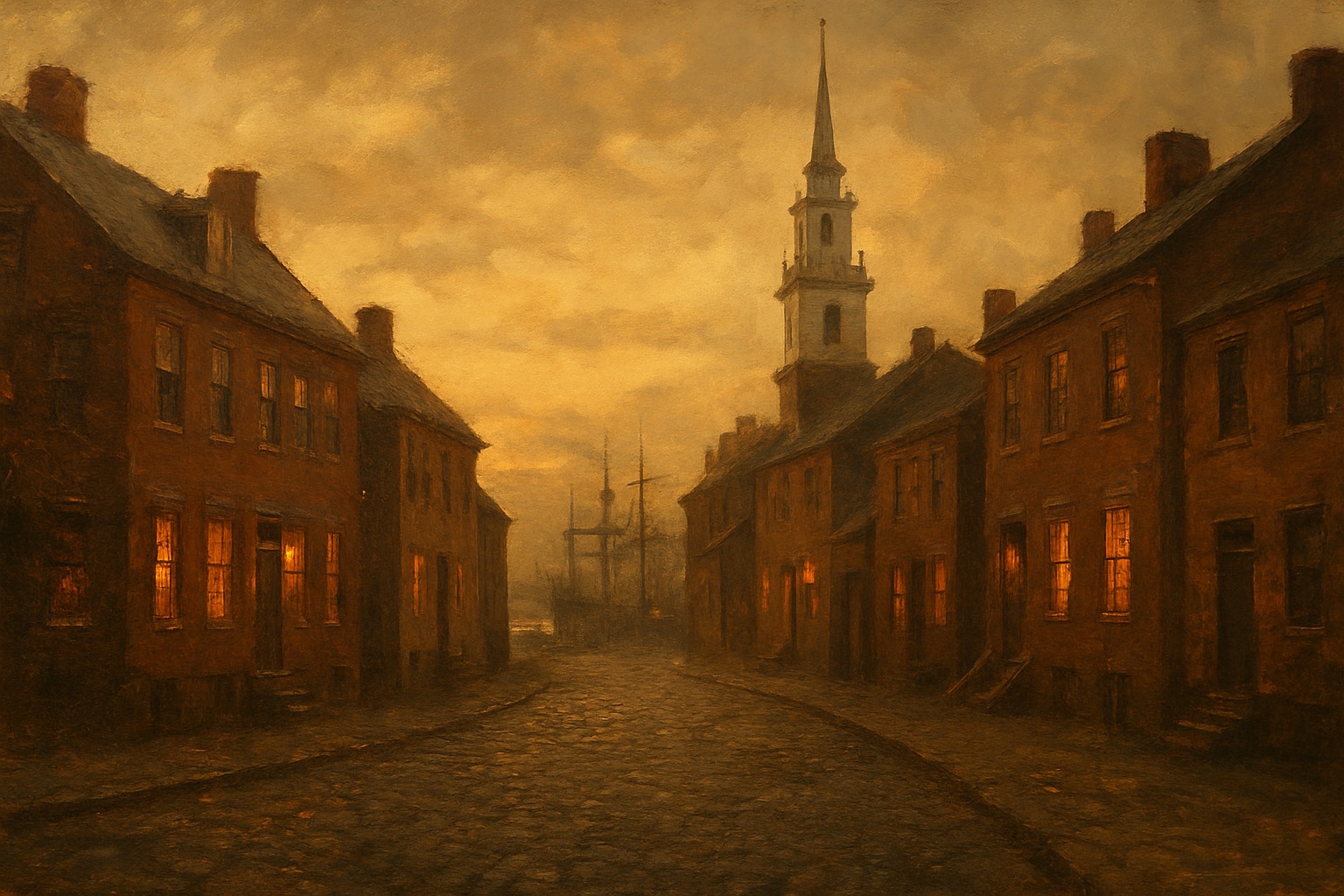
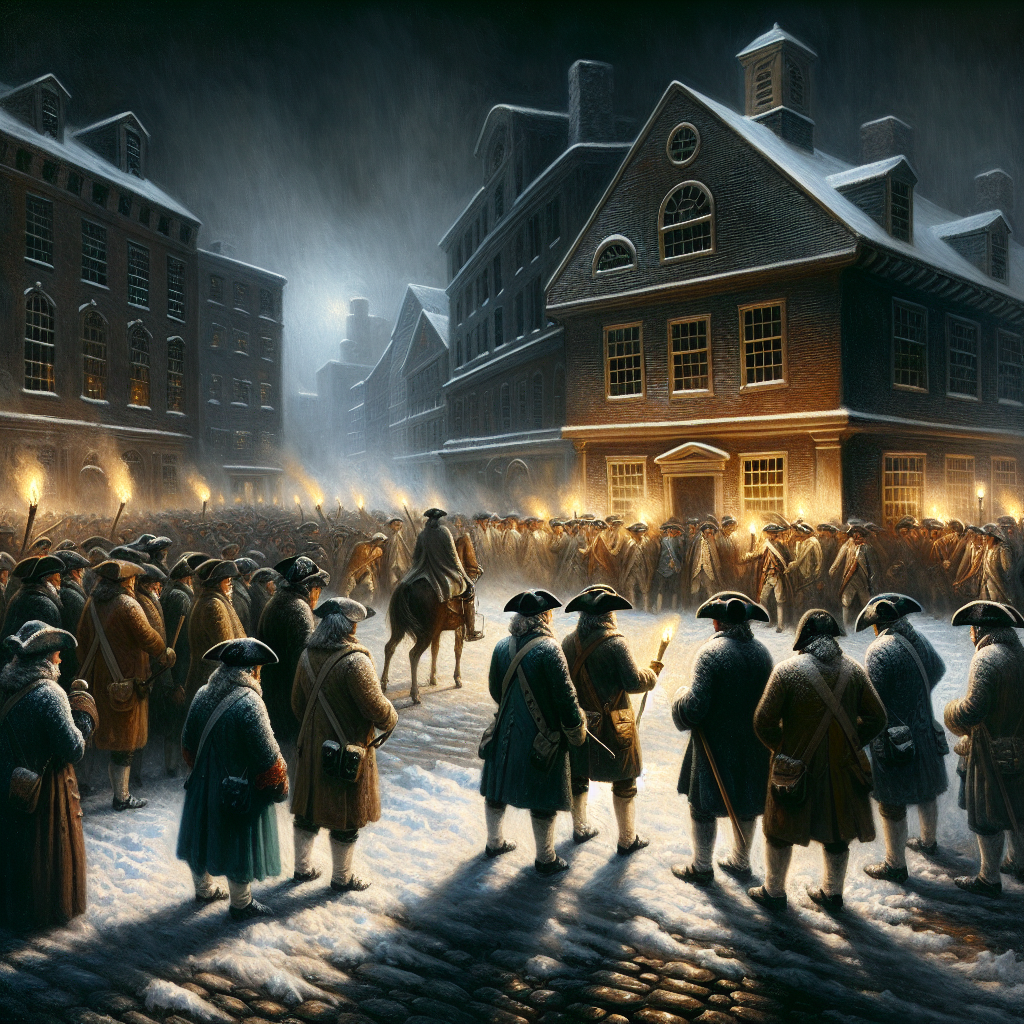
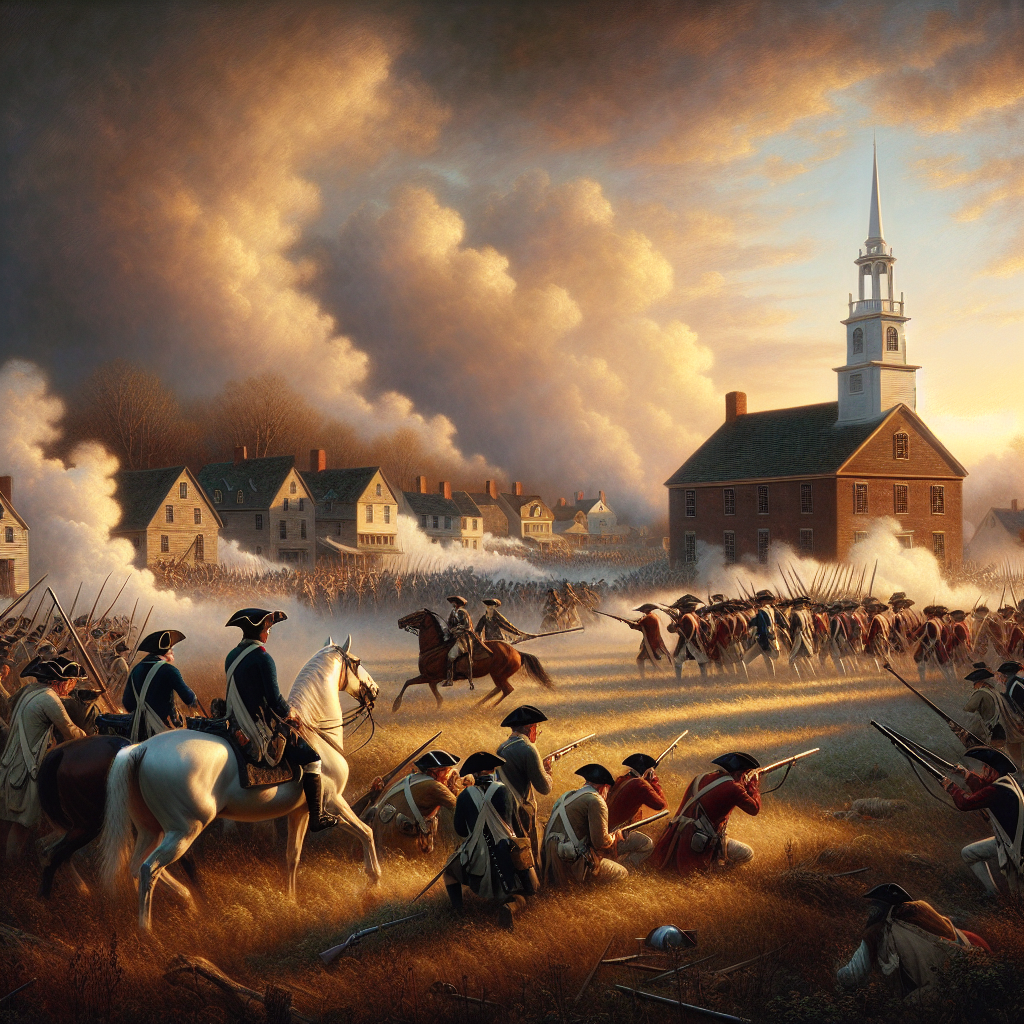
No American city compresses its founding story into so small a space as Boston. The Freedom Trail, a mile-and-a-half red line painted into the sidewalk, connects 16 historic sites without requiring a car, a map, or much more than a morning and a good pair of shoes. What makes the walk work as history rather than theater is the density of what actually happened along it: a massacre, a tea dumping, a midnight ride, and the opening shots of a war for independence all unfolded within a few square miles of a town that, in 1770, held fewer than 16,000 people.
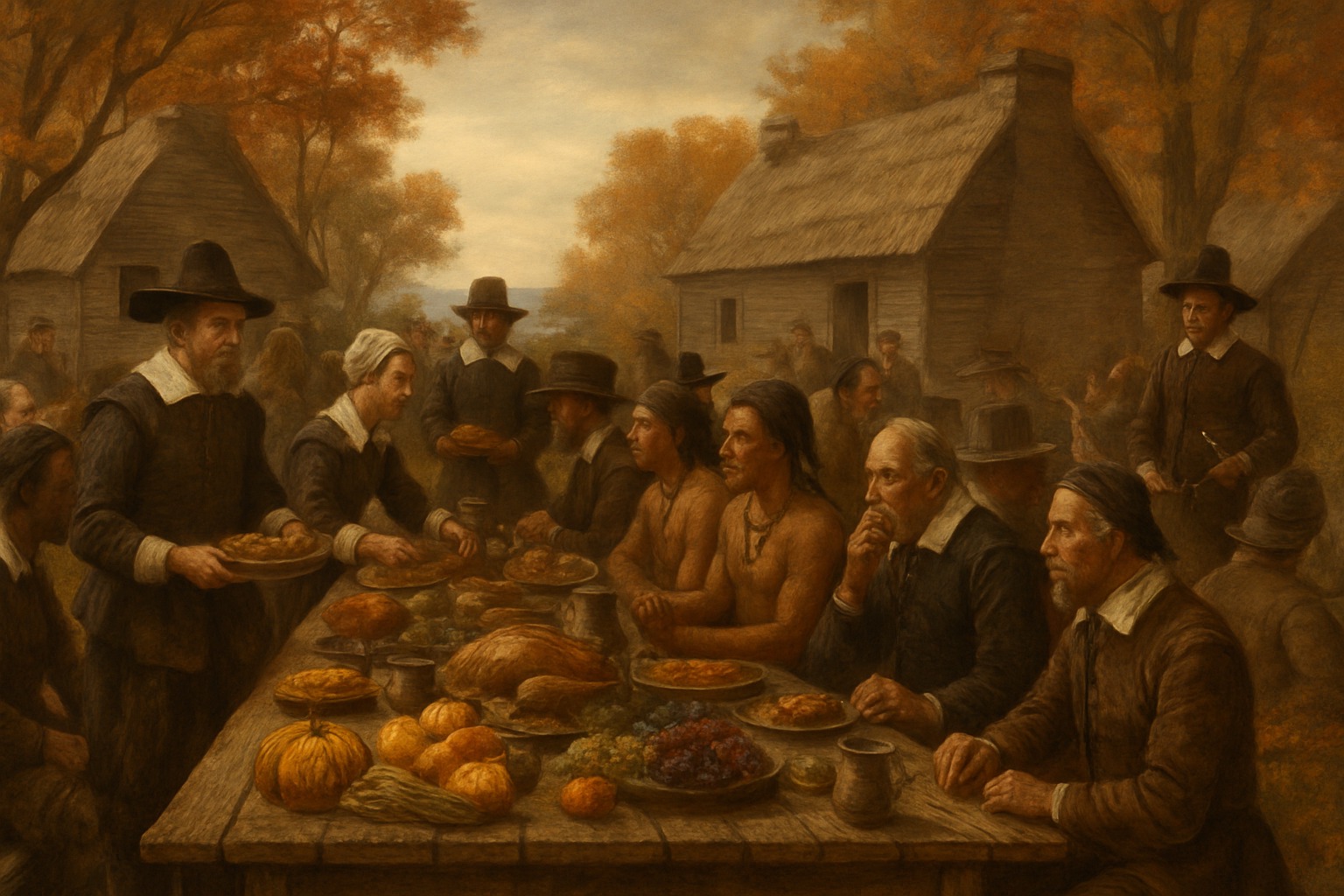
This guide follows the city's history roughly as a visitor encounters it on foot, beginning a century before the Revolution with the Puritan and Pilgrim settlements that gave Massachusetts its character, then moving through the Boston-born agitation of the 1770s to the battles fought on its outskirts. Three stops sit a short trip beyond the Trail itself — Plymouth, Lexington and Concord, and the Adams homestead in Quincy — because no account of Revolutionary Boston is complete without the towns it set in motion. Each entry below links to the fuller BriefHistory account of the person, place, or event; the annotations note what survives on the ground today, since in Boston, more often than in most American cities, it still does.



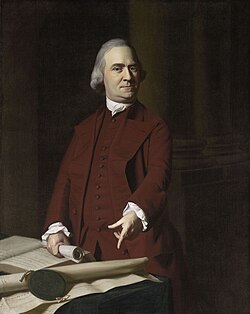




For the political argument that built to these events year by year, read The Road to Revolution: How America Escalated to War, 1763-1775. For the men whose names appear throughout this tour, see The Founding Fathers: Who They Were and What They Did.