Baltimore
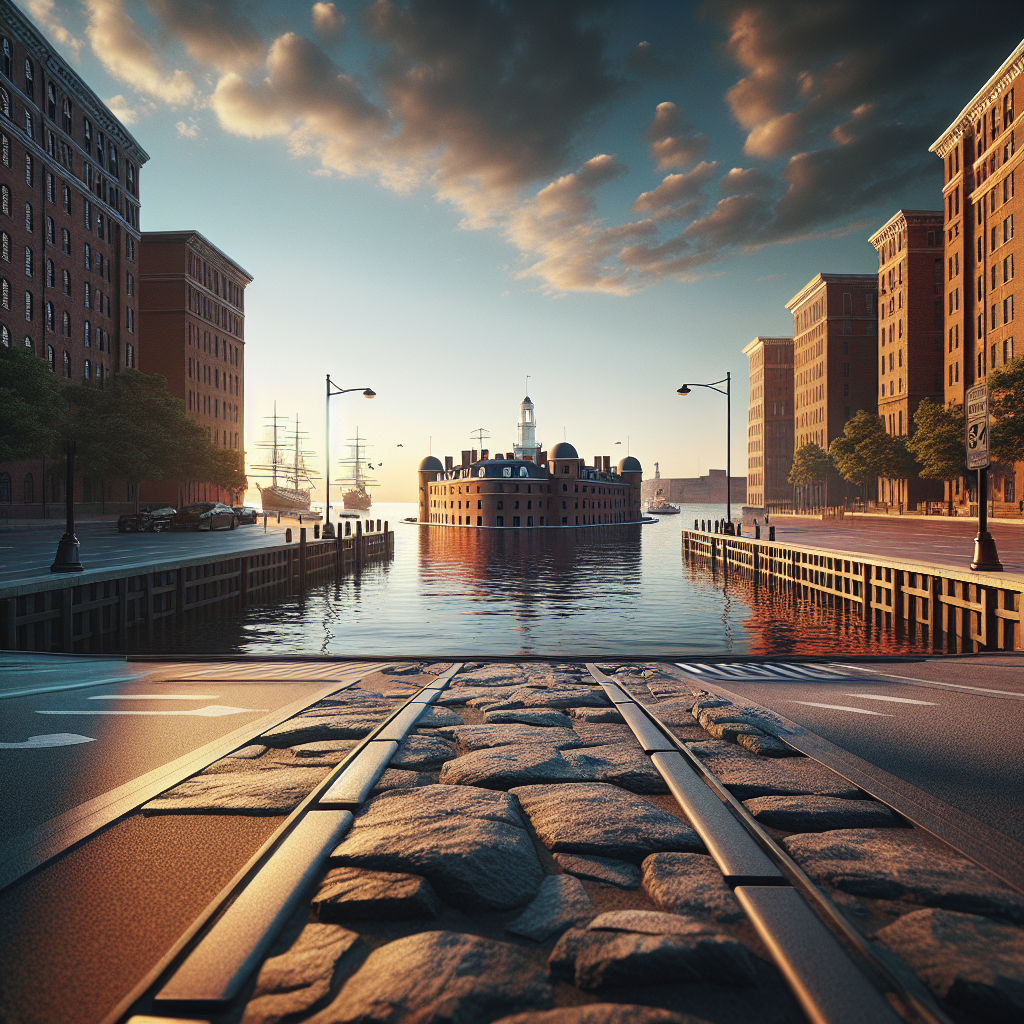
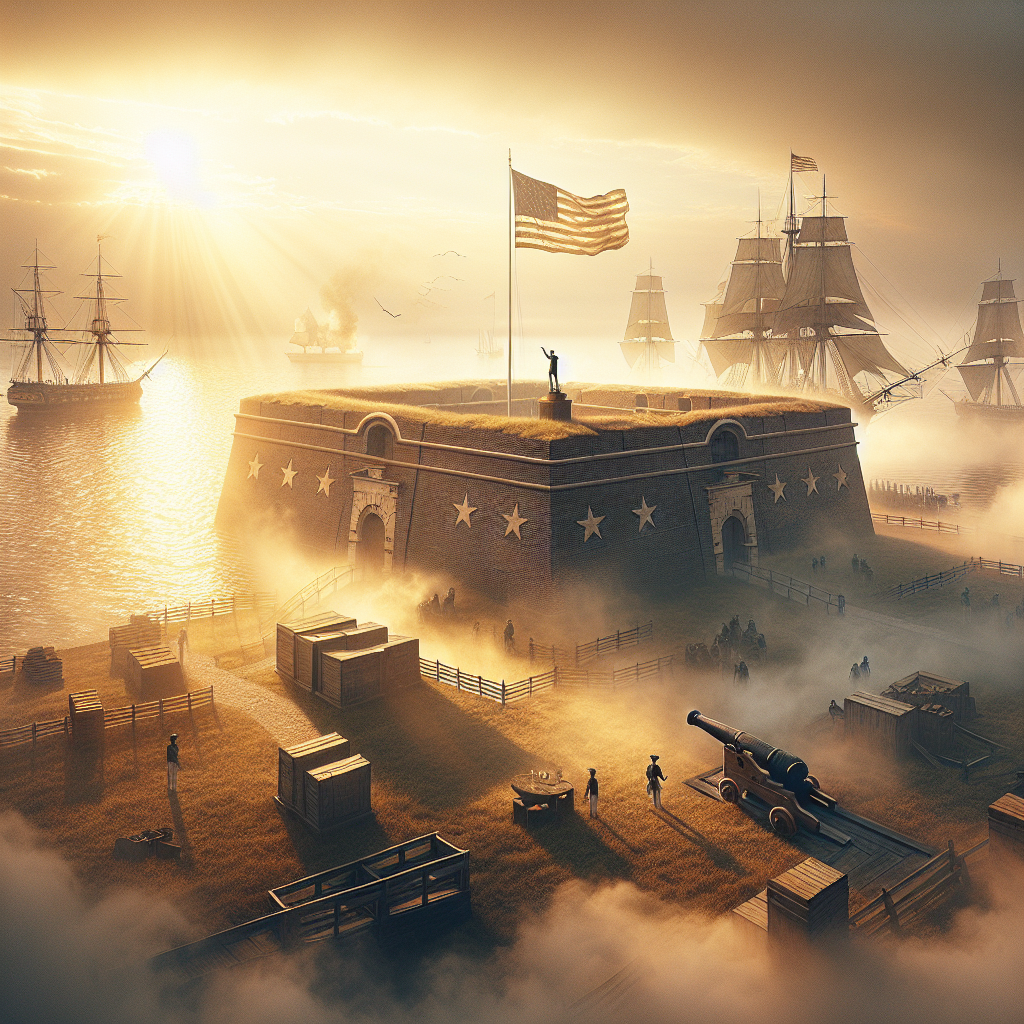
Baltimore was one of the most important ports in early America, the entry point for waves of German and Irish immigration in the 19th century, and the city where Francis Scott Key watched the British bombardment of Fort McHenry on the night of September 13–14, 1814, and wrote the poem that became the national anthem. The city's position on the Chesapeake Bay made it a natural hub for the tobacco and grain trade, and by the early 19th century it was the second-largest city in the United States. It was also one of the most complex cities in the nation regarding slavery — a major slave-trading center that nonetheless had the largest free Black population of any American city before the Civil War.
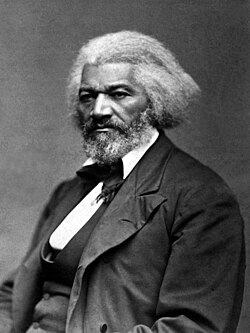
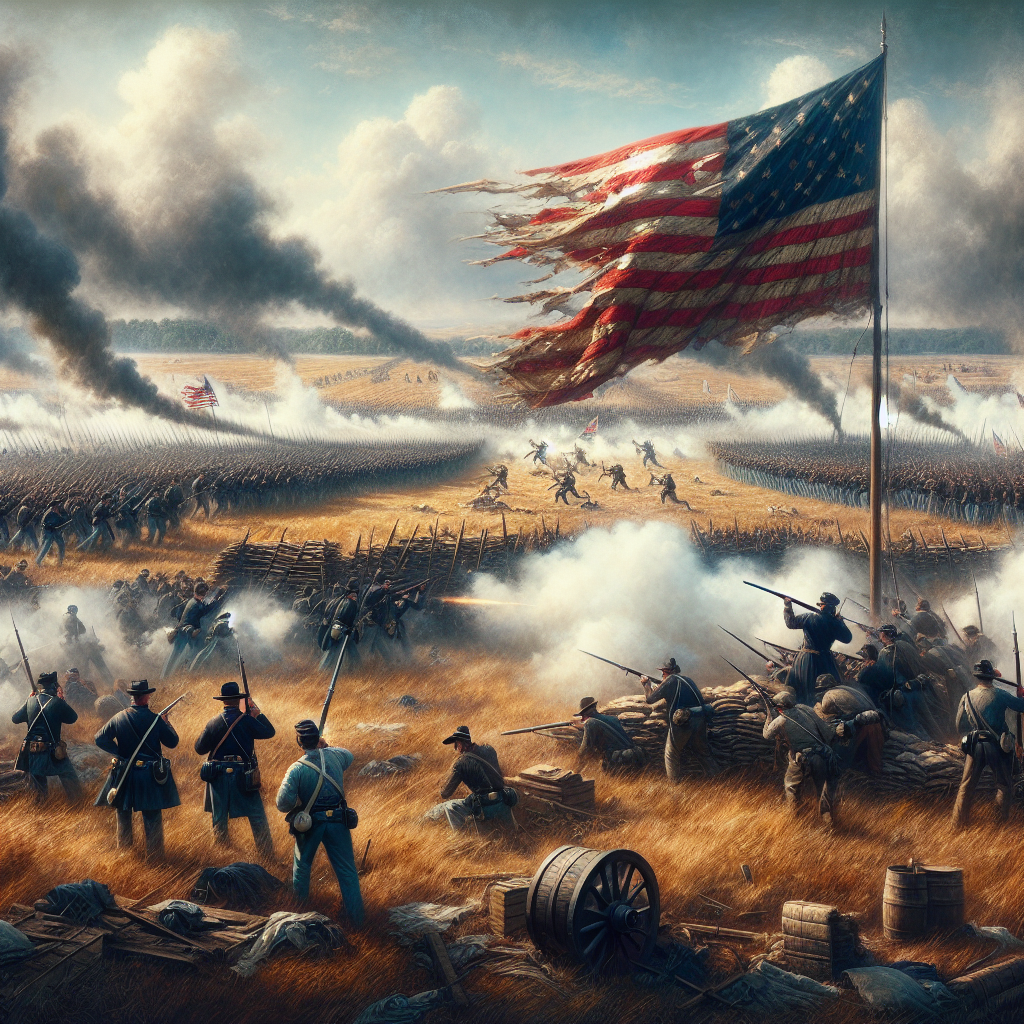
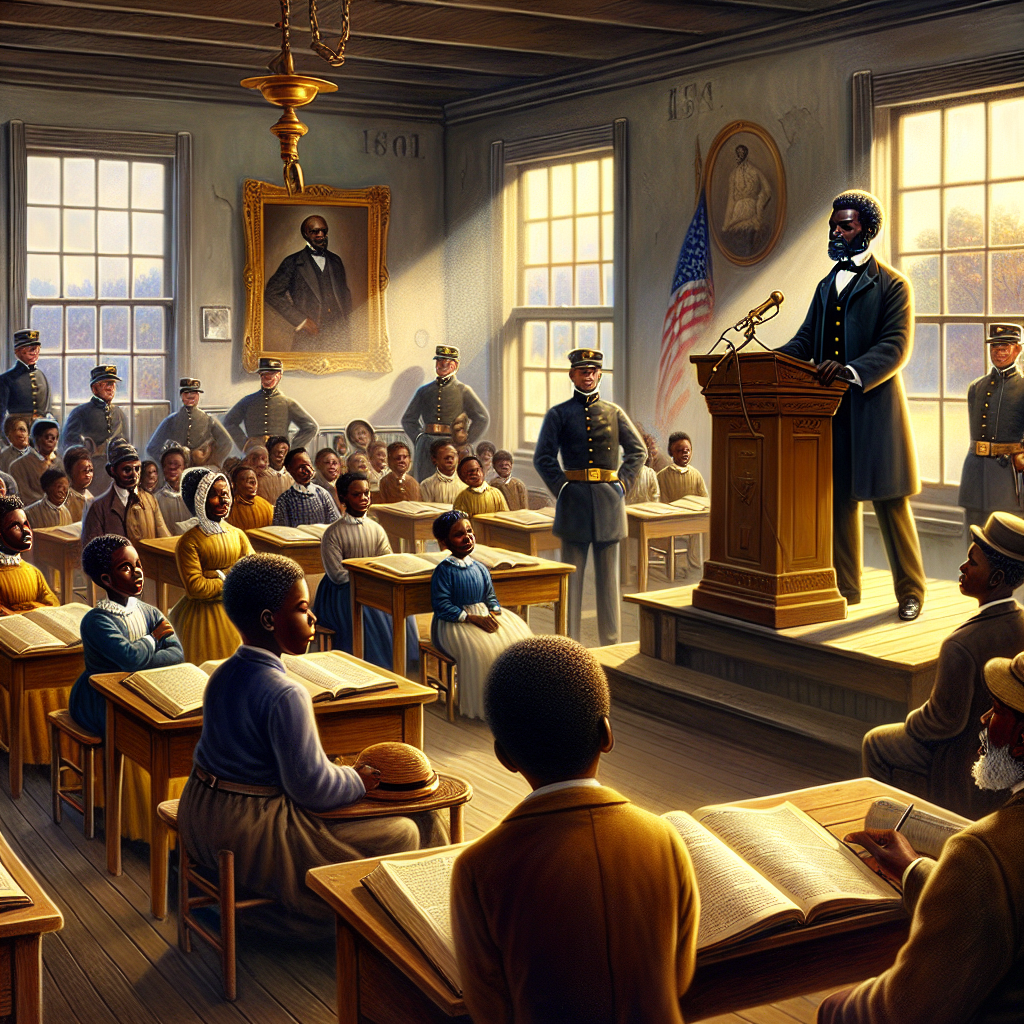
Frederick Douglass was born into slavery in Talbot County on the Eastern Shore of Maryland and sent to Baltimore as a teenager, where he learned to read in secret and eventually escaped to freedom. The city's ambiguous position — a slave state city with strong Unionist sentiment and a large free Black community — made it a flashpoint in April 1861, when a pro-Confederate mob attacked Massachusetts troops passing through on their way to Washington, producing the first casualties of the Civil War. Lincoln suspended habeas corpus and placed the city under military control to keep Maryland in the Union.
Baltimore's industrial history peaked in the early 20th century with its steel mills, shipyards, and manufacturing plants. The decline of those industries after World War II produced a cycle of disinvestment, white flight, and concentrated poverty in its Black neighborhoods that made Baltimore a recurring subject of national conversations about urban inequality — most visibly after the death of Freddie Gray in police custody in 2015 triggered widespread protests. The city's story encompasses the full arc of American urban history, from colonial port to industrial powerhouse to post-industrial struggle.
| Founded | 1729 |
| State | Maryland |
| National anthem | Francis Scott Key wrote "The Star-Spangled Banner" here, 1814 |
| Civil War | Site of first Civil War casualties — Pratt Street riot, April 19, 1861 |
| Notable figure | Frederick Douglass — enslaved in Maryland; worked in Baltimore |
| Peak industry | Steel, shipbuilding, manufacturing — early 20th century |
| Population | Approximately 585,000 city; 2.9 million metro (2020) |
| Years | 1729 |
| Location | Baltimore, Maryland |