I Have a Dream
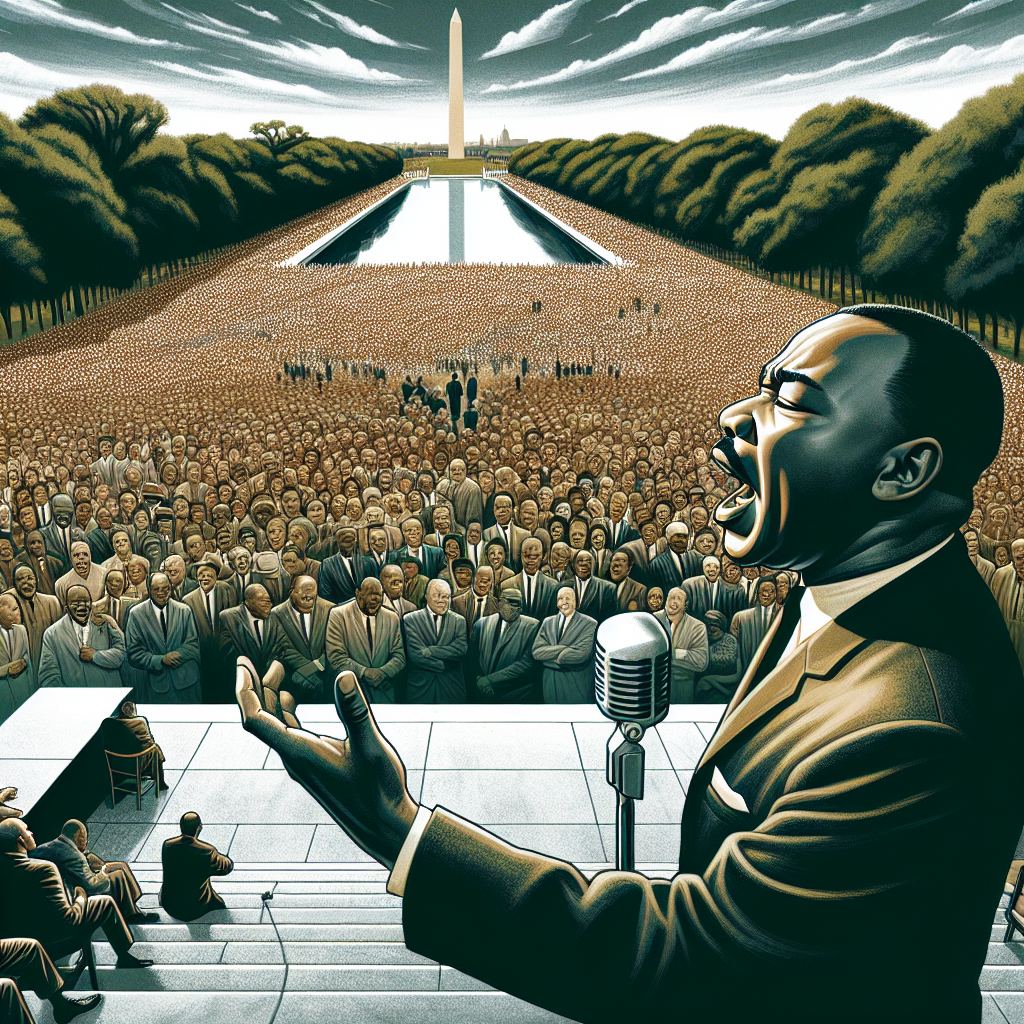
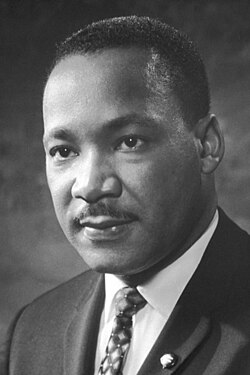
On August 28, 1963, roughly 250,000 people gathered on the National Mall in Washington, D.C., for the March on Washington for Jobs and Freedom. Martin Luther King Jr. spoke last. His prepared remarks were nearly finished when gospel singer Mahalia Jackson, standing nearby, called out for him to tell the crowd about the dream. King set aside his text and delivered the closing minutes from memory — a vision of racial equality woven from the language of scripture, the Declaration of Independence, and the American promise. No speech before or since has defined the civil rights movement so completely.
The address arrived at a critical political moment. The Kennedy administration was pushing a civil rights bill through a resistant Congress, and the March was designed in part to demonstrate the breadth of public support behind it. King's closing vision — of a nation where people would be judged by character rather than color, where the descendants of slaves and the descendants of slaveholders might stand together as equals — translated a legal and political argument into moral terms that millions could feel. The Civil Rights Act passed the following year.
The FBI, which had been surveilling King for years, sent him a threatening letter after the speech. J. Edgar Hoover intensified efforts to discredit him. King was assassinated in April 1968. The speech is now among the most recognized pieces of American oratory — studied in schools, quoted by presidents, and preserved in the national memory as the fullest statement of what the movement was fighting for.
| Delivered | August 28, 1963 |
| Speaker | Martin Luther King Jr. |
| Location | Lincoln Memorial, Washington, D.C. |
| Event | March on Washington for Jobs and Freedom |
| Crowd | Approximately 250,000 |
| Duration | Approximately 17 minutes |
| Followed by | Civil Rights Act of 1964 |
| Date | August 28, 1963 |
| Location | Lincoln Memorial, Washington, D.C. |