The Vietnam War Explained

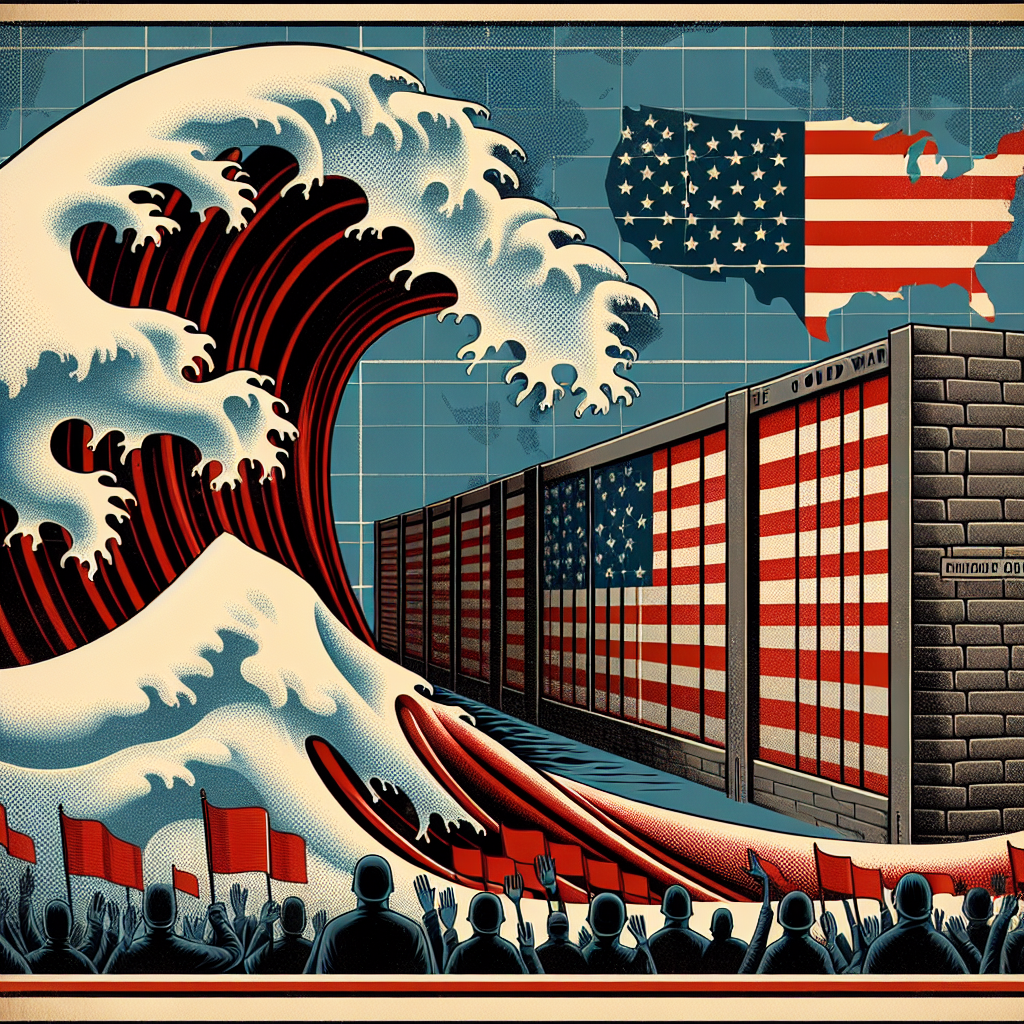
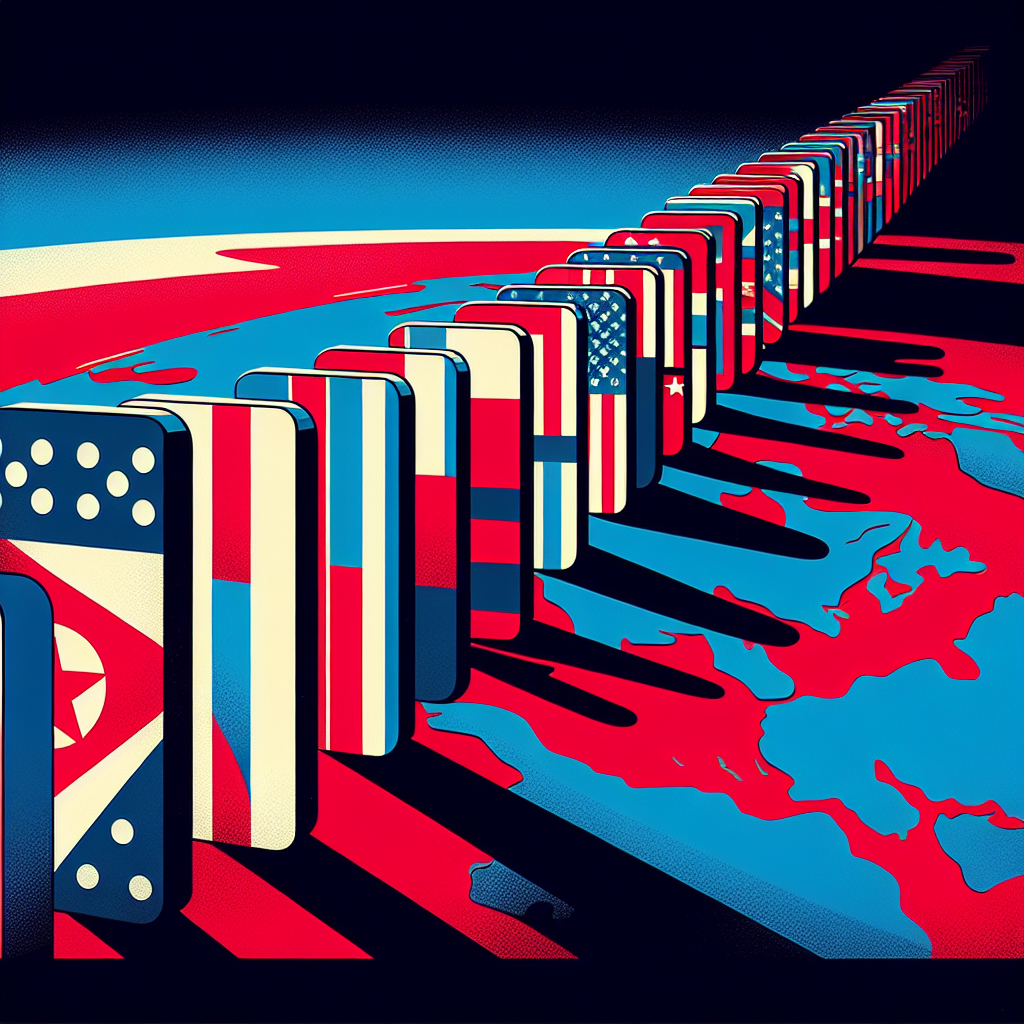
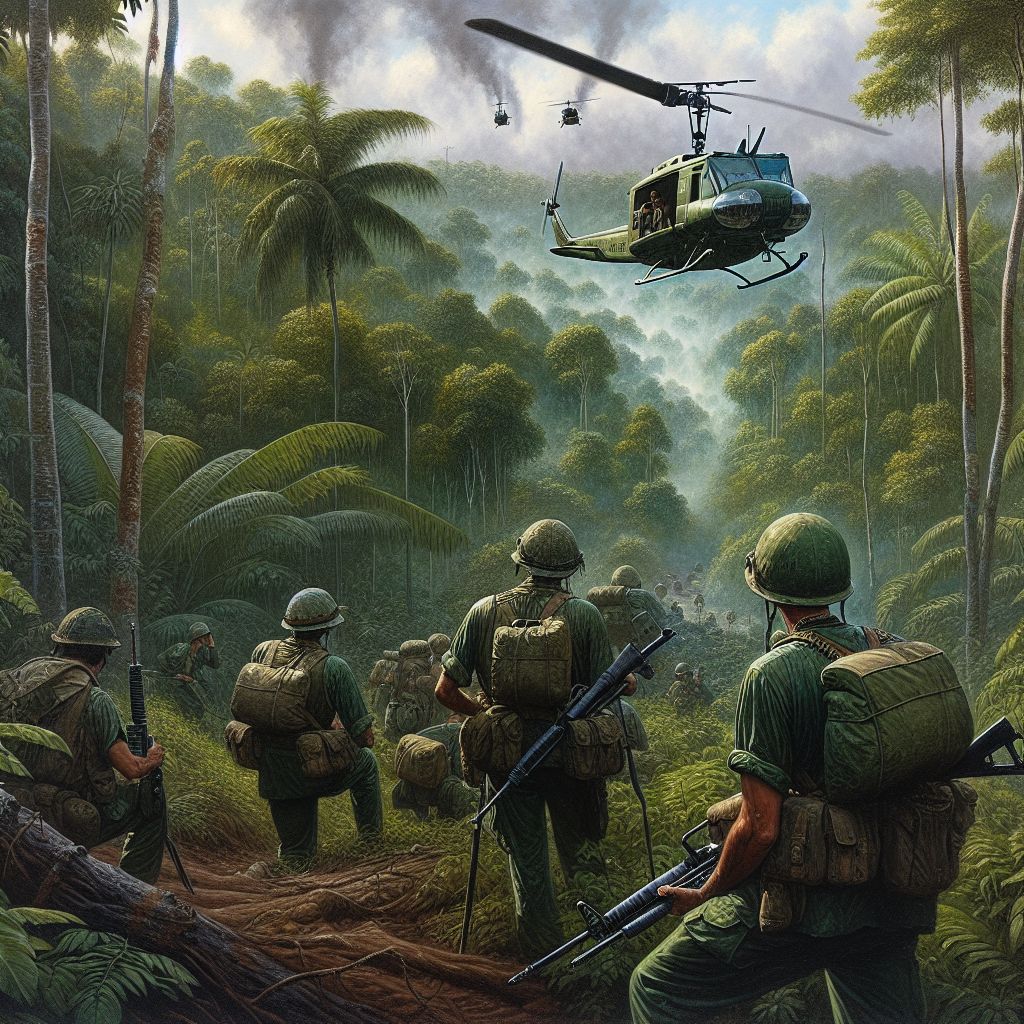
The United States did not decide to fight in Vietnam on any single day. It arrived there by increments — a few hundred advisers, then a few thousand, then a congressional resolution, then half a million troops — each step justified by the one before it. Behind every increment sat a single idea: that if one nation in Southeast Asia fell to communism, its neighbors would follow. That idea, the domino theory, turned a distant civil conflict into a test of American resolve, and the test ran for two decades.
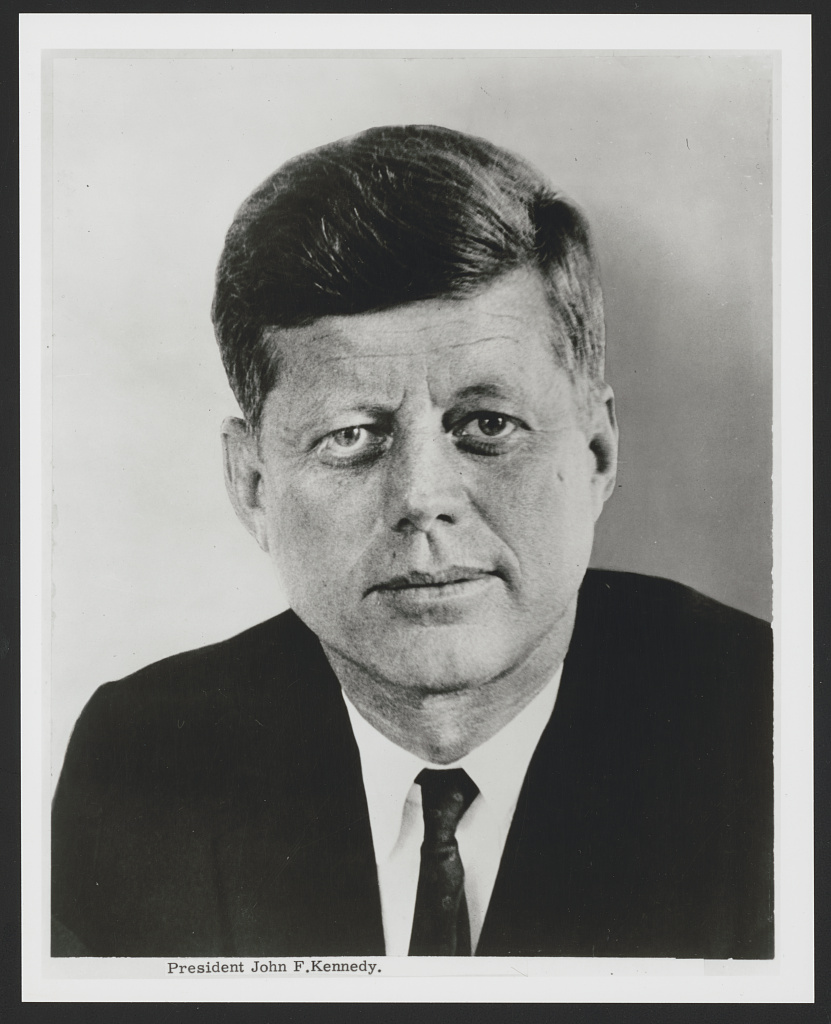
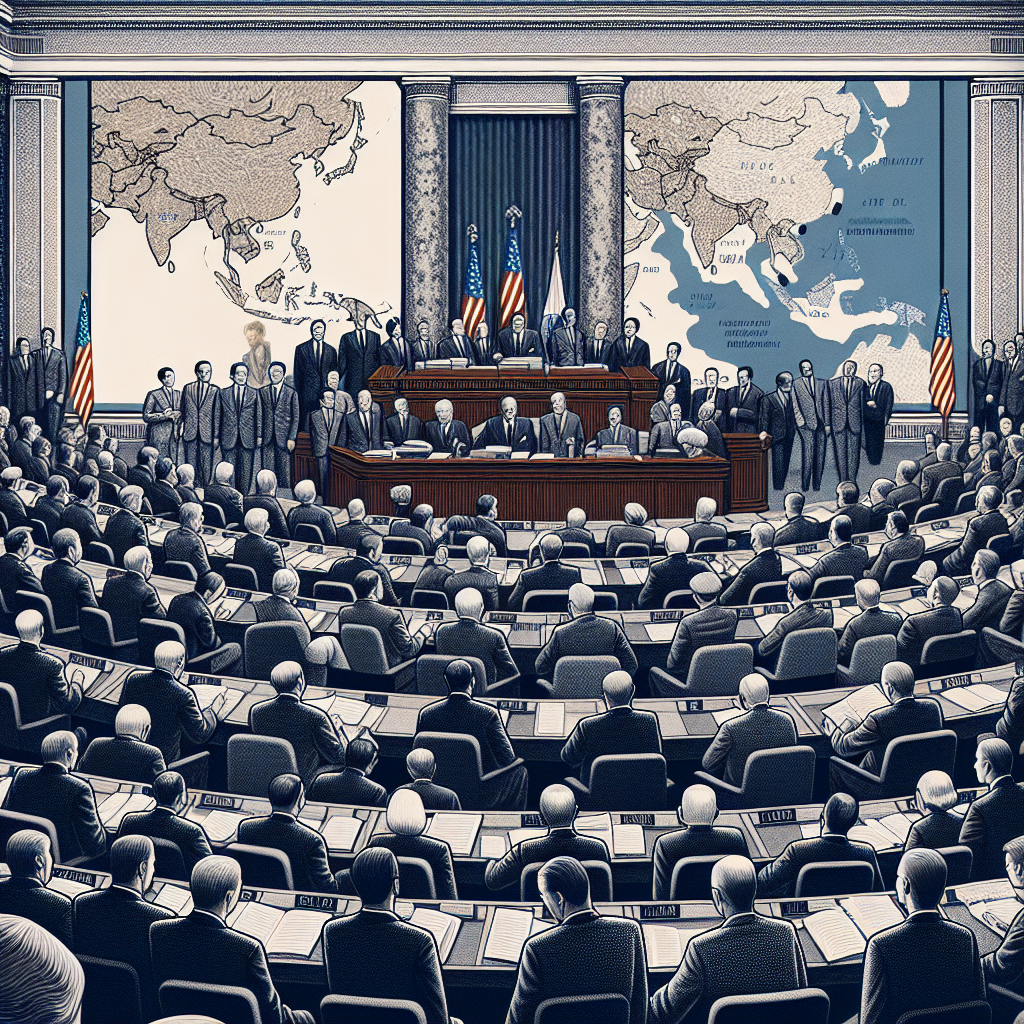
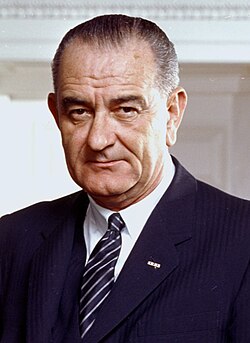
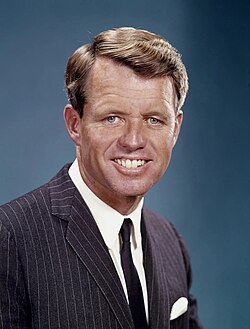
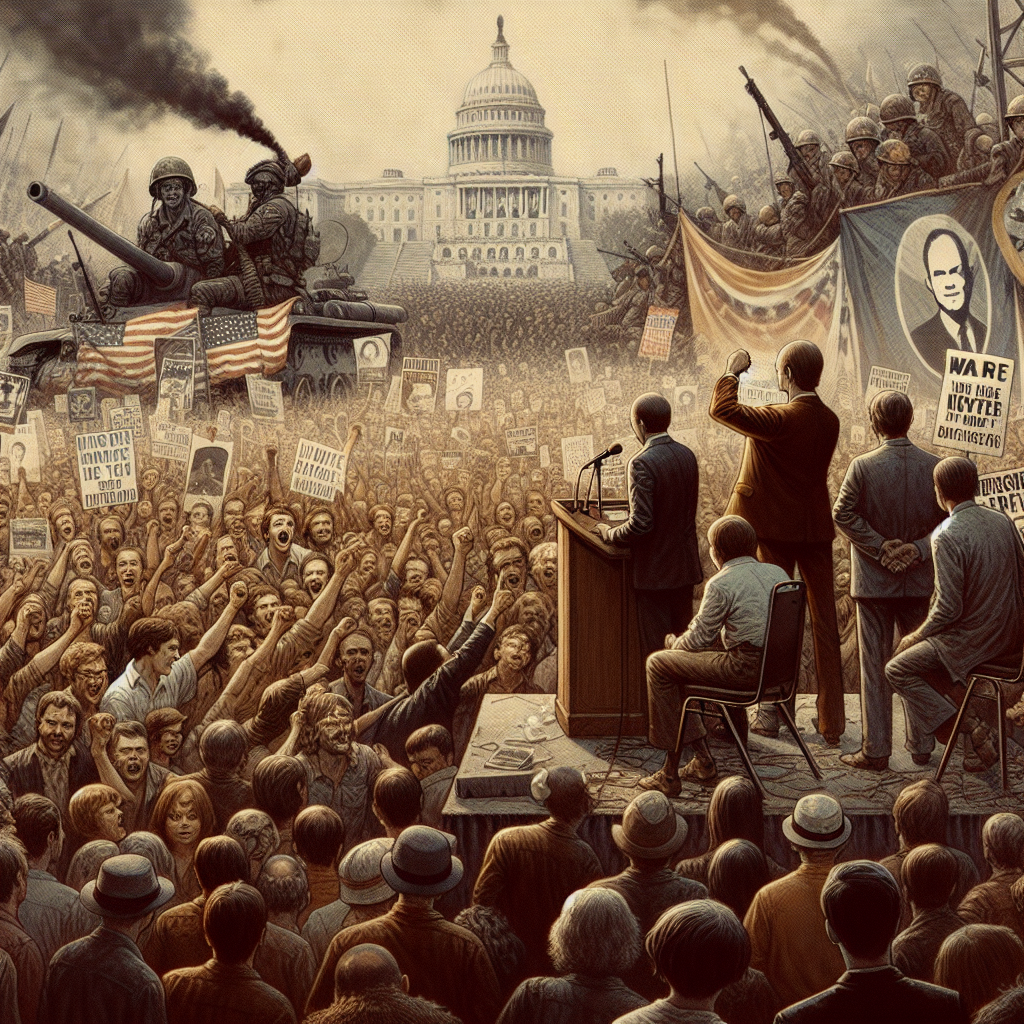
This guide follows the war from its Cold War roots through escalation under Kennedy and Johnson, the home-front rupture of 1968, and the long, bitter withdrawal under Nixon. The entries below are arranged as a timeline, grouped by phase. Read together, they trace how the policy of containment met the limits of American power abroad and the limits of public patience at home — and how the gap between official optimism and battlefield reality, exposed in leaked documents and televised protest, reshaped the relationship between Americans and their government.




For the wider standoff that framed the war, see The Cold War: A Complete Timeline. To place Vietnam alongside the nation's other conflicts, see Every U.S. War and Major Conflict Explained.