Election of 1968
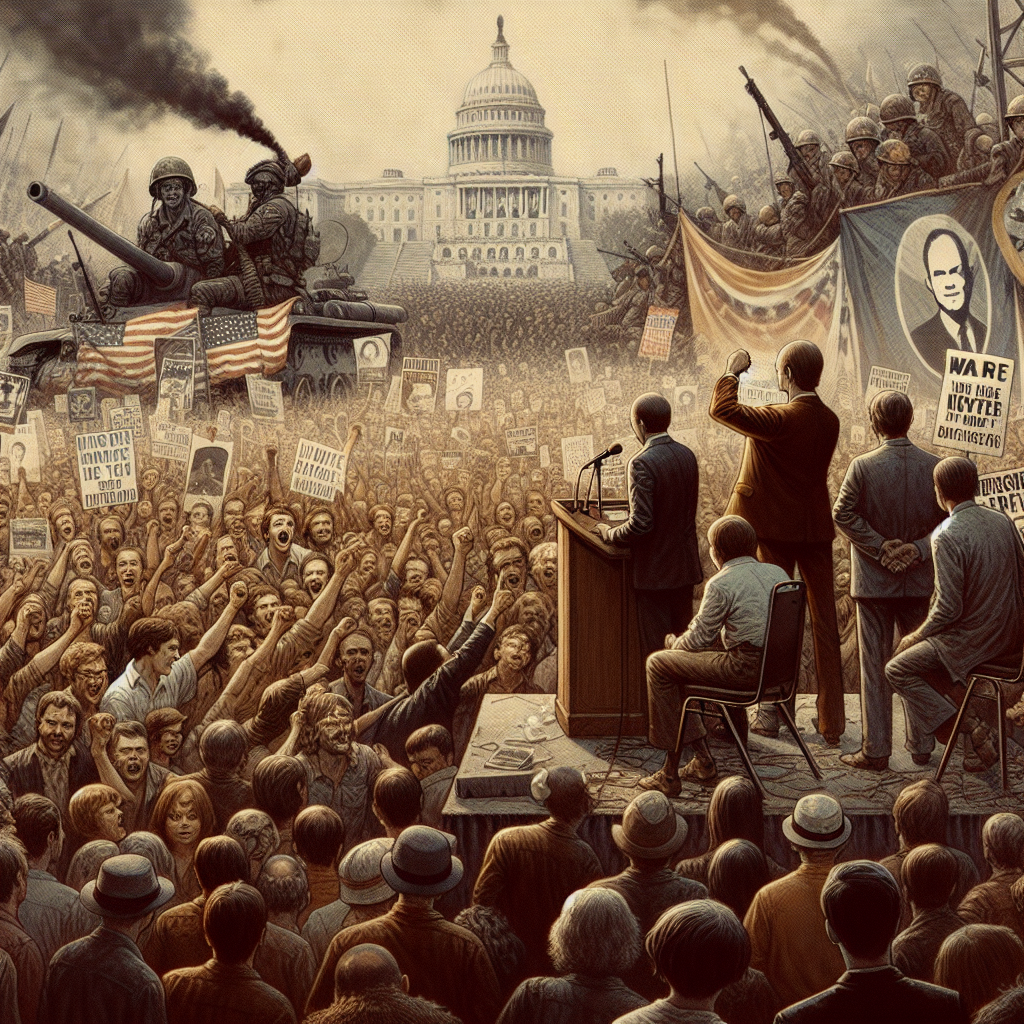
No presidential election in modern American history unfolded against a backdrop as violent and chaotic as 1968. The year opened with the Tet Offensive shattering public confidence in the Vietnam War. In April, Martin Luther King Jr. was assassinated in Memphis; cities burned. In June, Robert Kennedy — who had just won the California Democratic primary and seemed positioned to claim the nomination — was shot dead in a Los Angeles hotel kitchen. By the time the Democratic National Convention convened in Chicago in August, the party was coming apart, and police were beating protesters in the streets outside.
Lyndon Johnson, facing primary challenges from Eugene McCarthy and Kennedy over Vietnam, had withdrawn from the race in March. Vice President Hubert Humphrey inherited the nomination without winning a single primary. Richard Nixon, who had lost the presidency to Kennedy in 1960 and the California governorship in 1962, ran on a promise to restore law and order and to end the war through an unspecified plan. Alabama governor George Wallace ran as an independent, carrying five Deep South states and winning 46 electoral votes — the last third-party candidate to win any electoral votes until 1972.
Nixon defeated Humphrey by less than one percentage point in the popular vote — 43.4 to 42.7 percent — in one of the narrowest margins of the 20th century. His victory was built on the Sun Belt, the border states, and the beginning of the white working-class shift away from the Democratic Party that Wallace's campaign had accelerated. The New Deal coalition that had dominated presidential politics since 1932 cracked decisively that night and never fully recovered.
Nixon's "Southern Strategy" — an appeal to white Southern voters resentful of civil rights legislation — reshaped the electoral map. The Solid South, reliably Democratic since Reconstruction, began its long migration to the Republican Party. The 1968 election redrew the political geography of the country in ways that are still visible today.

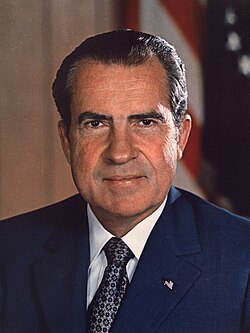
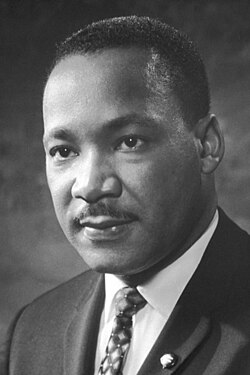
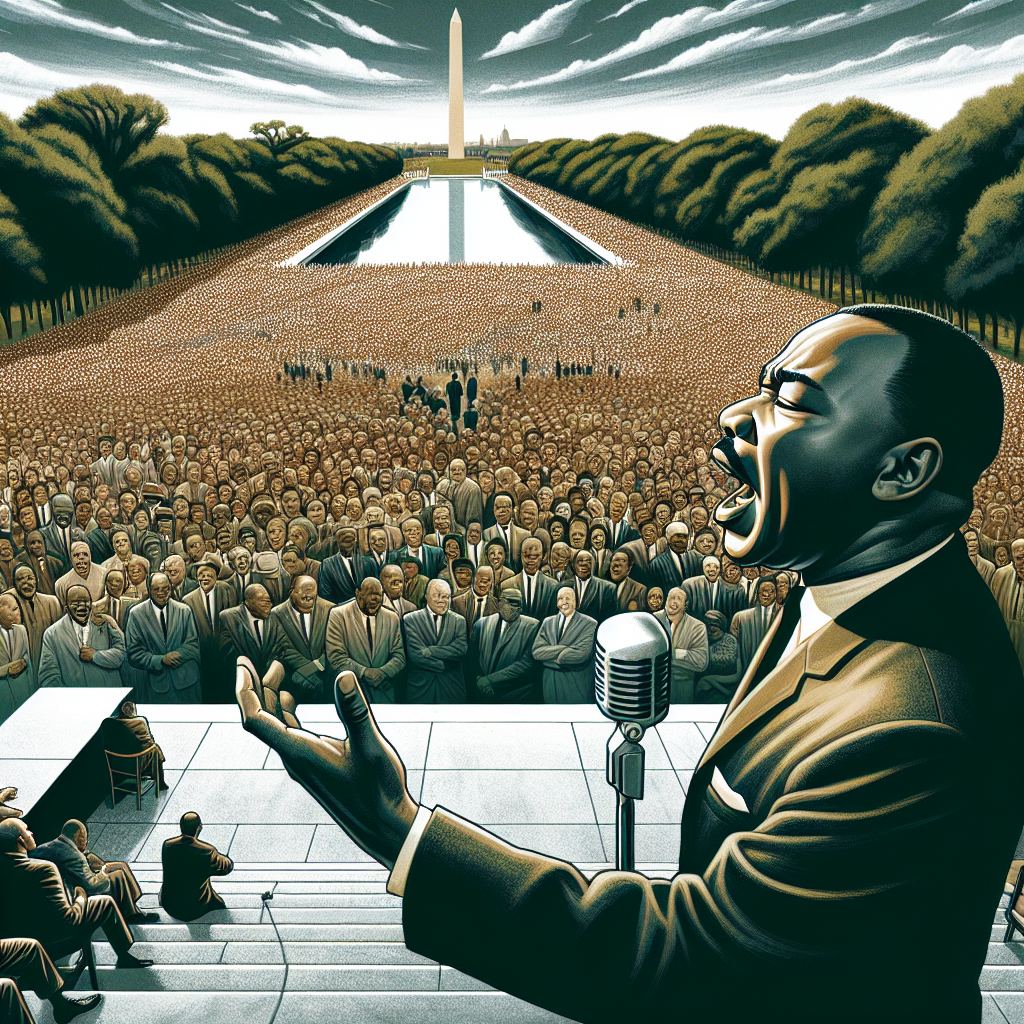
| Winner | Richard Nixon (Republican) |
| Runner-up | Hubert Humphrey (Democrat) |
| Candidates | Richard Nixon (R) def. Hubert Humphrey (D), Wallace |
| Third party | George Wallace (American Independent) — 46 EV |
| Popular Vote | Nixon 43.4%, Humphrey 42.7%, Wallace 13.5% |
| Electoral Vote | Nixon 301, Humphrey 191, Wallace 46 |
| Key context | Tet Offensive, King assassination, RFK assassination, Chicago riots |
| Significance | Crack in New Deal coalition; Southern Strategy begins |
| Date | November 5, 1968 |
| Location | Washington, D.C. |