Vietnam War
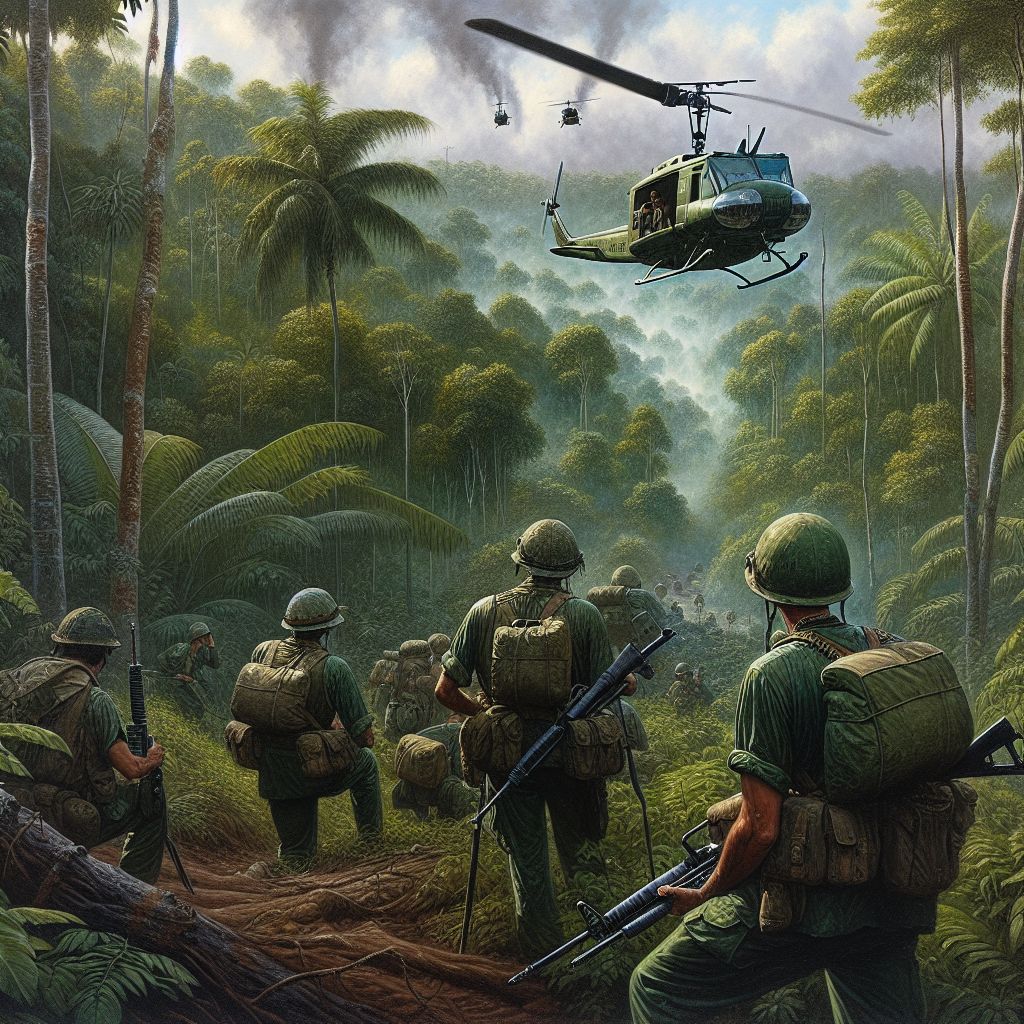
The United States committed its first military advisors to South Vietnam in 1955 and its last combat troops departed in 1973, with the final American personnel evacuated by helicopter from the roof of the Saigon embassy on April 30, 1975, as North Vietnamese forces entered the city. In between, nearly 58,300 Americans died, along with an estimated two to three million Vietnamese — soldiers and civilians, North and South. The war was fought to prevent communist North Vietnam from unifying the country under Ho Chi Minh's government, a goal successive American administrations pursued long after the evidence suggested it was unachievable, because no president wanted to be the one who lost Vietnam.
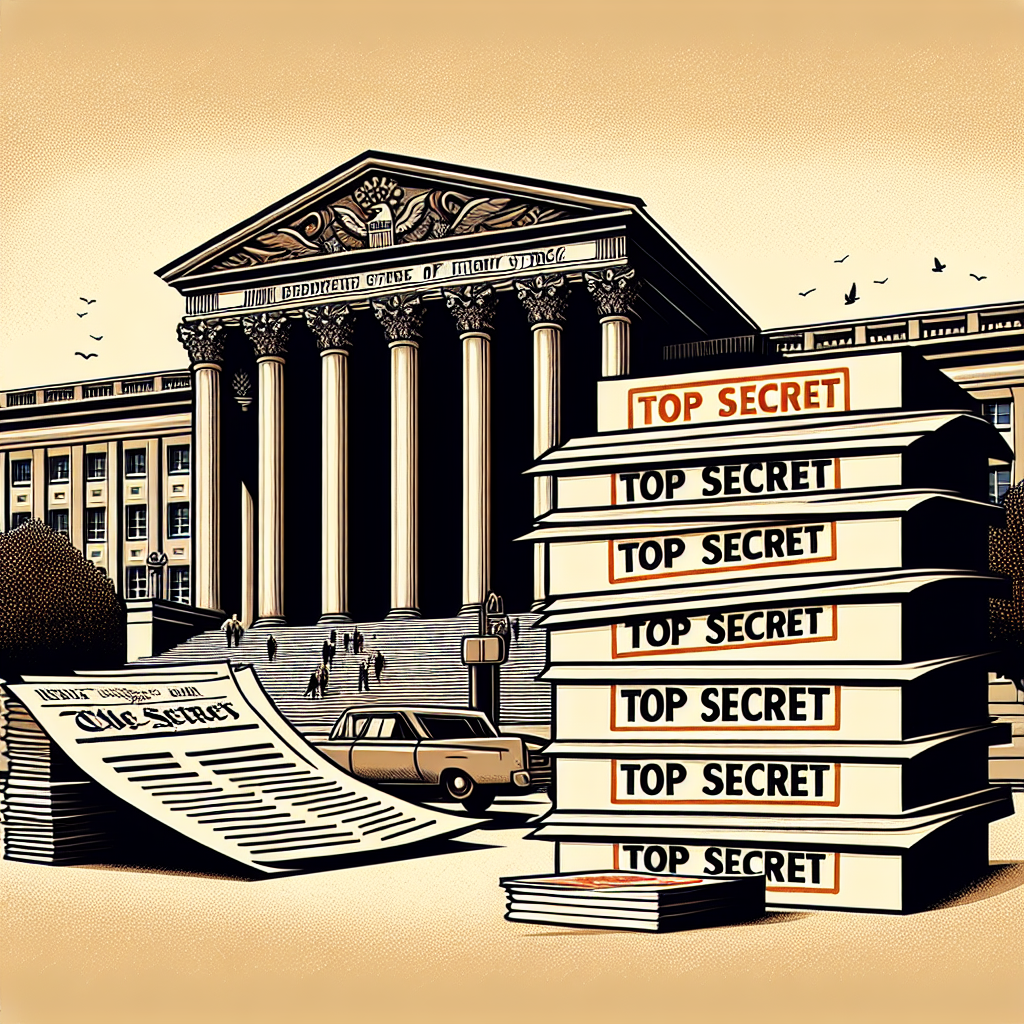
The war remade American society as thoroughly as it failed to remake Vietnam. The draft fell disproportionately on working-class and Black Americans — college deferments shielded the privileged, as Muhammad Ali's celebrated refusal to serve made visible. The antiwar movement, beginning on campuses and spreading into the mainstream, broke apart the liberal coalition that had built the New Deal and Great Society; the Democratic convention of 1968 in Chicago became a televised riot. The Kent State shootings of May 1970 — National Guardsmen killing four student protesters at an Ohio university — shocked the country in ways that accelerated the war's political collapse. The Pentagon Papers, leaked in 1971, revealed that multiple administrations had systematically lied to Congress and the public about the war's progress.
Vietnam broke the postwar faith that American military power could solve any problem and that the government could be trusted to tell the truth about what it was doing. The War Powers Act of 1973 attempted to limit presidential war-making authority. Veterans returned to a country that struggled to honor them, and tens of thousands came home with physical and psychological wounds the VA system was not equipped to treat — PTSD was not formally recognized as a diagnosis until 1980. The Vietnam Veterans Memorial, designed by Maya Lin and unveiled in 1982, listed every name on polished black granite that reflected visitors' own faces back at them. It became, quickly, the most visited memorial in Washington — and the most quietly devastating.
| U.S. involvement | 1955–1975 |
| U.S. deaths | ~58,300 |
| U.S. peak troops | ~543,000 (1969) |
| Vietnamese deaths | ~2–3 million (combined) |
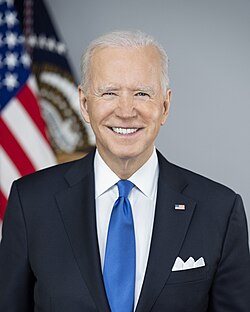
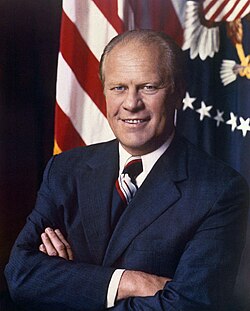
| Presidents involved | Eisenhower, Kennedy, Johnson, Nixon, Ford |
| Draft abolished | 1973 (voluntary military established) |
| Saigon fell | April 30, 1975 |
| Memorial dedicated | November 13, 1982 |
| Years | 1955–1975 |
| Location | United States |