The Counterculture of the 1960s
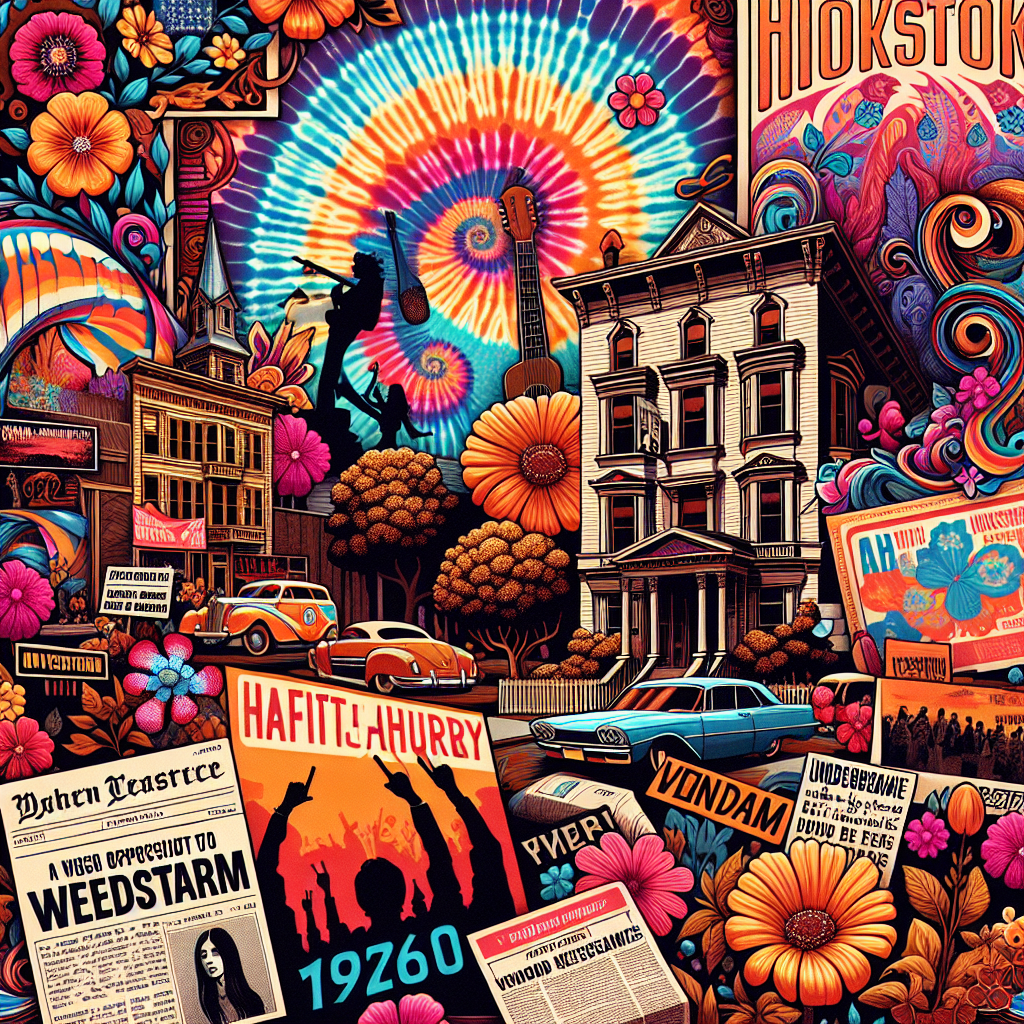
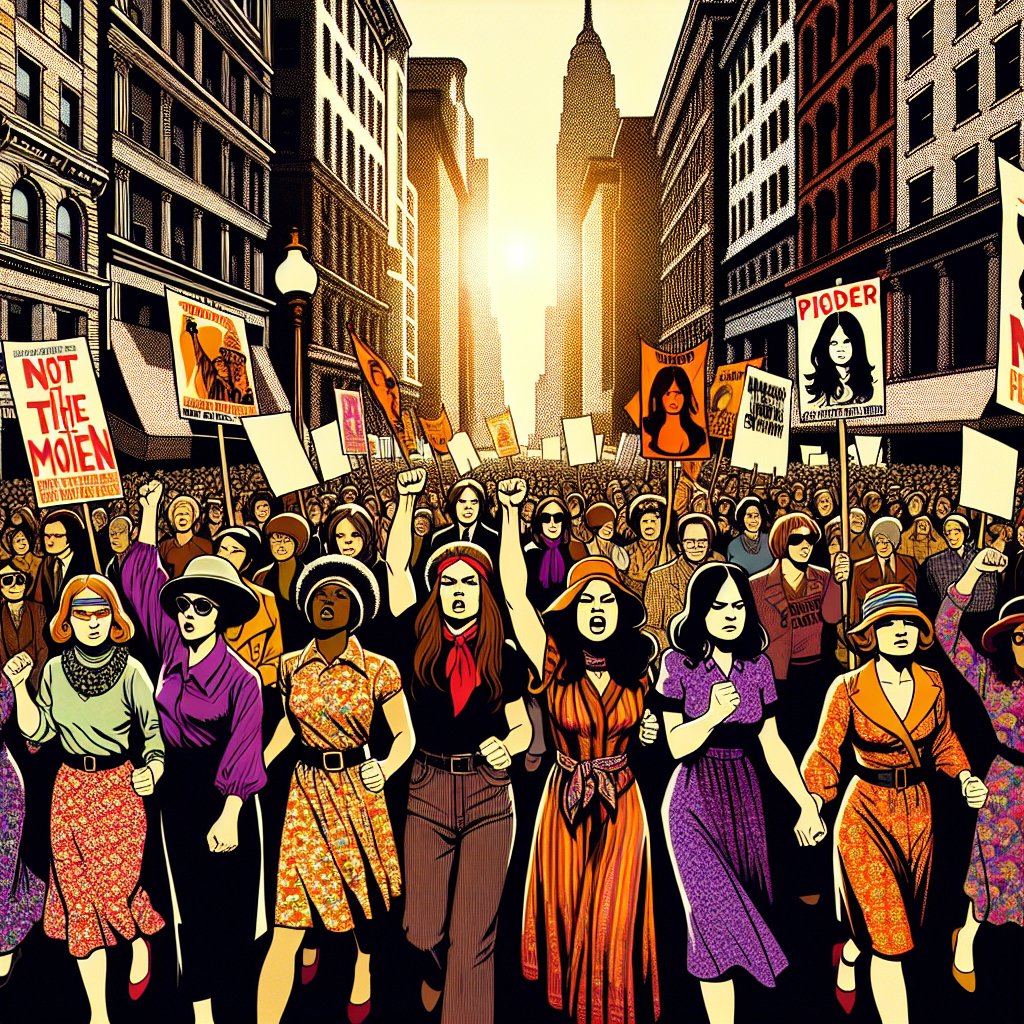
The counterculture of the 1960s was not a single movement but an atmosphere — a shared repudiation of postwar American conformity expressed through music, drugs, sexual behavior, dress, communal living, and political resistance that overlapped and influenced each other without ever cohering into a single program. Its participants ranged from Haight-Ashbury flower children with no politics to speak of, to New Left organizers with little interest in psychedelics, to women's liberation activists equally frustrated with the male chauvinism of the antiwar movement and the conservatism of mainstream society. What they shared was the conviction that the culture they had inherited was not merely mistaken but actively dangerous.
The cultural rupture had multiple ignition points. The Beats — Kerouac, Ginsberg, Ferlinghetti — had challenged postwar conformity in the 1950s, and their books circulated on campuses where a generation was reading them alongside SDS manifestos and SNCC organizing guides. The Beatles' arrival in February 1964 triggered something that was less about music than about permission — a signal that pleasure, expressiveness, and refusal were available options. LSD, largely unknown outside research laboratories before 1965, moved through university campuses and then into the broader culture, with consequences its proponents compared to a second Reformation and its opponents compared to mass psychosis. Both were overstating it, but not by as much as it seemed.
The counterculture's political dimension was never separable from its cultural one. Students for a Democratic Society organized against the Vietnam War on the same campuses where communes were forming and underground newspapers were being printed. The 1967 Summer of Love in San Francisco's Haight-Ashbury district drew 100,000 young people to an experiment in communal living that collapsed under its own weight within months, overrun by runaways, hard drugs, and the exploitative infrastructure that follows utopian gatherings. Woodstock in August 1969 was its apotheosis — 400,000 people, three days of music, almost no violence. Altamont three months later, where a concertgoer was killed by Hells Angels hired as security, was its punctuation mark.
The counterculture lost its moment but won much of its argument. Long hair became ordinary. Sexual norms shifted permanently. Environmental consciousness, women's liberation, gay rights, and expanded racial equality all made concrete legislative and cultural gains that outlasted the communes and the acid tests. The conservative backlash — Nixon's "silent majority," Reagan's nostalgia politics — was itself a measure of how thoroughly the culture had changed. The country that produced Woodstock in 1969 could never entirely go back to the country that produced the Eisenhower consensus in 1956.

| Era | Roughly 1964–1972 |
| Precursors | Beat Generation (1950s); folk revival |
| Key events | Summer of Love (1967); Woodstock (August 1969); Altamont (December 1969) |
| Key locations | Haight-Ashbury, San Francisco; Greenwich Village; Berkeley, California |
| Key figures | Ken Kesey, Timothy Leary, Allen Ginsberg, Abbie Hoffman, Jerry Garcia |
| Political overlap | SDS, antiwar movement, women's liberation, Black Power |
| Cultural output | Rock music, underground press, commune movement, new cinema |
| Years | 1964–1972 |
| Location | San Francisco, California |