Gulf of Tonkin Resolution
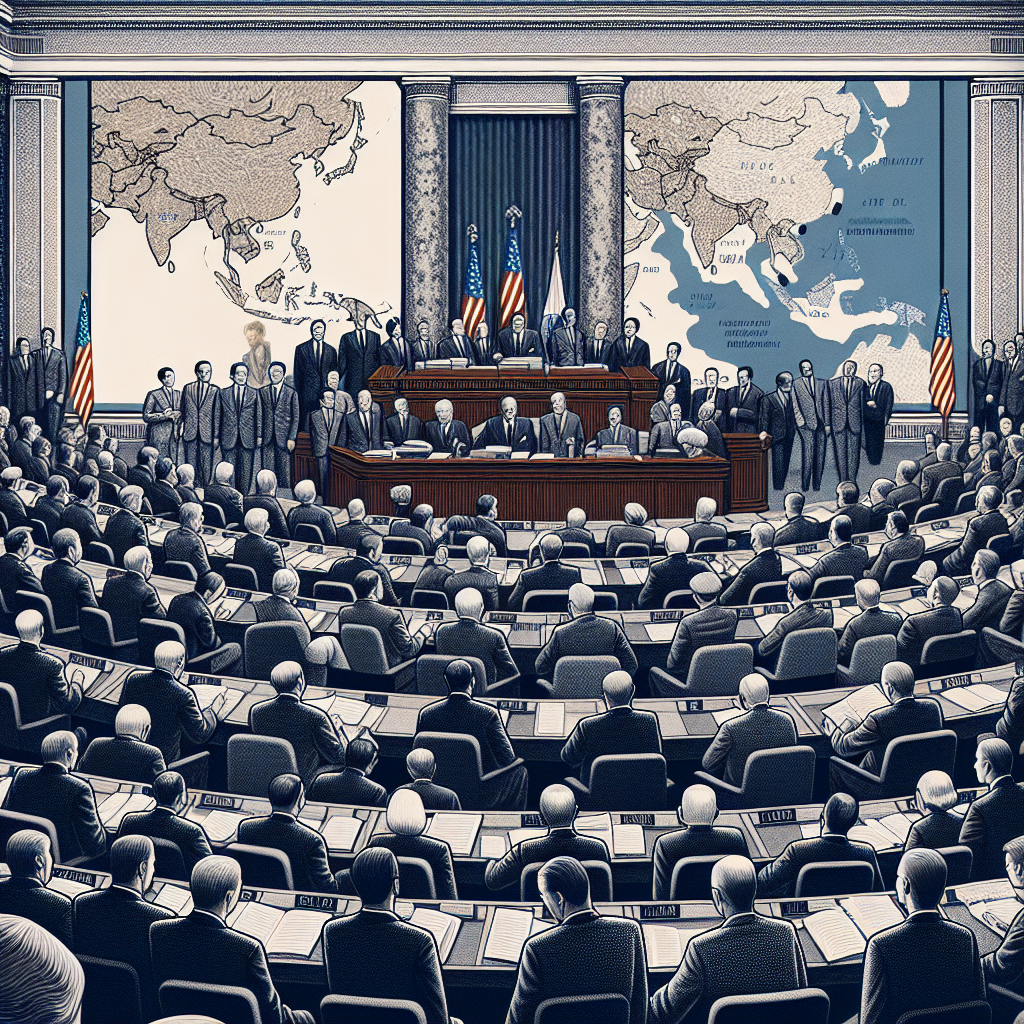
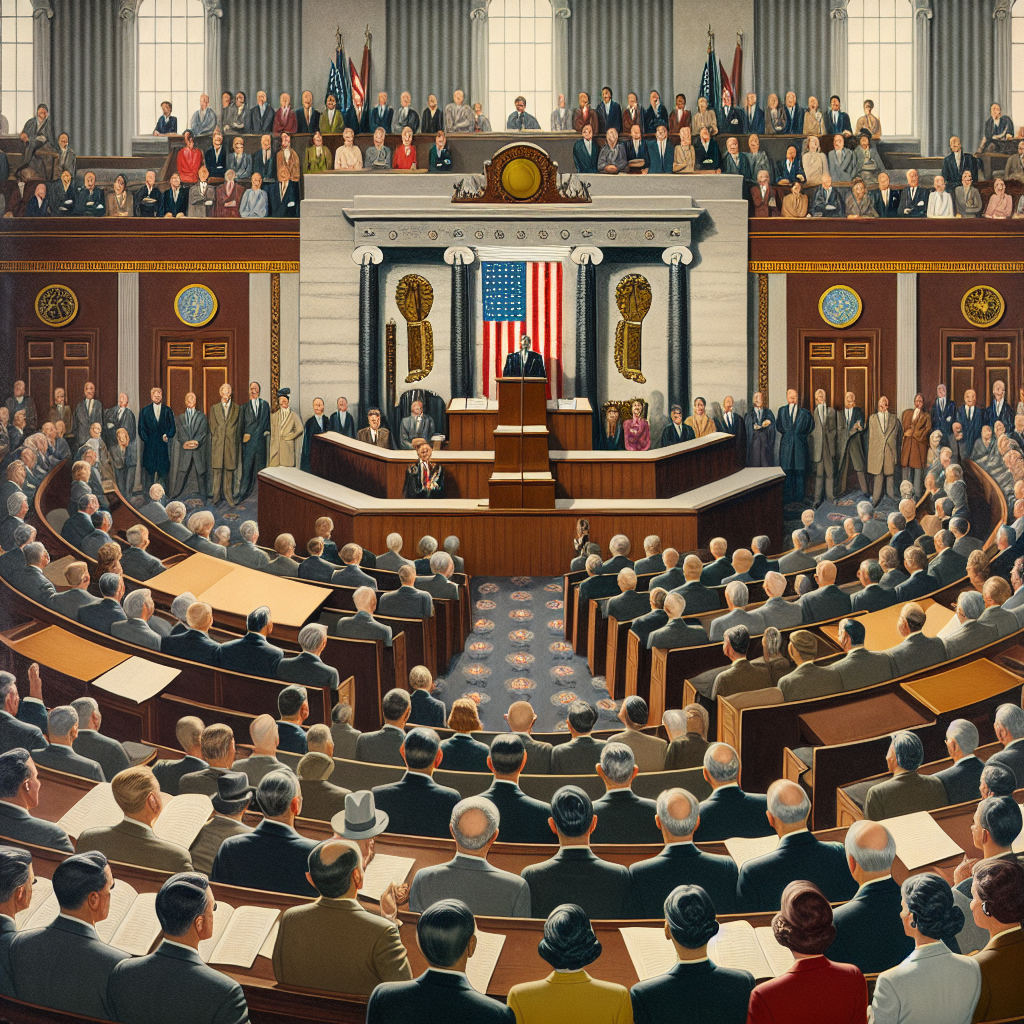
On August 7, 1964, Congress passed the Gulf of Tonkin Resolution by a vote of 88–2 in the Senate and 416–0 in the House, authorizing President Lyndon Johnson to take all necessary measures to repel any armed attack and prevent further aggression in Southeast Asia. The resolution was presented as a response to North Vietnamese torpedo boat attacks on U.S. destroyers in the Gulf of Tonkin on August 2 and again on August 4. The first attack was real. The second, as the Johnson administration knew at the time and documents later confirmed, almost certainly never happened.
The resolution became the legal basis for the most substantial escalation of American military involvement in Vietnam — from roughly 16,000 advisors to more than 500,000 troops at the war's peak. It was never a formal declaration of war, and Congress never voted on one. Johnson had carried the resolution in his pocket for months before the Gulf of Tonkin incident gave him his moment. Defense Secretary Robert McNamara later acknowledged that the August 4 attack, which triggered the resolution's passage, was based on misread radar data and the reports of an edgy destroyer crew — not a second attack.
The resolution was repealed in 1971 as part of congressional efforts to constrain executive war-making power, and the War Powers Resolution of 1973 was passed over Nixon's veto specifically to prevent future presidents from committing troops without congressional authorization. The Tonkin episode remains the most cited example of the gap between how a democracy justifies going to war and the actual intelligence driving the decision — a lesson that did not prevent similar patterns in the decades that followed.


| Passed | August 7, 1964 |
| Vote | Senate 88–2; House 416–0 |
| Senate Dissenters | Wayne Morse (Oregon) and Ernest Gruening (Alaska) |
| Claimed Trigger | North Vietnamese attacks on USS Maddox (Aug. 2) and USS Turner Joy (Aug. 4) |
| Second Attack | Almost certainly did not occur; based on misread radar data |
| Repealed | 1971; War Powers Resolution passed 1973 |
| Date | August 7, 1964 |
| Location | Washington, D.C. |