Lyndon B. Johnson
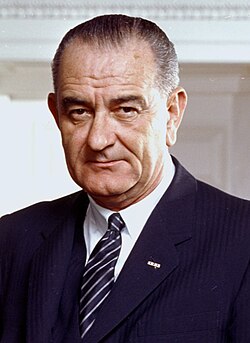
Lyndon Johnson took the oath of office on Air Force One on November 22, 1963, with Jacqueline Kennedy standing beside him, still wearing the pink suit stained with her husband's blood. He was 55 years old, a master of the Senate who had spent decades accumulating legislative power through a combination of psychological insight, relentless pressure, and an almost physical intimacy that his colleagues called the Johnson Treatment — the way he would grip a man's lapel or arm, lower his face to yours, and hold you in a conversation that felt less like a discussion than a siege. He used every instrument of that method on Congress over the next five years to produce the most ambitious domestic legislative program since the New Deal.
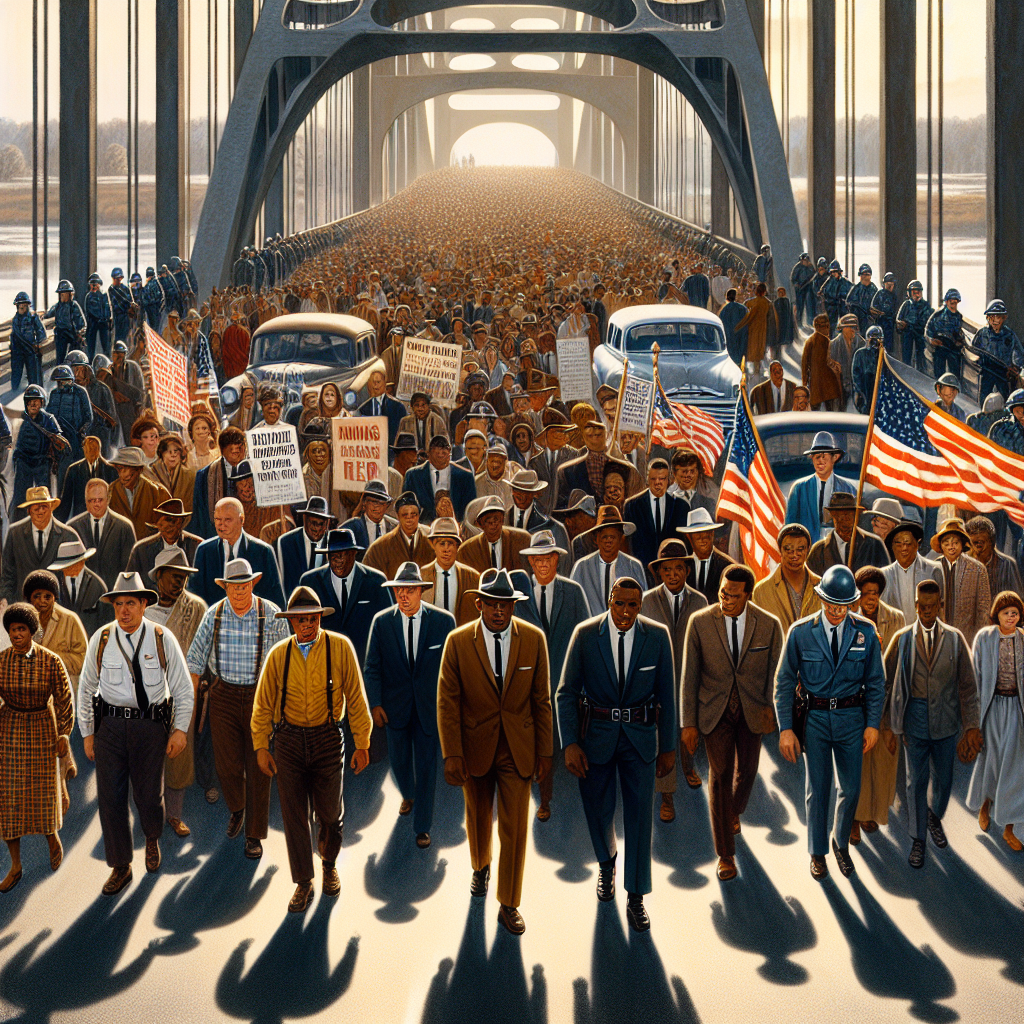
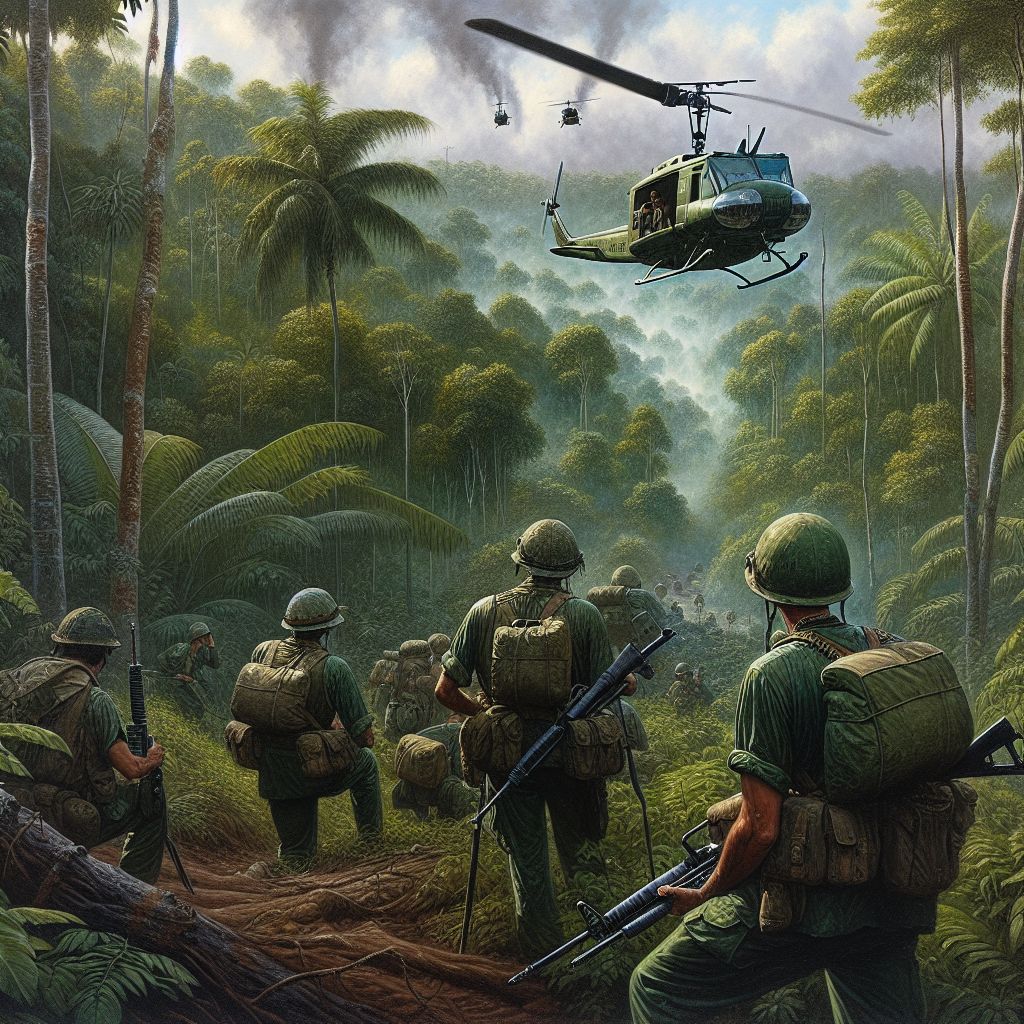
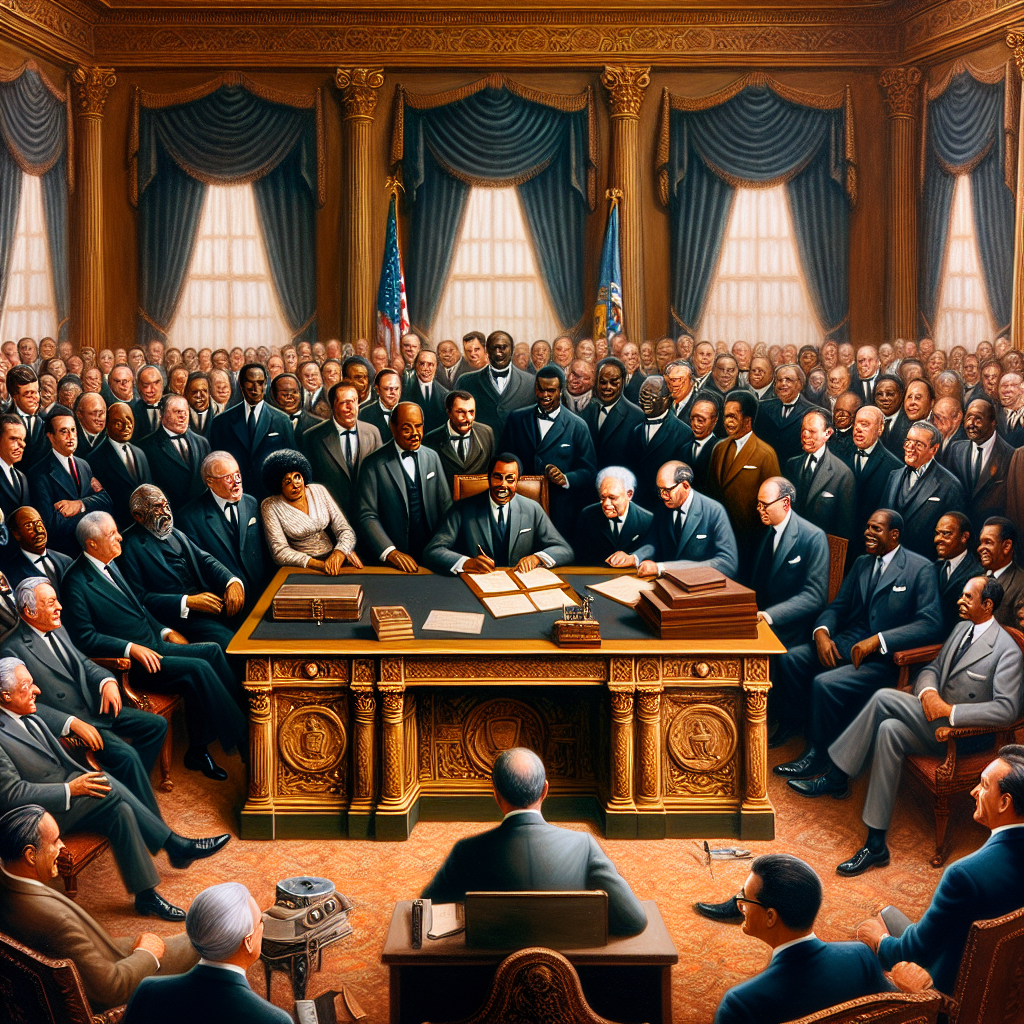
The 89th Congress that convened in January 1965, swept in by Johnson's landslide defeat of Barry Goldwater, passed Medicare, Medicaid, the Voting Rights Act, the Immigration and Nationality Act that ended the discriminatory quotas of 1924, the Elementary and Secondary Education Act, the Clean Air Act, the Water Quality Act, the creation of the National Endowment for the Arts and Humanities, and the Housing and Urban Development Act — in a single session. Johnson called it the Great Society, and by any measure of legislative output it justified the name. He also escalated American involvement in Vietnam from 16,000 advisors to 500,000 combat troops, based on intelligence he knew was unreliable, and watched the war consume the political capital, the moral authority, and eventually the presidency he had built.
Johnson announced on March 31, 1968 — the same speech in which he declared a partial bombing halt in Vietnam — that he would not seek and would not accept his party's nomination for another term. He was 59 years old and looked 20 years older. He retired to his Texas ranch, grew his hair long in a way that was almost certainly deliberate provocation, and died of a heart attack on January 22, 1973, one day before the Paris Peace Accords were signed ending American involvement in Vietnam. He had known the war could not be won for years. He fought it anyway because he could not find a way to stop that didn't feel like surrender, and that calculation killed him as surely as the heart disease did.


| Born | August 27, 1908 — Stonewall, Texas |
| Died | January 22, 1973 — Stonewall, Texas |
| Term | November 22, 1963 – January 20, 1969 |
| Party | Democrat |
| Vice President | Hubert Humphrey (1965–69) |
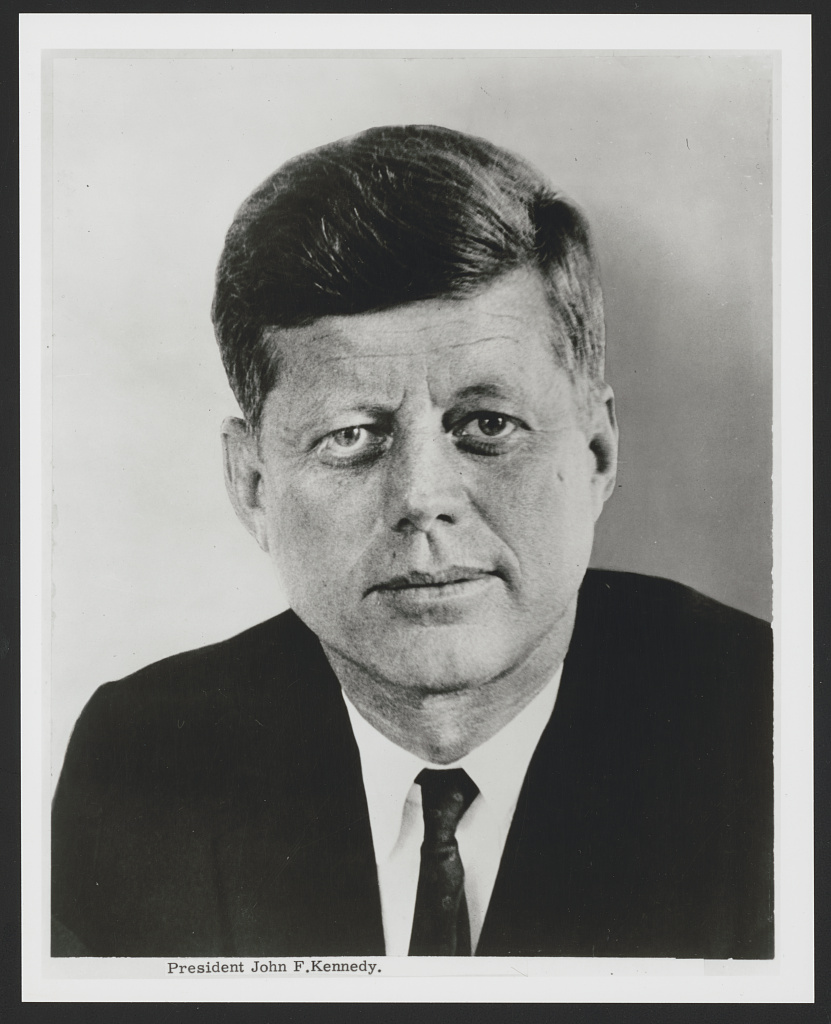
| Preceded by | John F. Kennedy (assassinated) |
| Succeeded by | Richard Nixon |
| Key legislation | Civil Rights Act (1964), Voting Rights Act (1965), Medicare, Medicaid |
| Years | 1908–1973 |
| Location | Stonewall, Texas |