John F. Kennedy
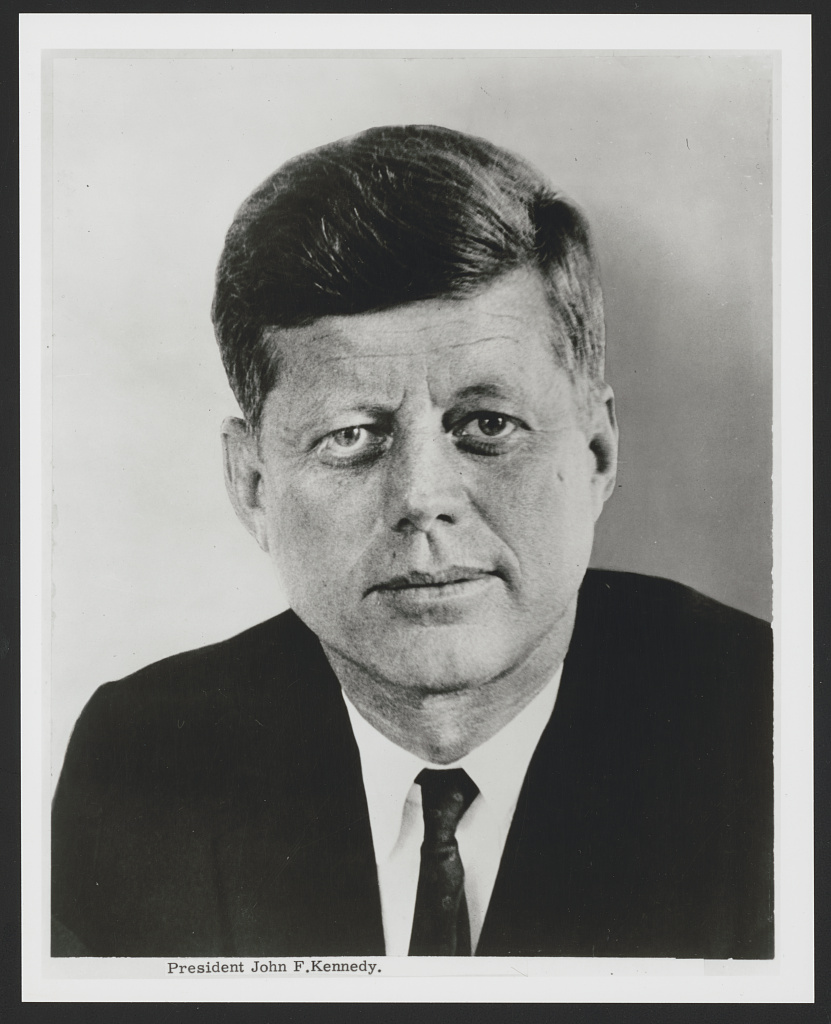
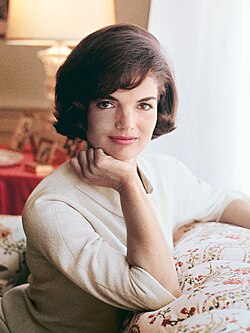
John F. Kennedy was 43 years old when he was inaugurated — the youngest elected president in American history — and the gap between his image and his reality has been a subject of American historical argument ever since. The image: a handsome, witty war hero who inspired a generation, navigated the Cuban Missile Crisis without nuclear war, launched the Peace Corps and the moon program, and died before the gap between his rhetoric and his governance could fully manifest. The reality includes a man in constant physical pain from a back injury and Addison's disease, managed on a pharmaceutical cocktail that would end most careers today, whose private life was a cascade of reckless behavior, and whose legislative record before Dallas was modest.
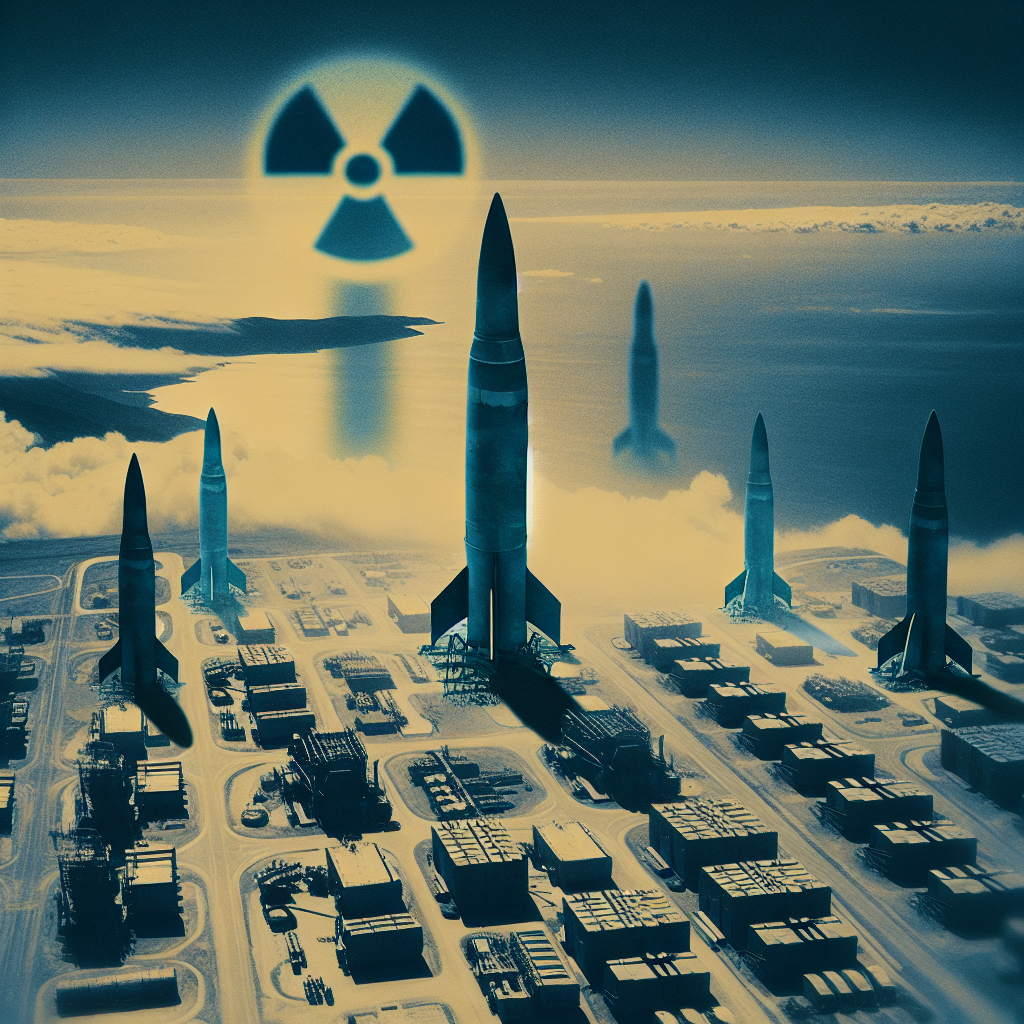
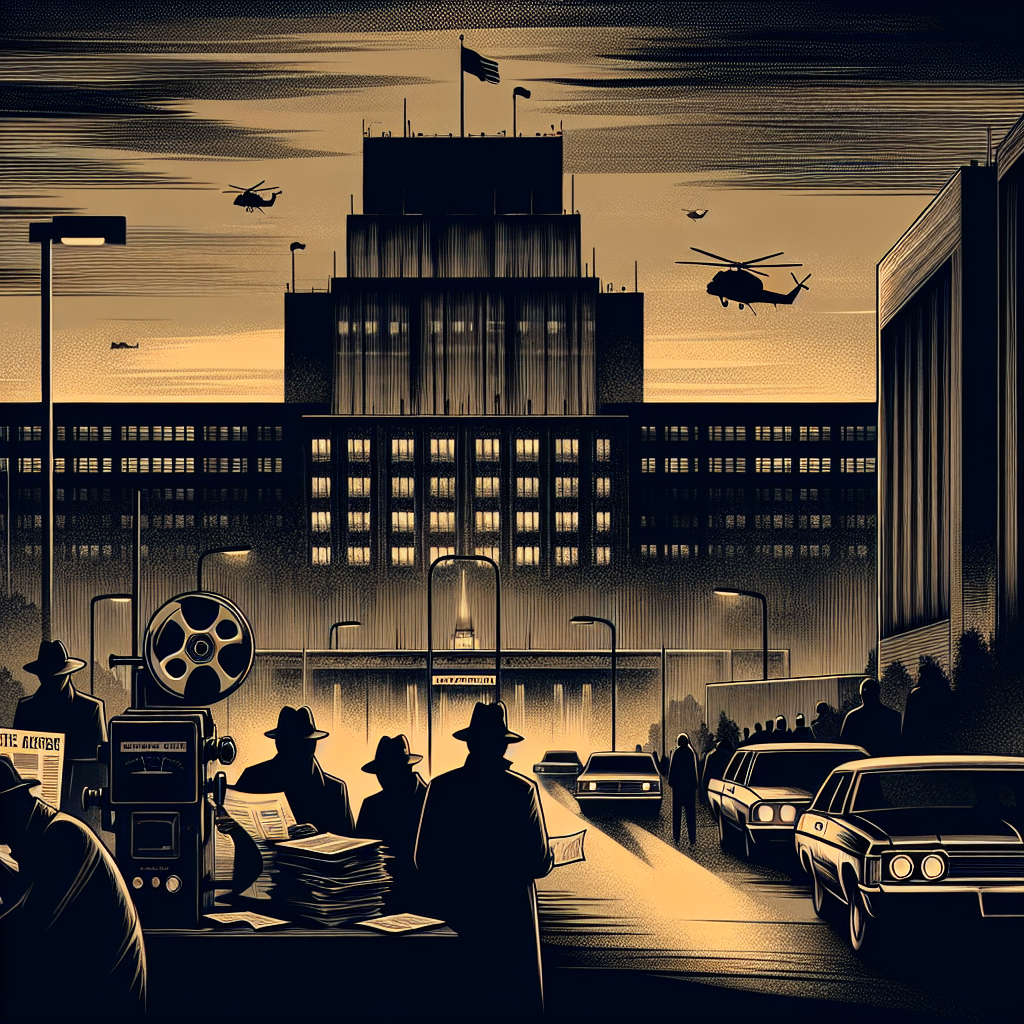
The Cuban Missile Crisis of October 1962 was the closest the Cold War came to becoming a hot one, and Kennedy's handling of it was the finest 13 days of his presidency. When U-2 spy planes revealed Soviet missiles being installed in Cuba, Kennedy rejected the military's near-unanimous advice to bomb and invade — advice that would have killed Soviet personnel and triggered a response — and instead imposed a naval quarantine while negotiating in secret with Khrushchev. The settlement he reached — Soviet missiles out of Cuba, American missiles quietly out of Turkey, pledge not to invade Cuba — was derided by hawks at the time as weak and is now understood as the most consequential act of nuclear statesmanship in American history.
Kennedy was shot in Dallas on November 22, 1963, and died 30 minutes later at Parkland Memorial Hospital. Lee Harvey Oswald was arrested for the murder and killed two days later by Jack Ruby before he could be tried, ensuring that the questions surrounding the assassination would never be definitively answered and spawning a conspiracy industry that has never stopped. The Warren Commission concluded Oswald acted alone; polls consistently show a majority of Americans disbelieve this. Kennedy was in office for 1,036 days. The country's grief at his death was genuine and enormous, and the mythology it produced — Camelot, the lost promise, the torch passed — shaped American liberalism's self-understanding for at least a generation.

| Born | May 29, 1917 — Brookline, Massachusetts |
| Died | November 22, 1963 — Dallas, Texas |
| Term | January 20, 1961 – November 22, 1963 |
| Party | Democrat |
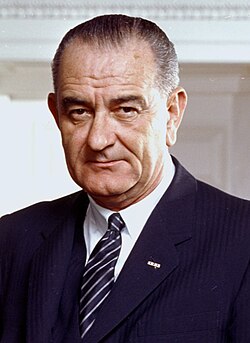
| Vice President | Lyndon B. Johnson |
| Age at inauguration | 43 (youngest elected president) |
| Assassin | Lee Harvey Oswald (Warren Commission finding) |
| Preceded by | Dwight D. Eisenhower |
| Years | 1917–1963 |
| Location | Washington, D.C. |