Muhammad Ali
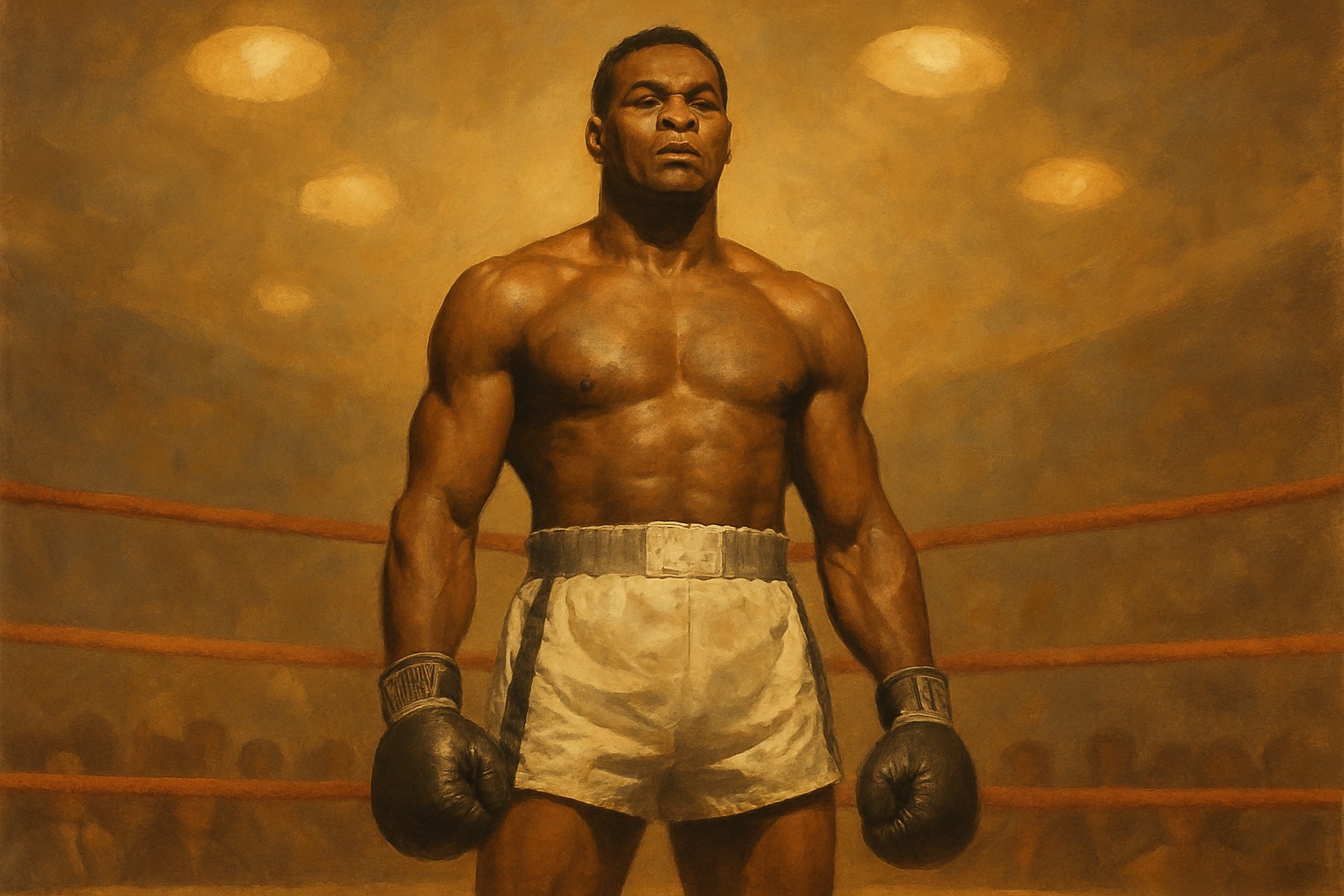
Muhammad Ali was the most famous athlete of the 20th century and one of its most divisive public figures. A boxer of dazzling speed and showmanship, he won the world heavyweight title in 1964 and announced his conversion to Islam and his new name, rejecting what he called his "slave name," Cassius Clay.
In 1967, at the height of his career, Ali refused induction into the U.S. military, citing his religious beliefs and opposition to the Vietnam War — "I ain't got no quarrel with them Viet Cong." He was stripped of his title and barred from boxing for more than three years, sacrificing his prime to his convictions.
The Supreme Court overturned his conviction in 1971, and Ali returned to win the heavyweight title twice more in legendary bouts. His stand, once widely condemned, came to be seen as principled, and he grew from a polarizing figure into a beloved global icon.
Ali transcended sport. He linked the boxing ring to the era's largest movements — civil rights, Black pride, religious freedom, and antiwar protest — and in doing so redefined what an athlete could be and say. By his later years he was among the most recognized and admired people on earth.
| Lived | 1942–2016 |
| First Title | World heavyweight champion, 1964 |
| Stand | Refused Vietnam draft, 1967; barred from boxing 3+ years |
| Vindication | Conviction overturned by the Supreme Court, 1971 |
| Legacy | Three-time champion and global symbol of conscience |
| Date | 1942–2016 |