America and France: War, Alliance, and Louisiana
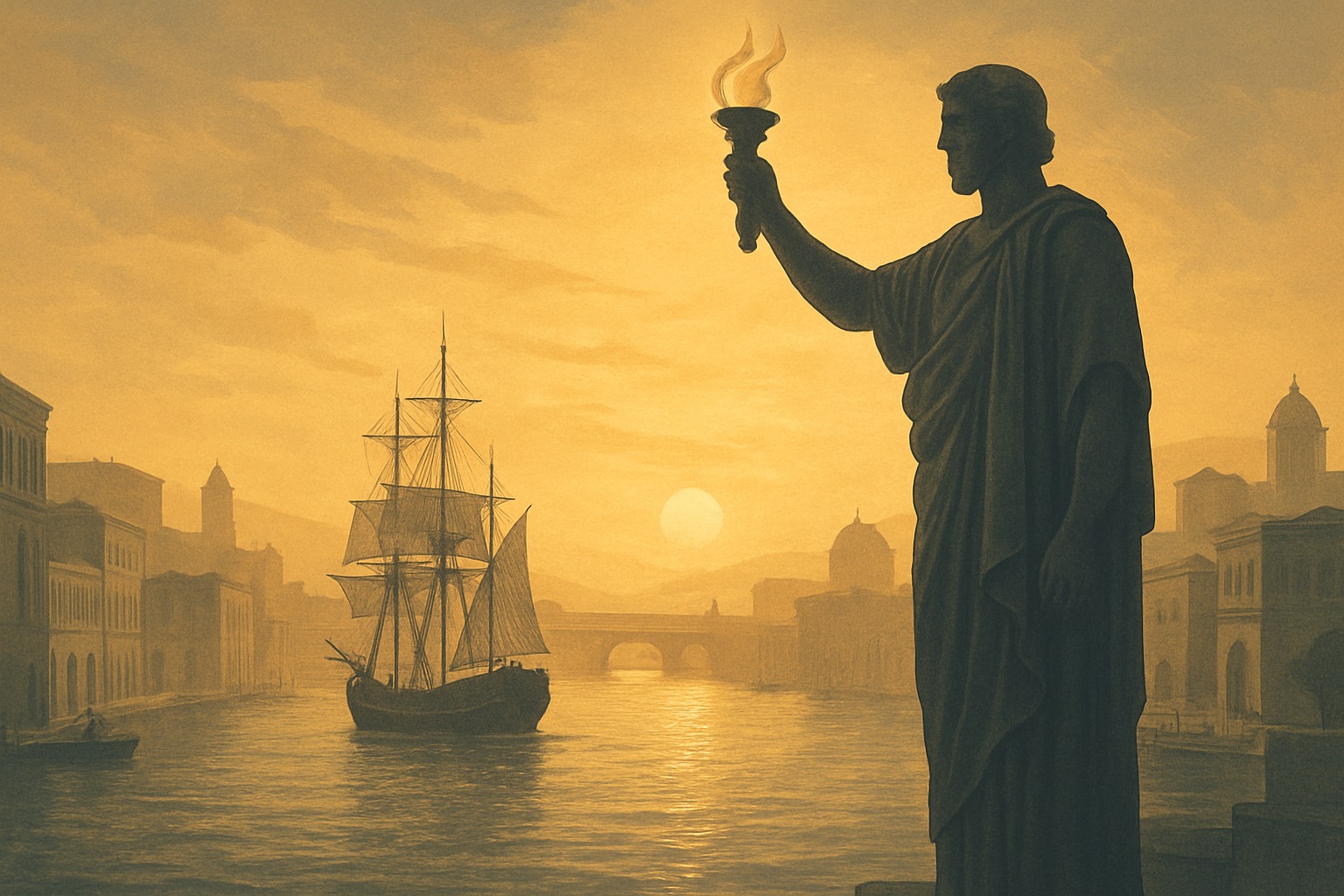
France is America's oldest ally and one of its most consequential partners. It helped win the Revolution, nearly went to war with the young republic a few years later, sold it the Louisiana Territory, and gave it the Statue of Liberty. No relationship has swung so widely between gratitude and friction — and none reaches back further, all the way to the nation's founding.
This guide follows the relationship in order: imperial rivalry, the Revolutionary alliance, the friction that followed, the Louisiana bargain, and the modern bond sealed in monument and war. Each entry links to a full account.
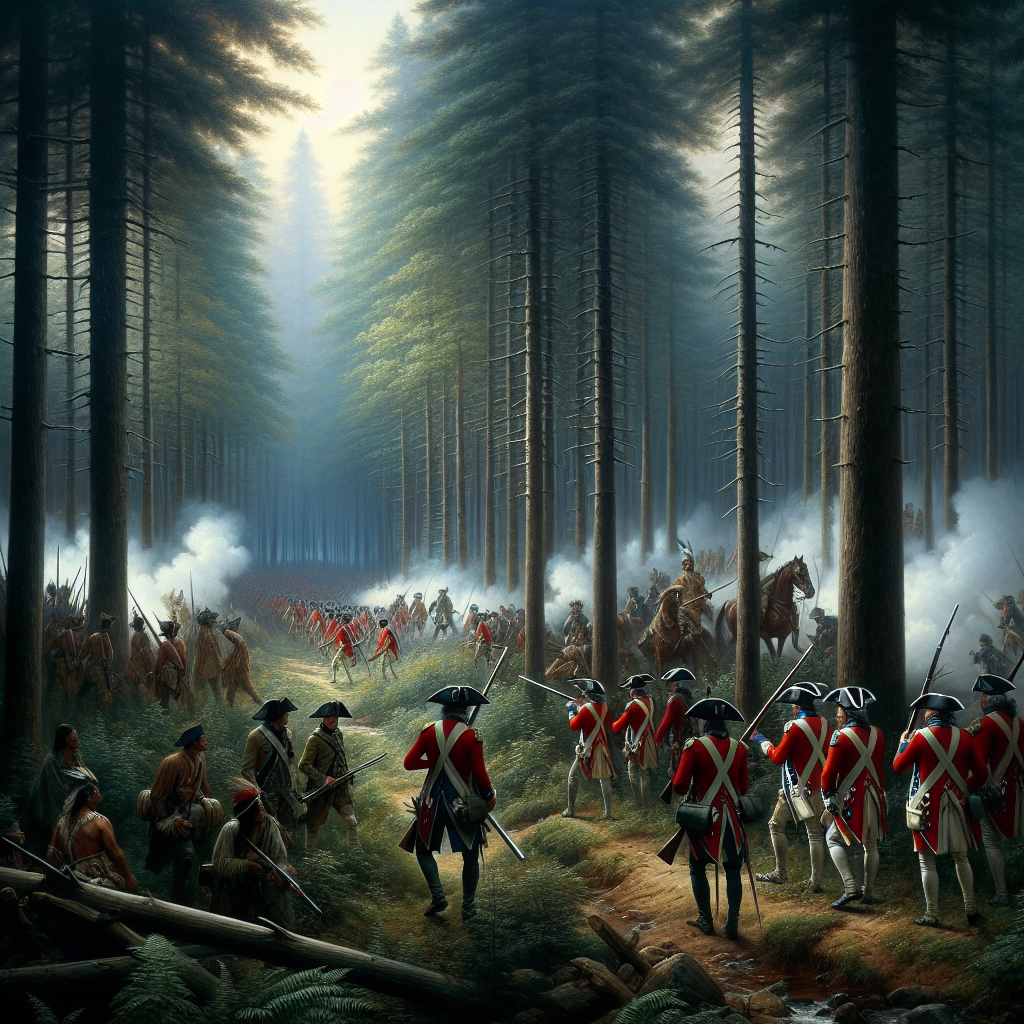
Before they were allies, France and the future United States were on opposite sides. The two powers first met as rivals in the contest for the North American continent.
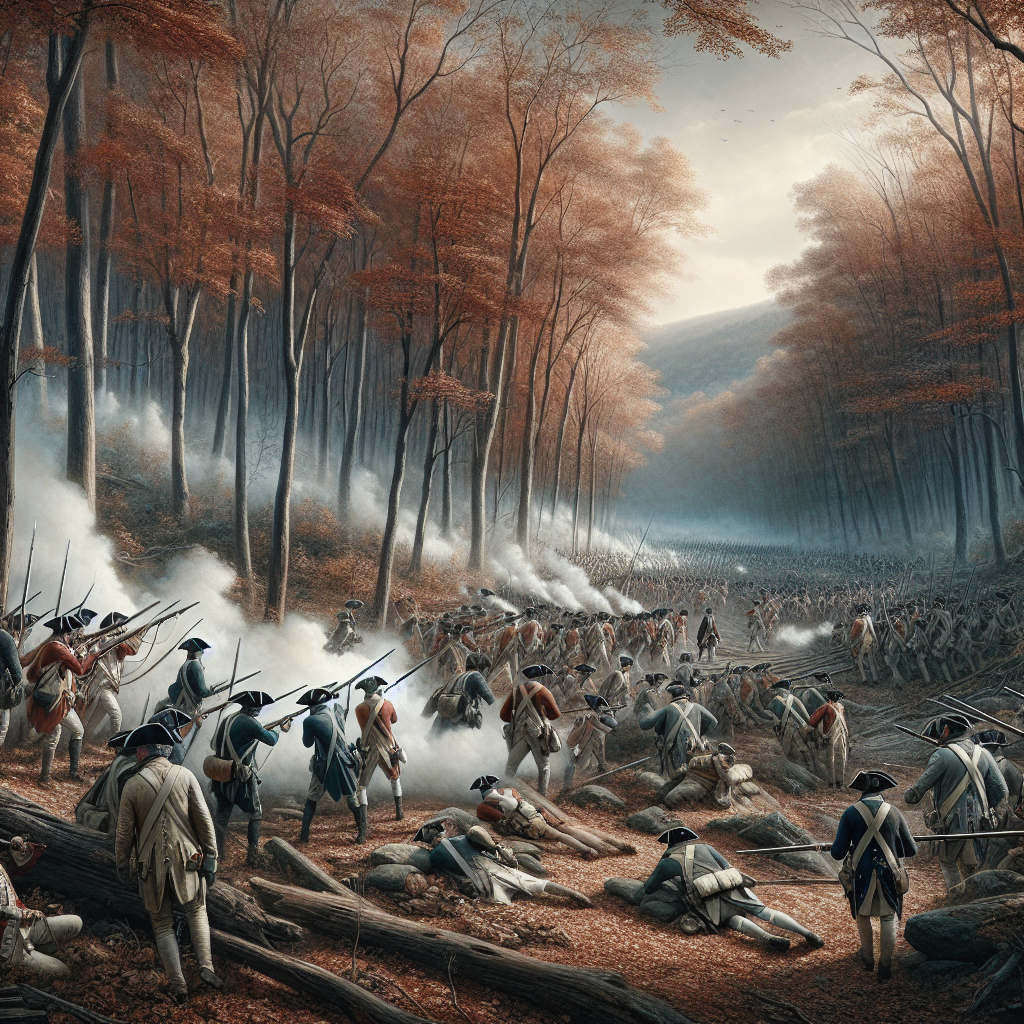
France made American independence possible. These entries cover the alliance that brought French troops, ships, and money into the Revolution and tipped the war in the colonies' favor.
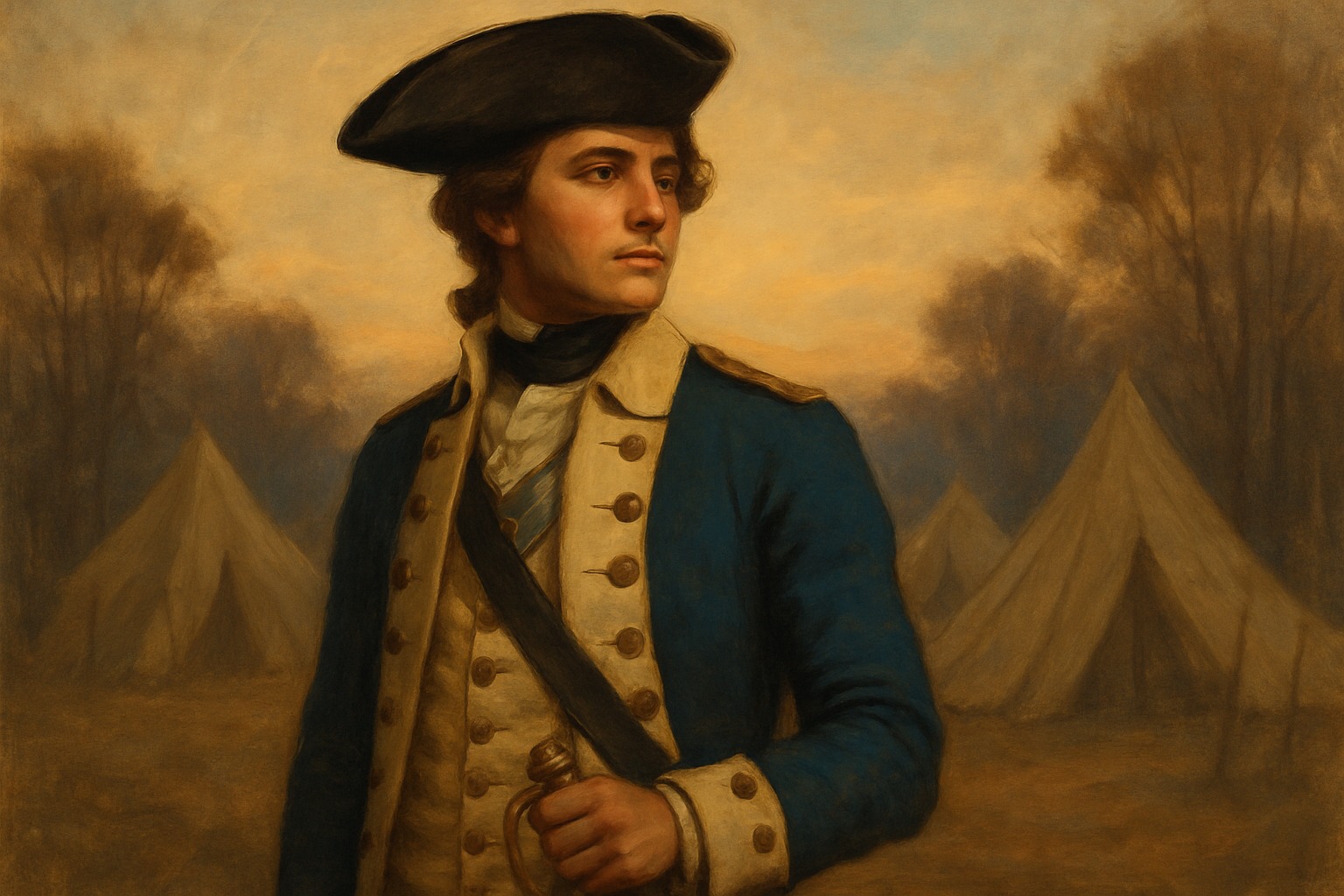
The alliance soured almost as soon as the war was won. Disagreements over debt, revolution, and neutrality pushed the two nations into an undeclared naval conflict before cooler heads prevailed.
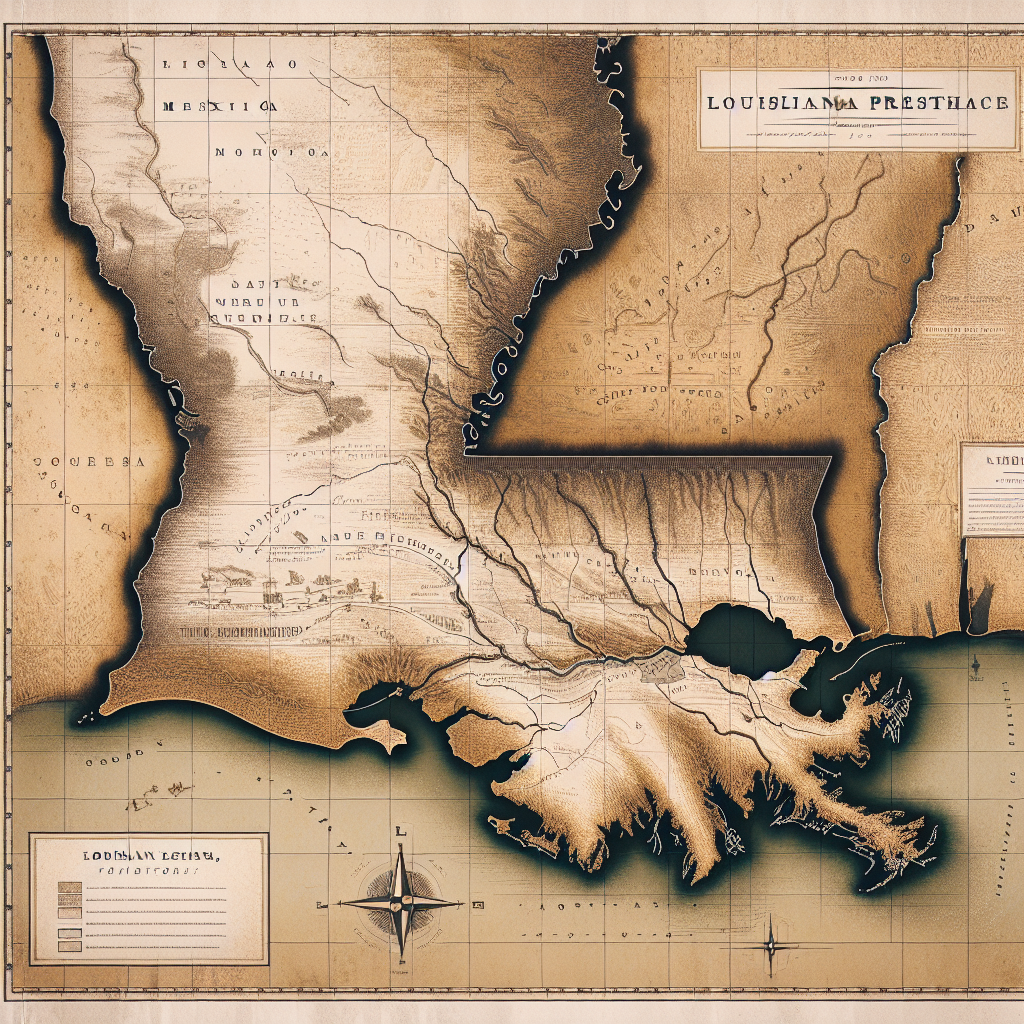
The relationship's most consequential transaction came in peace, not war. France's sale of its vast Louisiana territory doubled the size of the United States and redrew the map of the continent.

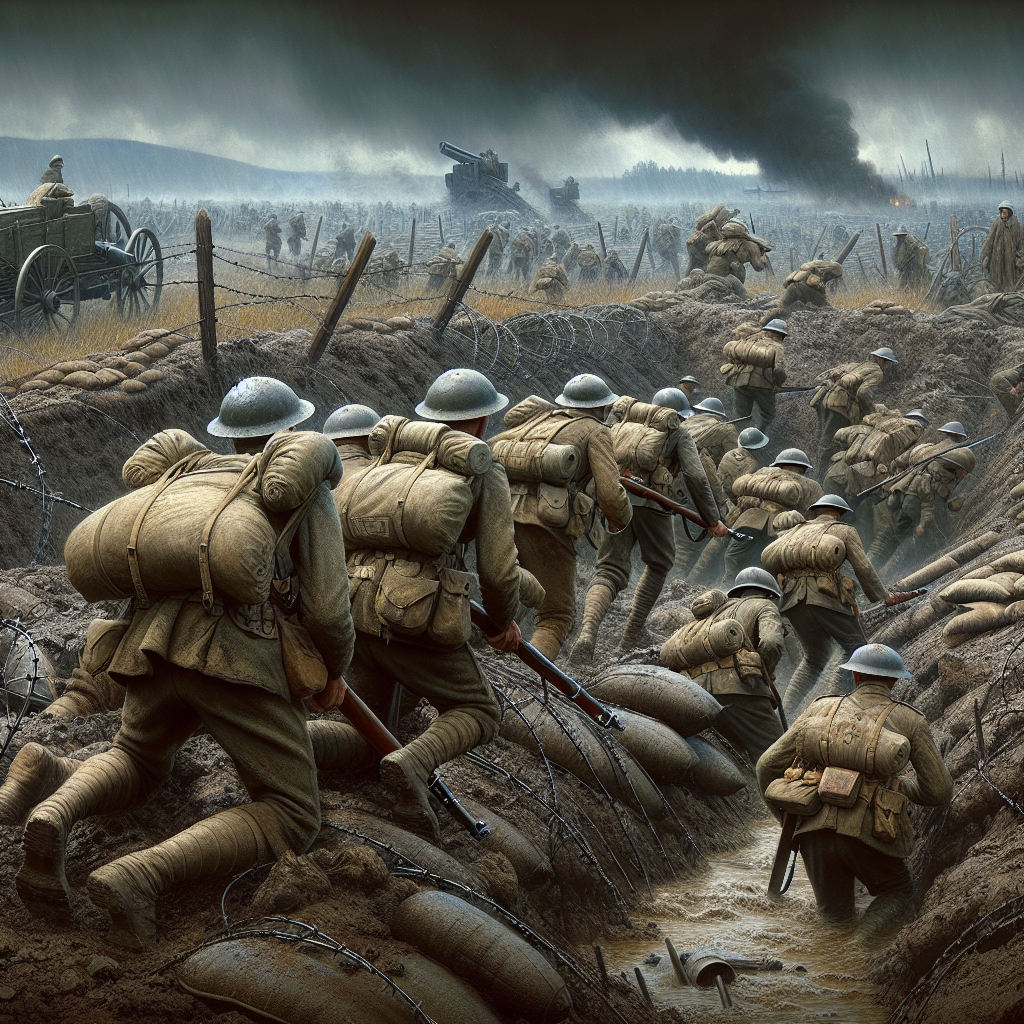
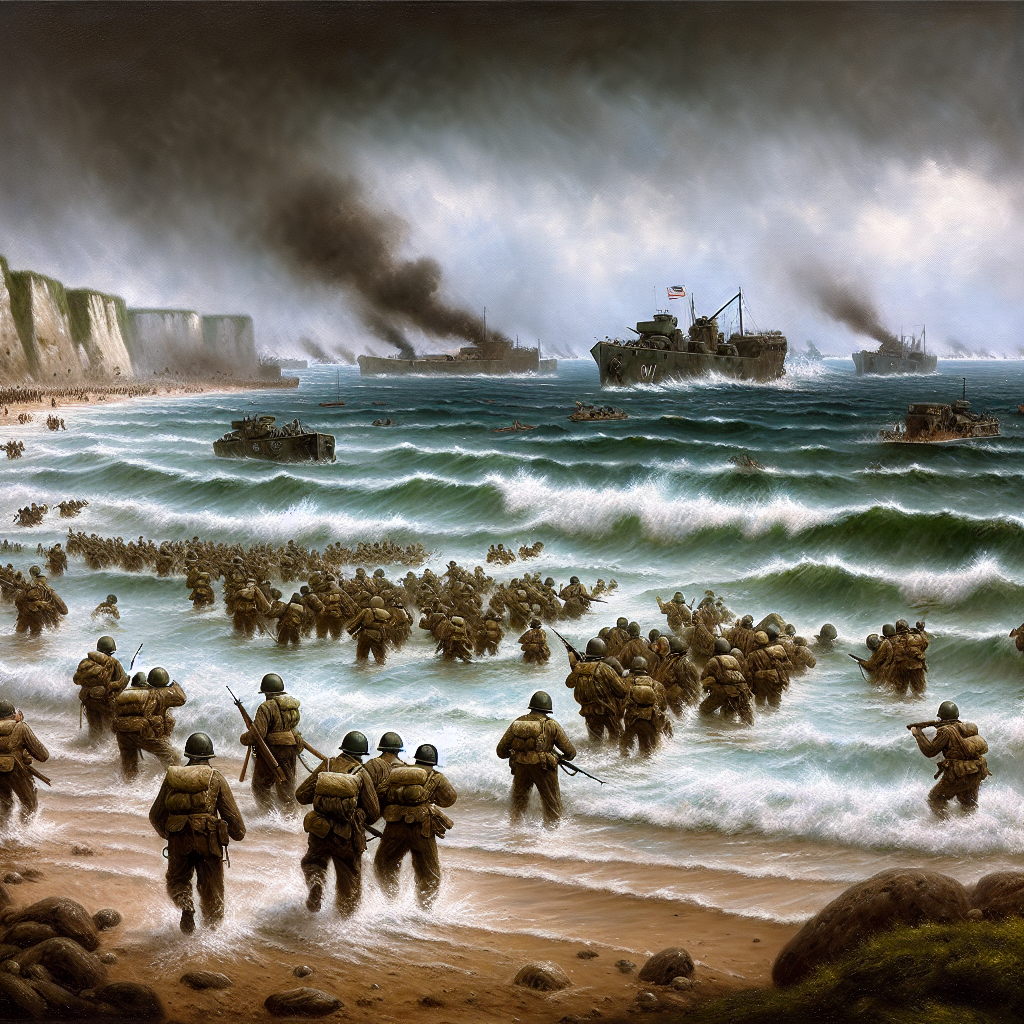
In the modern era the bond became symbolic and then literal. France's gift of the Statue of Liberty and America's role in liberating France in two world wars cemented an old friendship.


France's great rival Britain took the opposite road — from enemy to ally — in America and Britain, and the Revolution at the heart of this story runs through the American Revolution timeline.