The Marquis de Lafayette
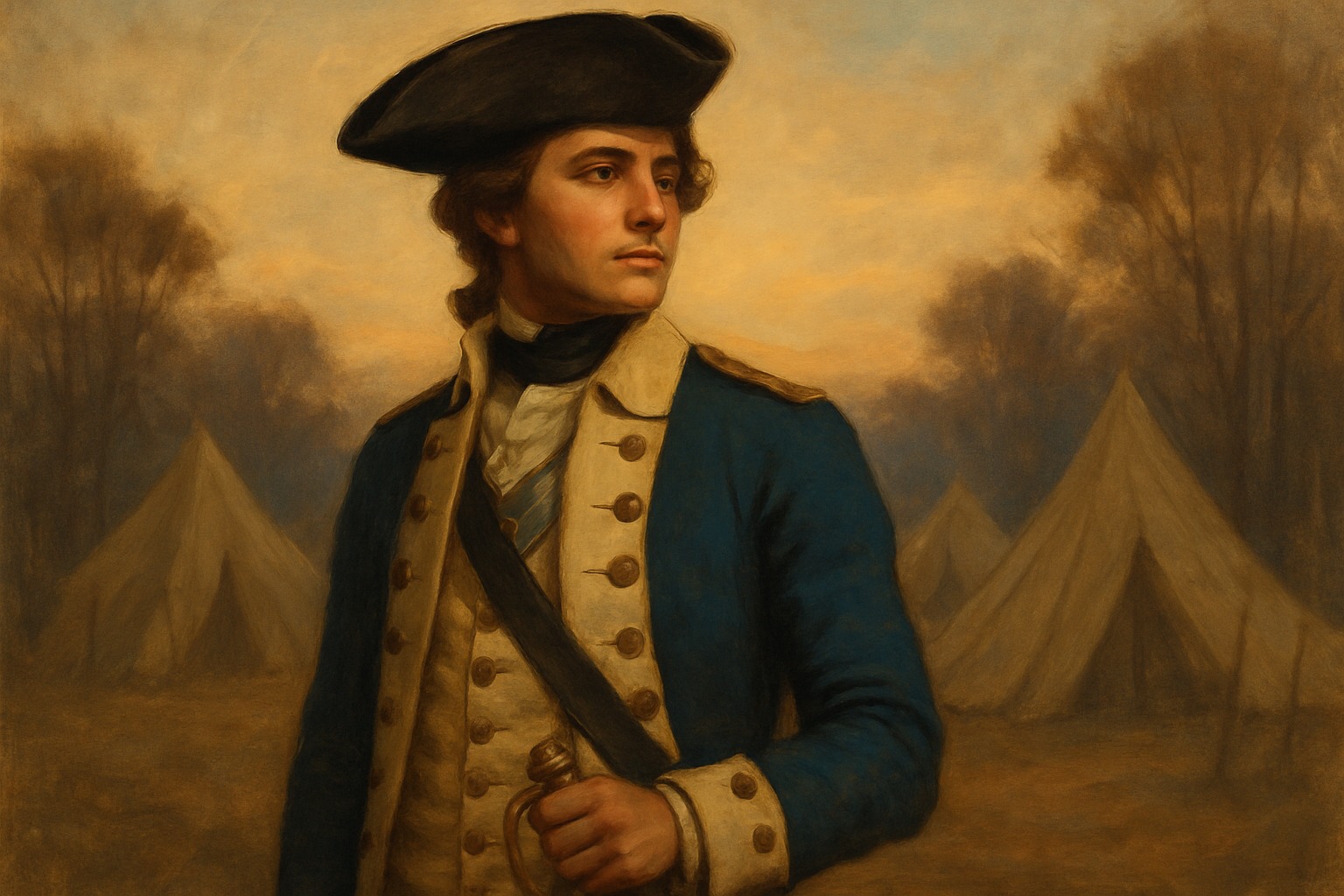
Gilbert du Motier, the Marquis de Lafayette, was a teenage French nobleman when he sailed to America in 1777 to join a revolution that was not his own. He volunteered without pay, won the trust of George Washington, and became one of the most effective and beloved foreign officers in the Continental Army.
Lafayette was more than a soldier; he was a bridge to France. His enthusiasm helped cement the French alliance that proved decisive, and he commanded troops with distinction, playing a key role in the Virginia campaign that ended at Yorktown in 1781.
He carried the Revolution's ideals home. Back in France, Lafayette helped draft the Declaration of the Rights of Man and became a central, if ultimately tragic, figure in the early French Revolution — a living link between the two great revolutions of the age.
When Lafayette returned to the United States in 1824 for a grand tour, he was greeted as the last surviving major general of the Revolution and a national hero. More than any individual, he embodied the Franco-American friendship that began on the battlefield and outlasted every later quarrel.
| Lived | 1757–1834 |
| Role | Major general, Continental Army |
| Joined | Sailed to America in 1777, served without pay |
| Yorktown | Helped trap Cornwallis in the 1781 Virginia campaign |
| Legacy | Symbol of the Franco-American alliance; honored tour, 1824–25 |
| Date | 1757–1834 |