Battle of Saratoga
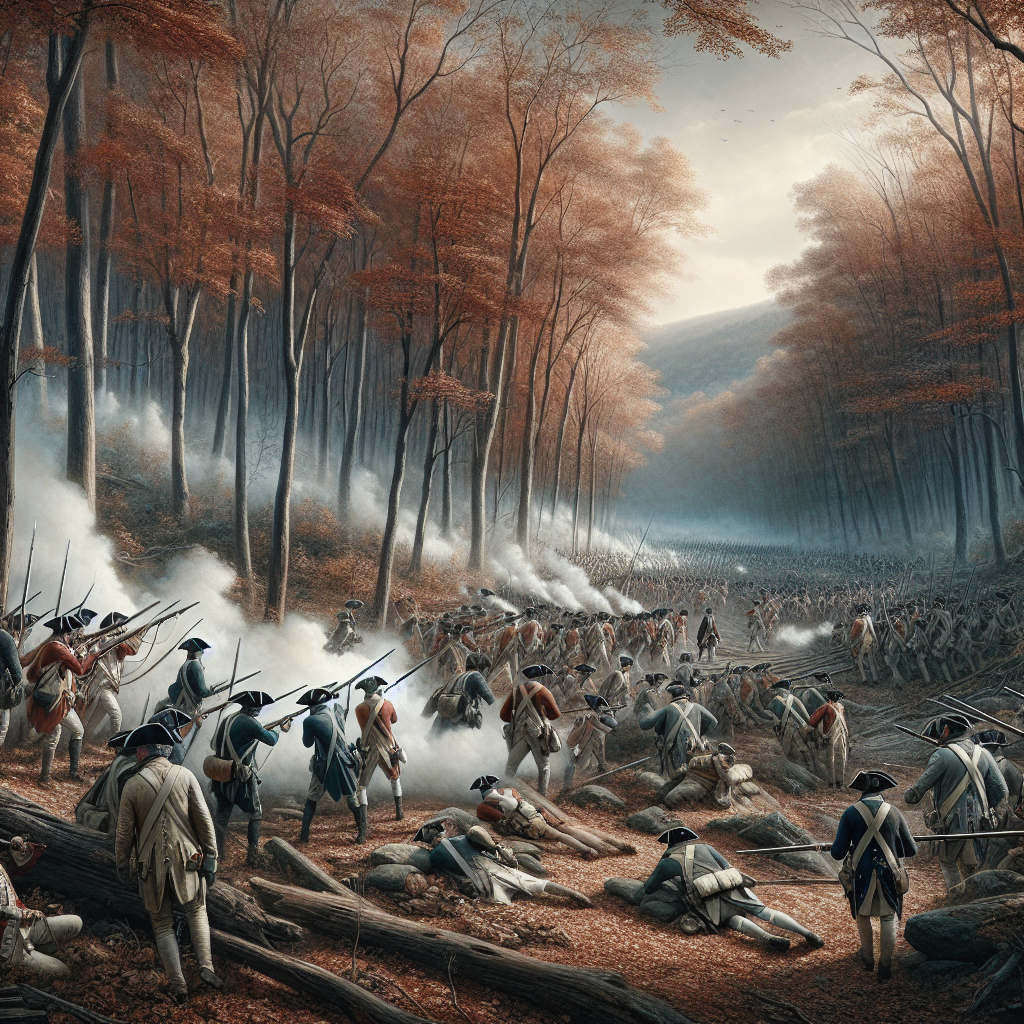
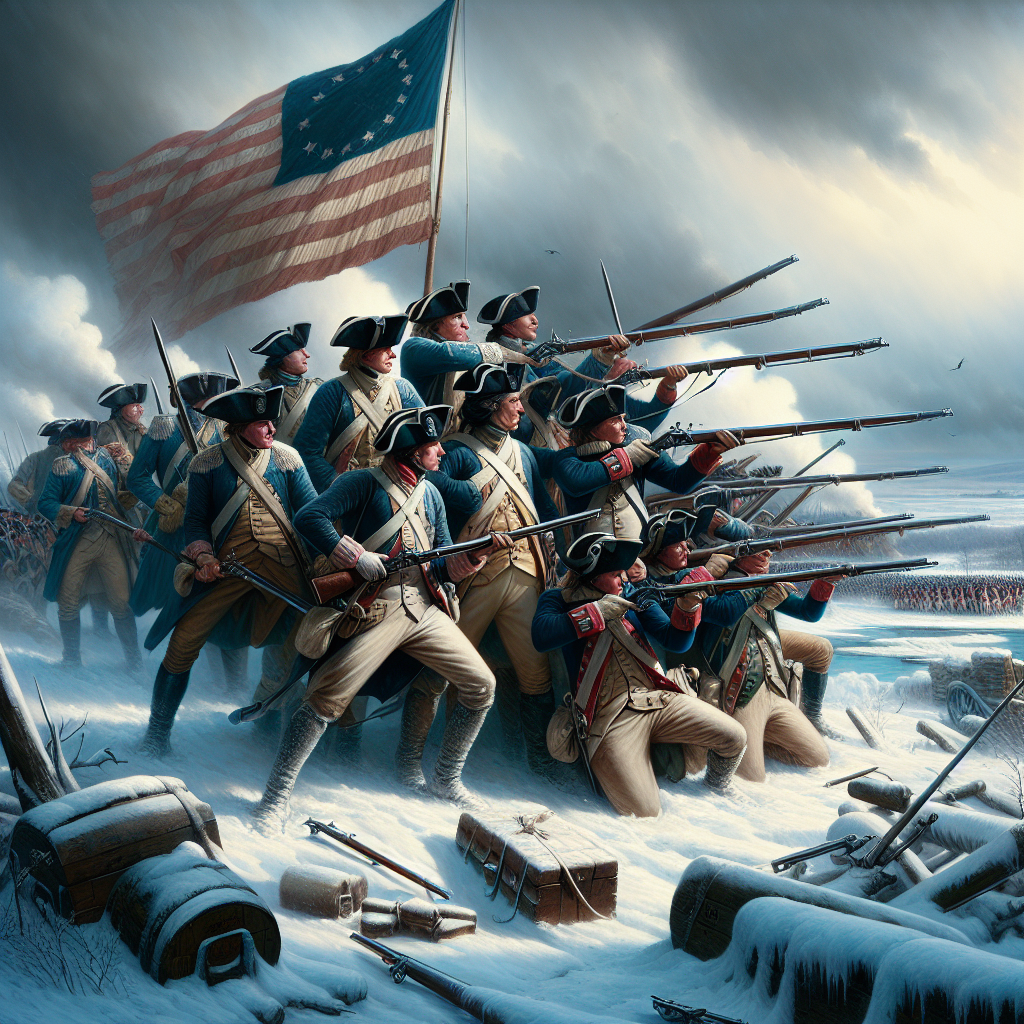
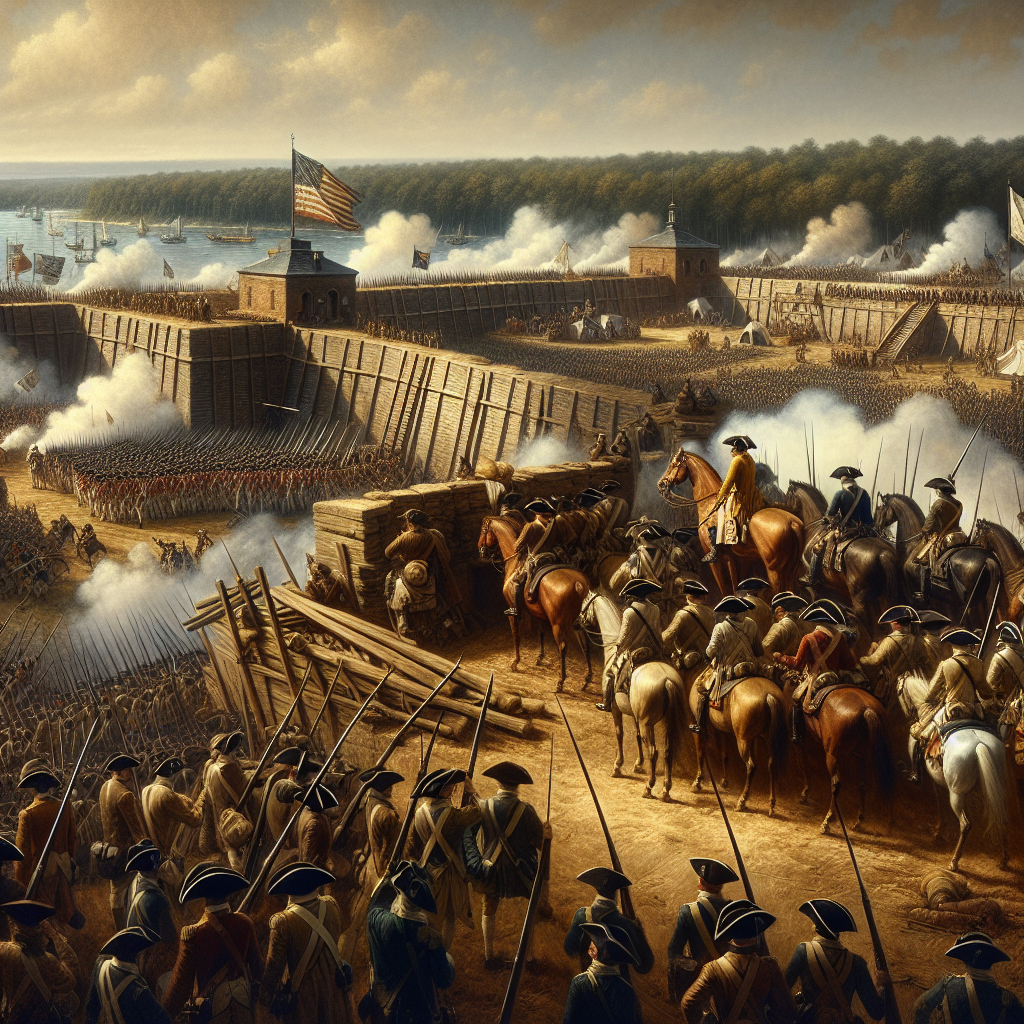
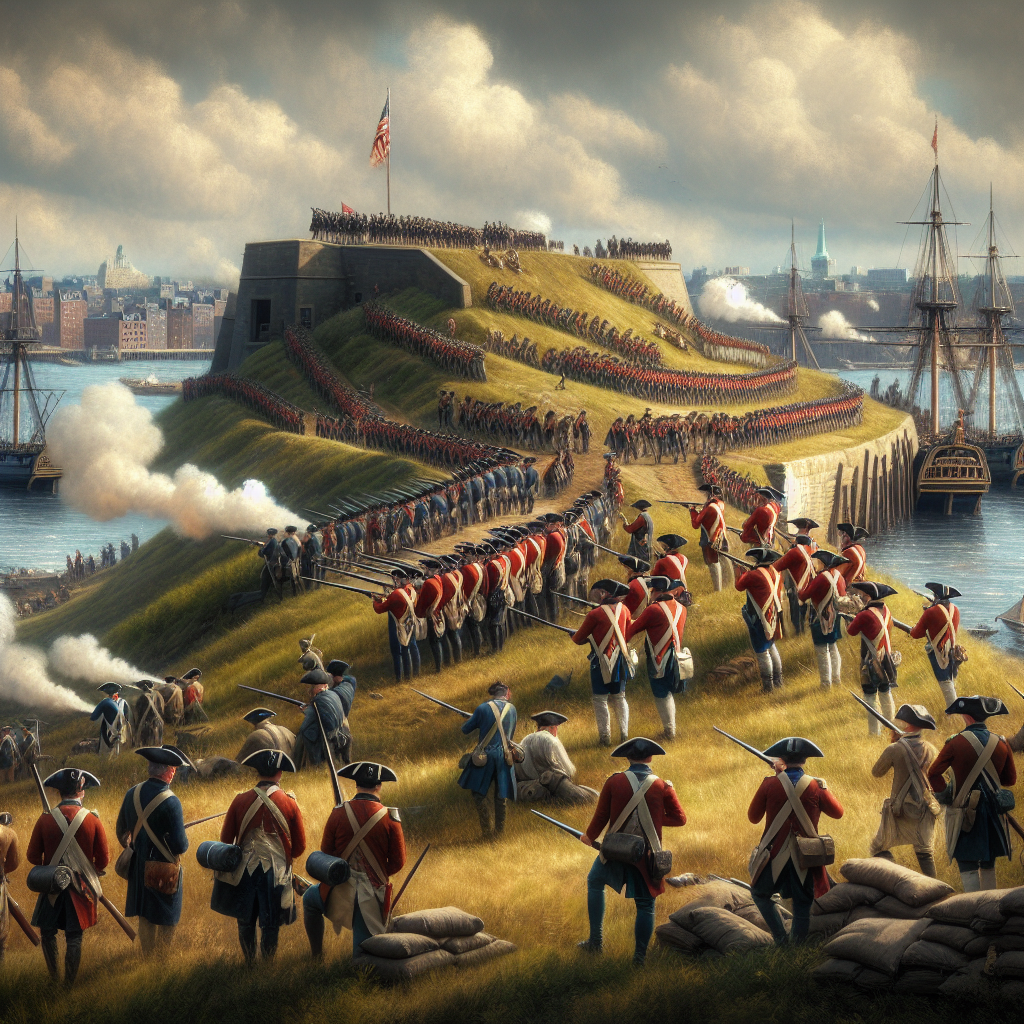
In October 1777, a British army of nearly 6,000 men surrendered to American forces in the fields north of Albany, New York — and the American Revolution became a different war. The Battle of Saratoga, fought in two engagements on September 19 and October 7, ended in catastrophe for General John Burgoyne's campaign to split the colonies along the Hudson River. It was the largest British military surrender the war would see until Yorktown — except Yorktown was still four years away. Saratoga came first, and its consequences reached from the Hudson Valley to the court of Versailles.
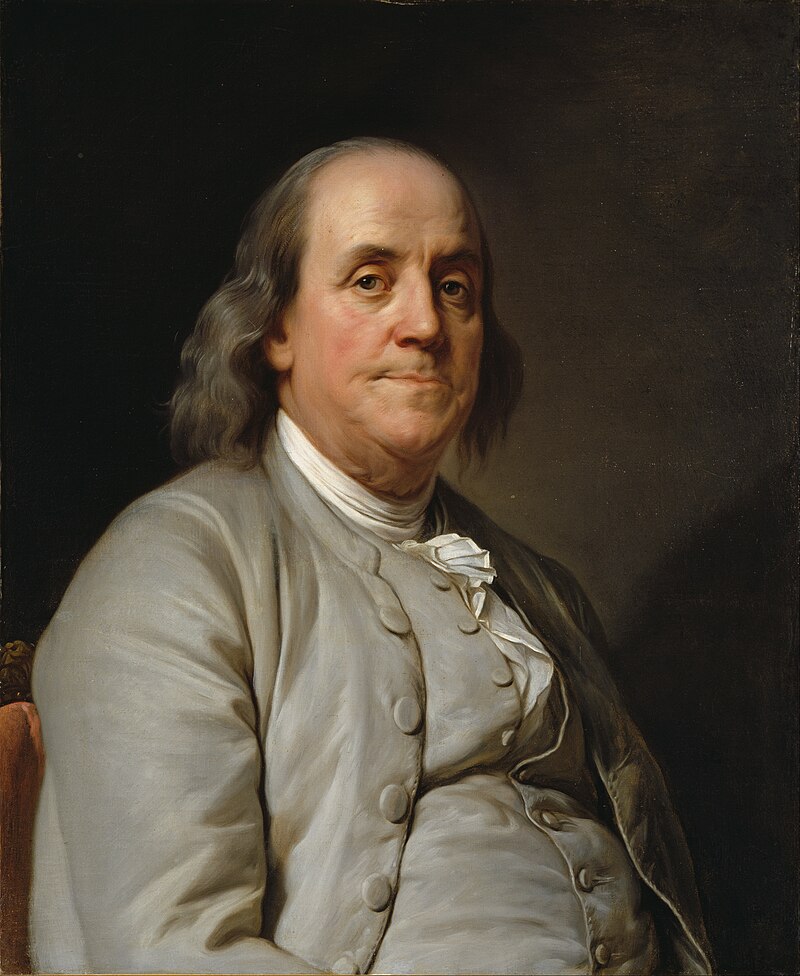
France had been watching the rebellion with cautious interest, supplying money and materials in secret but declining to commit openly to a cause that might fail. Saratoga ended that hesitation. Within months, France signed a formal military alliance with the United States — bringing the naval power, financial resources, and military expertise that the Continental Army had never possessed on its own. Spain and the Netherlands eventually followed. What had been a colonial rebellion against one European power became a global conflict, and Britain found itself at war with a coalition that threatened its empire on multiple continents.
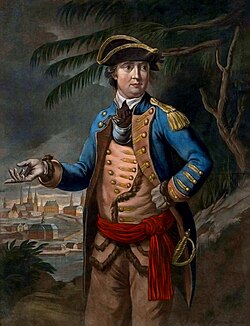
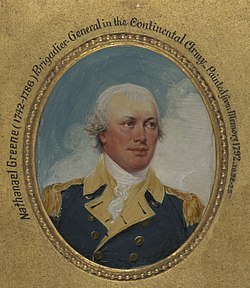
Benedict Arnold, who would two years later become the most infamous traitor in American history, played a decisive role at Saratoga — charging into the British lines in the second battle with reckless courage that broke Burgoyne's center, despite having been relieved of command that morning. He was badly wounded in the leg. At the Saratoga battlefield today, a monument marks the spot where he fell: a carved boot, with no name attached — honoring the heroism without honoring the man. It is the most unusual monument in American military history, and not an unfair summary of his legacy.
| Dates | September 19 and October 7, 1777 |
| Location | Present-day Stillwater, New York (near Saratoga) |
| American Commanders | General Horatio Gates; Benedict Arnold (key tactical role) |
| British Commander | General John Burgoyne |
| Outcome | American victory; Burgoyne surrendered approximately 5,900 troops |
| Strategic Result | France formally allied with the United States (February 1778) |
| Significance | Widely called the turning point of the American Revolution |
| Date | September 19 and October 7, 1777 |
| Location | Stillwater, New York (Saratoga) |