America and Britain: From Mother Country to Special Relationship
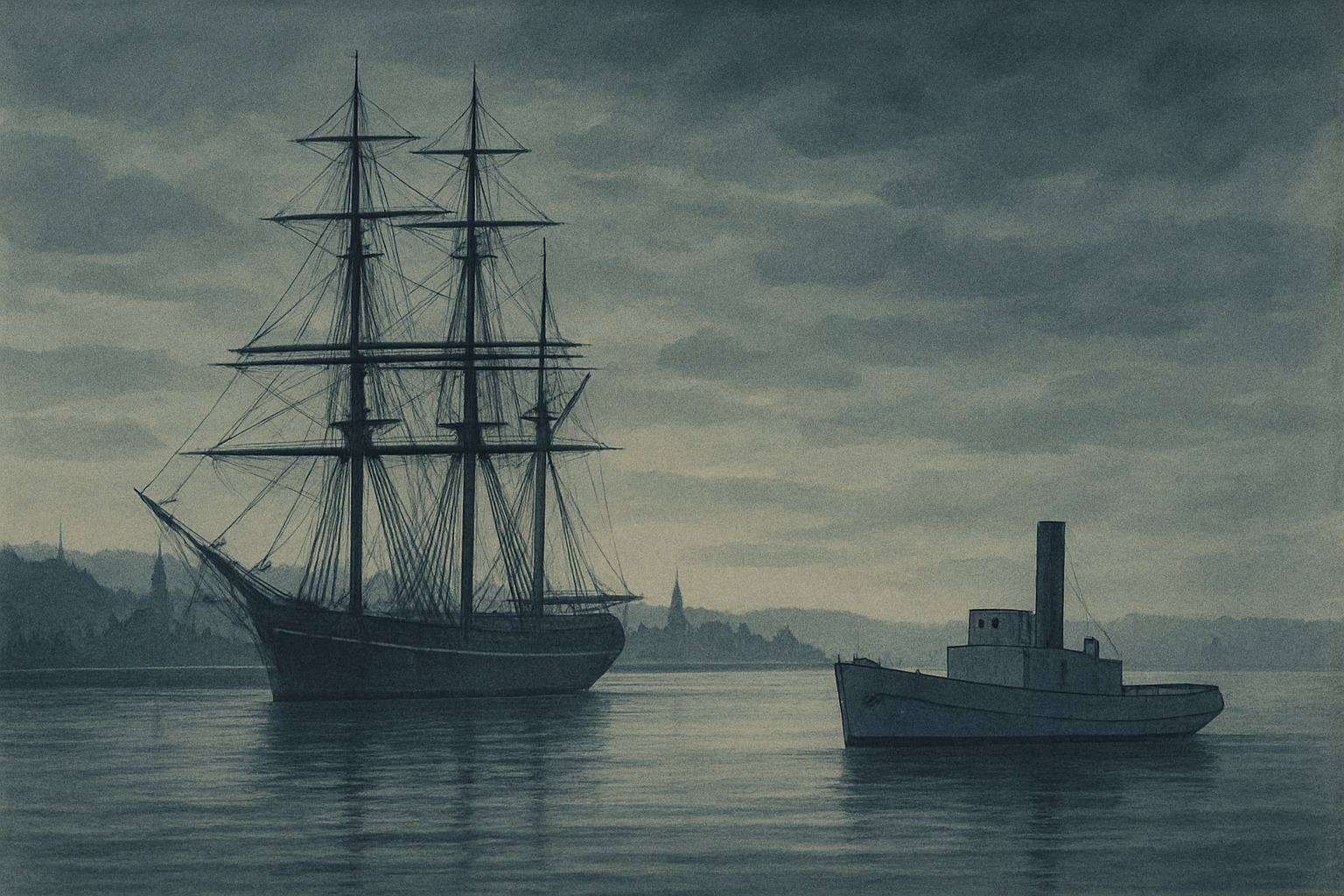
The United States exists because it broke from Britain, and yet no two nations of the modern era have ended up closer. The relationship runs from the colonial rule the colonies rejected, through two wars between them, to the alliance that anchored the twentieth-century world. It is the rare case of an enemy becoming a best friend — and the friendship is all the more durable for how hard-won it was.
This guide traces that arc in order: the colonial break, the Revolution, the second war of 1812, the long cooling into partnership, and the wartime alliance that produced NATO and the "special relationship." Each entry links to a full account.
The relationship began as rule from London. These entries cover the colonial era - the century in which Americans were British subjects, before the grievances that turned them against the Crown.
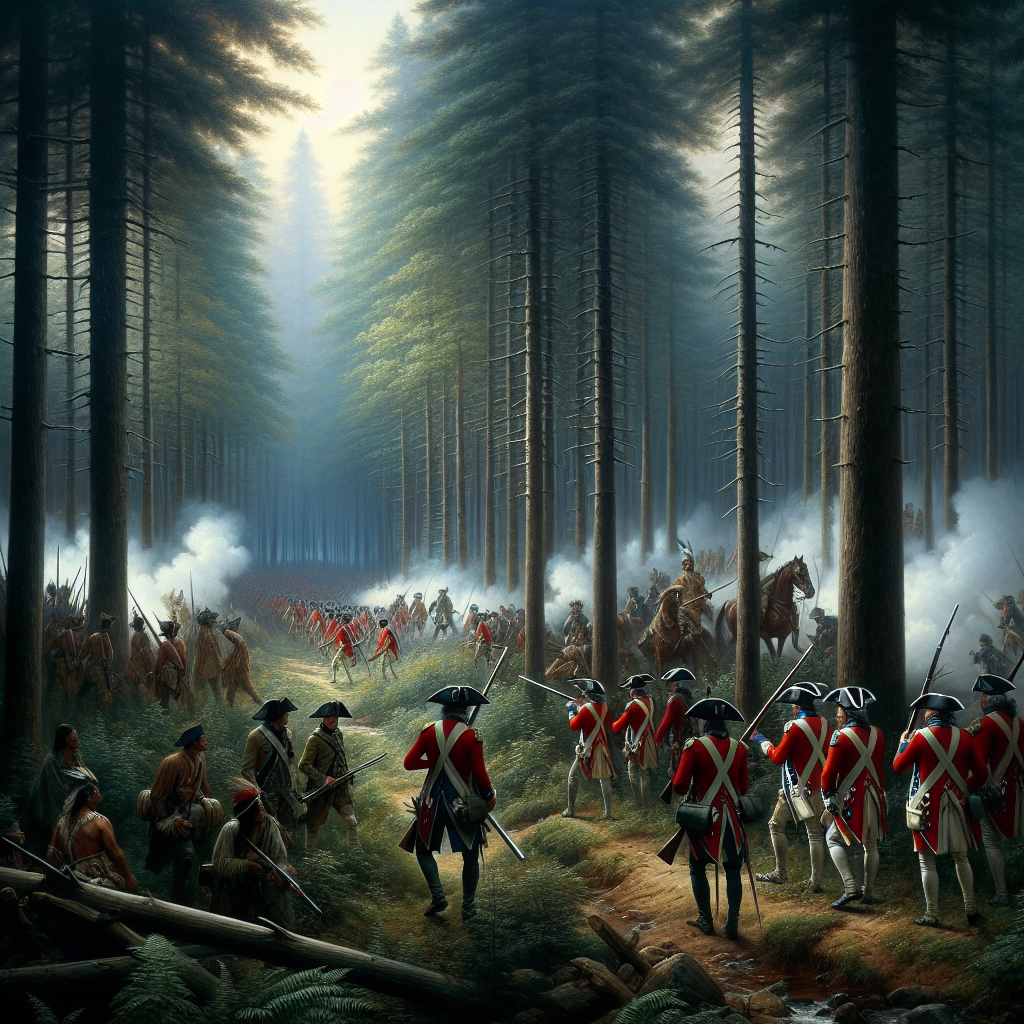
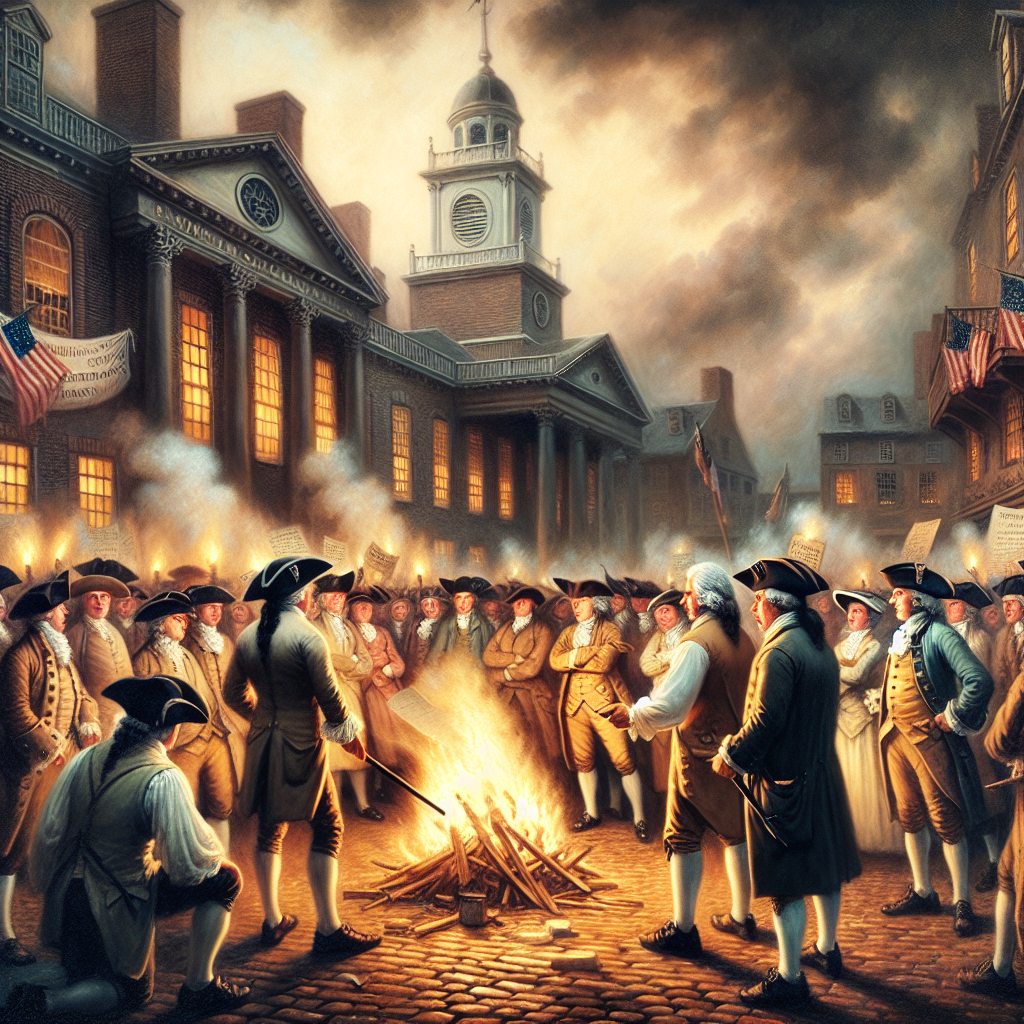
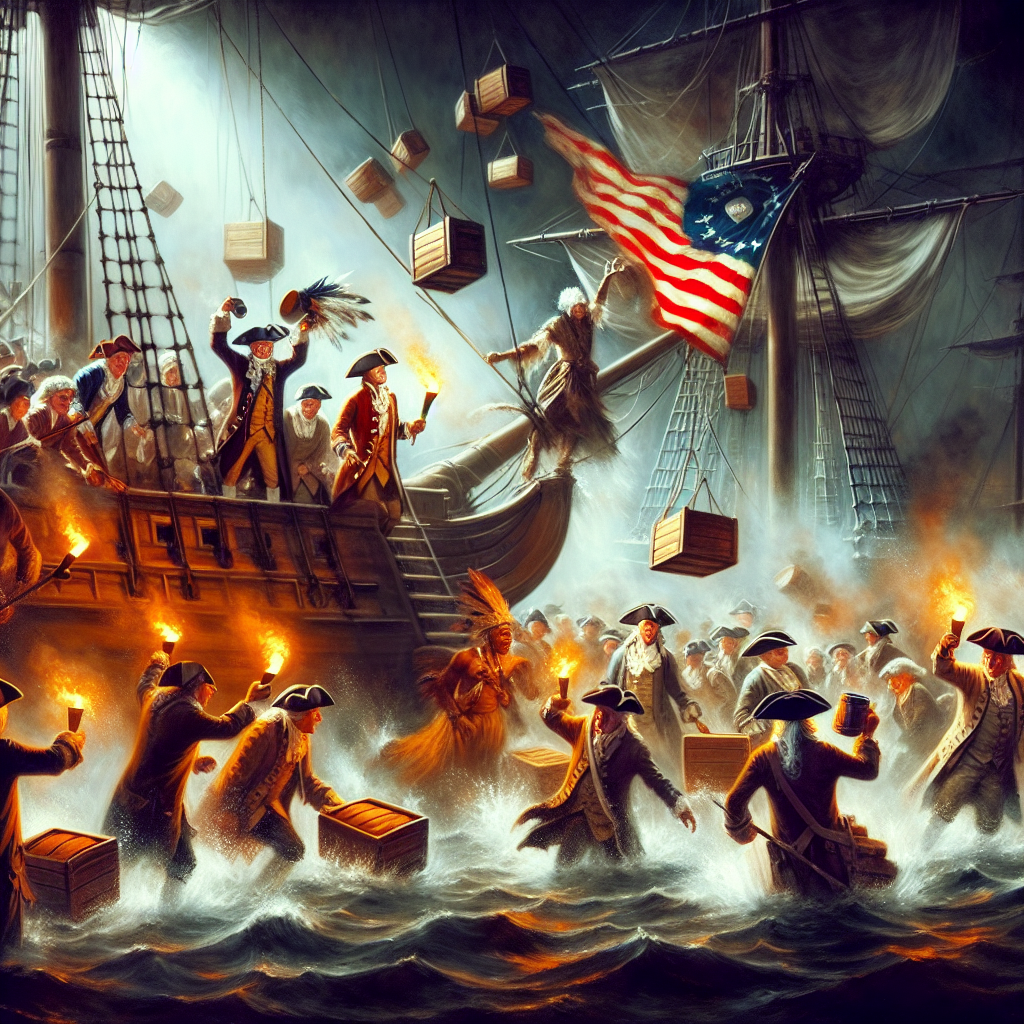
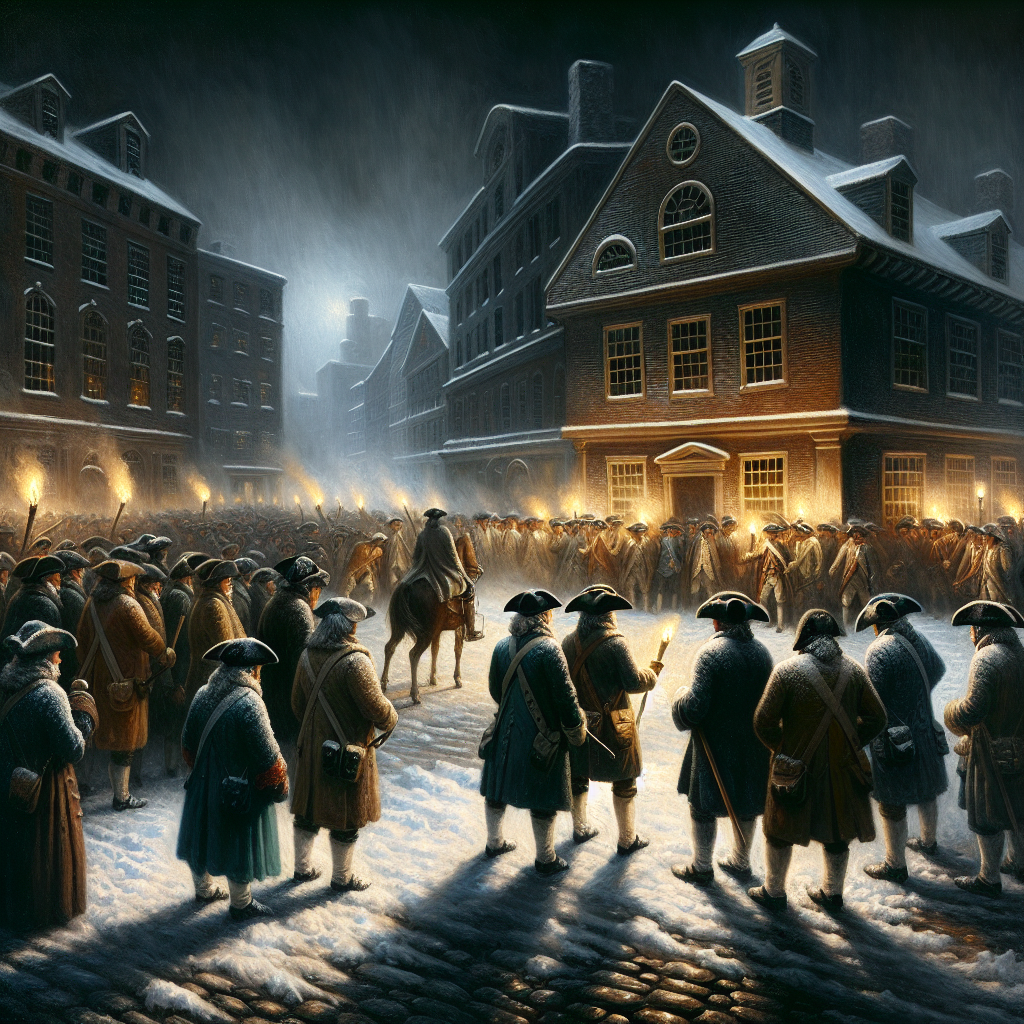
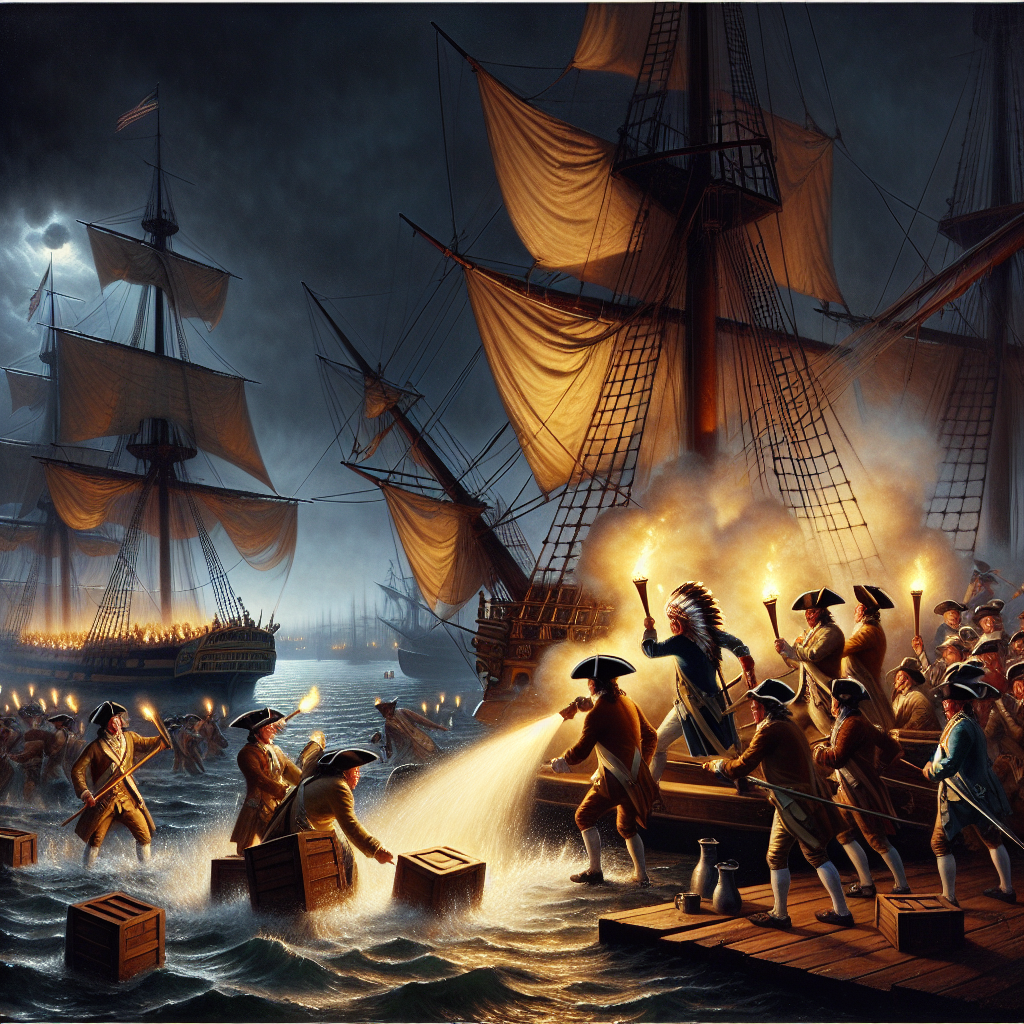
The colonies broke from Britain by force. This was the rupture - the war of independence that severed the bond and made two nations out of one people.
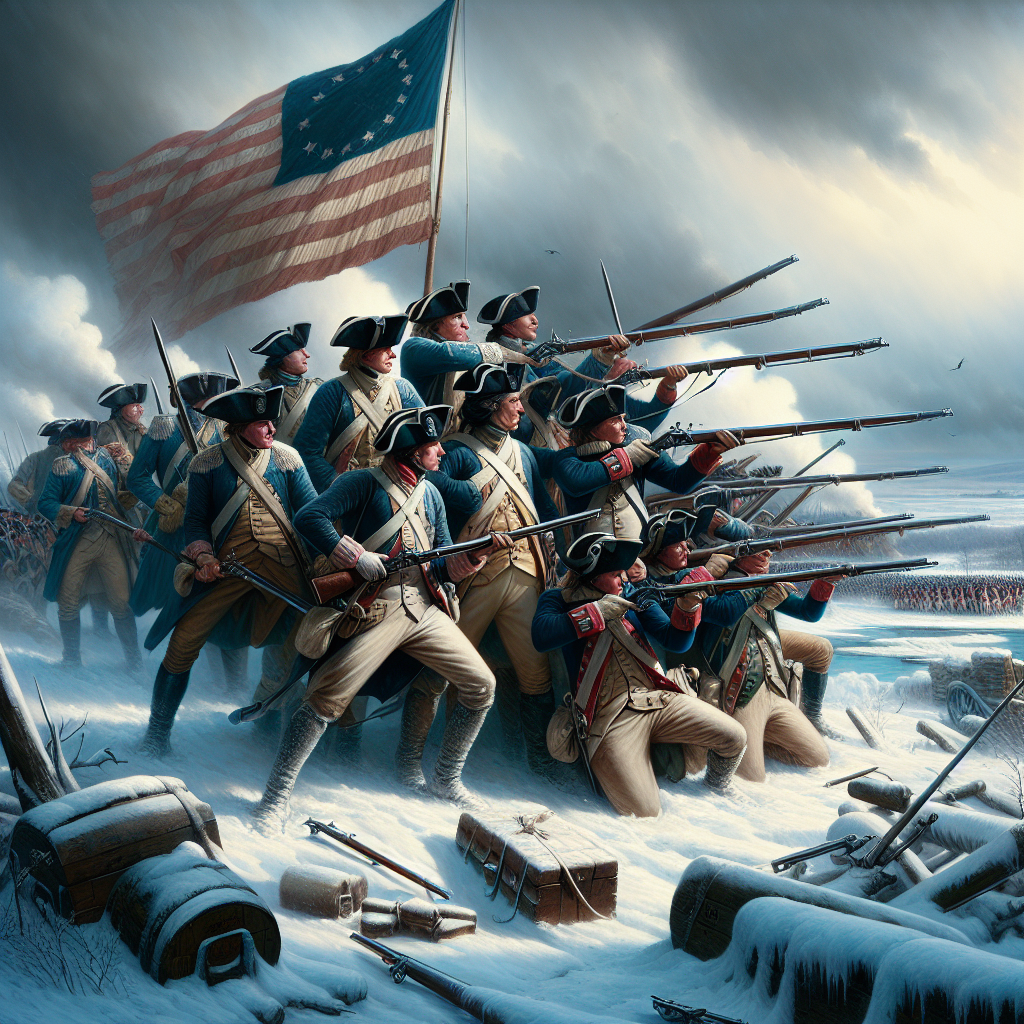
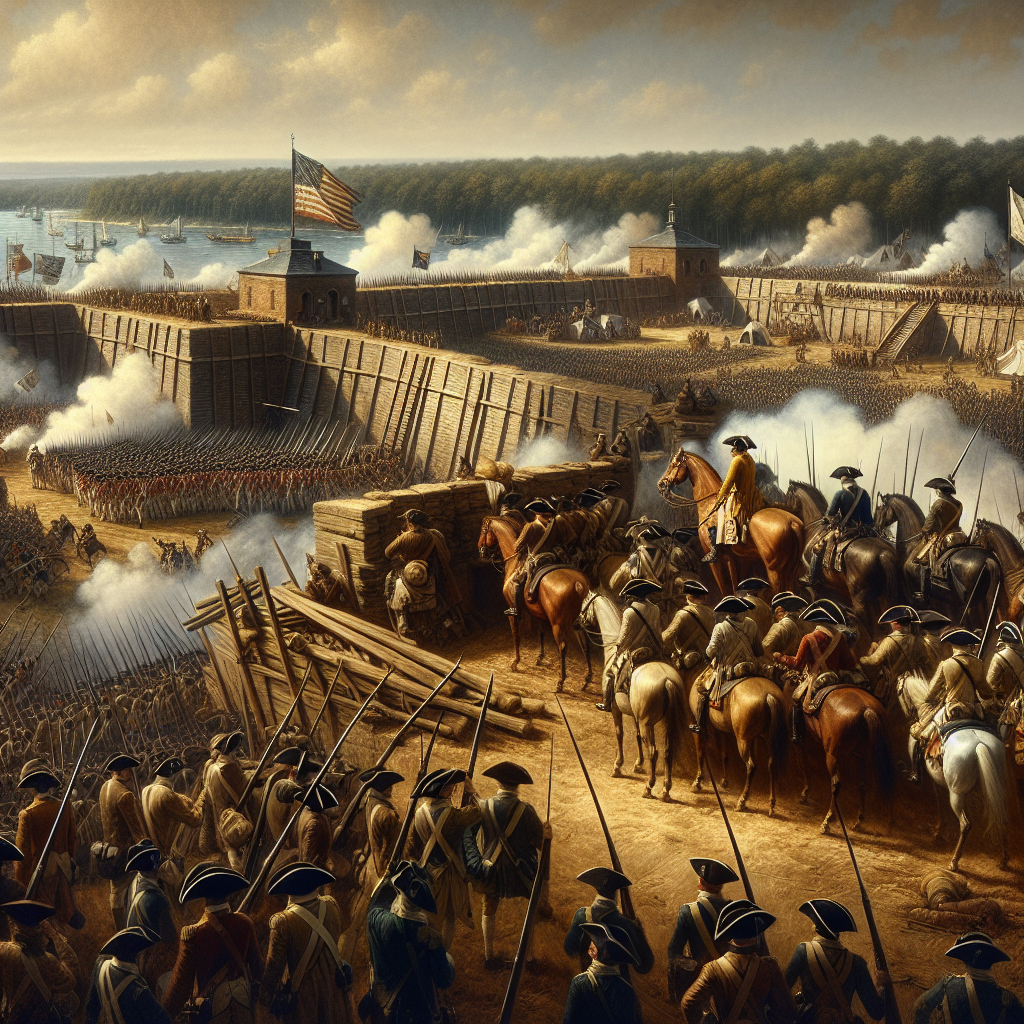
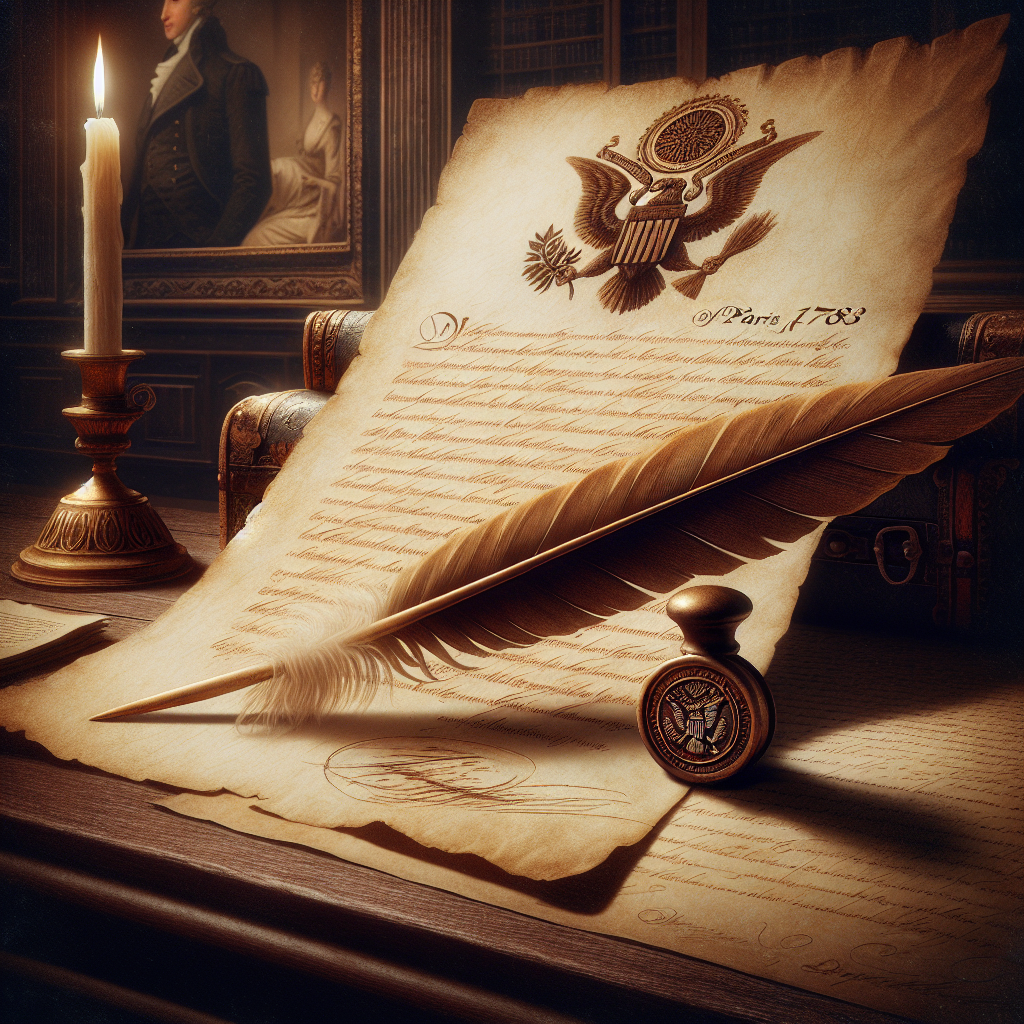
Independence did not end the conflict. A second war a generation later settled lingering grievances, and an uneasy, often hostile peace followed before the two countries learned to coexist.
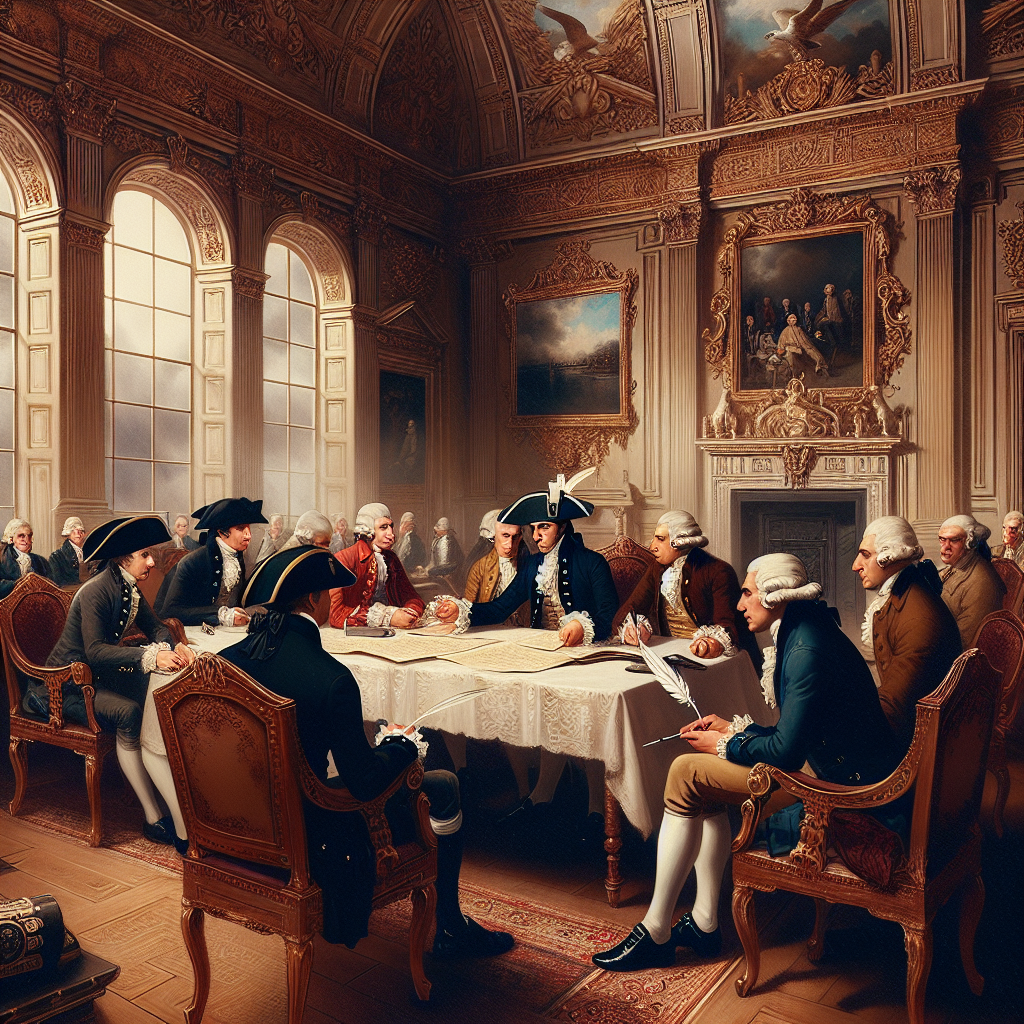
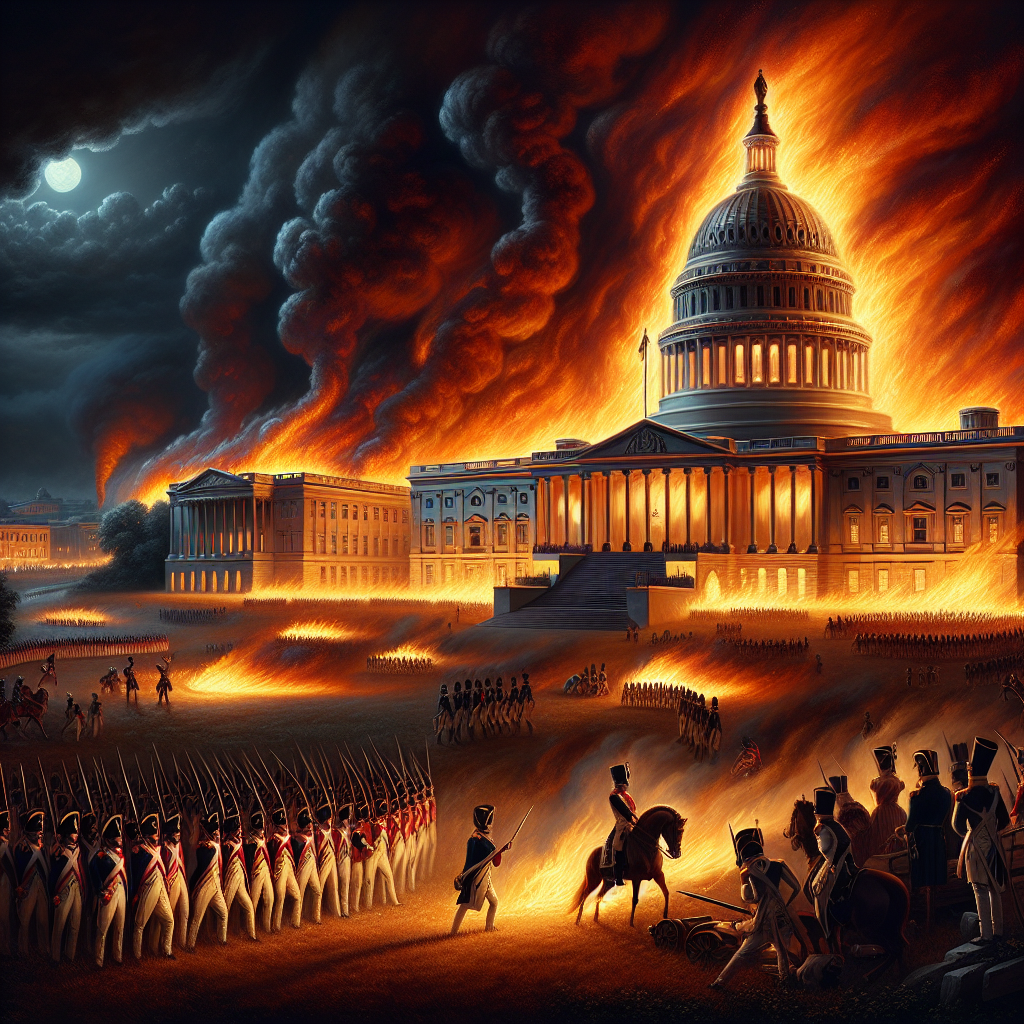
Across the nineteenth century the former enemies slowly became friends. These entries trace the shift from rivalry to a working partnership built on shared interests and a common language.
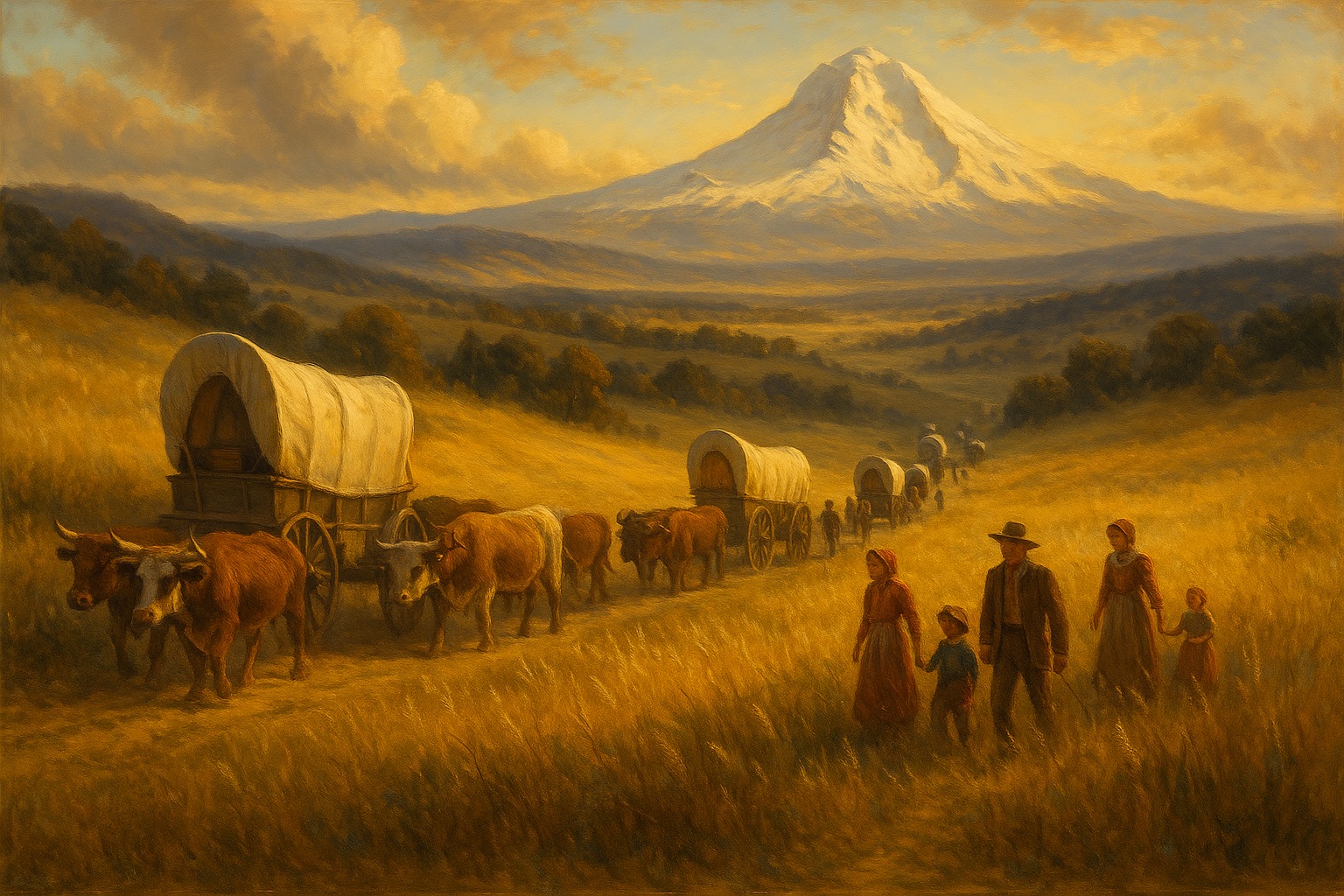
By the twentieth century the two nations were the closest of allies. Through two world wars and the Cold War, the partnership became the cornerstone of both countries' foreign policy - the special relationship.
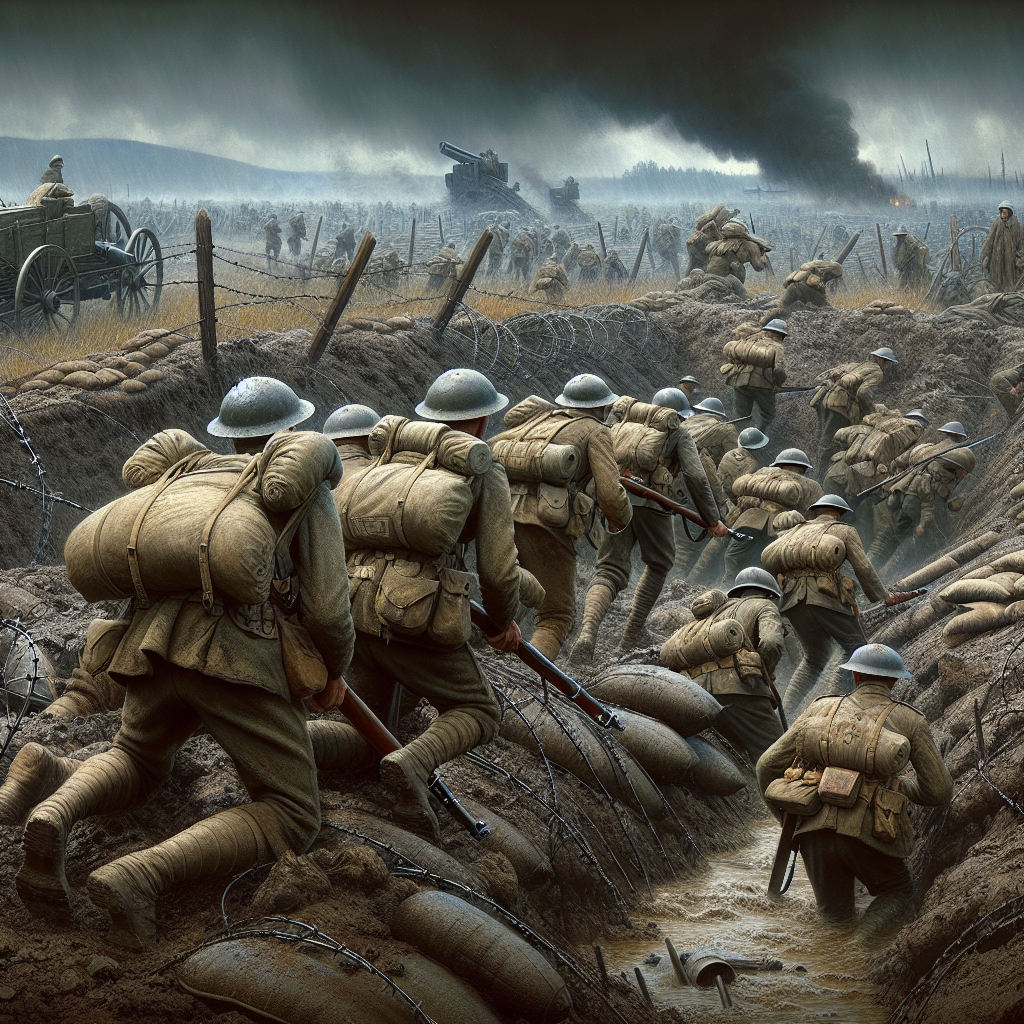
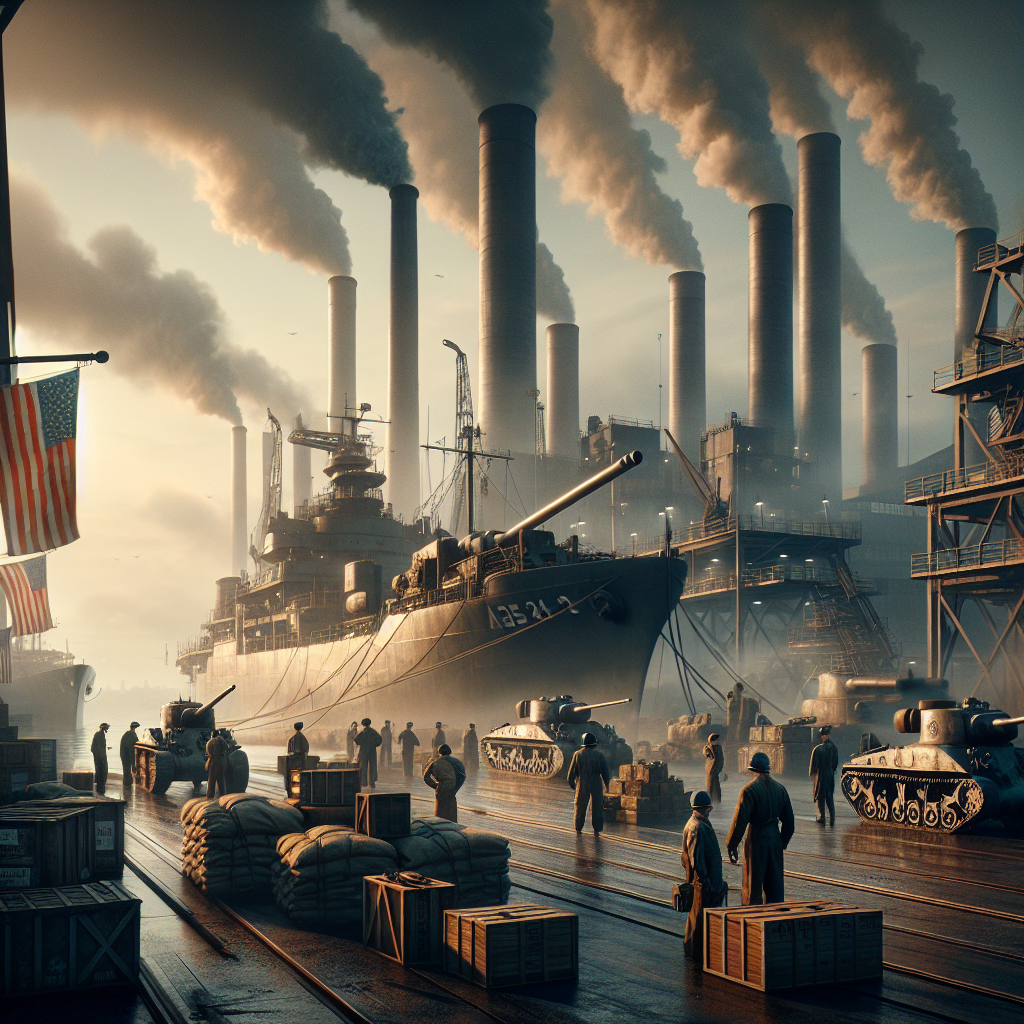
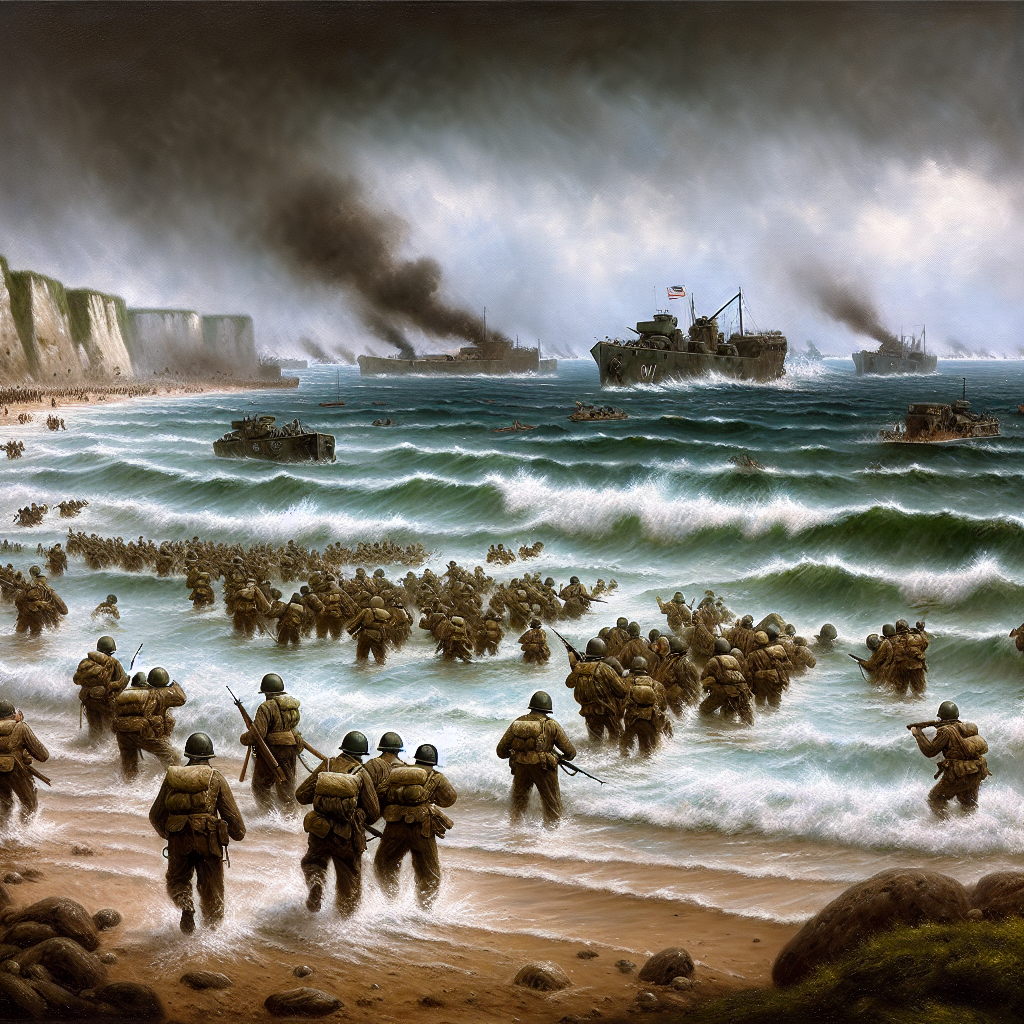
Britain's former rival France took a parallel road from enemy to ally — see America and France — and the wars that bind this story run through every U.S. war and major conflict.